
CLEARLAKE — On a cool February morning, Shawn and Lindsay Heape slipped on their shoes and headed down their driveway, grabbing their green buckets on the way.
Four minutes passed as they filled the two 5-gallon pails from an improvised water tank made from a pair of well-used, blue water drums connected to various garden hoses.
The job is onerous, but important: Each drop of their limited water supply is precious.
Buckets in hand, the weight digging into their fingers, they walked back into their three-bedroom home, past three large fish tanks and down the hallway toward the tiled bathroom. They place the buckets on the sink with the utmost care so the couple can brush their teeth, wash their hands and flush the toilet.
“We’re just trying to get through the day,” Lindsay Heape, 49, said. “That’s what everything revolves around now — water.”
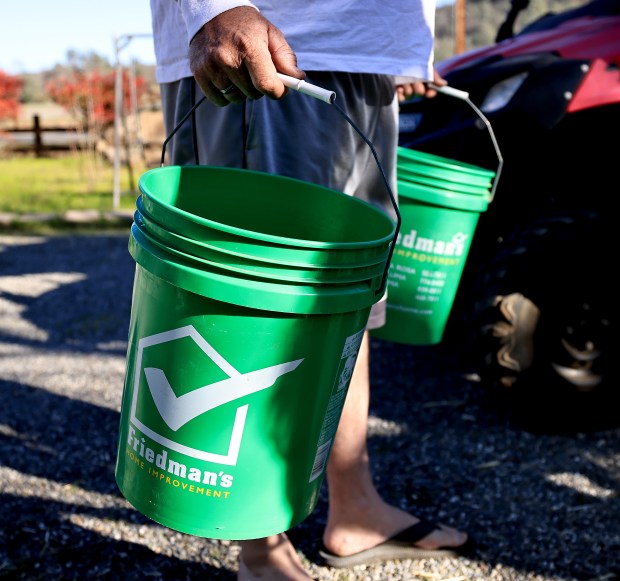 Buckets are used to transport potable water from a water tank to the bathroom of the Heape family home, Wednesday, Feb. 4, 2026, in Clearlake. Even though the January sewage spill was a few blocks away, water from their well tested positive for contaminants. (Kent Porter / The Press Democrat)
This is daily life for about 475 of Clearlake’s 16,600 residents since a sewer main broke on Sunday, Jan. 11, causing 2.9 million gallons of untreated sewage to flow into the aquifer, wells and for some, directly into homes and yards.
Since the spill, as long-term cleanup response has lagged, residents have described living in what feels like a prolonged state of emergency without clear direction toward recovery.
They have lived in motels, used portable and public showers and trucked water nearly 2 miles from a temporary facility just to meet basic needs.
Even now, eight weeks after the spill, Lake County officials have no way of knowing when the underground aquifer that residents rely on for drinking water will be remediated.
Part of the reason is the lay of the land — the shallow aquifer makes for difficult remediation, Lake County officials say. But a dive into the history of the special districts responsible for Clearlake’s wastewater treatment shows a lack of preparation and planning. For years, Lake County Special Districts has operated without a capital improvement plan, despite knowing weak spots within its system.
Today, with water buckets and tanks as their new normal for water storage, the Heapes and their neighbors shoulder the burden of the special districts’ failure.
“This is layered on top of everything else,” Lindsay Heape said. “You don’t ever really reset.”
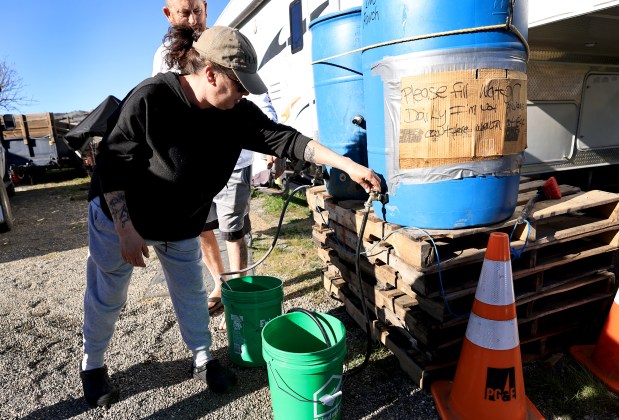 Lindsay and Shawn Heape fill buckets of potable water to be used to flush toilets, wash dishes and other household chores, Wednesday, Feb. 4, 2026, in Clearlake. (Kent Porter / The Press Democrat)
A spill years in the making
The sewer main that broke in early January is part of Lake County’s Southeast Regional Wastewater System, which serves 13,312 residents. The system, which stretches from Pirates Cove to Lower Lake and includes portions of Clearlake, comprises 90 miles of gravity pipeline and 10 miles of force main pipeline.
The special districts invested into the system considerably in the late ’90s and early 2000s, including $5 million in 2013 to make improvements on the force main pipes. The project addressed two chronic capacity deficiencies that had plagued the system for more than 30 years.
However, since that project, little has been done to the system’s remaining aged pipes, which are more than 30 years old and channel 1.9 million gallons of effluent on a dry day.
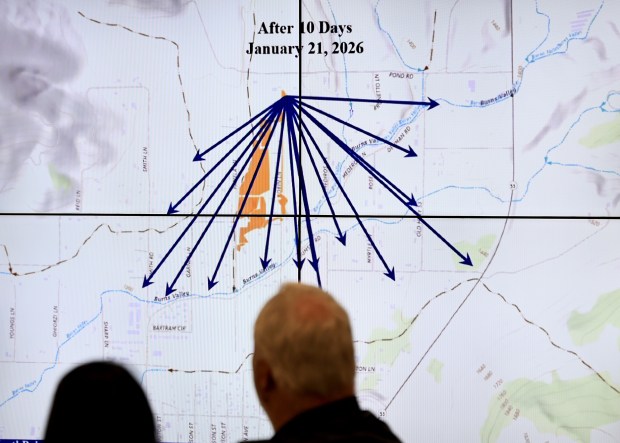 During a community meeting, Wednesday, Feb. 4, 2026, at Clearlake City Hall, involving residents of the January sewage spill, a graphic shows the movement of the plume, from the origin of the spill. (Kent Porter / The Press Democrat)
Lack of maintenance has proven consequential for the special districts and the residents it serves. Records from the Central Valley Regional Water Board, part of the state agency that regulates special districts, shows the system’s sewer has repeatedly overflowed, leading to dozens of violations and enforcement actions by the State Water Board.
Between 2023 and 2026, regulators documented 16 violations in the system including 13 sewage spills. State records also show the system has repeatedly exceeded the allowed amount of total coliform bacteria.
The system of pipelines was inspected in 2019 using a camera, Clearlake City Manager Alan Flora said during a Feb. 24 Lake County Board of Supervisors meeting.
But despite seeing flaws in the system, Flora alleged few improvements were made since 2019, adding that many of the violations were related to a specific stretch of the system: In 2023, a force main failure released about 600,000 gallons of raw sewage into the area around Burns Valley Road.
The same year, the State Water Board cited the special districts for failing to have a capital improvement plan — a roadmap of sorts for infrastructure maintenance — in place for the system.
According to the State Water Board, every sewer agency is required to maintain a capital improvement plan to plan funding, rehabilitation and replacement of aging sewer infrastructure. These plans are identified by the board as being a core component of effective system management.
In a 2023 inspection, the State Water Board stated, “The Enrollee does not have a formal capital improvement plan (CIP).”
The Press Democrat reached out to Lake County Special Districts numerous times for comment and additional information since the Jan. 11 incident. None of the requests have been returned.
An expanding timeline
The Jan. 11 spill was first reported by the Lake County Special Districts around 8 a.m. and despite efforts to stop it, raw wastewater flowed into the street on Robin Lane for more than 37 hours.
“I saw poop running down the road and (toilet paper) and corn and all kinds of stuff,” Joe Hulbert, a Robin Lane resident, said in a Jan. 13 video interview with The Press Democrat. “It smelled terrible. It went into everybody’s yard.”
County officials first advised that 58 properties near Robin Lane were impacted and declared a local emergency on Jan. 12 to mobilize resources for response.
The initial response included cleanup, using disinfectants like agricultural lime and Botanical Decon 30, as well as repair of the sewer main.
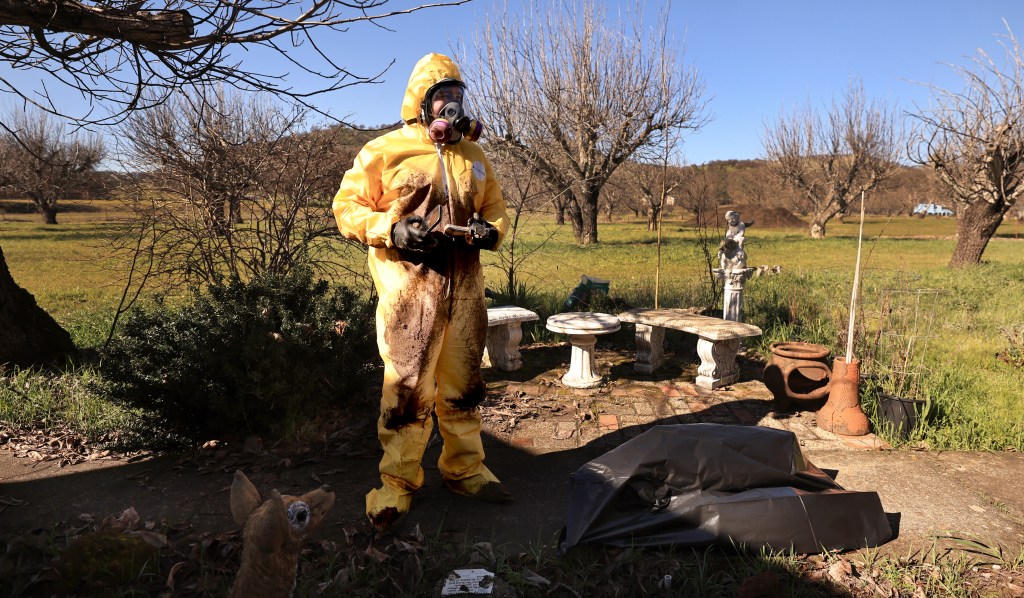
The impacted area grew over the next 10 days to encompass 2% of residents in the region the system serves, amounting to 164 homes covering 550 acres.
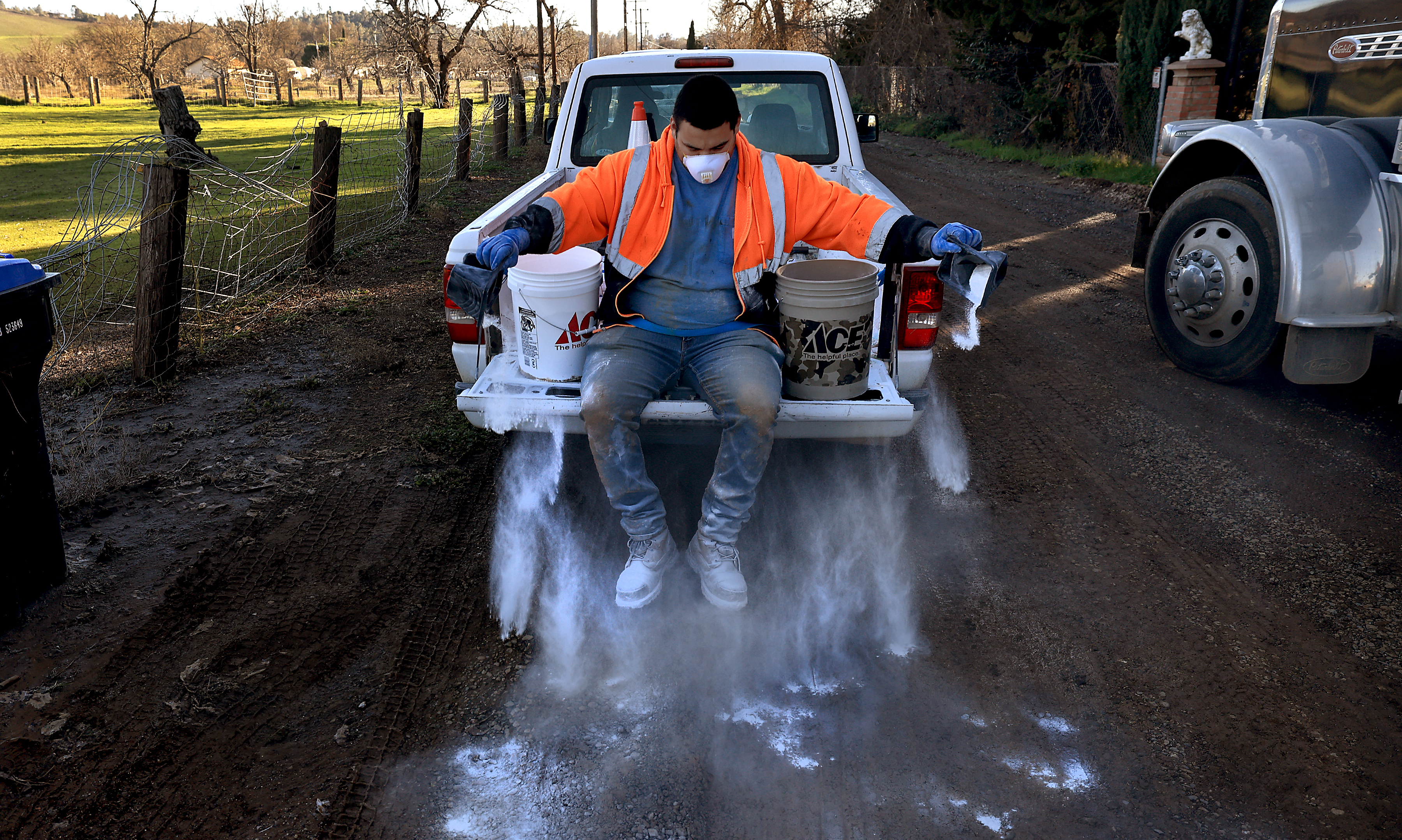
A County of Lake employee spreads agriculture lime on Robin Lane in Clearlake to help dry out the road which was submerged in sewage, Tuesday, Jan. 13, 2026. (Kent Porter / The Press Democrat)
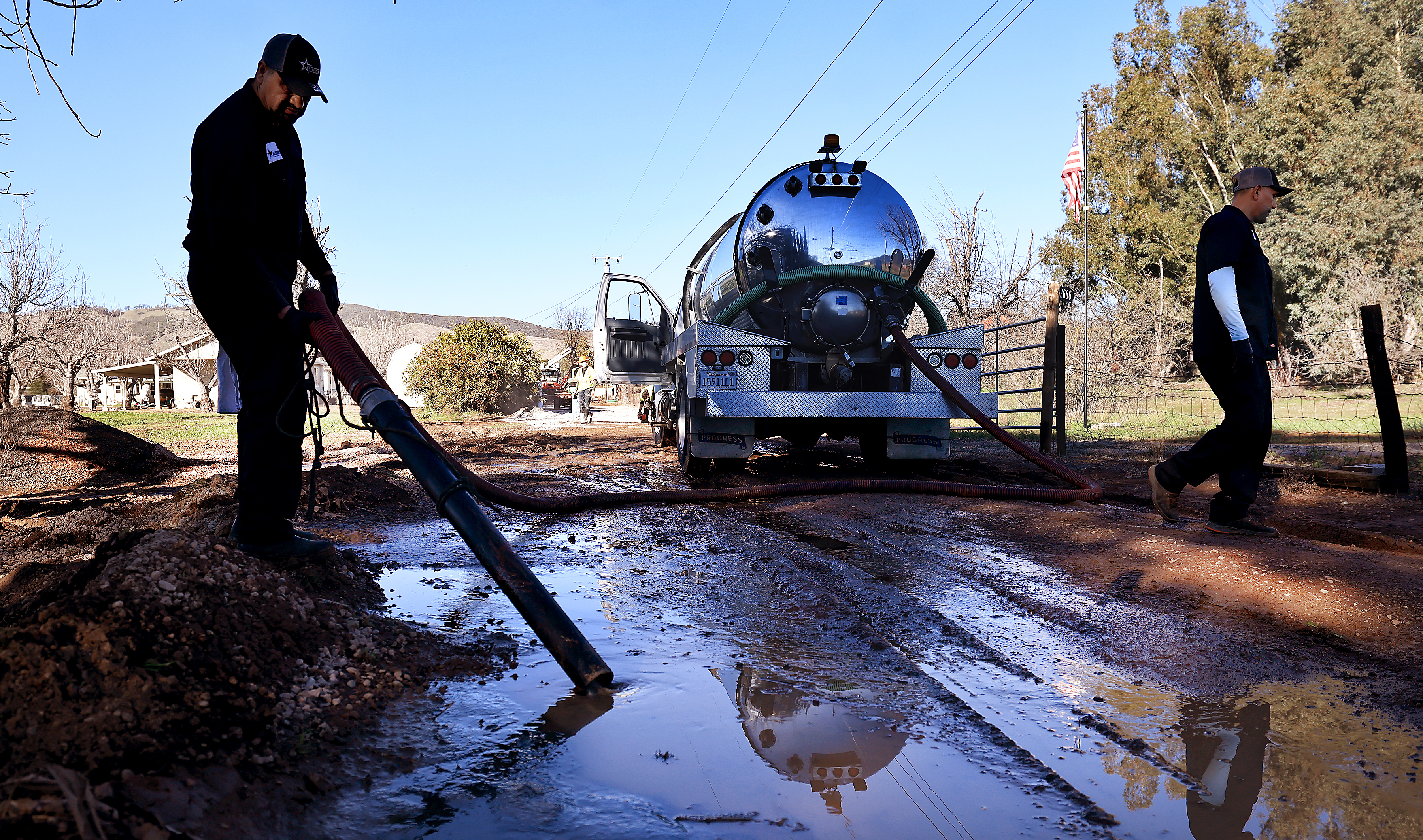
An Allstarz Pumping worker fro Sonoma County, vacuums up sewage water on Robin Lane in Clearlake, Tuesday, Jan. 13, 2026, in the Burns Valley area. (Kent Porter / The Press Democrat)

Along Pamela Lane in Clearlake, warning signs are posted in the sewage spill zone, Tuesday, Jan. 20, 2026, in Clearlake. (Kent Porter / The Press Democrat)
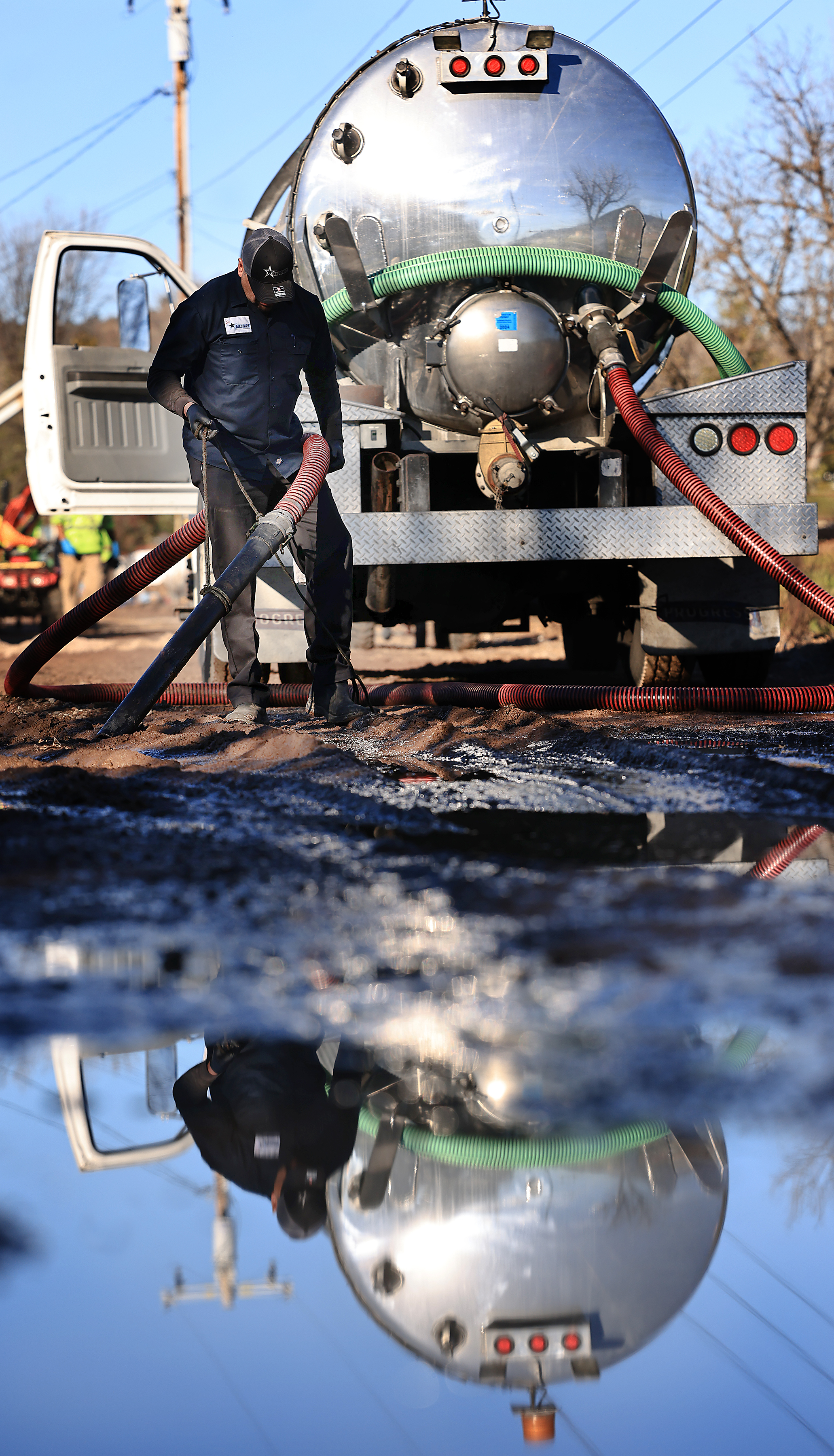
An Allstarz Pumping worker from Sonoma County, vacuums up sewage water on Robin Lane in Clearlake, Tuesday, Jan. 13, 2026, in the Burns Valley area. (Kent Porter / The Press Democrat)
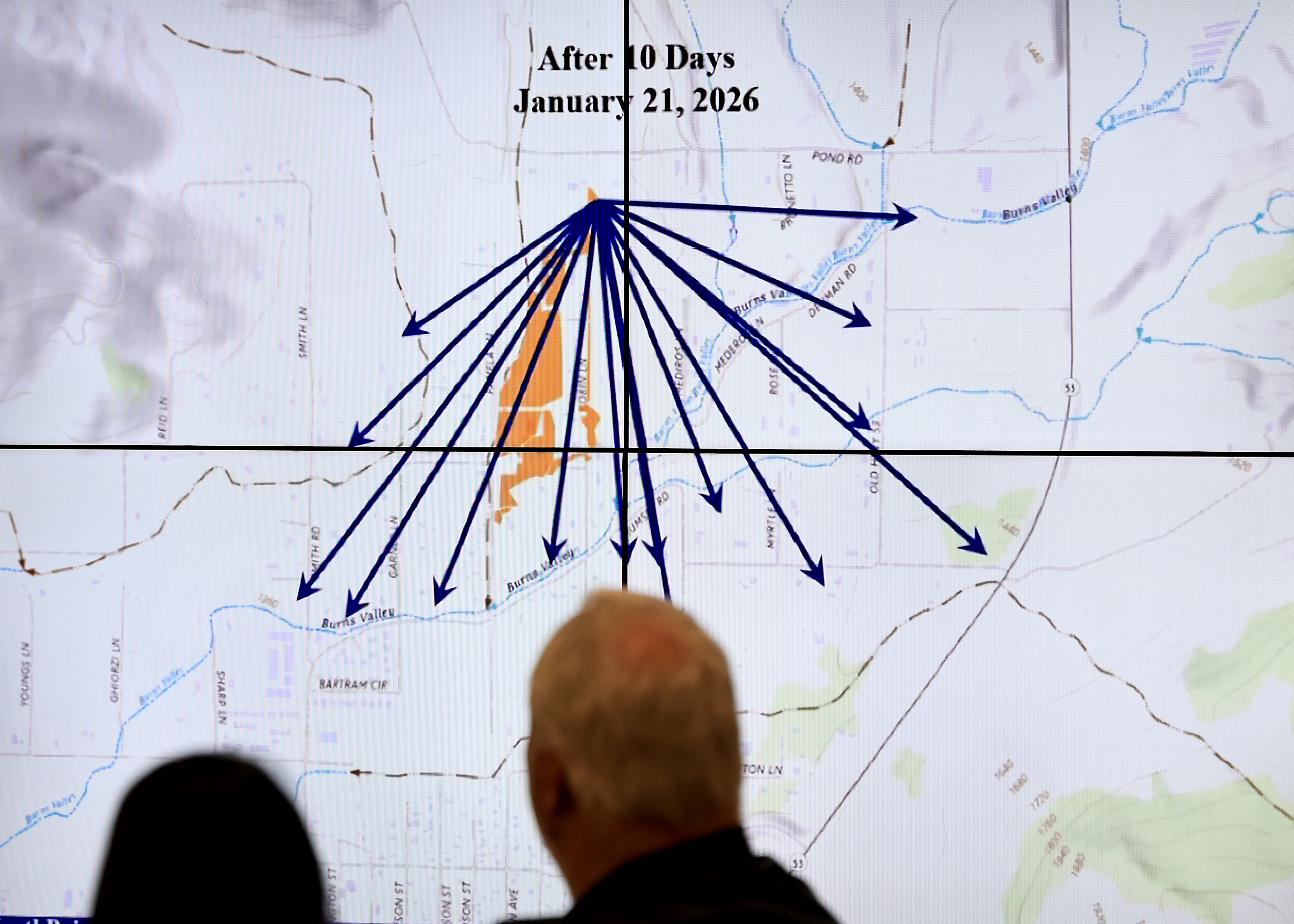
During a community meeting, Wednesday, Feb. 4, 2026, at Clearlake City Hall, involving residents of the January sewage spill, a graphic shows the movement of the plume, from the origin of the spill. (Kent Porter / The Press Democrat)
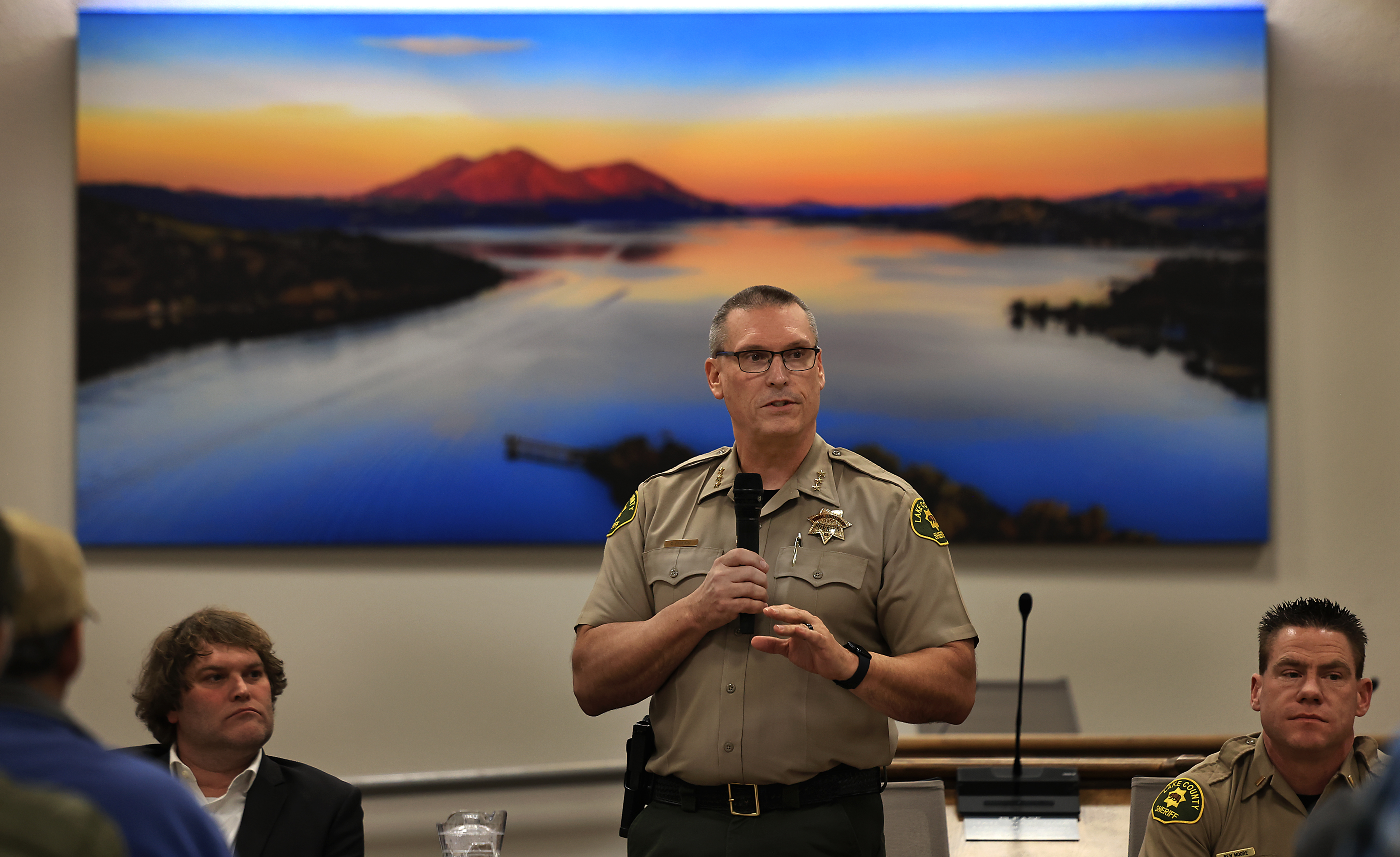
Corey Paulich the Lake County undersheriff and director of emergency operations, talks with a crowd of Clearlake residents, Wednesday, Feb. 4, 2026, affected by the January sewage spill on Robin Lane. (Kent Porter / The Press Democrat)
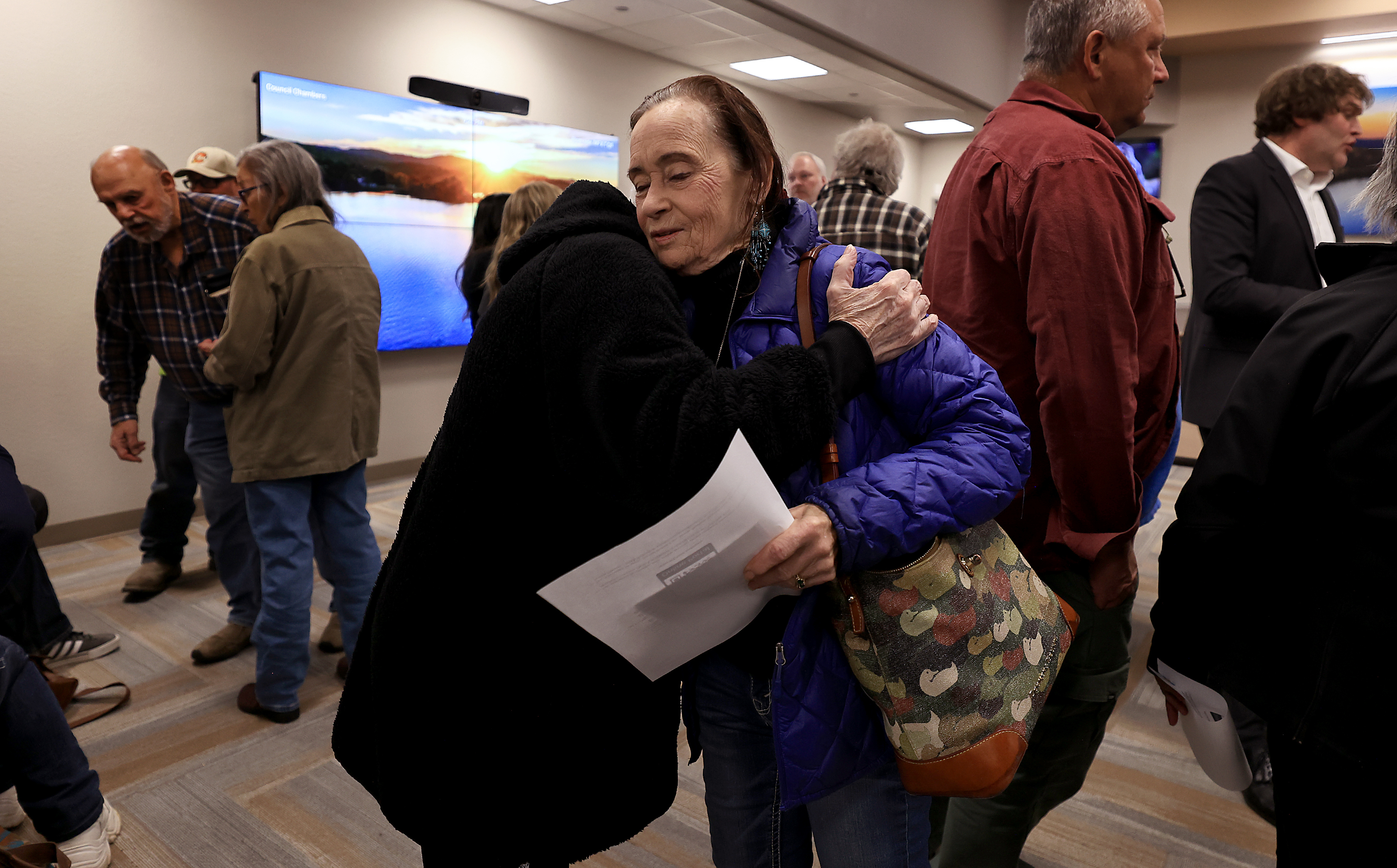
Prior to a community meeting, Wednesday, Feb. 4, 2026, Suzanne Marsh, right, and Kathy Reese say hello to one another at Clearlake City Hall. Both women are affected by the January sewage spill. (Kent Porter / The Press Democrat)
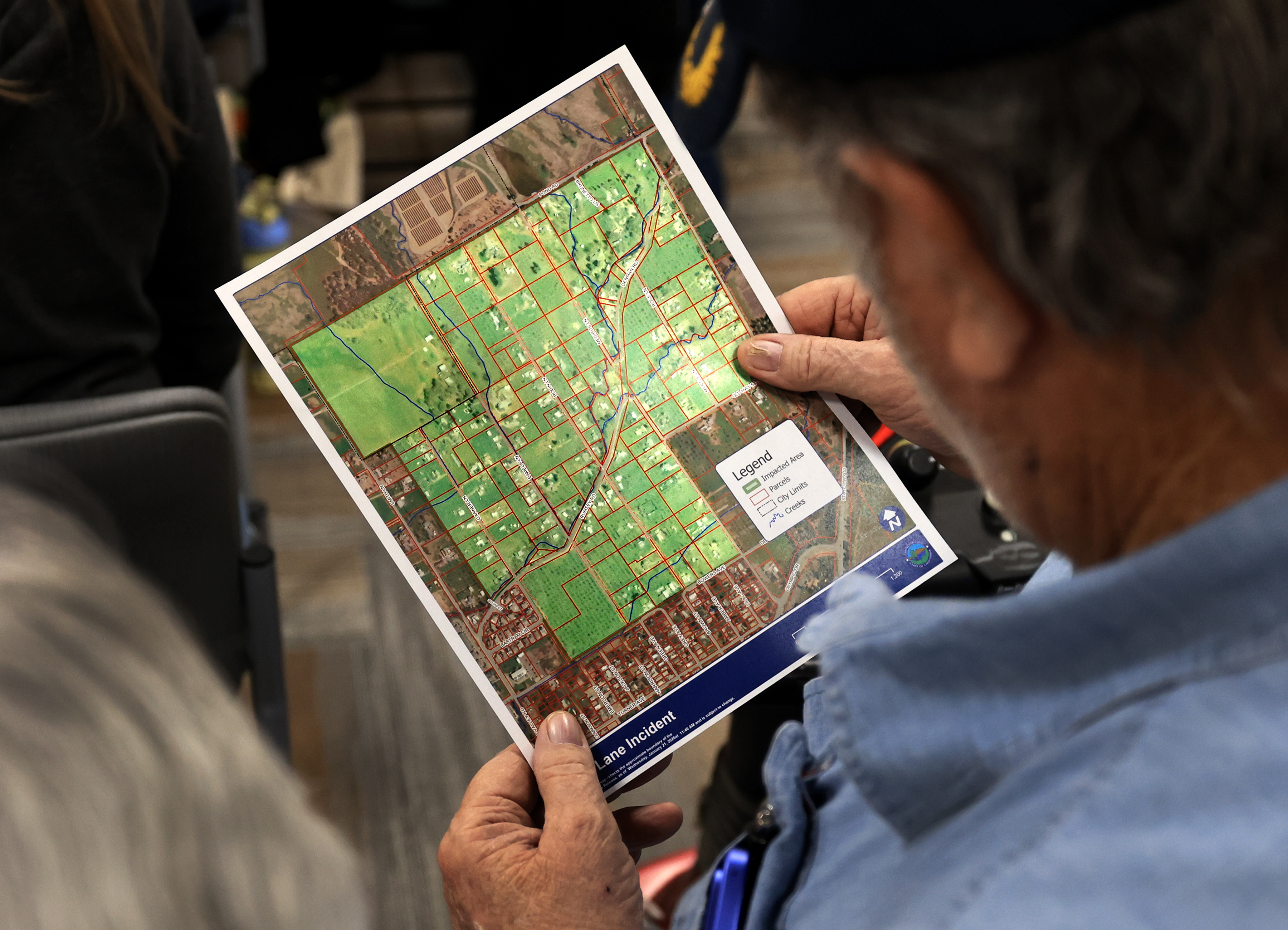
A map, supplied to those attending a town hall meeting in Clearlake, Wednesday, Jan. 21, 2026, highlights the affected area of a sewage spill in last week. (Kent Porter / The Press Democrat)
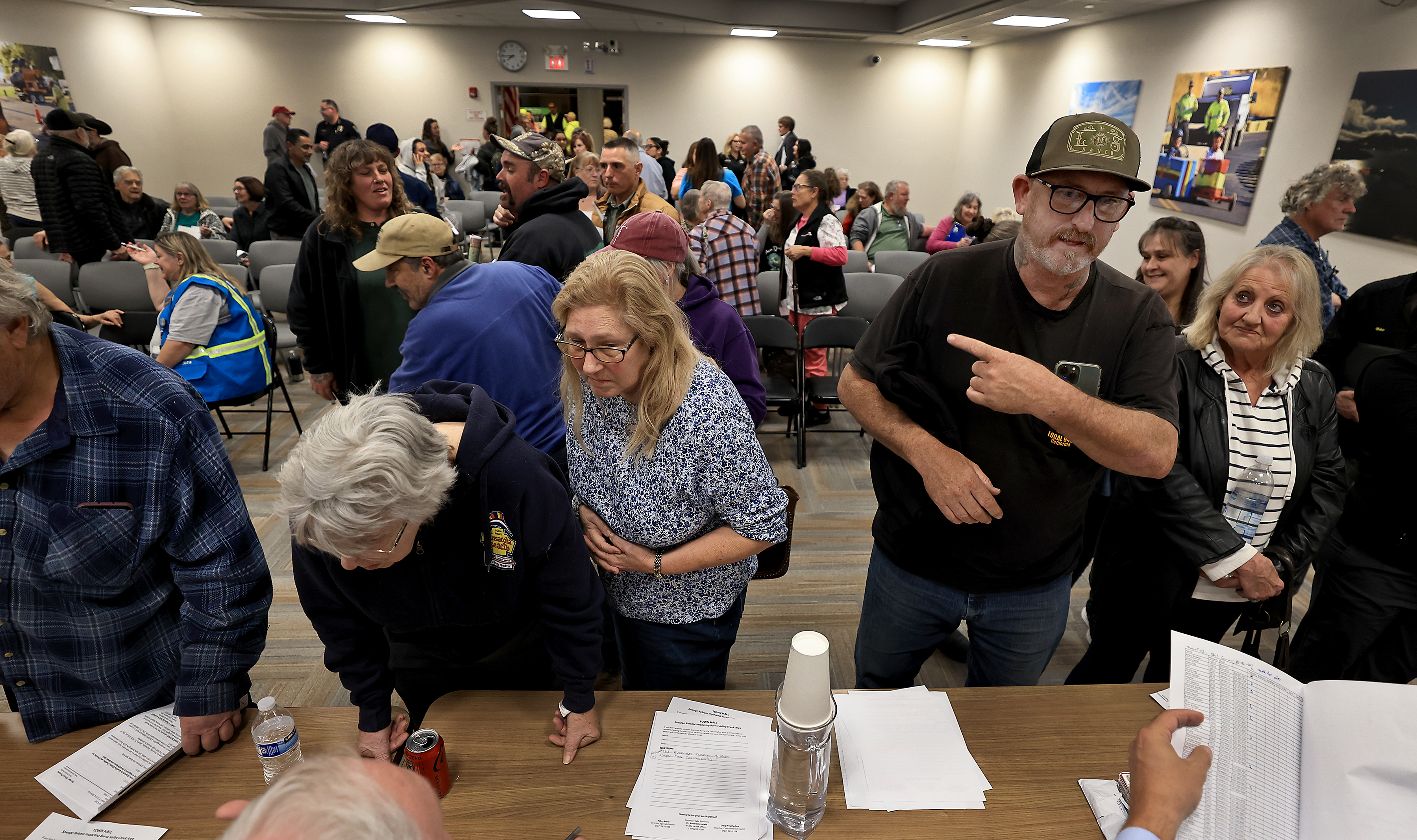
After a town hall meeting, Clearlake residents, from left, Barbara Dryden, Stephanie Hummel and Shawn Heape ask questions about the testing and health implications of last week’s sewage spill, Wednesday, Jan. 21, 2026. (Kent Porter / The Press Democrat)
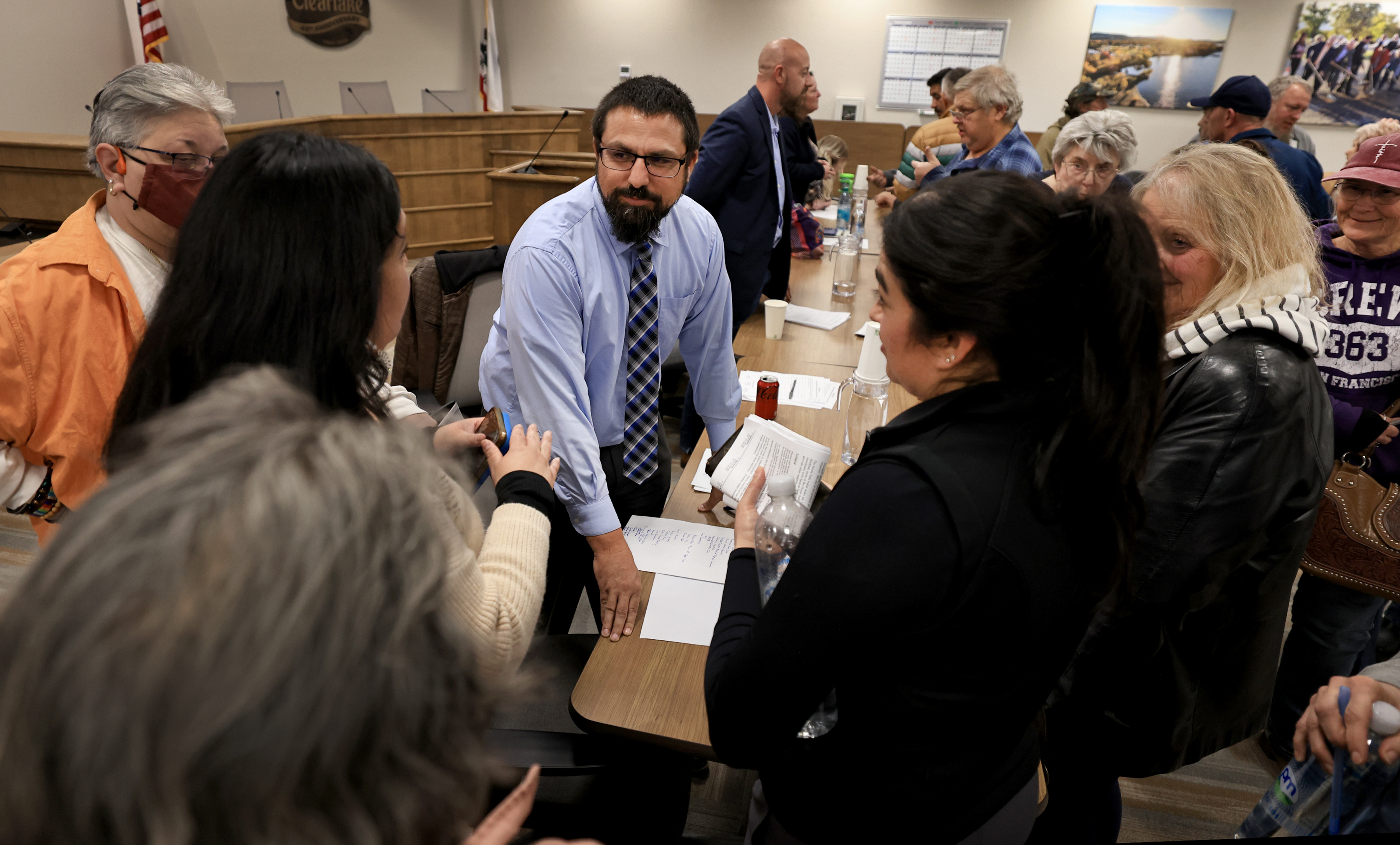
At a town hall meeting in Clearlake, Wednesday, Jan. 21, 2026, Bruno Sabatier, with the Lake County Board of Supervisor’s district 2 region, talks with the residents affected by the implications of last week’s sewage spill. (Kent Porter / The Press Democrat)
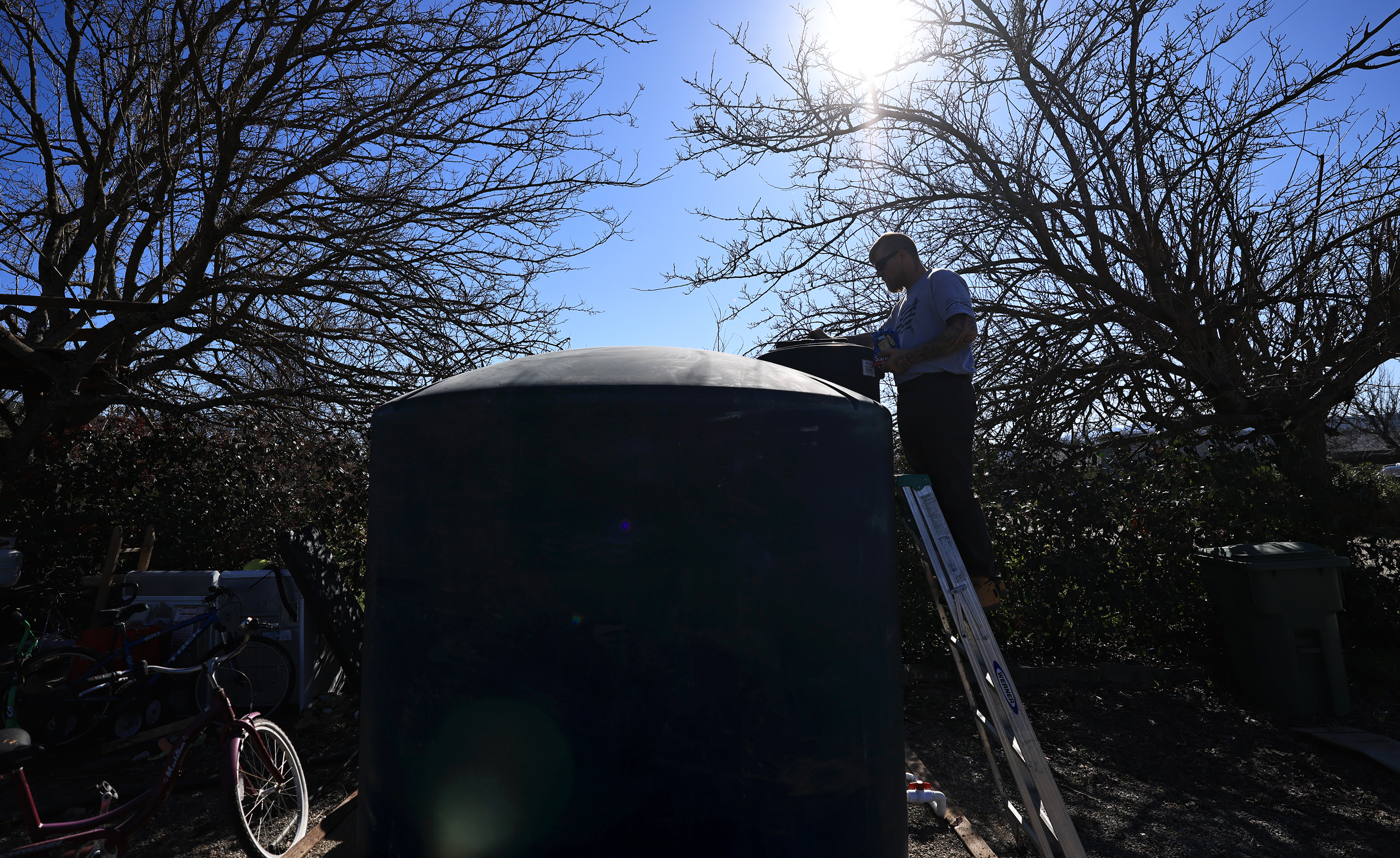
Joe Hulbert checks the water level in a county supplied water tank, Wednesday, Feb. 4, 2026, as part of mitigation efforts after Hulbert’s and other rural families were affected by a sewage which contaminated their drinking wells in Clearlake. (Kent Porter / The Press Democrat)
Show Caption
1 of 11
A County of Lake employee spreads agriculture lime on Robin Lane in Clearlake to help dry out the road which was submerged in sewage, Tuesday, Jan. 13, 2026. (Kent Porter / The Press Democrat)
In an effort to coordinate communication to confused residents, city and county officials established a joint incident command structure on Jan. 26 — more than two weeks after the spill. The team includes the county’s emergency services, sheriff’s and environmental health departments as well as the special districts.
In the days and weeks that followed, county water officials and the county’s social services department began installing temporary water tanks at the hardest-hit homes. Residents reported that installation often lagged behind need, however, with some still living without running water well into February.
Shawn and Lindsay Heape can attest to that.
Help for the couple living near Old Highway 53 — an area not initially designated as impacted — came more than a month after the spill. The Heapes initially got potable water from a neighbor, Steve George, 64, who lives up the road and shared what he could from a water tank he purchased.
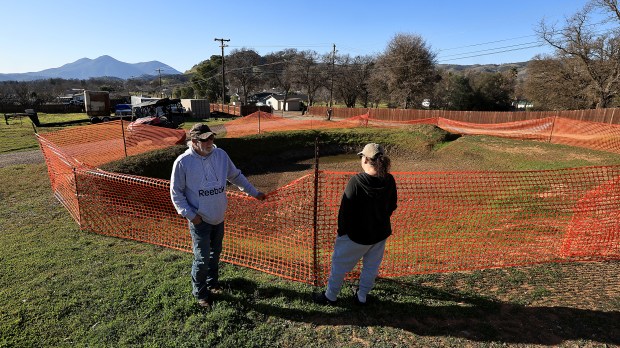 Steve George and friend Lindsay Heape, both in the Clearlake sewage spill zone, discuss the ongoing water issues, Wednesday, Feb. 4, 2026. (Kent Porter / The Press Democrat)
George, who is undergoing cancer treatment, said the strain of the spill exacerbated an already exhausting routine. The spill caused him to miss multiple oncology appointments as he sat on his front porch waiting for county officials he said never came.
“Sewage came right up through the ground,” George said, pointing to the uneven texture of his yard where wastewater pooled, then resurfaced on its own days later. A pond on the property — once filled by rain and visited by ducks — was eventually drained by the county after nine days, long after concerns were raised about contamination.
The Heapes received their temporary water tank from the county on Feb. 17, 37 days after the spill and 18 days after their home was formally included in the impacted area map.
Communication breakdown
Residents say communication and outreach efforts, which were centered around town hall meetings and online announcements — typically without Spanish translation — could be one of the reasons why water tank installation efforts lagged.
After the Lake County Board of Supervisors approved spending $750,000 to purchase 60 2,500-gallon water tanks, impacted residents learned about the tanks during a Jan. 28 town hall meeting where they were told by officials tanks would be installed based on need.
The tanks were only available through an online application, however.
As of Feb. 24, 50 tanks have been installed — a number that has remained unchanged since Feb. 17.
When the task force announced — also at a town hall meeting on Feb. 4 — that ultraviolet kits would be available for residents by the end of February, the announcement was made in English only, without Spanish interpretation to reach the three Spanish-speaking households affected by the spill. The kits, like the tanks, were available on a first-come, first-served basis and required an online registration.
Some residents expressed concern this method put older residents — especially those who lack reliable internet access or transportation to attend public meetings — at a disadvantage. About 25% of residents in the impacted spill zone who had contacted Lake County Social Services for assistance following the spill self-identified as elderly or disabled, according to Lake County Social Services Director Rachael Dillman Parsons.
Cassandra Hulbert, a Robin Lane resident affected by the spill, has emerged as an informal leader, filling in communication gaps for her neighbors by checking on older residents, running a Facebook page and speaking at public meetings. She and many of her neighbors went door-to-door during the first week of the spill to tell people not to use the water coming from their taps. Many of them, she said, had not heard about the spill at all.
 Joe Hulbert checks the water level in a county supplied water tank, Wednesday, Feb. 4, 2026, as part of mitigation efforts after Hulbert’s and other rural families were affected by a sewage which contaminated their drinking wells in Clearlake. (Kent Porter / The Press Democrat)
“When I started … talking with these elderly people, I was like, ‘Oh, some people really can’t speak up, or they don’t know how,’” she said. “I didn’t want that to slip past. It was really important to me that people get the help that they needed.”
For Cassandra and Joe Hulbert, the spill upended not just their household but their sense of security. They spent weeks moving between hotels and an Airbnb with their children, both of whom are autistic, before returning to the home they purchased in 2024.
“So much of the burden has been placed on us residents,” Cassandra Hulbert said.
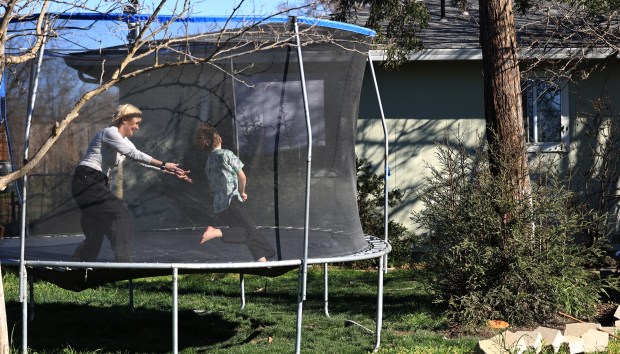 Cassandra Hulbert and son Jasper use their time together for exercise and bonding, Wednesday, Feb. 4, 2026, in Clearlake. (Kent Porter / The Press Democrat)
The long haul
But county officials say the Robin Lane spill is particularly challenging. The unusually shallow aquifer and system of wells in the area allowed sewage from the broken force main pipeline to reach the groundwater system more quickly than in areas with deeper wells and aquifers, said Angela Dodd, a hydrologist with Northpoint Consulting who was contracted by the county to assess the spill’s impact on the area’s drinking water. As a result, once contaminants entered the aquifer and wells, cleanup became significantly more complex.
County officials have advised residents not to use their wells until testing produces two clean tests from separate dates. As the spill pushes on into its second month, residents’ wells are still testing positive.
Cleanup has also been hampered by financial constraints, as the cost of the spill has been draining for residents and county coffers alike.
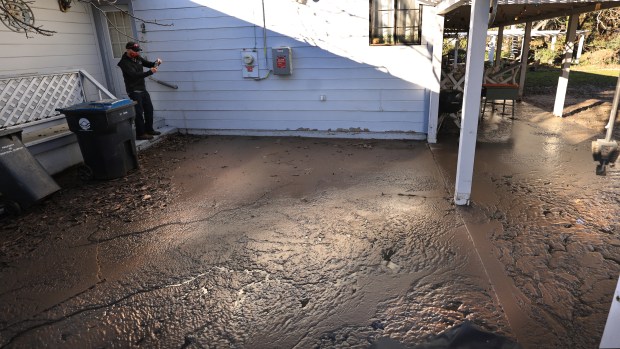 Mike Holland documents the amount of mud and sewage which rushed in to a neighbors yard in the Burns Valley neighborhood of Clearlake on Robin Lane, Tuesday, Jan. 13, 2026. (Kent Porter / The Press Democrat)
Within the first 10 days, the special districts spent $1.1 million responding to the rupture, which covered cleanup, utility repairs, well sampling and water supplies for residents and animals in the spill zone.
“We are out of money,” Special Districts Administrator Robin Borre told the Board of Supervisors at a Jan. 21 meeting. “This could be a two-week thing. It could be a two-month thing. We don’t know how long it’s going to go on.”
At the same meeting, the board allocated $750,000 in disaster assistance funding to the response and an additional $1 million on Feb. 10.
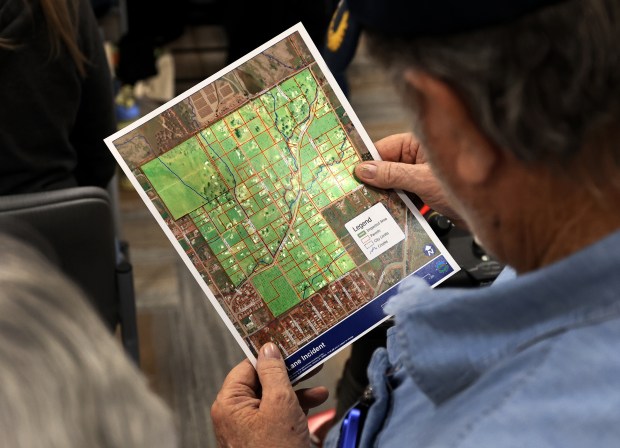 A map, supplied to those attending a town hall meeting in Clearlake, Wednesday, Jan. 21, 2026, highlights the affected area of a sewage spill in last week. (Kent Porter / The Press Democrat)
County leaders have been in contact with the Governor’s Office of Emergency Services and its legislative delegation to seek reimbursement for the strained special districts. If state reimbursement does not come through, the county “will review other options,” Chief Deputy County Administrative Officer Matthew Rothstein told The Press Democrat.
Those options could include requiring the special districts, which is funded primarily through customers’ rates, to repay the county, according to the Feb. 10 county supervisors’ agenda.
Fading hope
For residents already hauling water and paying for repairs to their homes without a clear reimbursement promise from the county, the potential for higher wastewater rates adds a layer of familiar strain.
Lake County has endured repeated catastrophes in the past decade. Since 2015, more than 70% of the county has burned in wildfires.
The 2015 Valley Fire destroyed nearly 2,000 structures and claimed four lives, prompting a federal declaration that unlocked millions of dollars from the Federal Emergency Management Agency. Three years later, the Ranch Fire — part of the Mendocino Complex Fire — burned more than 410,000 acres across Lake and Mendocino counties, triggering federal aid yet again.
In both those disasters, federal emergency aid helped shoulder much of the financial burden for cleanup and rebuilding.
This spill is different.
Because it stemmed from a sewer infrastructure failure, rather than a natural disaster, the spill does not automatically qualify for the same type of federal aid.
“We’ve been through countless fires in Lake County,” Cassandra Hilbert said. “We’ve had friends that have lost homes and we’ve been through some terrible things, but we’ve never even thought about dealing with something like this on this grand of a scale. It’s just unreal.”
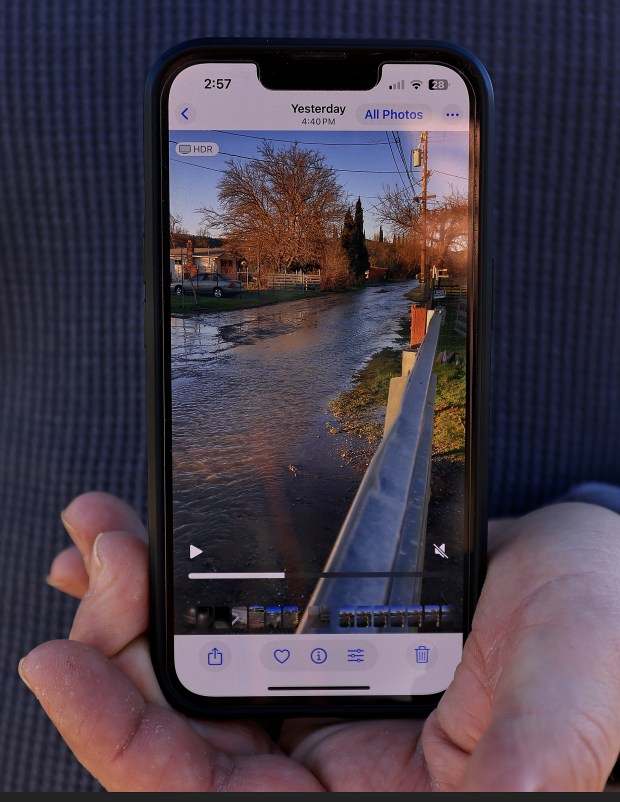 Joe Hulbert displays a photograph of sewage water, Tuesday, Jan. 13, 2026, cascading down Robin Lane, late Sunday in Clearlake, Tuesday, Jan. 13, 2026. (Kent Porter / The Press Democrat)
And yet — for Clearlake residents, this is home.
Standing in his yard as trucks rumbled past, George gestured toward Clear Lake and the hills beyond, where the pink and orange glow from sunsets reflects on the water. He talked about fireworks over the lake and the quiet beauty that drew him there.
For now, life continues measured in gallons, minutes and trips up the road — an emergency that hasn’t ended, only settled into a grueling routine.
You can reach Staff Writer Anna Armstrong at anna.armstrong@pressdemocrat.com. On X (Twitter) @annavarmstrongg.
You can reach Staff Writer Isabel Beer at isabel.beer@pressdemocrat.com.