
Home » Morocco News » Spain Powers Morocco Tourism Boom: Record-Breaking Arrivals, Expanding Infrastructure and a Bold Vision 2030 Strategy Unfold
Published on
March 1, 2026
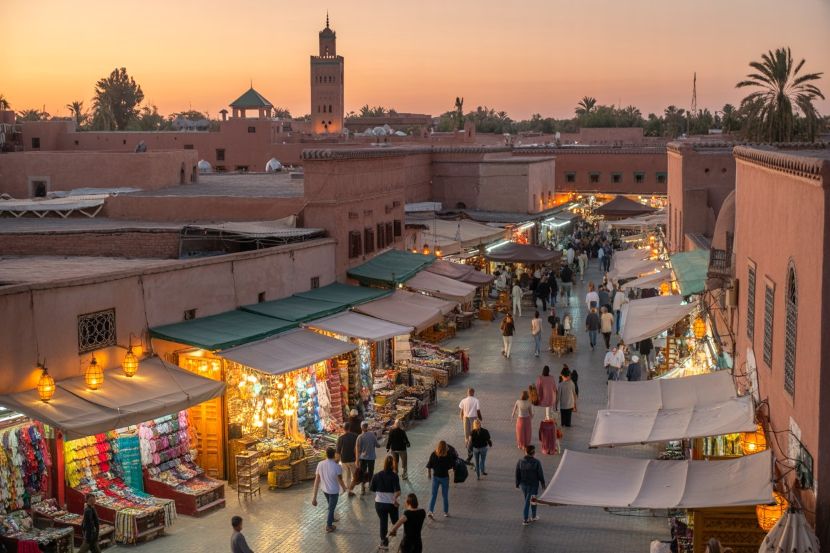
Image generated with Ai
Morocco is witnessing one of the most remarkable tourism surges in its modern history. The country’s travel sector is expanding at impressive speed, and Spain has emerged as a powerful driver of this upward trend. As Morocco moves steadily towards its Vision 2030 tourism targets, the numbers tell a story of confidence, connectivity, and growing global appeal.
For international travellers, this is not just news. It is an opportunity.
Spain Emerges as a Key Source Market
Spain’s geographical closeness to Morocco has always made travel between the two nations easy. Now, that proximity is translating into record visitor growth. Short flight durations and fast ferry connections across the Strait of Gibraltar make Morocco one of the most accessible non-European destinations for Spanish tourists.
Travellers from Madrid, Barcelona, Seville, and southern Spanish regions are increasingly choosing Moroccan cities for short breaks and cultural escapes. Tangier, Marrakech, and Casablanca are among the most popular gateways. Weekend travel has become common, and tourism operators report strong demand for city tours, culinary experiences, and desert excursions.
This surge from Spain is reshaping Morocco’s visitor landscape. While traditional European markets remain important, Spain’s rapid growth signals a broader diversification of inbound travel.
Record Visitor Numbers Reflect Growing Confidence
Morocco has welcomed close to 18 million international visitors in the past year, marking one of the strongest performances in its tourism history. Revenue from tourism has also reached record levels, reinforcing the sector’s role as a major pillar of the national economy.
Advertisement
Advertisement
The tourism industry contributes significantly to employment, foreign exchange earnings, and regional development. Hotels, guesthouses, tour operators, restaurants, transport providers, and artisans are all benefiting from the steady rise in visitor spending.
For travellers, these numbers mean expanded services and improved infrastructure. Increased competition among hotels has enhanced quality standards. New tour products are being launched. Cultural festivals and curated experiences are drawing wider international attention.
Advertisement
Advertisement
Morocco is no longer just an exotic getaway. It is now positioned as a leading global travel destination.
Vision 2030: A Structured Growth Plan
The current tourism boom is not accidental. It is the result of strategic national planning. Morocco’s Vision 2030 framework places tourism at the centre of economic growth and international positioning.
The roadmap aims to attract 26 million visitors annually by the end of the decade. To achieve this, the government is focusing on several key pillars: destination diversification, improved visitor experiences, sustainability, and investment in tourism infrastructure.
Rather than concentrating tourism in a few major cities, Morocco is promoting regional destinations. Coastal towns, mountain villages, desert regions, and cultural heritage sites are receiving greater attention. This balanced development model spreads economic benefits more evenly and reduces pressure on established hotspots.
The strategy also emphasises authenticity. Traditional crafts, local gastronomy, music, and heritage are integrated into tourism experiences. Visitors are encouraged to engage with communities, not just observe them.
Infrastructure Expansion Supports Travel Demand
To sustain this rapid growth, Morocco is investing heavily in infrastructure. Airports in major cities are being expanded to handle higher passenger volumes. Additional international routes are being introduced, increasing direct connectivity with Europe, the Middle East, Africa, and North America.
Rail networks are also improving. Faster intercity connections allow travellers to explore multiple destinations within a single trip. This supports the rising popularity of multi-city itineraries, where visitors combine urban exploration with desert adventures or coastal relaxation.
Road upgrades further enhance accessibility to rural and emerging destinations. These improvements are vital in ensuring that tourism growth remains smooth and sustainable.
For global travellers, easier mobility means more freedom to explore Morocco’s diversity.
A Destination for Every Type of Traveller
What makes Morocco’s tourism surge particularly compelling is its variety. The country offers experiences suited to almost every travel style.
Cultural explorers can wander through ancient medinas and historic landmarks. Adventure seekers can trek in the Atlas Mountains or ride camels across the Sahara. Beach lovers can relax along Atlantic coastlines. Food enthusiasts can sample fragrant tagines and sweet mint tea in bustling markets.
The blend of African, Arab, and European influences creates a unique atmosphere. Cities feel vibrant and alive. Landscapes shift dramatically from desert dunes to green valleys and coastal cliffs.
Safety improvements and tourism-friendly policies have further boosted traveller confidence. Hospitality remains deeply rooted in Moroccan culture, creating welcoming experiences for international guests.
The Travel Outlook
As Morocco advances towards its Vision 2030 goals, the tourism boom shows no signs of slowing. Strong performance from Spain signals how strategic partnerships and regional connectivity can accelerate growth. Continued investment in infrastructure and diversified offerings ensures long-term sustainability.
For global travellers, the message is clear. Morocco is entering a golden era of tourism. Increased accessibility, rich cultural experiences, and expanding infrastructure make this the perfect time to visit.
The numbers reflect growth. The strategy reflects ambition. And the experience reflects something timeless.
Morocco is not just growing. It is transforming into one of the world’s most dynamic travel destinations.
