
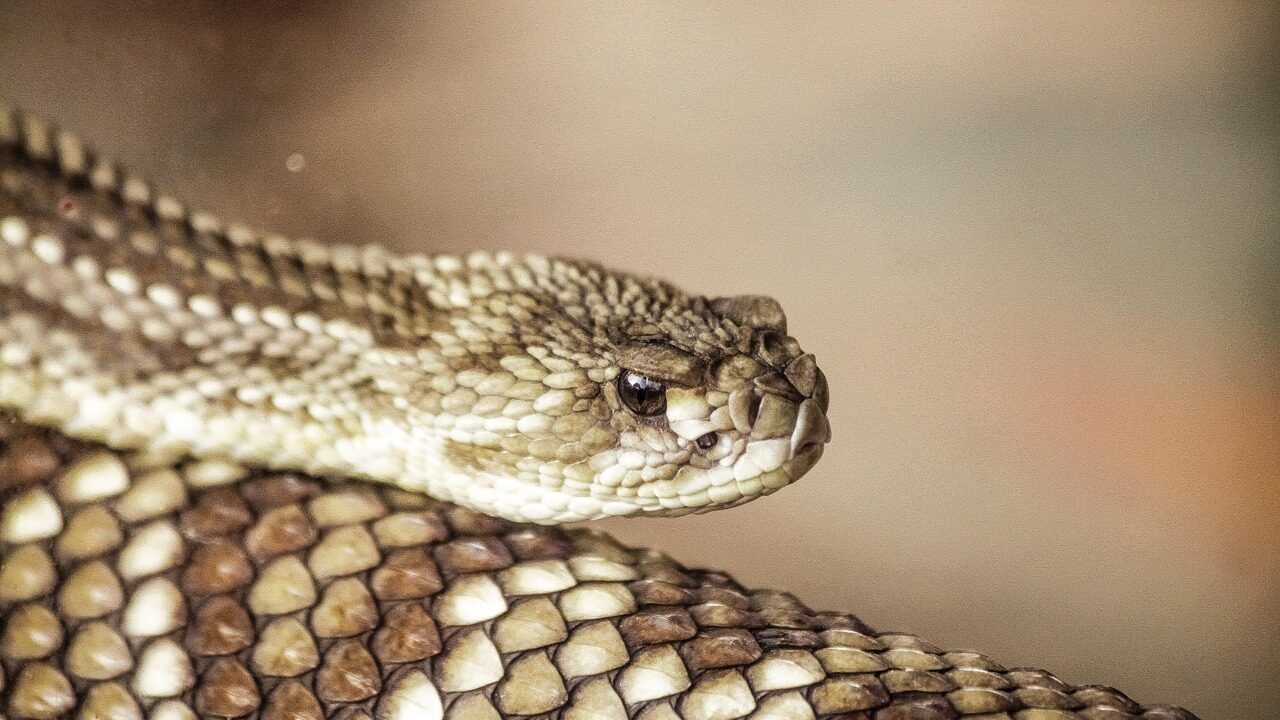
PHOENIX — Arizona wildlife officials are urging people to stay alert for potential rattlesnake encounters as temperatures begin to rise throughout the state.
Rattlesnakes are most active from March to October, and Arizona is home to 13 different types of rattlesnakes, according to the Arizona Game and Fish Department (AZGFD).
Among the 13 types, these include the Western diamondback, sidewinder, Mojave and black-tailed rattlesnakes.
AZGFD says it’s most common to see the snakes during the day, and that they tend to move around more at night, especially during the spring.
What to do if you encounter rattlesnakes?
AZGFD urges people to watch their surroundings if encountering a rattlesnake at home. The department recommends keeping a flashlight around at night.
RELATED STORIES
Another useful tip is to clean yard debris and limit water near houses in order to avoid attracting the snakes that are looking for food or shelter.
If encountering a snake on a trail, AZGFD says to back away from the snake, give it space and continue on your path.
“If you see a rattlesnake on a trail, it may rattle its tail and coil because it is startled. These are defensive behaviors used to let you know it’s there. The best advice is to step back and let it move away. Rattlesnakes are not aggressive — most occurrences of rattlesnake bites occur when someone is trying to corner or capture a snake. If you leave it alone, it will leave you alone,” AZGFD amphibians and reptiles program manager Audrey Owens said.
If a person is bitten by a rattlesnake, AZGFD recommends the following steps to take:
Remain calm
Call 911 immediately
Remove all jewelry and accessories from the bitten area
Immobilize the bitten area
Limit movement
We want to hear from you.
Have a story idea or tip? Pass it along to the KTAR News team here.
