
The post The Invasive Fish Threatening the Everglades — and the New Tool That Can Stop Them appeared first on A-Z Animals.
Quick Take
University of Florida researchers developed a digital PCR eDNA test that can detect invasive Asian swamp eels and bullseye snakeheads within five minutes.
The tool allows wildlife managers to identify hidden populations before they spread widely through the Everglades.
Early detection is critical because both species prey on native wildlife and could expand further as Everglades restoration improves water flow.
In the slow-moving canals and shadowy marshes of the Florida Everglades live some of the most dangerous creatures. You probably think I’m referring to alligators or crocodiles. I’m not. Nor am I referring to the invasive Burmese python. Panthers? Bears? Black widows? No, no, and no. These animals are likely unknown to you. They don’t loudly announce themselves. They burrow. They hide. They wait.
The Asian swamp eel and the bullseye snakehead are two air-breathing fish that have quietly spread through South Florida’s waterways, preying on native wildlife and unsettling one of the most fragile ecosystems in the United States.
Now, scientists at the University of Florida have developed a breakthrough tool that can detect these secretive predators within minutes, without ever seeing them. Using cutting-edge environmental DNA technology, researchers can identify the presence of these invasive fish from a simple water sample. The goal is simple but urgent: find them fast and remove them before they do more damage.
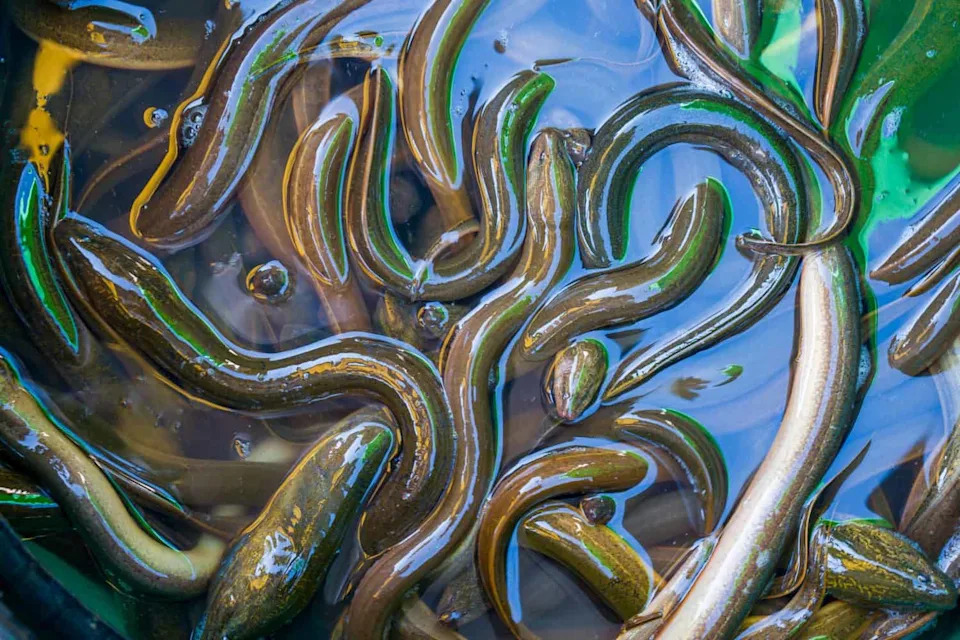
Asian swamp eels can breathe air and survive in low-oxygen water, allowing them to thrive in the warm, stagnant canals of the Everglades.
©Fajar Tri Amboro/Shutterstock.com
(Fajar Tri Amboro/Shutterstock.com)A Hidden Problem in America’s Largest Wetland
The Everglades is a vast river of grass stretching roughly 100 miles from Lake Okeechobee to Florida Bay. It supports endangered species, migratory birds, native fish, amphibians, reptiles, and countless invertebrates.
It’s also in the middle of one of the largest ecological restoration efforts in the country. That makes invasive species especially concerning.
The Asian swamp eel is native to East and Southeast Asia. It was first documented in the United States in the 1990s and observed in the southern Everglades by 2007, almost certainly as the result of human introduction, whether intentional or accidental. Since then, it’s spread across parts of South Florida.
The eel is nocturnal and spends much of the day burrowed into mud at the bottom of canals and wetlands. It can breathe air and survive in low-oxygen water, giving it an advantage in warm, stagnant habitats.
In parts of the Everglades, researchers have documented declines in crustaceans and amphibians where swamp eels are established. They prey on small aquatic animals and compete with native fish for food. Because they’re so difficult to spot, their impacts can build quietly over time.
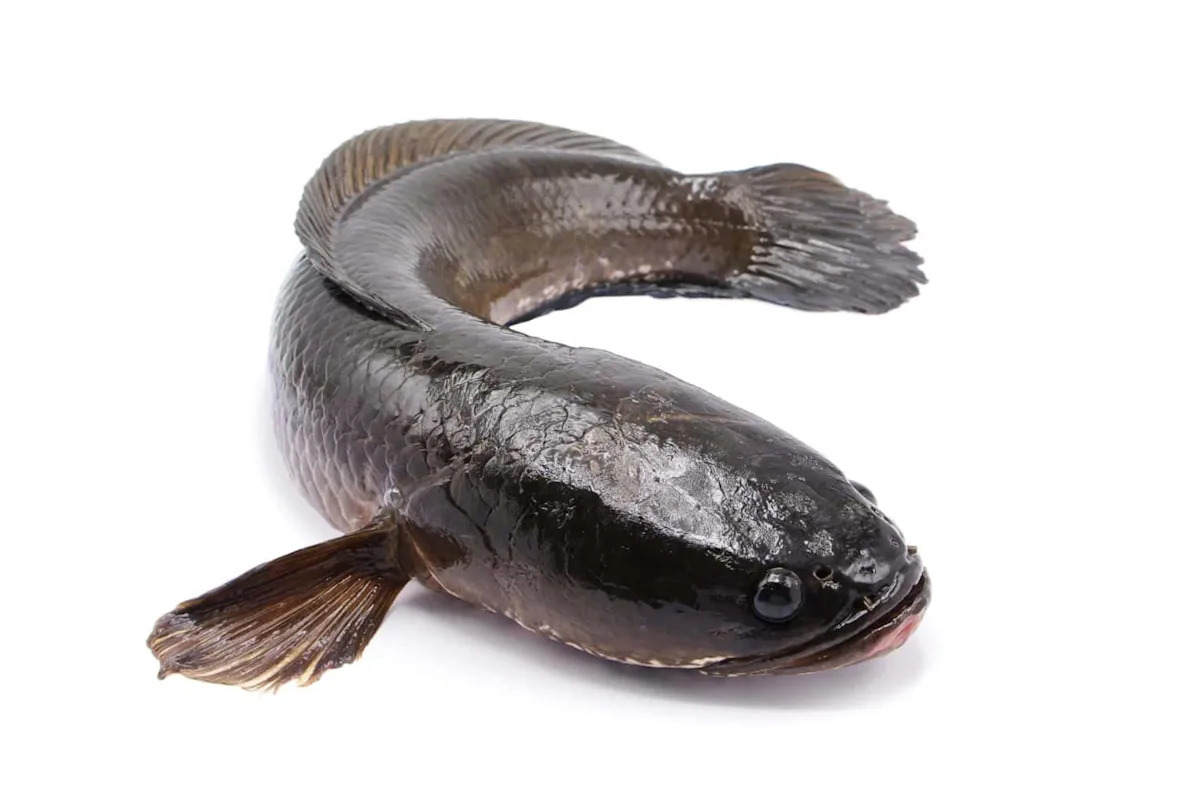
The bullseye snakehead presents a similar threat. First documented in Florida in 2000, this large, carnivorous fish can grow several feet long. Like the swamp eel, it can breathe air and tolerate poor water conditions. It also has the ability to move short distances over land, wriggling between connected waterways during wet conditions.
Snakeheads are aggressive predators. In invaded waters, they consume fish, crustaceans, and other aquatic animals, potentially altering entire food webs. In ecosystems like the Everglades, where species are already stressed by habitat changes and water management challenges, another top predator can tip the balance.
Why Traditional Detection Isn’t Enough
Wildlife managers have long relied on methods like netting and electrofishing to detect and remove invasive fish. Electrofishing uses a mild electric current to temporarily stun fish so they can be collected. It’s effective in many situations, but it has limits.
Asian swamp eels are primarily active at night and often remain buried during the day. That makes daytime sampling less effective. If you can’t find them, you can’t remove them.
Field crews also require boats, specialized equipment, and trained personnel. Covering the vast maze of canals and wetlands in the Everglades takes time and money. By the time an invasive fish population is detected through traditional surveys, it may already be well established.
It’s within that lag between arrival and detection that ecosystems often suffer the most damage.
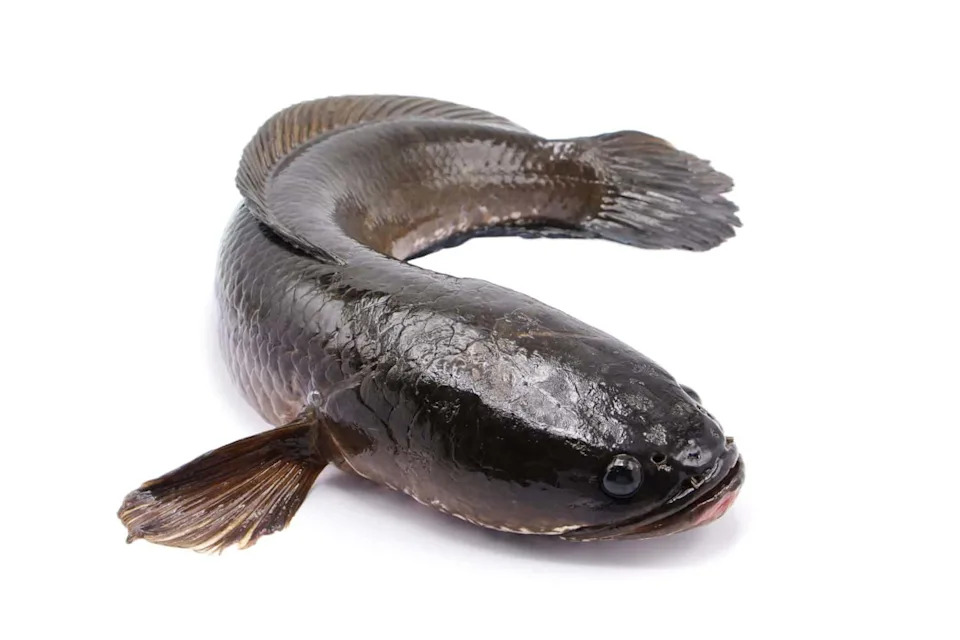
Bullseye snakeheads are large, air-breathing predators native to Asia that can survive in low-oxygen water and even wriggle short distances over land.
©NUM LPPHOTO/Shutterstock.com
(NUM LPPHOTO/Shutterstock.com)The Power of Environmental DNA
Enter environmental DNA, or eDNA.
All animals shed tiny bits of genetic material into their surroundings. Fish release skin cells, mucus, waste, and other biological traces into the water they swim through. Those microscopic fragments of DNA can linger long enough to be detected, even after the animal has moved on.
Researchers at UF/IFAS developed a digital PCR test that can detect these minute traces with remarkable precision. PCR stands for polymerase chain reaction, a laboratory technique that copies small amounts of DNA so they can be measured and identified. Digital PCR takes that a step further, allowing scientists to count extremely small quantities of genetic material with high sensitivity.
In controlled experiments, scientists detected bullseye snakehead DNA within five minutes of placing a fish in water. Just as important, field tests in canals where snakeheads had been observed confirmed that the test accurately identified the target species without cross-detecting other common fish or wildlife. In other words, not only is it sensitive, it’s also specific.
More good news, the test can actually screen for both Asian swamp eel and bullseye snakehead from a single water sample, which makes it a cost-effective complement to traditional survey methods.
Instead of searching blindly through miles of murky water, wildlife managers can first test samples from strategic locations. If the genetic signal is present, crews can move in quickly for targeted removal.
Speed Matters
When it comes to invasive species, timing is everything.
Early detection dramatically increases the chances of successful eradication. Once a species spreads widely through interconnected waterways, removal becomes far more difficult and expensive. In some cases, it becomes nearly impossible.
The Everglades restoration effort adds another layer of urgency. Restoration aims to improve water flow and reconnect habitats. That’s good news for native species, but it can also create new pathways for invasive fish to spread.
Scientists have raised concerns that as water conditions improve, invasive species that tolerate a wide range of environments could expand even more rapidly. If swamp eels or snakeheads gain a stronger foothold, they could benefit from the same improved habitat conditions intended to help native wildlife.
Rapid eDNA detection offers a way to stay one step ahead. By identifying invaders early, managers can respond before populations explode.
What’s at Stake for Native Wildlife
The impacts of invasive fish aren’t always dramatic at first. You won’t necessarily see floating carcasses or empty waters overnight. Instead, the changes slowly ripple outward.
Swamp eels prey on small fish, frogs, and crustaceans. If amphibian populations decline, that affects birds and reptiles that rely on them for food. Crustaceans help cycle nutrients and keep aquatic systems functioning. Remove enough of them, and water quality can shift.
Snakeheads, as large predators, can compete directly with native sportfish and other top predators. That competition can alter fish communities and affect recreational fisheries that support local economies.
The Everglades is already home to other invasive species, including large reptiles and exotic plants. Adding more aggressive aquatic predators increases stress on a system that’s still recovering from decades of drainage and development.
Invasive species are one of the leading causes of biodiversity loss worldwide. In a globally significant ecosystem like the Everglades, even modest shifts can have outsized consequences.
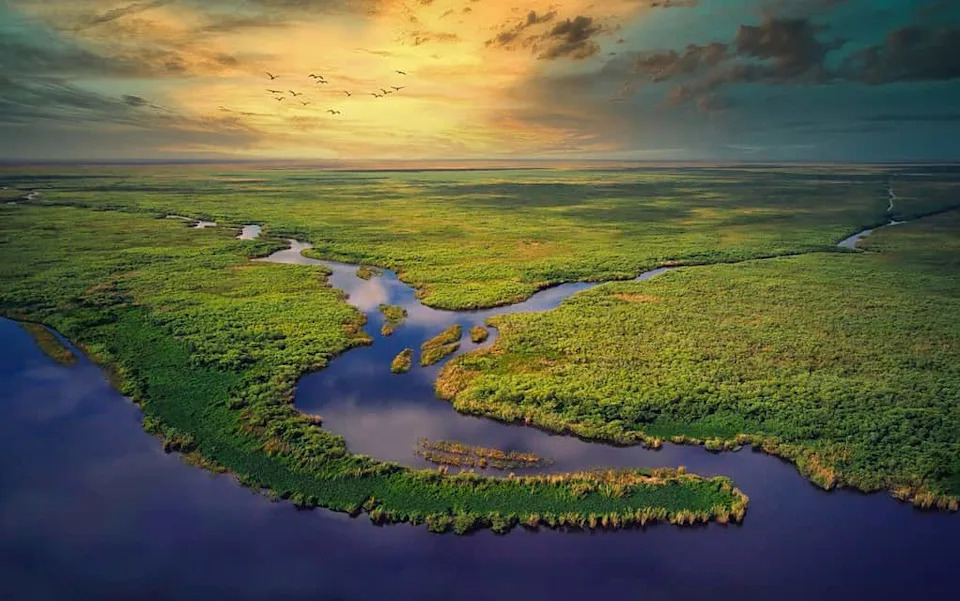
The Florida Everglades’ vast wetlands provide ideal habitat for native wildlife—and stealthy invasive fish.
©ocudrone/Shutterstock.com
(ocudrone/Shutterstock.com)The Public Still Plays a Role
Technology can do a lot, but it can’t sample every canal and marsh every day.
Public reporting remains critical. Florida operates the IveGot1 hotline and reporting system, which allows residents to report sightings of invasive wildlife. Anglers, boaters, and outdoor enthusiasts are often the first to spot unusual species.
Preventing new introductions is just as important as detecting existing populations. Many aquatic invasions begin with aquarium releases or unauthorized stocking. Refraining from releasing exotic species into local waterways is one of the simplest and most effective ways to protect native ecosystems.
A Model for Future Conservation
The development of rapid eDNA detection at the University of Florida could have massive effects on the way we manage invasive species. Instead of reacting after populations explode, managers can now monitor quietly and respond swiftly. In a place as complex and interconnected as the Everglades, that shift could make a meaningful difference.
Invasive fish like the Asian swamp eel and bullseye snakehead are resilient, adaptable, and hard to spot. But thanks to rapid eDNA detection, they’re no longer invisible. With just a small bottle of water and a powerful genetic test, scientists can now uncover their presence in minutes. In the fight to protect one of America’s most iconic wetlands, that kind of head start may be exactly what’s needed.
The post The Invasive Fish Threatening the Everglades — and the New Tool That Can Stop Them appeared first on A-Z Animals.