
What to know
The WNBA and its players have until March 10 to reach a new collective bargaining agreement (CBA) after 17 months of stalled negotiations
A lockout could be on the horizon if a new CBA isn’t reached between the two parties.
Players are pushing for significantly higher salaries, a larger salary cap, improved benefits and facilities, and a bigger share of league revenue, as the WNBA’s popularity has surged in recent years.
A lockout will disrupt the upcoming season and hurt expansion teams like the Toronto Tempo, though Tracy Tu from NOW Basketball believes both sides are motivated to avoid lost revenue and reach a new agreement.
The Women’s National Basketball Association (WNBA) and its players have until March 10 to reach a deal regarding the Collective Bargaining Agreement (CBA)
The two sides have been in a stalemate for 17 months and are quickly reaching the 11th hour. On Sunday, according to the Associated Press, the WNBA reportedly sent a new CBA that allows some of the league’s most famous players to earn a maximum salary quicker, but no agreement has been reached yet.
Players’ asks
The last CBA reached by both the WNBA and its players was back in 2020. In October 2024, the Women’s National Basketball Players Association (WNBPA) — the union representing all players — opted out of the CBA, restarting negotiations.
In the agreement reached six years ago, the highest salary a player could earn was US$249,000 USD and the highest first-year player (rookie) salary capped at $78,000. In comparison, the salary for the number one National Basketball Association (NBA) draft pick sits at over $13 million.
But since 2020, the WNBA has exploded in popularity. According to a news release from September 2024, during the year Caitlin Clark was drafted to the Indiana Fever, the league hit records for “the most watched WNBA regular season on ESPN platforms ever,” “single-game attendance record and highest total attendance in 22 years” and “all-time records for digital consumption and merchandise sales.”
Tracy Tu, co-founder of the Network of Women Basketball Association in Toronto, says the WNBA has grown significantly over the last few years, especially with the momentum created by Clark and 2025 number one draft pick Paige Bueckers.
“Players want to participate in the league with fairer pay and also more benefits, so that they can focus on practicing for games and their career. And also with the league itself, they’re looking for long term growth as well,” Tu says.
The WNBPA’s new proposed CBA asks for higher salaries across the board, a higher rookie contract, better team-provided housing, better pensions, trade protections for pregnant players, upgraded team practice facilities, and a higher salary cap (the total salaries paid to all players on a single team). The salary cap reached in 2020 sits at $1.5 million and players are asking for it to be raised to $9.5 million.
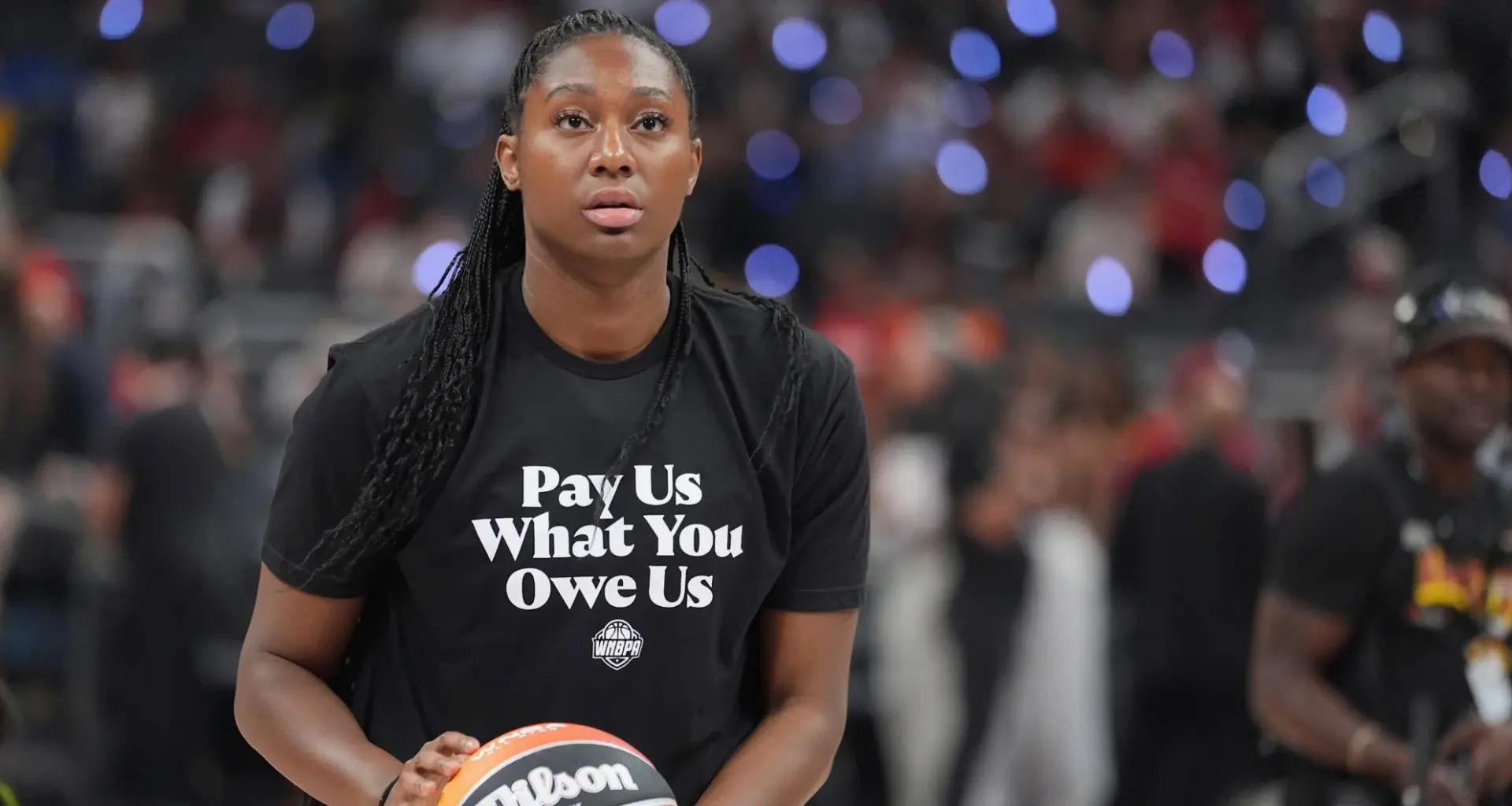
However, the biggest sore spot in the CBA negotiations is revenue sharing. Under the 2020 CBA, players have received less than 10 per cent of revenue. During the 2025 All-Star Game practices, players wore “Pay Us What You Owe Us” t-shirts, spearheaded by Minnesota Lynx’s Napheesa Collier. NBA players, for comparison, receive roughly 51 per cent of revenue shares.
The WNBPA is pushing for 25 per cent of gross revenue— a decrease from their original ask of 31 per cent. The league side, which includes contentious WNBA commissioner Cathy Engelbert, has held firm with an offer of 70 per cent of net revenue, which equals to less than 15 per cent of gross revenue.
According to Sunday’s reported CBA, the salary cap in the first year would be $5.75 million and would grow to $8.5 million by the deal’s sixth year.
What if a deal isn’t reached?
If a deal isn’t reached by March 10, then a lockout is more than likely, which is especially devastating for expansion team the Toronto Tempo.
In basketball, a lockout is the opposite of a strike. Teams can’t function without an active CBA and will therefore close operations to players until a new CBA is put in place.
Tu says a lockout would be huge, because there has never been one in the league’s 30 years. She says a lockout would mean players have no games to play as the European League and other international leagues seasons have ended.
“Players are looking to all fly back to the United States and start practising and get prepared for the new season,” Tu explains. “If there’s a lockout, it will definitely slow down the momentum, especially for expansion teams like Toronto Tempo. They just finished hiring the manager and the head coach, and they’re trying to build a roster as quickly as possible.”
Tu explains there’s still a lot to get done between now and the first game on May 8. There’s the draft on April 13 and a period of free agency for players.
“There are only two months until the first game. So if a lockout happens, it will compress the preparation timeline. It affects the roster, the [team] building, free agency, and the expansion draft,” she explains.
If there isn’t a successful inaugural season for the Toronto Tempo, then they may lose more than just momentum. Tu says the team just confirmed CIBC as a new sponsor, and it may pull out due to a lack of trust.
Toronto Tempo fans may also lose excitement if there’s no season to be excited for.
“I remember when the WNBA first announced expansion teams like the Toronto Tempo two years ago. We were so excited to see the team playing in our own city. So if that gets pushed or delayed, fans will be disappointed, and then it definitely will affect both the league and the players.”
Realistically, will there be a lockout?
Tu says that, realistically, the WNBA wants to avoid a lockout because any in-season time not played is lost revenue.
“I believe they’ll somewhat come to a deal between both parties, because players want to play and the league wants players to play the games as well so they don’t lose revenue. The team’s owners want players to play. Sponsors that invest money want things to go right,” she explains.
But, whatever deal the WNBPA and the league reach will only be temporary. Tu says it will take years for both sides to reach a “perfect” agreement.
“It may take years to come to an ultimate goal, to reach better and better agreements. It just reminds me of the previous U.S. women’s national soccer team. They strived for equal pay.”
“Players deserve to be fairly paid so they can focus on their games and play better.”