

WANA (Mar 07) – Sustaining a prolonged war with Iran could quickly become a serious challenge for the United States due to heavy economic costs, limited public support, domestic political pressure, and complex battlefield dynamics.
The debate over America’s ability to engage in a long-term war with Iran is not purely a military question. It involves a combination of economic capacity, political considerations, public opinion, and logistical costs. Data and reports from U.S. media outlets suggest that such a conflict could rapidly evolve into a political and economic crisis for Washington.
The first decisive factor is the financial cost of war. According to a report by the Wall Street Journal, the United States spent approximately $11 billion in just the first four days of military operations against Iran. A significant portion of these costs was allocated to defensive systems; the Pentagon reportedly spent about $5.7 billion on interceptor missiles to counter Iranian missiles and drones.
This cost ratio—using multi-million-dollar interceptor missiles to neutralise relatively inexpensive drones—illustrates how economic pressure could escalate rapidly in a war of attrition.
The second factor is public opinion within the United States. Polling data show that only about 18 percent of American voters say they would continue to support military operations even if the conflict caused gasoline prices to rise.
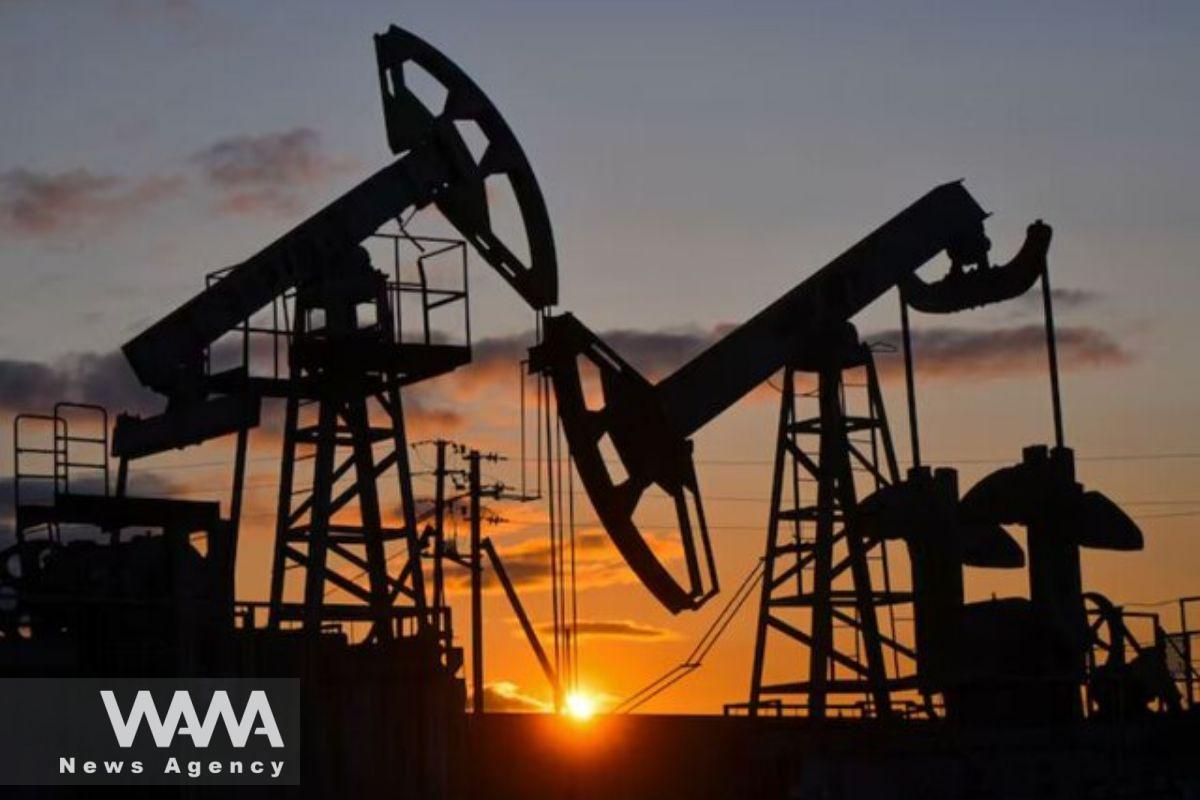 Global Oil Prices Surpass $90 per Barrel
WANA (Mar 06) – Global oil prices have continued their sharp upward trajectory following the U.S. attack and the closure of the Strait of Hormuz, surpassing $90 per barrel today. Brent crude crossed the $90 mark just five days after global markets reopened following the disruption in the strategic waterway, marking a 33 percent […]
Such a low level of support suggests that American society may not be prepared to endure a prolonged and costly war. The experiences of the Iraq and Afghanistan wars also demonstrate that as casualties rise and conflicts drag on, public backing tends to decline quickly.
In this context, a CNN report highlights concerns among U.S. government advisers that a war with Iran could turn into a “political nightmare.” According to the report, disagreements exist even within the administration over the ultimate objectives of the war and the rationale for initiating it. Such contradictory messaging often signals the absence of a clear long-term strategy for sustaining a major conflict.
Another important factor is the economic impact of war on the daily lives of Americans. Rising energy prices—particularly gasoline—could quickly become a political crisis in the United States.
In many election cycles, fuel prices have been one of the key indicators by which voters judge government performance. As a result, even political allies of the administration could pressure the government to announce a rapid exit if a conflict begins.
From a military perspective, war with a country like Iran could also prove complex and costly. In recent years, Iran has focused on developing asymmetric capabilities, including suicide drones, ballistic missiles, and multilayered air defense networks.
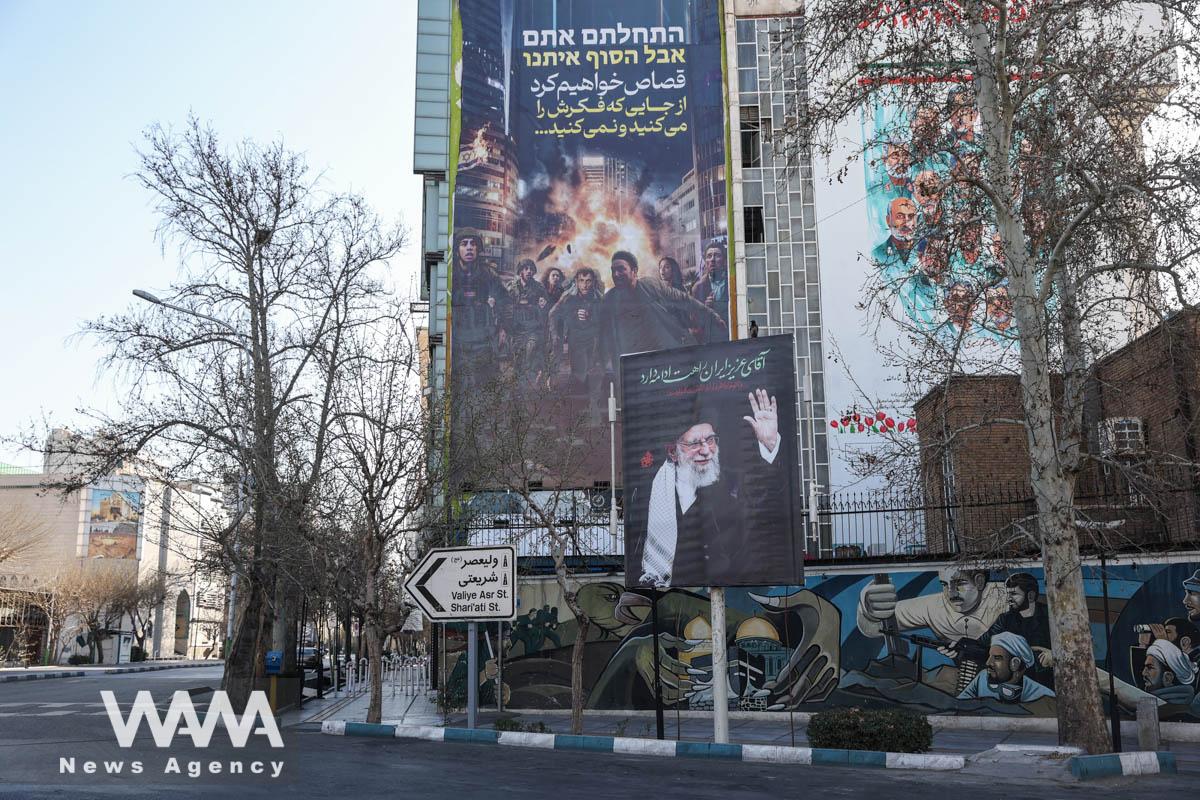
A sign in tribute to Iran’s late Supreme Leader Ayatollah Ali Khamenei is displayed on a street, after he was killed in Israeli and U.S. strikes on Saturday, in Tehran, Iran, March 4, 2026. Majid Asgaripour/WANA (West Asia News Agency)
The ability of relatively inexpensive drones to penetrate advanced defense systems indicates that even major military powers face serious challenges in fully countering such threats.
Under these circumstances, a prolonged war of attrition could quickly place financial and military strain on the United States and its allies.
Security and strategic analyst Mohammad Al-Samadi has argued that statements suggesting the United States has enough reserves to “fight indefinitely” reflect arrogance and excessive self-confidence. According to him, the chairman of the U.S. Joint Chiefs of Staff has acknowledged that forces face shortages, particularly in precision-guided munitions.
Taken together, these factors suggest that the issue extends beyond military power alone. Even if the United States possesses significant military capabilities, sustaining a long war with Iran—given the heavy economic costs, limited public support, domestic political pressures, and operational complexities—could quickly become a major challenge for the U.S. government.
For this reason, many analysts believe that Washington’s primary objective would likely be short-term crisis management rather than entering a prolonged war of attrition.