
ⓘ Vivo
Vivo has now also revealed the specs for the Vivo X300 Ultra’s third camera.
Following Vivo’s confirmation of the specs for two camera sensors in the Vivo X300 Ultra, details on the third camera were unveiled on 9 March, which continues to be a standout feature in the current smartphone market. Interestingly, although the improvements are less substantial than expected, this camera still appears to feature an intriguing upgrade.
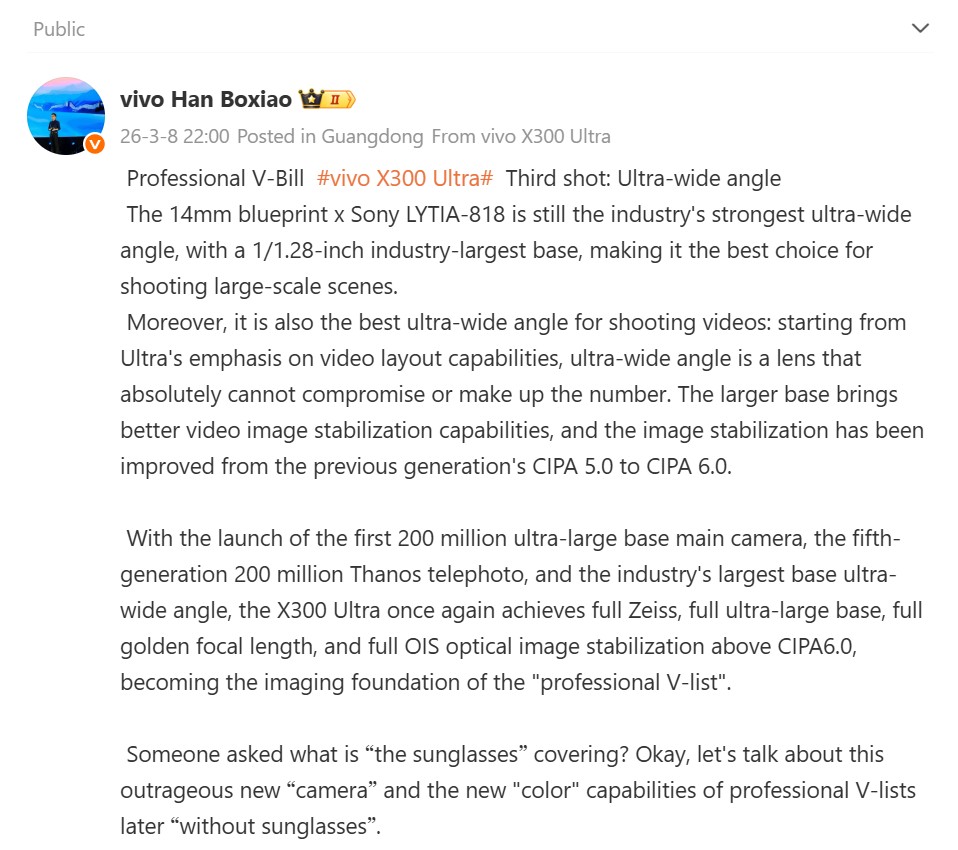
After Vivo product manager Han Boxiao provided an in-depth look at the strengths of the 35mm main camera and the improved 200MP telephoto lens, the ultrawide camera is now in the spotlight. In a recent Weibo post, it was revealed that the 14mm ultrawide lens will receive surprisingly few specification changes compared with its still-unmatched predecessor in the X200 Ultra. Many had expected Vivo to adopt the Sony LYT-828 sensor, used in the Vivo X300 Pro’s main camera. Instead, the company is retaining the Sony LYT-818 for this generation’s Ultra model. Whilst the two sensors share the same 1/1.28-inch size, it’s naturally disappointing that the 2026 Ultra model won’t benefit from the LYT-828’s improved dynamic range.
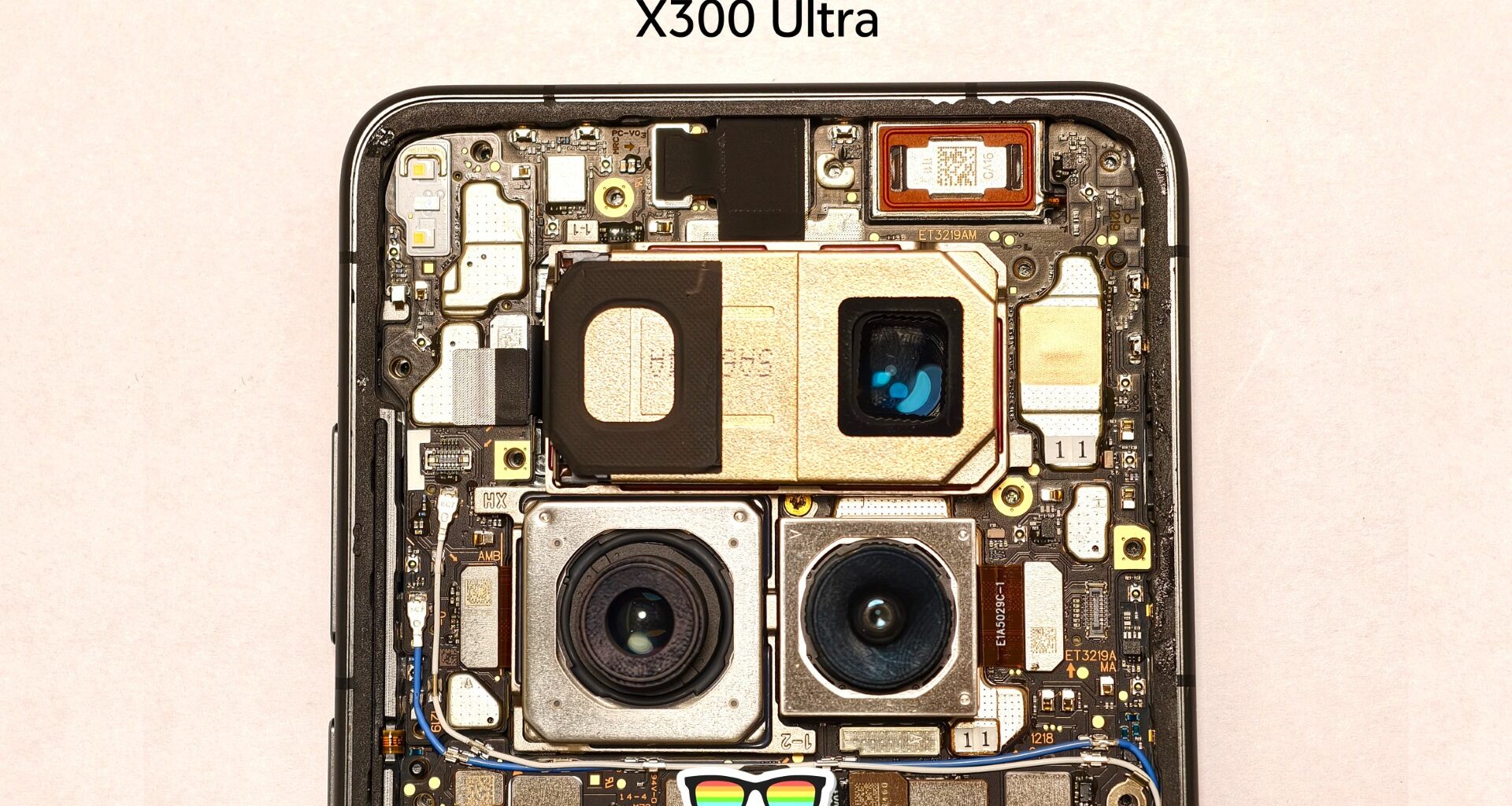
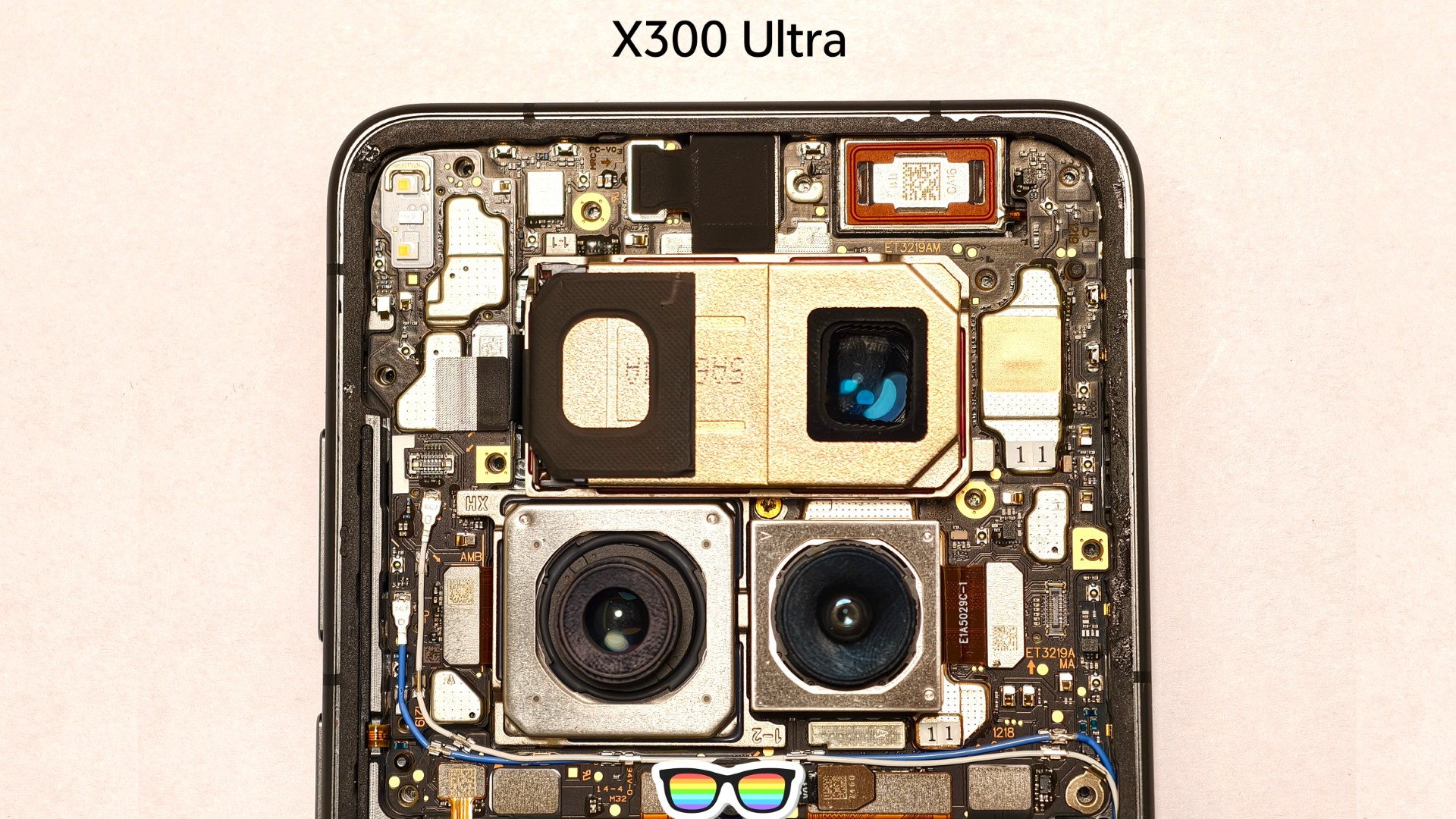
That said, Han Boxiao did hint at other upgrades to the ultrawide camera. For example, the CIPA level has been raised from 5.0 to 6.0 as part of a renewed focus on delivering better video quality for the Vivo X300 Ultra. Though this may not be as impressive as the telephoto lens’ CIPA 7.0, the Vivo X300 Ultra remains unrivalled in wide-angle photography thanks to its optical image stabilisation and the largest ultrawide sensor in any smartphone – even without a sensor upgrade. The internal view shared by Vivo also appears to harbour a hidden detail, not redacted with a black box but rather obscured with a pair of colourful sunglasses, possibly hinting at a new multispectral sensor. This detail will likely be revealed on 10 March.

As a young tech enthusiast with a history involving assembling and overclocking projects, I ended up working as a projectionist with good old 35-mm films before I entered the computer world at a professional level. I assisted customers at an Austrian IT service provider called Iphos IT Solutions for seven years, working as a Windows client and server administrator as well as a project manager. As a freelancer who travels a lot, I have been able to write for Notebookcheck from all corners of the world since 2016. My articles cover brand-new mobile technologies in smartphones, laptops, and gadgets of all kinds.
 Translator: Zhiwei Zhuang – Translator – 594 articles published on Notebookcheck since 2022
After graduating with a bachelor’s degree in environmental engineering, I moved from Singapore to
Cologne in 2014 and began pursuing a career as a freelance translator. Much of my translation work
focuses on science, engineering and technology. My fascination with computers and mobile
electronics began when I was young. And I have fond memories reading countless tech and gaming
magazines. Working with Notebookcheck gives me the opportunity to incorporate my personal
interests into my professional work.