
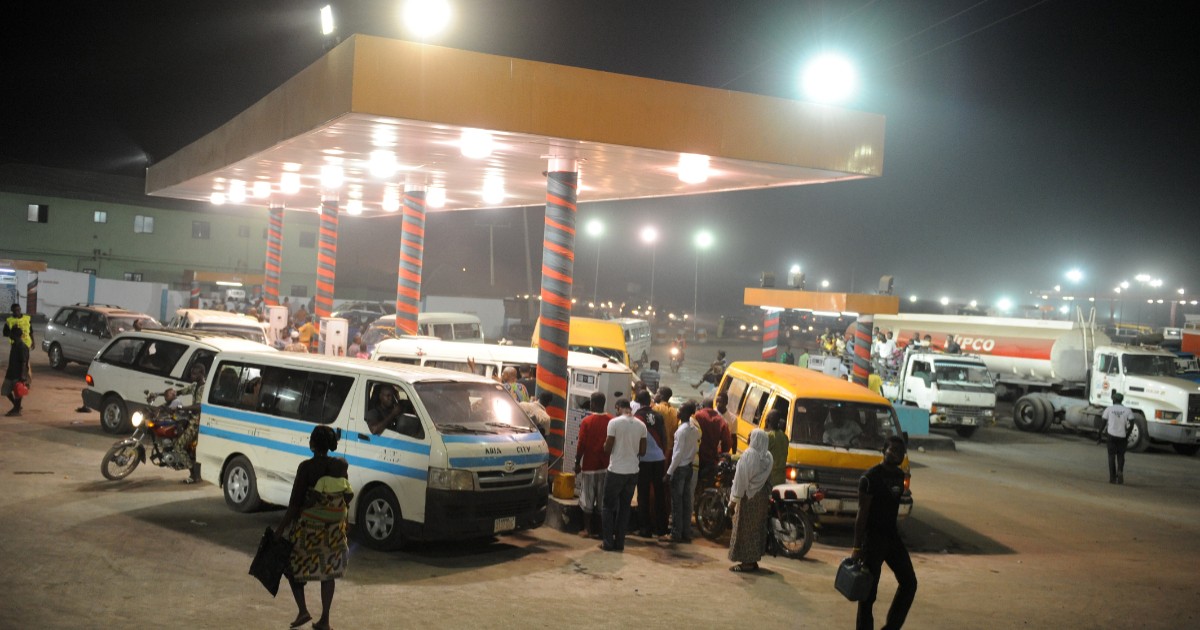
As a result, there have been hikes in transport prices and energy costs, especially considering that a good number of the population use fuel-powered generators to access electricity.
Down in Southern Africa, a similar trend is expected as petrol and gasoline prices are projected to rise by more than R2 per litre by the middle of the month, posing a challenge to South African drivers.
The nation’s energy industry keeps modifying domestic prices in reaction to changes in the price of crude oil globally, highlighting how susceptible consumers are to shocks from abroad.
Even in Somalia, supply chain interruptions have caused fuel prices in Mogadishu to almost quadruple, making transportation and necessities more expensive.
Fuel prices in the Eastern African country surged by over 75% as of early March 2026, driven by supply chain disruptions from Middle East conflicts.
In Mogadishu, petrol prices jumped from approximately $0.65 to over $1.15 per liter, with daily increases of about 10 cents reported.
The countries mentioned above, alongside other African countries, have experienced energy surges in the last couple of weeks owing to a war that has nothing to do with the continent.
Experts warn that unless governments take strategic action, continued price hikes would exacerbate inequality and impede development.

While local refiners and oil corporations work to keep supplies steady, price remains an issue for millions of Africans.
With global crude prices jumping from almost $60 per barrel to $120 and down to $90 in a couple of weeks, Africa’s gasoline markets remain highly vulnerable to external shocks.
As countries face inflationary pressures, the need for indigenous energy solutions and regulatory control has never been greater.
With that said, here are the African countries with the highest cost of fuel in March 2026, per data from GlobalPetrolPrices.
Contrary to last month’s list, when the global average cost of fuel was 1.30 U.S. dollars per liter, as opposed to 1.34 U.S. dollars per liter, this month, fuel prices in Malawi, CAR, Senegal, Cameroon, Burkina Faso, and the Ivory Coast reduced sharply.
While fuel prices in Zimbabwe and Sierra Leone increased significantly. Burundi and Seychelles replaced Zambia and Uganda from the list.