
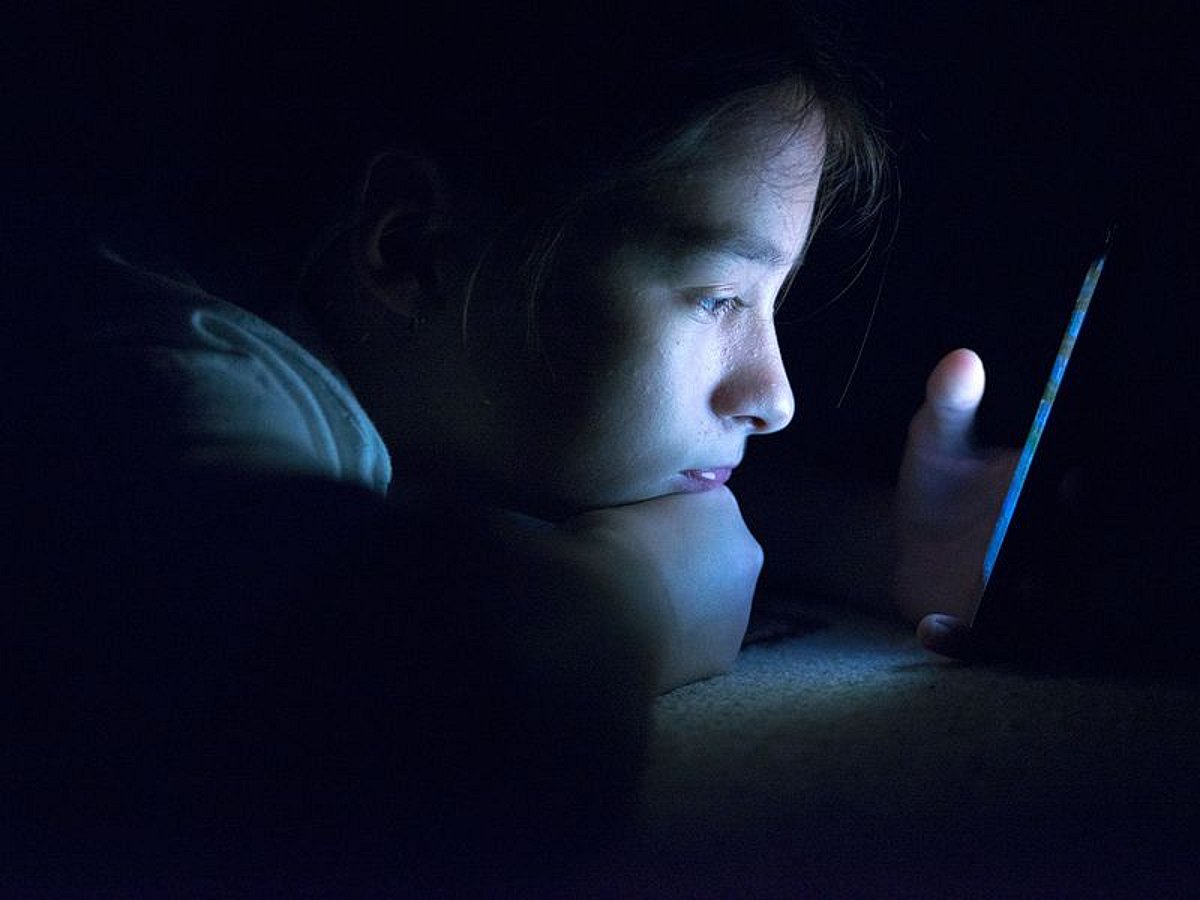
The infinite news cycle the brain cannot finish
Unlike traditional news cycles, digital information never reaches a stopping point. And the human brain begins to struggle. Dr Kirin Hilliar, professor in psychology at the Heriot-Watt University and psychologist at OpenMinds Centre, explains that the structure of online information itself creates the feeling that we must keep checking for updates and news.
She observes: “I think the really hard component with online information is that it is constantly updated,” she says. “You can refresh literally every second and there’s more news, there’s more information, there are more posts, there’s more stories and there’s more comments for you to read.”
The constant stream creates a psychological loop. “We can get into this spiral thinking that ‘oh, I should keep myself informed and so if there’s new information and I should consume it, consume it, consume it, consume it,” she explains. “But that means you never can stop because you literally will never consume all of the information that is out there.”
Why your brain keeps reaching for your phone
Moreover, the urge to constantly check updates is also rooted in basic survival psychology.
Nusrat Khan clinical psychologist at Human Relations Institute And Clinics at Dubai, says many people are experiencing what experts call ‘emergency vigilance.’ “As of today we are all navigating a huge regional escalation,” she says. “So, it’s very important to understand the psychology behind this emergency vigilance.”
Before crises, people often doom-scrolled because of curiosity or habit. However, now the motivation is different.
“It’s not about the FOMO or this fear of missing out,” she explains. “It’s actually about FOMA, that’s fear of missing an alert.”
And so, we need to realise: Our phones are not going to give us the regulation or any sort of protection that we need.
The hidden toll: Digital siege mentality
As you keep consuming information, the repeated exposure to alarming content can slowly exhaust the brain. Khan describes this as a ‘digital siege mentality.’ We live a vicarious trauma: The sirens and notifications, creates a certain neurological pattern.
Even attempts to stay responsible and verify information can become draining. We need to keep fact-checking, and that stress, causes cognitive burnout. The result is a state of constant nervous system activation.
As Dr Khan says, when we cannot control the sky, we want to control the screen. But that constant vigilance comes at a cost. “Hyperfocusing on the screen will deplete the resilience that you need to stay calm and for your work, as well as your survival.”
The brain also struggles to distinguish, between what is happening in real life and what it sees online. “The nervous system cannot distinguish between a perceived threat and an actual threat,” Dr Khan says. “In that state, the nervous system will take the perceived threat as the real one.”
And so, even ordinary sounds feel alarming, perhaps something like a garbage truck can trigger you too. In this environment, resilience is not about staying online. “We’re living through a period of immense pressure,” she says. “Our resilience won’t be measured by how much screen time we consume.
Essentially, what matters more is protecting the nervous system. “The phone is just a tool, not a master, and we cannot be a slave to it.” Moreover, realising that stepping away from updates is not denial, it’s also about preserving your mental health. “If we step back, we aren’t being uninformed, we are giving our system time to regulate.”
Warning signs your brain needs a break
Psychologists say certain behaviours indicate the brain is under digital stress. The red flags: dissociative scrolling, where we lose hours to social media, for starters.
Other symptoms can include:
• feeling hollow or disconnected
At its worst, the overload can affect decision-making.
And that’s why, experts say people should prioritise basic safety instructions over information overload. “Follow basic safety protocols, like seeking shelter, or staying away from windows as instructed.”
Practical ways to stay informed without overwhelming your brain
Psychologists say the goal is not to disconnect from reality, but to control how information reaches you.
Set fixed times to check the news
Dr Hilliar suggests scheduling specific check-ins. “So let’s identify three time points during the day, 9am, 12pm and 6pm.
“Identify the sources you want to check, like government identities, reliable news channels and your community WhatsApp.” Then limit the duration. “Give yourself a time, probably 15 minutes, till the next allocated time.”
This helps calm the brain’s internal alarm system. “So, the brain knows ‘I don’t need to consume all this information, I can just sit with the information’.”
Dr Khan recommends removing unnecessary alerts. “Keep only the official apps,” she says. Mute community news, if you can.
Ground your body during stressful moments
Simple sensory techniques can help regulate the nervous system.
Tactile anchoring, is helpful: It’s where you use five senses to ground yourself.“When you get a direct alert, keep a cold bag with you, a grounding technique.”
Change how you check on people
Communication can also shape emotional resilience. “When you check with your friends, don’t ask ‘did you hear…’,” Khan says. “Instead ask if they’re okay, and this builds collective resilience.”
Protecting your mental space
In moments of uncertainty, staying informed matters. But psychologists say how we stay informed matters even more. “Our internal nervous system is just as important right now, and we need to protect our own mental space,” Dr Khan says.
Sometimes that means closing the news app, or putting the phone down. “Don’t let your phone become a window to the storm,” she explains. “And focus on the safety of the people in the room with you.”
Lakshana is an entertainment and lifestyle journalist with over a decade of experience. She covers a wide range of stories—from community and health to mental health and inspiring people features.
A passionate K-pop enthusiast, she also enjoys exploring the cultural impact of music and fandoms through her writing.