
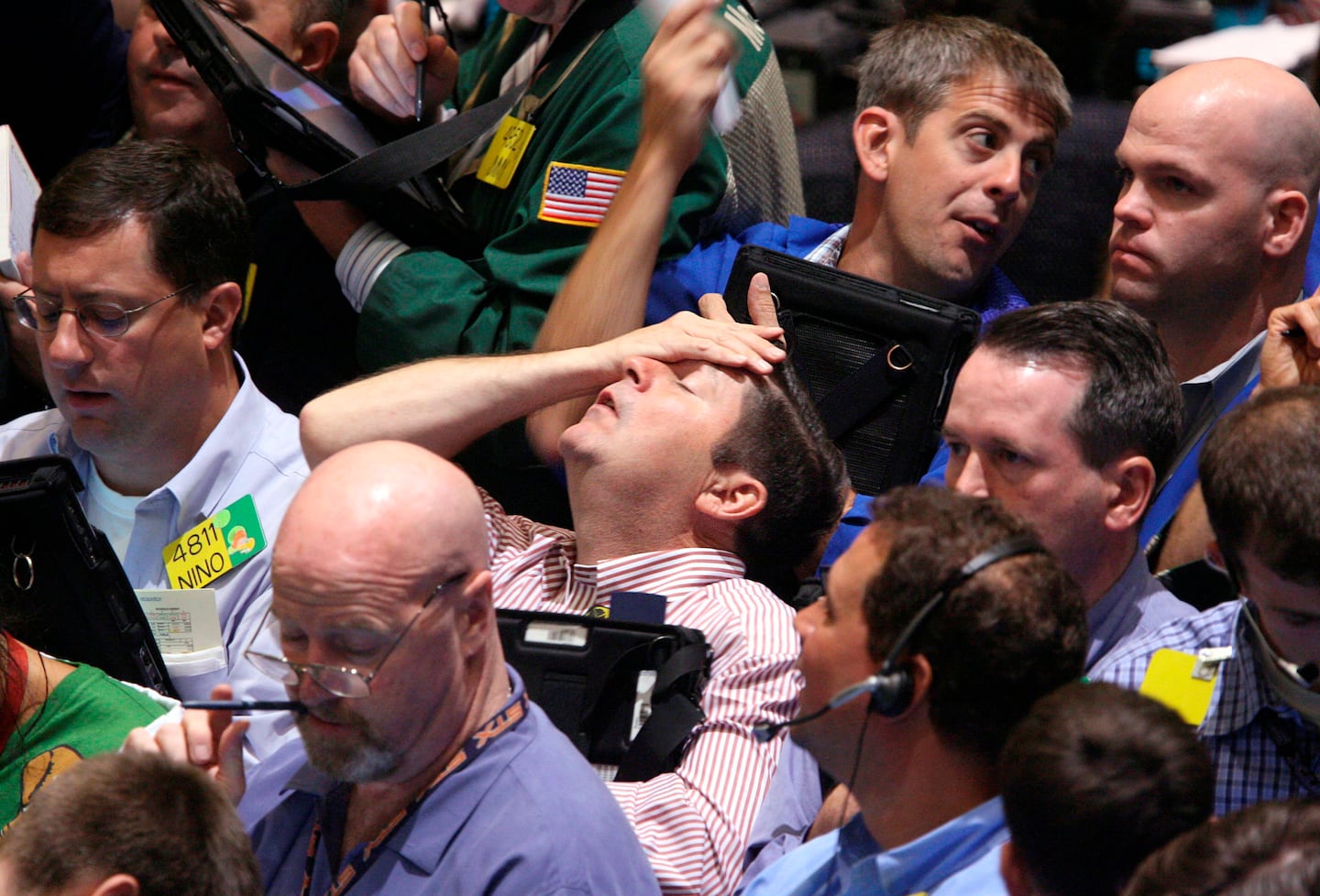
I was young and had never tuned to CNBC, which seemed an order of magnitude less interesting than anything else on television. But in the fall of 2008, the economy was imploding. So I clicked over to financial news and tried to make sense of the breathless missives that anchors and guests were unfurling.
The stock market, then on a precipitous downward journey, is not the economy, of course. But during the global financial crisis, the bottom fell out of both. And even in places like Cambridge and Somerville, even in a state like Massachusetts, the Great Recession sliced municipal services, and ripped through the lives of a lot of Cambridge and Somerville residents.
Turned out there was someone else glued to financial news at the time: then-Somerville mayor Joe Curtatone. Today, who knows if another recession is around the corner — or, if here in Camberville, we’re in one already. But after walking by some vacant storefronts and vacant lab space this week, I rang Curtatone to ask what the bad old days were like. He was mayor from 2004 to the beginning of 2022. And, let me tell you, he has some thoughts.
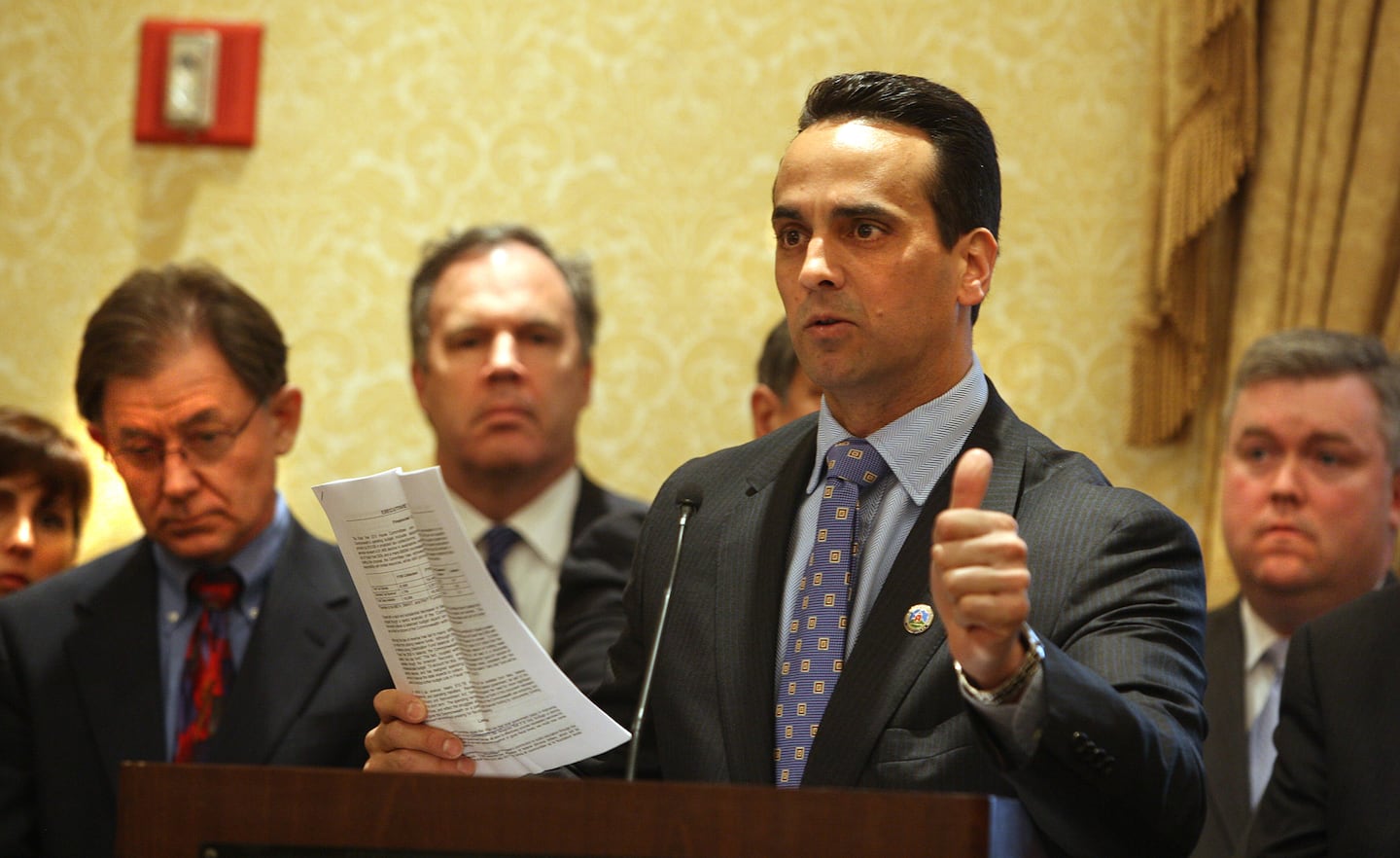 Then-Somerville Mayor Joe Curtatone spoke about state aid to cities and towns during a news conference in 2009.Pat Greenhouse
What does he remember about the Great Recession?
“It was the personal hardship of our constituents,” he replied with his trademark intensity. The Democrat was in municipal government during the dot-com crash of the early 2000s, and he saw plenty of people face financial difficulties. But during the recession that officially lasted from the end of 2007 through the middle of 2009, but felt like it lasted much longer, Curtatone witnessed “the complete elimination of people’s personal wealth, whatever they had.” People were struggling to make their mortgage payments and hold onto their homes, struggling to keep their businesses open, he said.
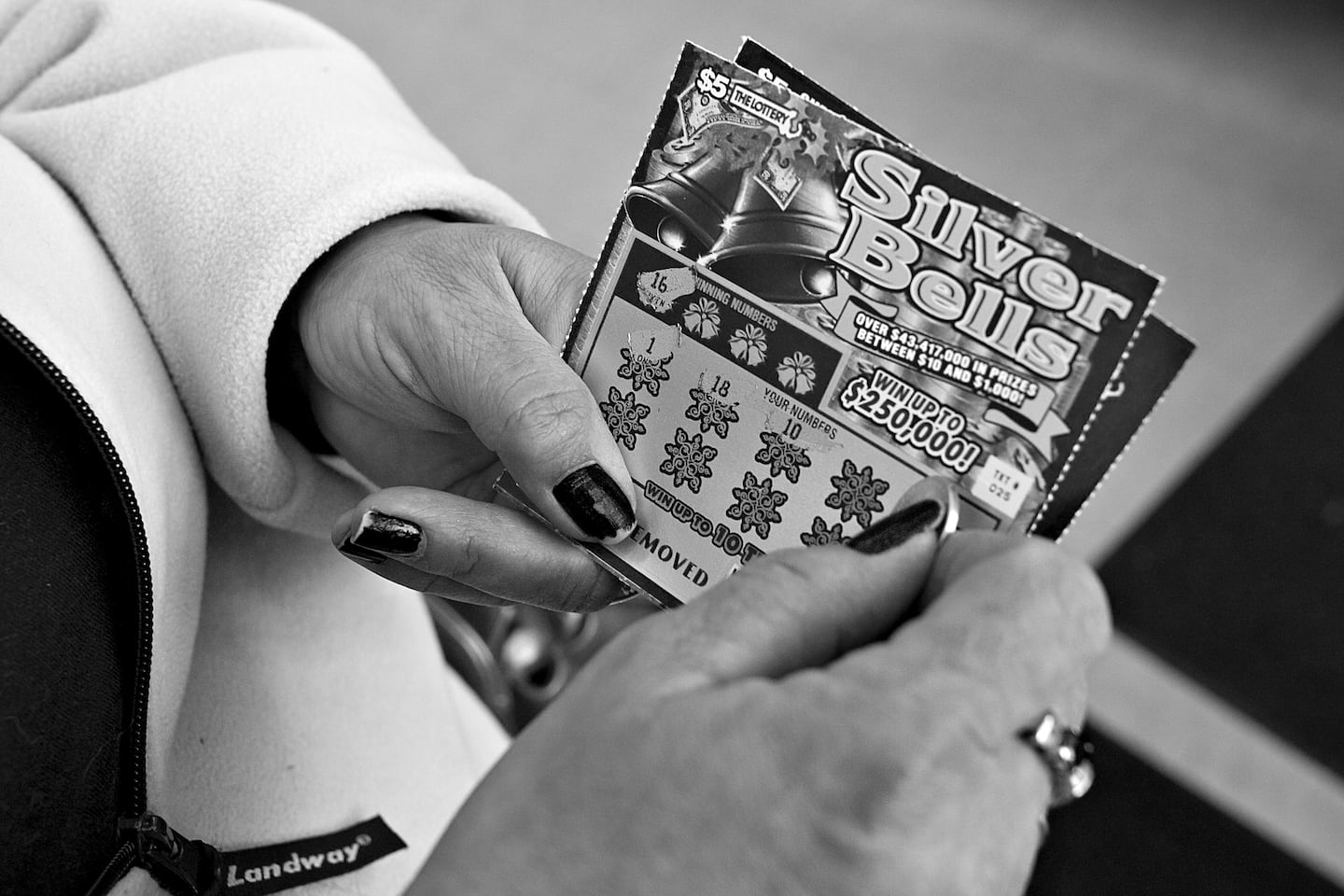 Customers purchased scratch tickets at 350 Food Mart in Somerville in April 2009.Yoon S. Byun
Curtatone remembered economic development projects that had been in the works for years, some that were on the brink of breaking ground, were suddenly put on hold or stopped altogether. “Assembly Row, the developers call me. Basically overnight what happened is the value of their portfolios for that project and others went down exponentially,” he recalled. And suddenly they had an unfathomably large financial gap to fill.
He remembered the key foundations that supported Somerville’s government got wobbly very quickly: State aid was cut and tax revenue got shaky. As money coming in faltered, health care costs were going way up. The recession jammed the city up something awful.
“We resisted layoffs,” he told me, and his team tried all kinds of fiscal maneuvering. But “when layoffs had to come,” he said, “it was painful for everybody.”
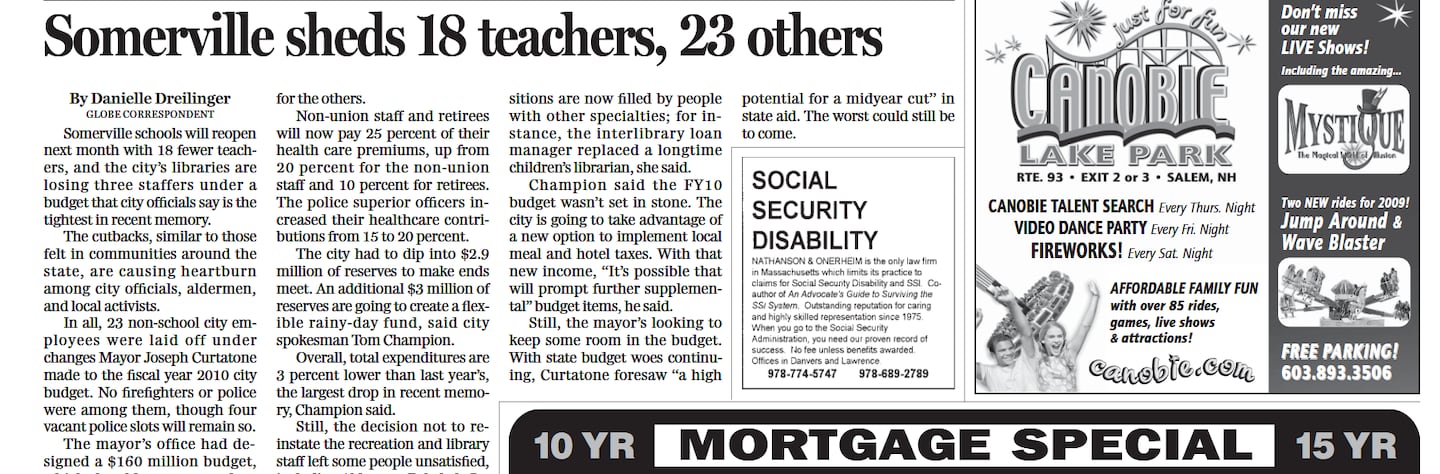 A page from the Boston Sunday Globe on Aug. 16, 2009.Boston Globe Archives
So what does he see today?
Curtatone, who is now an executive at Woburn EV company Indigo Technologies, said he has lots of faith in Somerville Mayor Jake Wilson, and leadership at the state level. Lots of faith in leaders’ creativity. But, he said, things are looking kinda grim.
“The challenges are certainly formidable right now. Being in the private sector now, tariffs are killing us, jobs numbers are down, people can’t afford to stay in the place, in the community they love,” he told me. “And it’s not going to get better anytime soon, right? Look around Greater Boston, Josh, how many cranes do you see?”
I acknowledged very few.
Then there’s President Trump, whose economic policies from tax cuts for the rich to tariffs are, he said, “killing all of us.”
He also emphasized that federal infrastructure money helped save the day for a lot of municipalities 17 years ago. Under Trump, “cities and towns are going to have to be even more creative.”
Overall, he said, the “storm might be a few years on this one.”
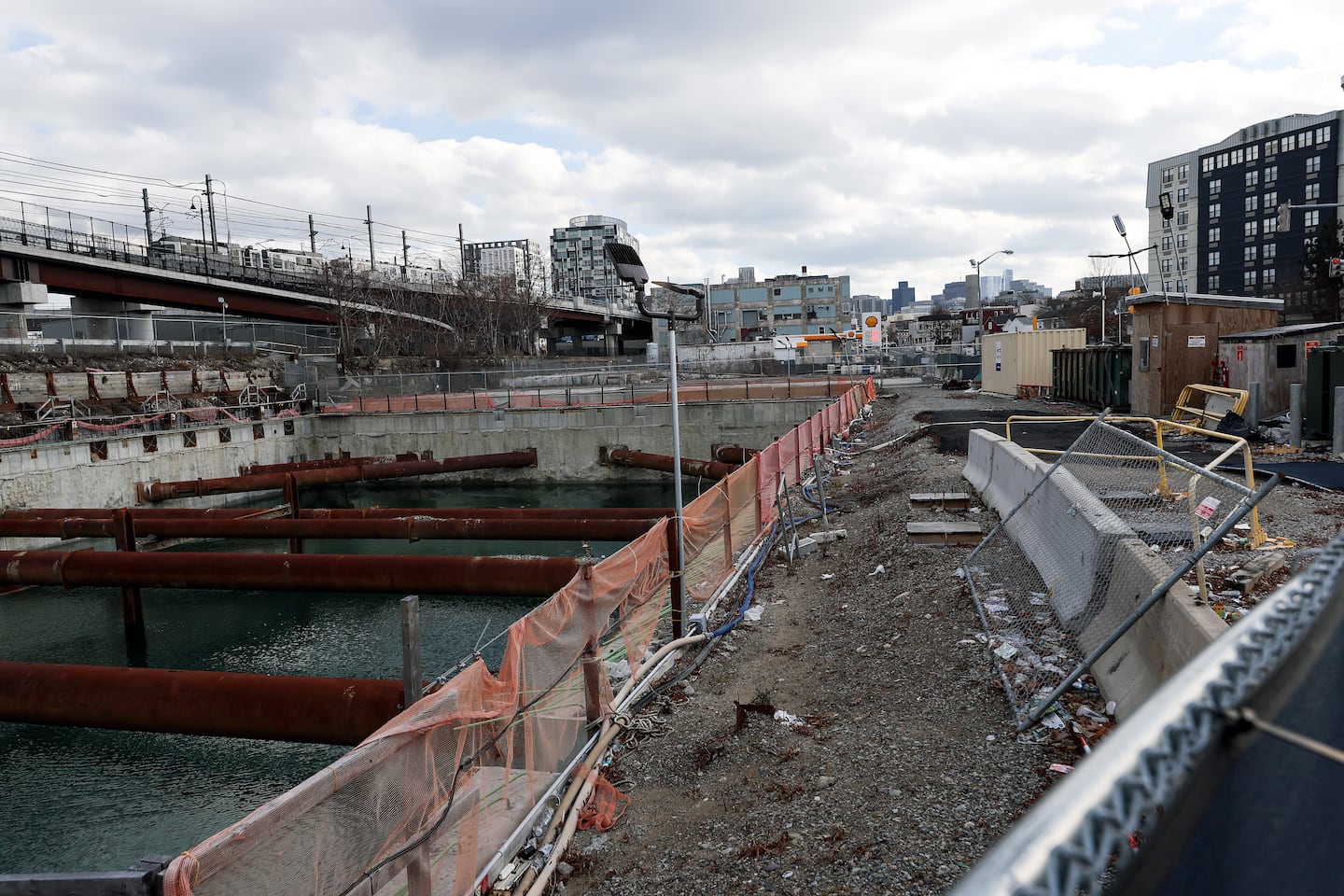 The spot where a Somerville lab project stalled and a waterlogged pit remains.Barry Chin/Globe Staff
There was one more thing that Curtatone remembered about the Great Recession.
“Every morning I turned on CNBC.” He asked for my help trying to recall that morning show with the endless stock chatter.
Squawk Box?
“I watched that show religiously for two years — for. two. years. — and I can remember, at the very beginning, [this guy] says, ‘I believe, at the end of this, we’ll see the greatest bull market!’ ” Curtatone seemed enmeshed in the memory of the recession and all its hardship.
“Man,” he recalled thinking as he heard the talking head, “I hope this freaking guy is right. Because this sucks.”

Joshua Miller
Cambridge/Somerville Editor
P.S. Have thoughts about the state of the Camberville economy, the American economy? Hit me up. I welcome any and all musings on boom times, bust times, the peril and power of capitalism locally, and ideas for future Camberville & beyond newsletters.
Joshua Miller can be reached at joshua.miller@globe.com.