
Night cameras placed across truwana/Cape Barren Island off Tasmania’s north-east coast recently began recording movement through grass and scrub after dark. The cameras were installed by the truwana Rangers as part of a wildlife monitoring program supported by WWF Australia. At first, the images appeared routine, showing animals quietly moving through bushland at night.
But several frames quickly stood out from the rest. The survey began revealing species rarely documented on truwana/Cape Barren Island, including a tiny marsupial and an unusually colored echidna. The images also showed that ongoing conservation work on the island may be helping native wildlife persist.
For senior ranger Buck Brown, the discovery brought back a memory from six years earlier. During a controlled burn, small animals suddenly ran out of the grass near his vehicle. Brown managed to grab a couple before they disappeared again into the bush.
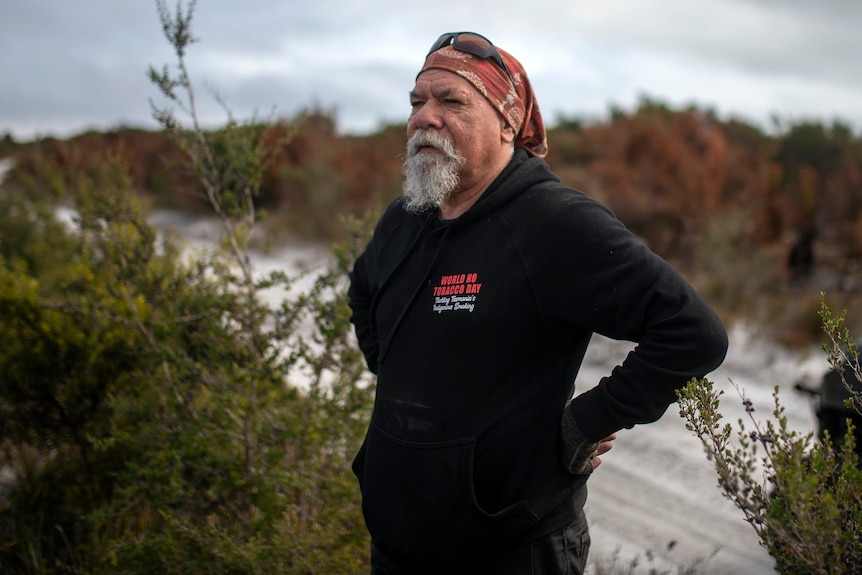 Buck Brown first saw a white-footed dunnart on the island six years ago. Credit: ABC News/Morgan Timms
“I was on my hands and knees grabbing them and putting them under the tyre of the ute,” Brown told ABC News. At the time, Brown never had a photograph of the animals he believed he had seen. The new trail camera survey finally provided visual confirmation. The images showed that at least one of those animals was still present on the island.
Camera Survey Confirms White-Footed Dunnart
One of the most significant images captured a white-footed dunnart, marking the first confirmed camera record on truwana/Cape Barren Island. The tiny marsupial, Sminthopsis leucopus, measures less than 10 centimeters long. It feeds mainly on insects and small invertebrates found in grassland habitats.
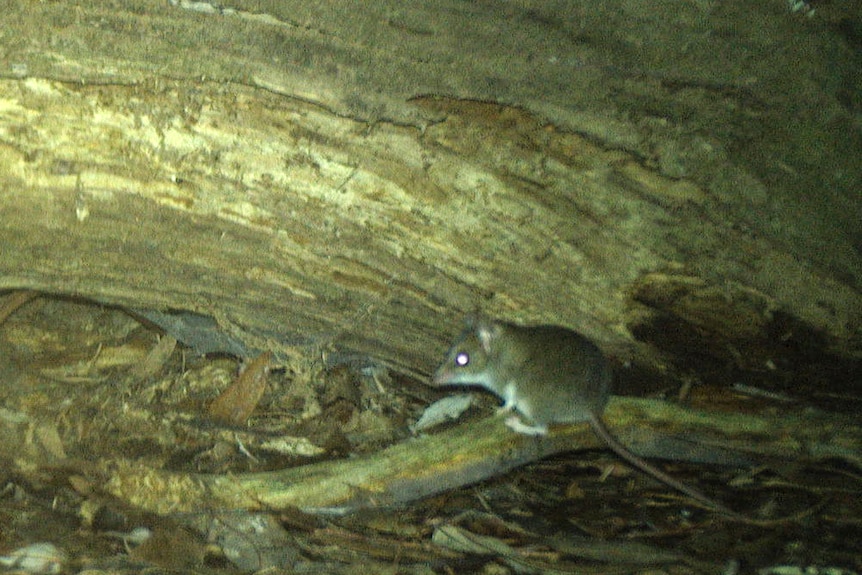 An adult white-footed dunnart is less than 10cm long. Credit: ABC News/Truwana Rangers
Researchers estimate that fewer than 5,000 individuals remain across Tasmania. The species is also listed as threatened in New South Wales, which makes confirmed sightings especially important for conservation monitoring.
When Brown reviewed the trail camera footage, he immediately recognized the animal. The image matched what he believed he had seen years earlier during that burn. For him, the footage finally confirmed the identity of those small animals. “That’s the little fella I saw six years ago,” he said.
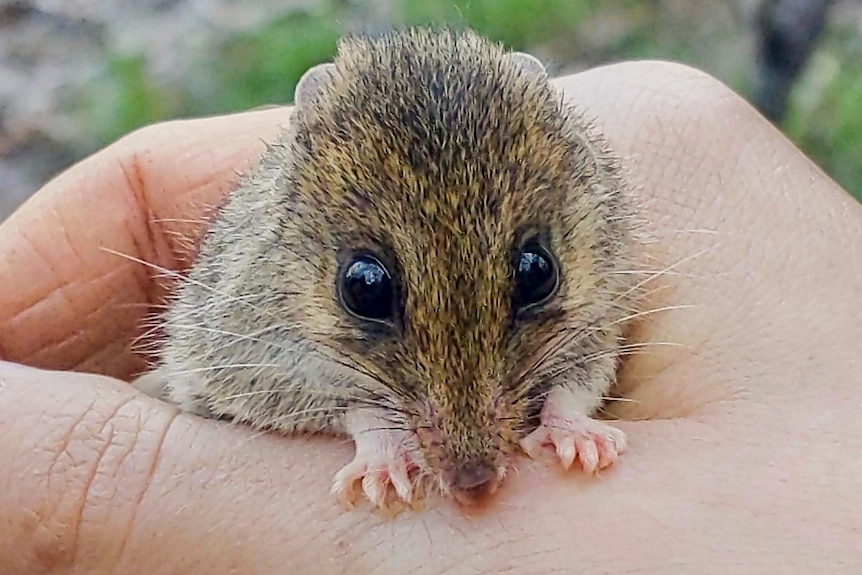 The white-footed dunnart is found in several states, pictured here on the NSW South Coast. Credit: WWF/Vivianna Miritis
The discovery now adds an important wildlife record for truwana/Cape Barren Island. Trail cameras provide evidence that the white-footed dunnart continues to move through the island’s bushland. The images also help researchers track the species in remote areas.
The Unusual Appearance of a Pale Echidna
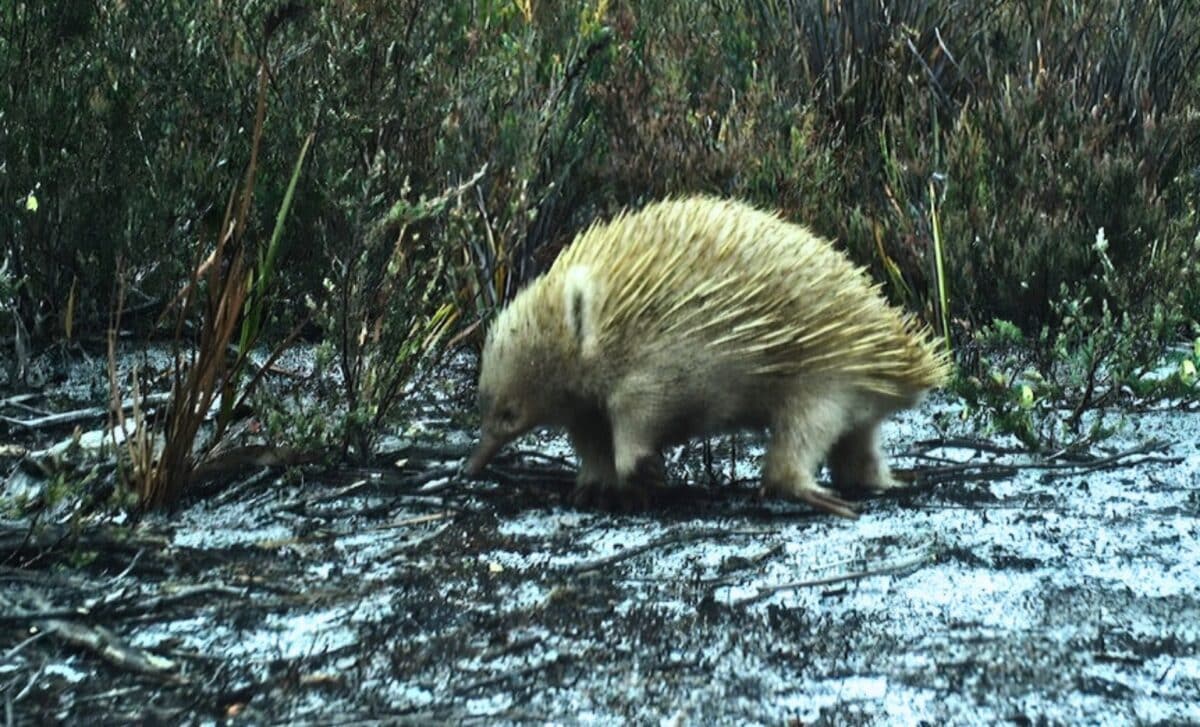
Another image from the survey revealed an animal that immediately caught the attention of rangers. One camera frame showed a pale echidna, with spines and fur appearing blond under the infrared camera.
Ranger Shane Hughes said the team was surprised to see the animal appear on the footage. While echidnas are known to live on the island, this individual had a noticeably lighter colour. “It would have been good to see it in the flesh,” Hughes said.
Researchers believe the coloring is likely caused by leucism, a genetic condition that causes a partial loss of pigmentation. Unlike albinism, which removes all pigment and can affect the eyes, leucism usually produces lighter fur or feathers while the eyes remain normal.
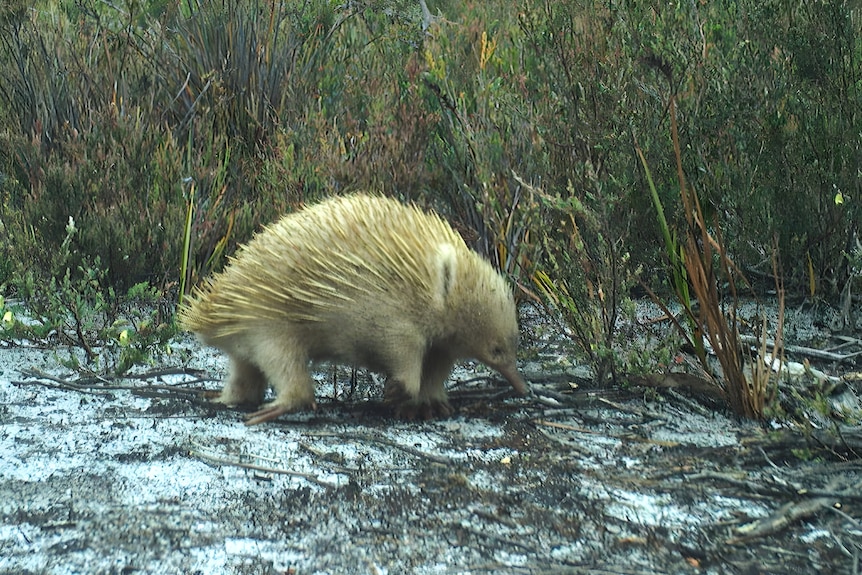 This echidna’s colouring is likely caused by a genetic condition called leucism. Credit: ABC News/Truwana Rangers
Wildlife ecologist Dr Liz Znidersic from Charles Sturt University said the condition appears more frequently than albinism. Small and isolated populations can sometimes show these traits more often. “Leucism occurs slightly more frequently than albinism,” Znidersic said.
On island ecosystems such as truwana/Cape Barren Island, limited gene pools can allow rare color traits to appear within wildlife populations. Similar pale echidnas have previously been reported on nearby Flinders Island.
Migratory Bird Arrives from Japan and Russia
The cameras also recorded a visitor that does not live on the island year-round. One image captured Latham’s snipe, a migratory bird that travels thousands of kilometres between Japan, Russia, and Australia.
According to Dr Liz Znidersic, the species had not previously been photographed on truwana/Cape Barren Island. The discovery surprised researchers involved in the wildlife monitoring program. “I’m a bird nerd, so I was pretty excited,” she said.
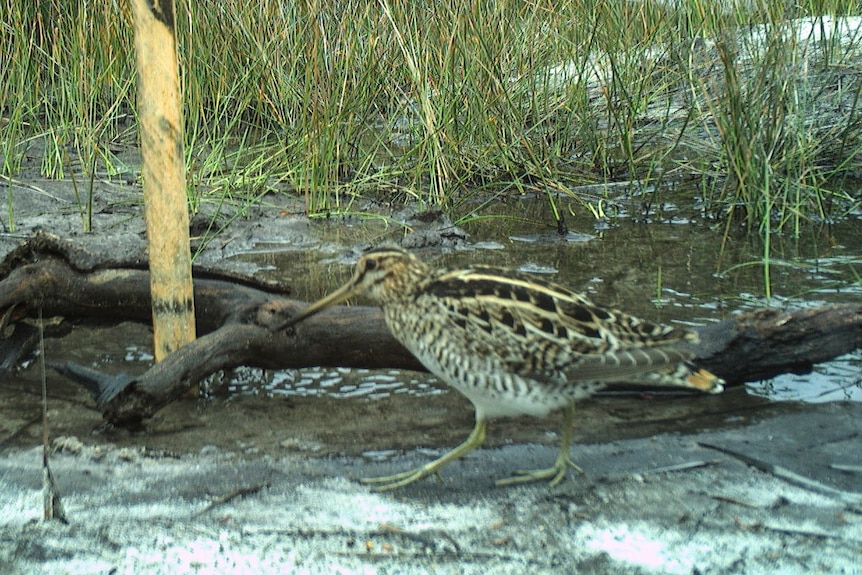 A Latham’s snipe enjoying its summer on the island. Credit: ABC News/Truwana Rangers
Latham’s snipe spends the southern summer in Australia before returning north to breed in northern Asia. The birds rely on wetlands and grassy areas where they can feed on insects and worms. Its appearance on truwana/Cape Barren Island suggests the island still offers suitable habitat for migratory birds. Healthy wetlands are essential for species that travel such long distances.
Feral Cat Control Remains a Priority
Despite the promising wildlife images, rangers say predators remain a major challenge on the island. Feral cats are known to prey on small mammals and ground-dwelling birds. For species like the white-footed dunnart, the presence of cats can significantly reduce survival rates. Controlling predators is therefore a central part of conservation work on truwana/Cape Barren Island.
Rangers regularly set baited traps across the island during winter. The traps are usually baited with sardines and checked frequently to remove captured animals. Brown said the program has already removed a significant number of predators. “We’re getting around 30-odd cats every winter,” he said.
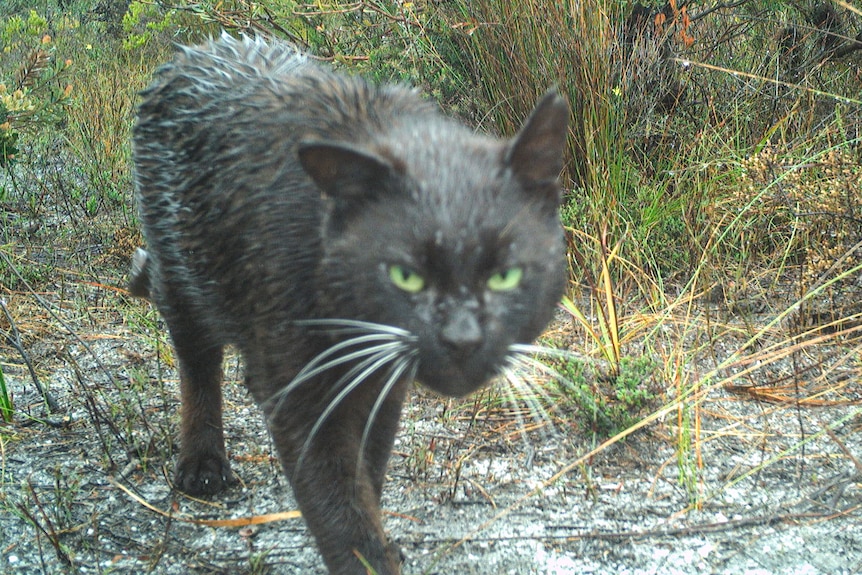 Feral cats pose a huge threat to wildlife wherever they roam. Credit: ABC News/Truwana Rangers
On a relatively small island ecosystem, removing dozens of predators each year can reduce pressure on vulnerable wildlife. The trapping program continues alongside other conservation work.
Cameras Reveal What Still Survives on the Island
The wildlife monitoring program forms part of a collaboration between the truwana Rangers, WWF Australia, and researchers studying ecosystems across the Bass Strait islands. Trail cameras allow rangers to observe wildlife activity without disturbing animals in the landscape.
The images collected from truwana/Cape Barren Island are helping confirm which species remain active across the island’s grasslands and wetlands. Each record contributes to a clearer picture of local biodiversity.
For Brown, the trail cameras confirmed something he had suspected since that burn years earlier. The small marsupials he saw were real and still present on the island.