
R.H. Hunt’s architecture at Mississippi State University
photo by John Shearer
R.H. Hunt’s architecture at Mississippi State University
photo by John Shearer
R.H. Hunt’s architecture at Mississippi State University
photo by John Shearer
R.H. Hunt’s architecture at Mississippi State University
photo by John Shearer
R.H. Hunt’s architecture at Mississippi State University
photo by John Shearer
R.H. Hunt’s architecture at Mississippi State University
photo by John Shearer
Old photo of R.H. Hunt’s buildings at Mississippi State
R.H. Hunt’s architecture at Mississippi State University
photo by John Shearer
R.H. Hunt’s architecture at Mississippi State University
photo by John Shearer
R.H. Hunt’s architecture at Mississippi State University
photo by John Shearer
R.H. Hunt’s architecture at Mississippi State University
photo by John Shearer
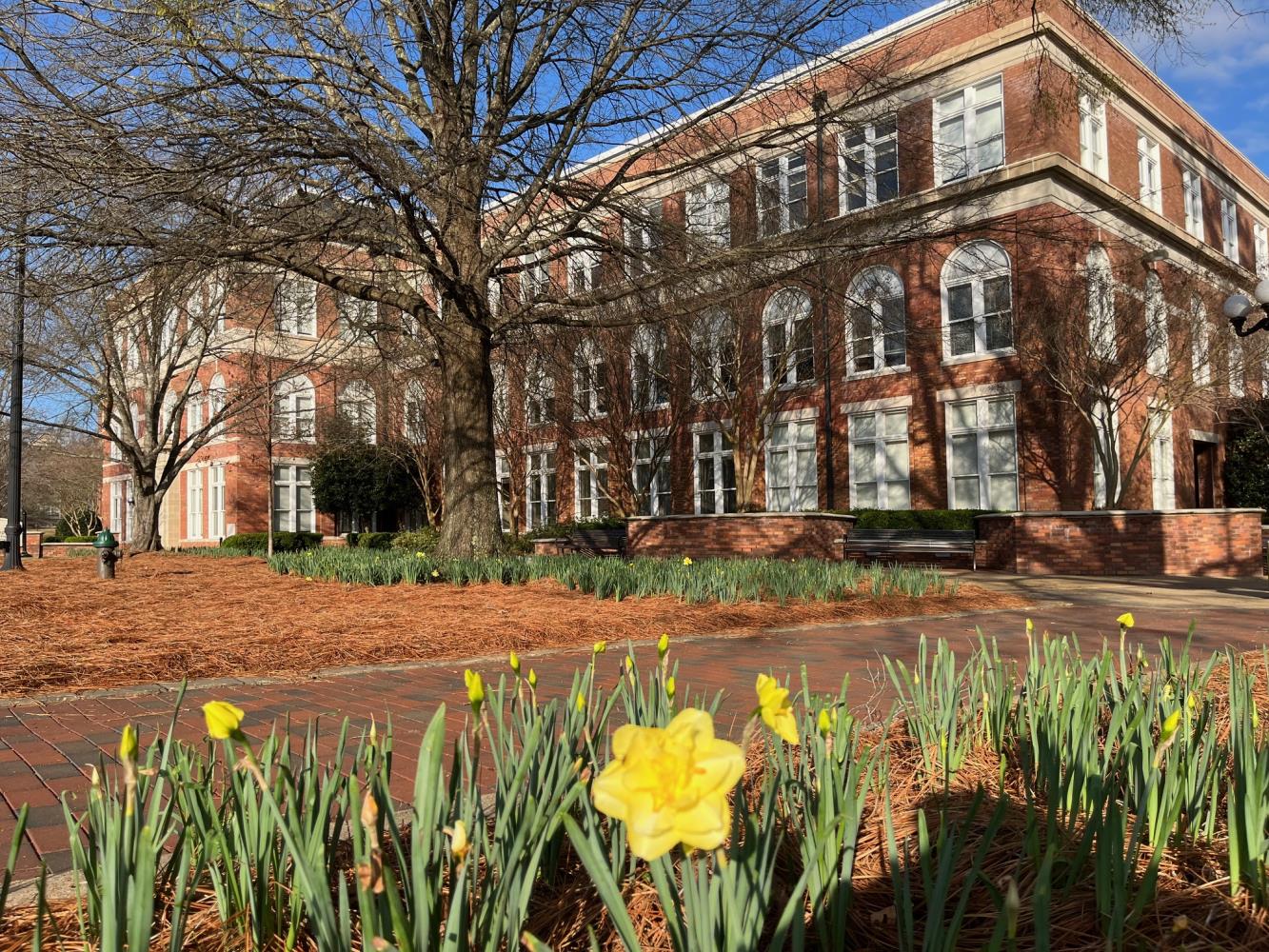
R.H. Hunt’s architecture at Mississippi State University
photo by John Shearer
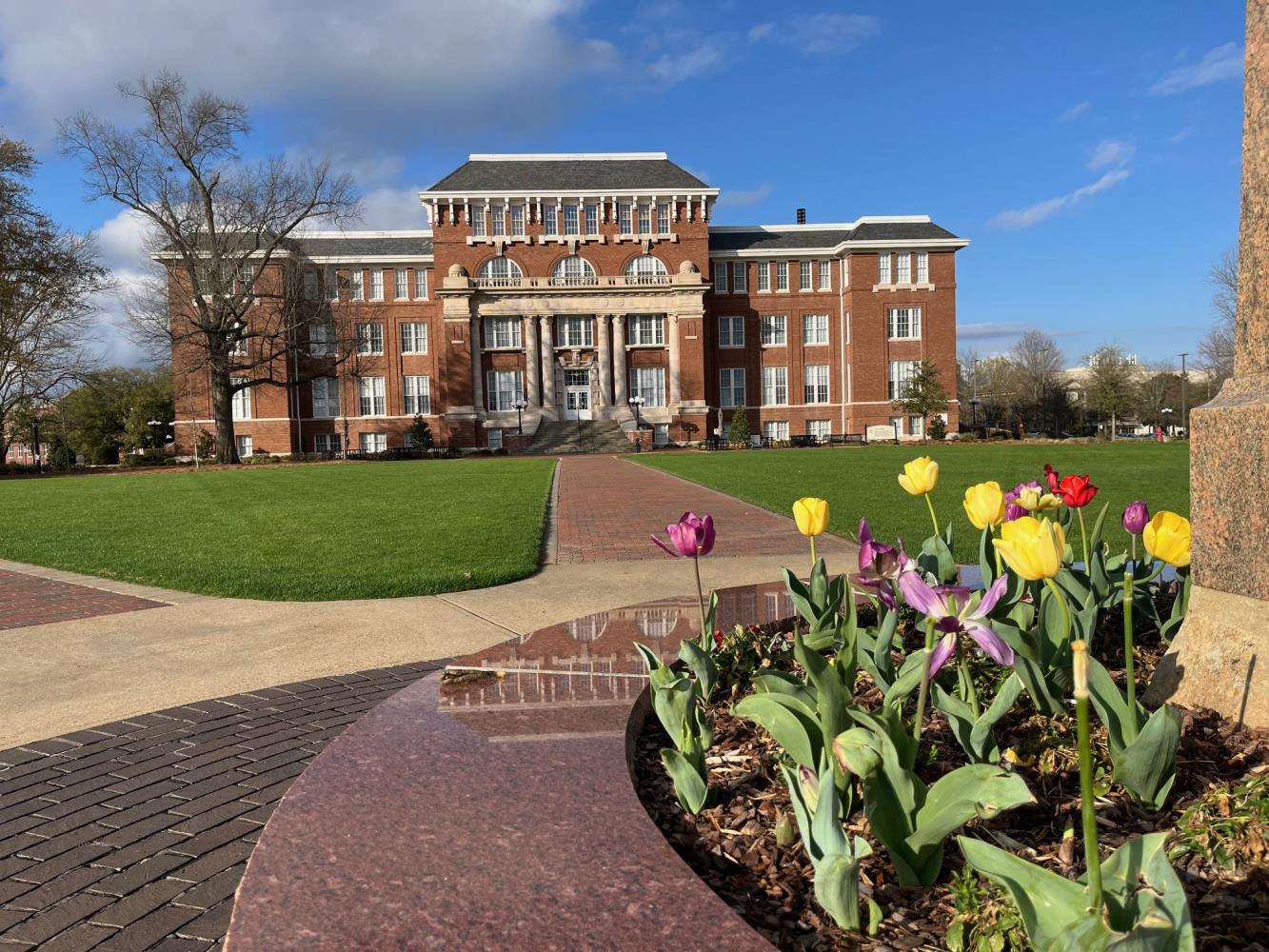
R.H. Hunt’s architecture at Mississippi State University
photo by John Shearer
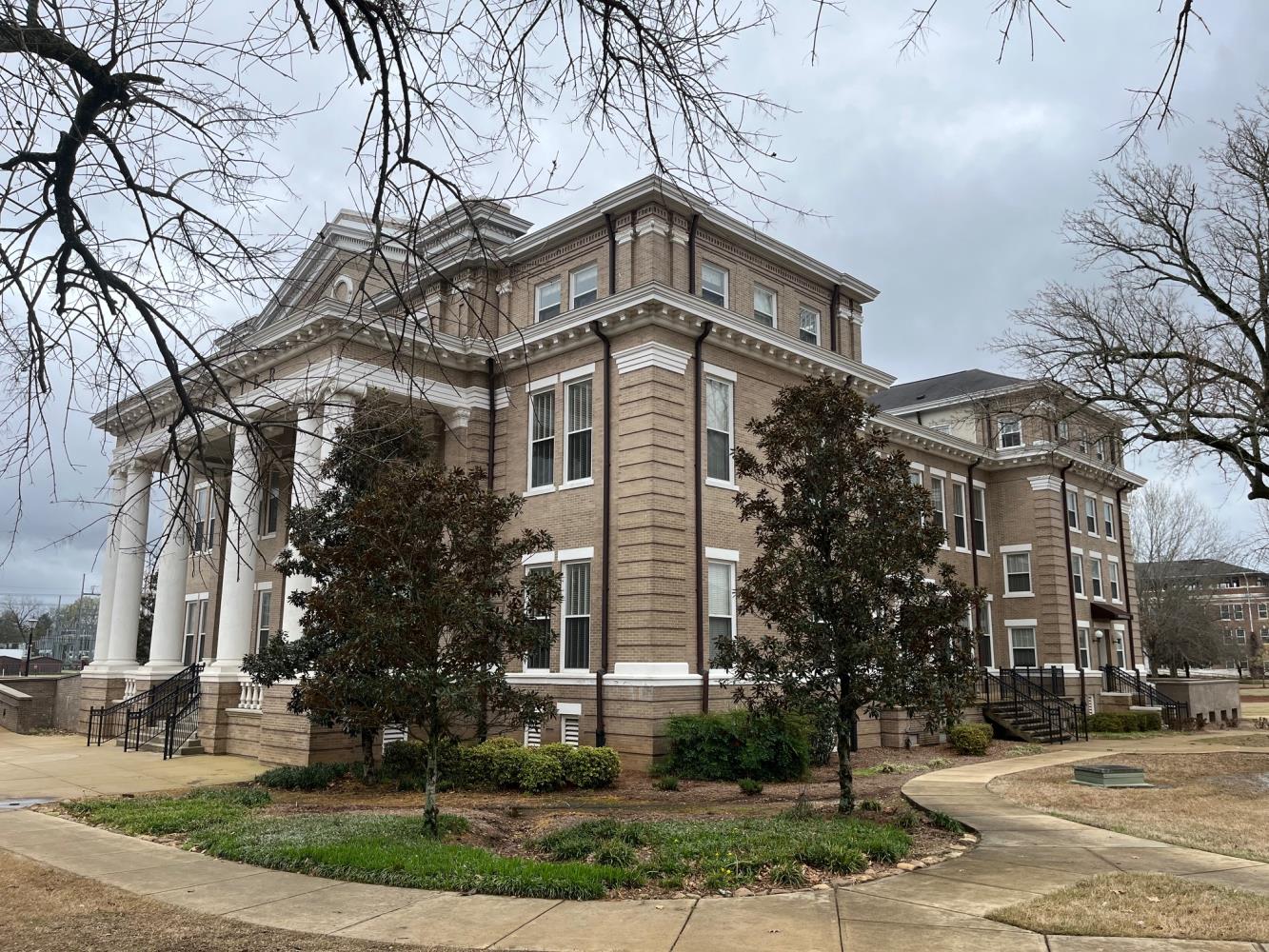
R.H. Hunt building at Mississippi University for Women
photo by John Shearer
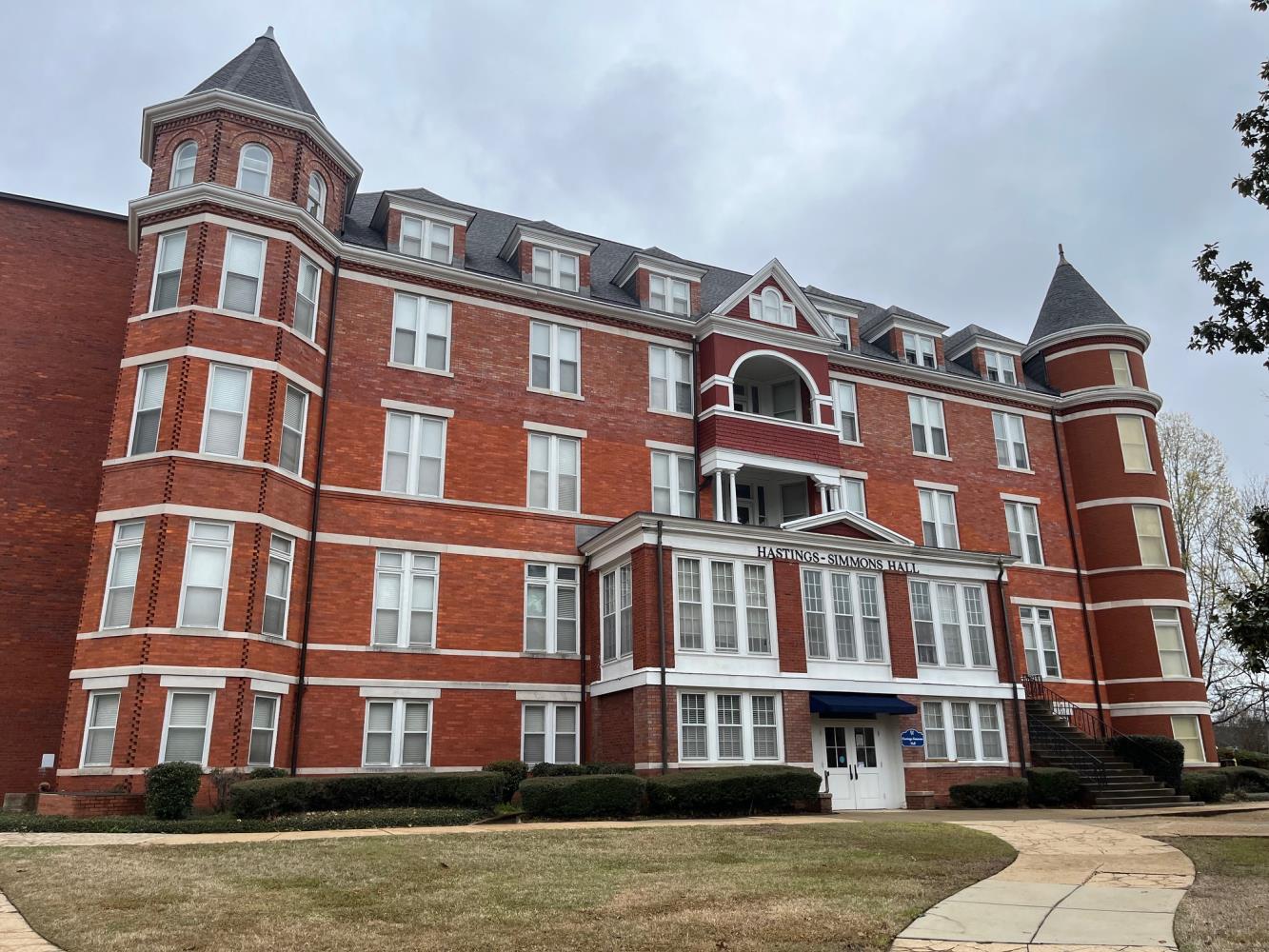
R.H. Hunt building at Mississippi University for Women
photo by John Shearer
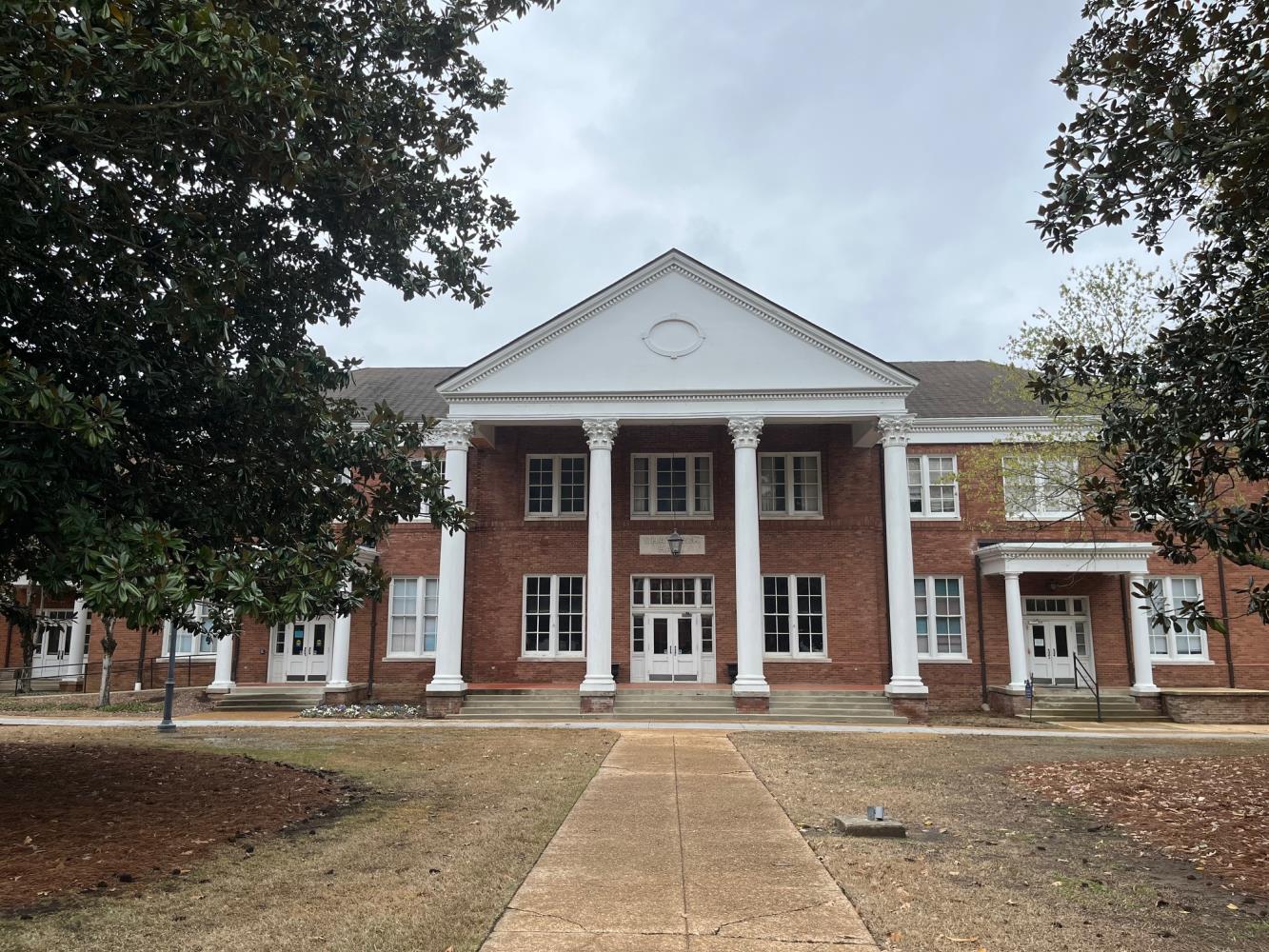
R.H. Hunt building at Mississippi University for Women
photo by John Shearer
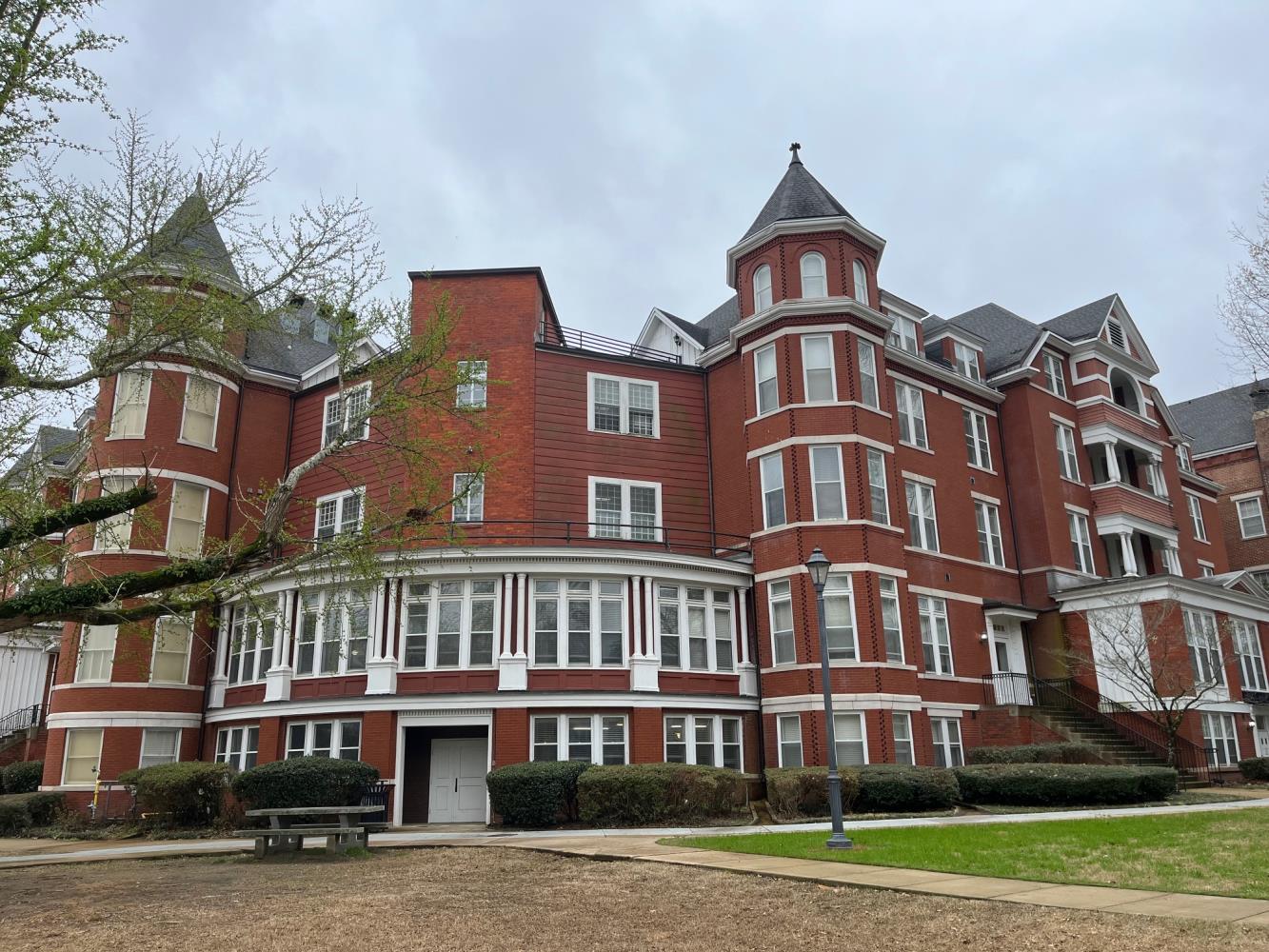
R.H. Hunt building at Mississippi University for Women
photo by John Shearer
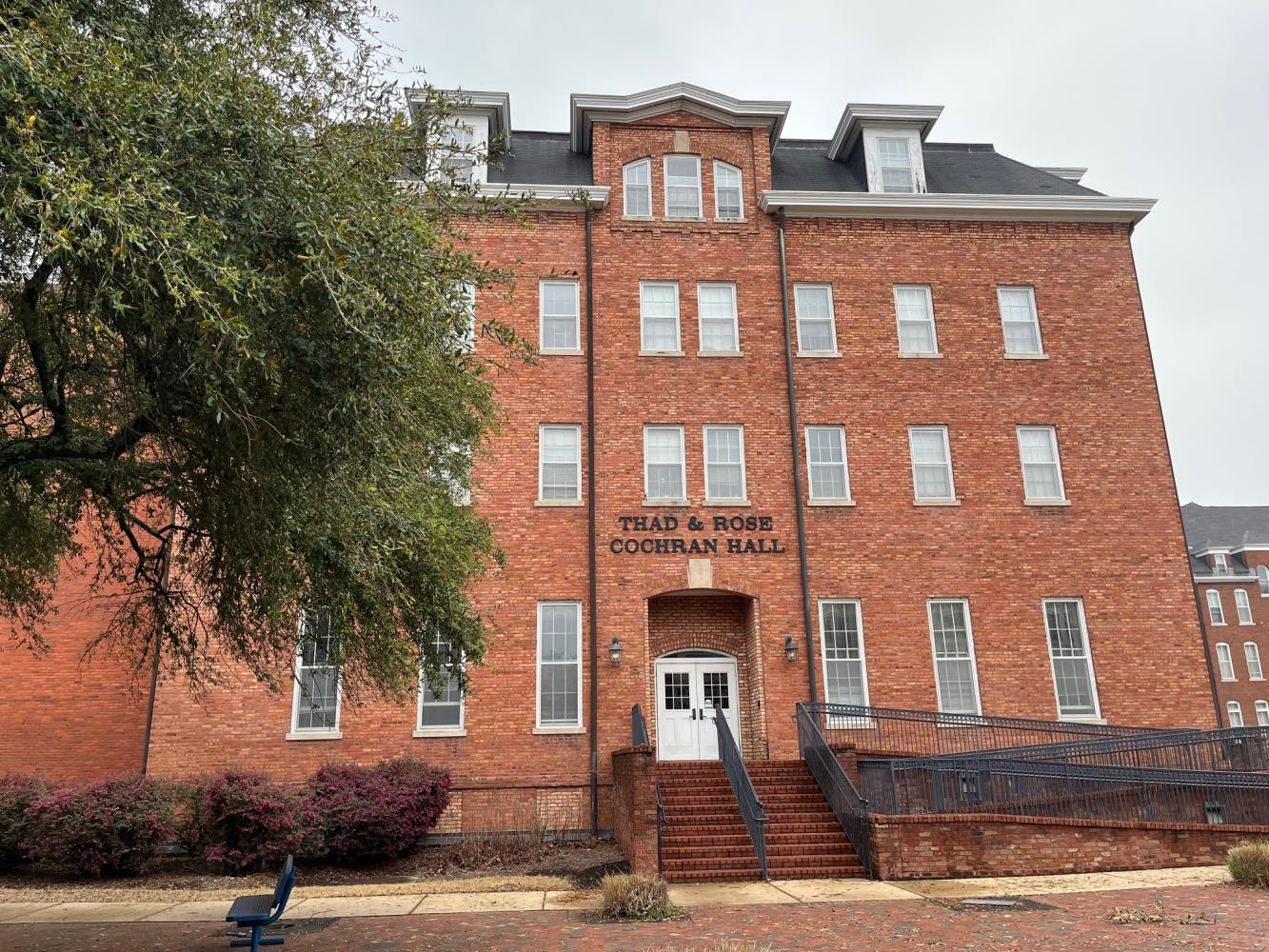
R.H. Hunt building at Mississippi University for Women
photo by John Shearer
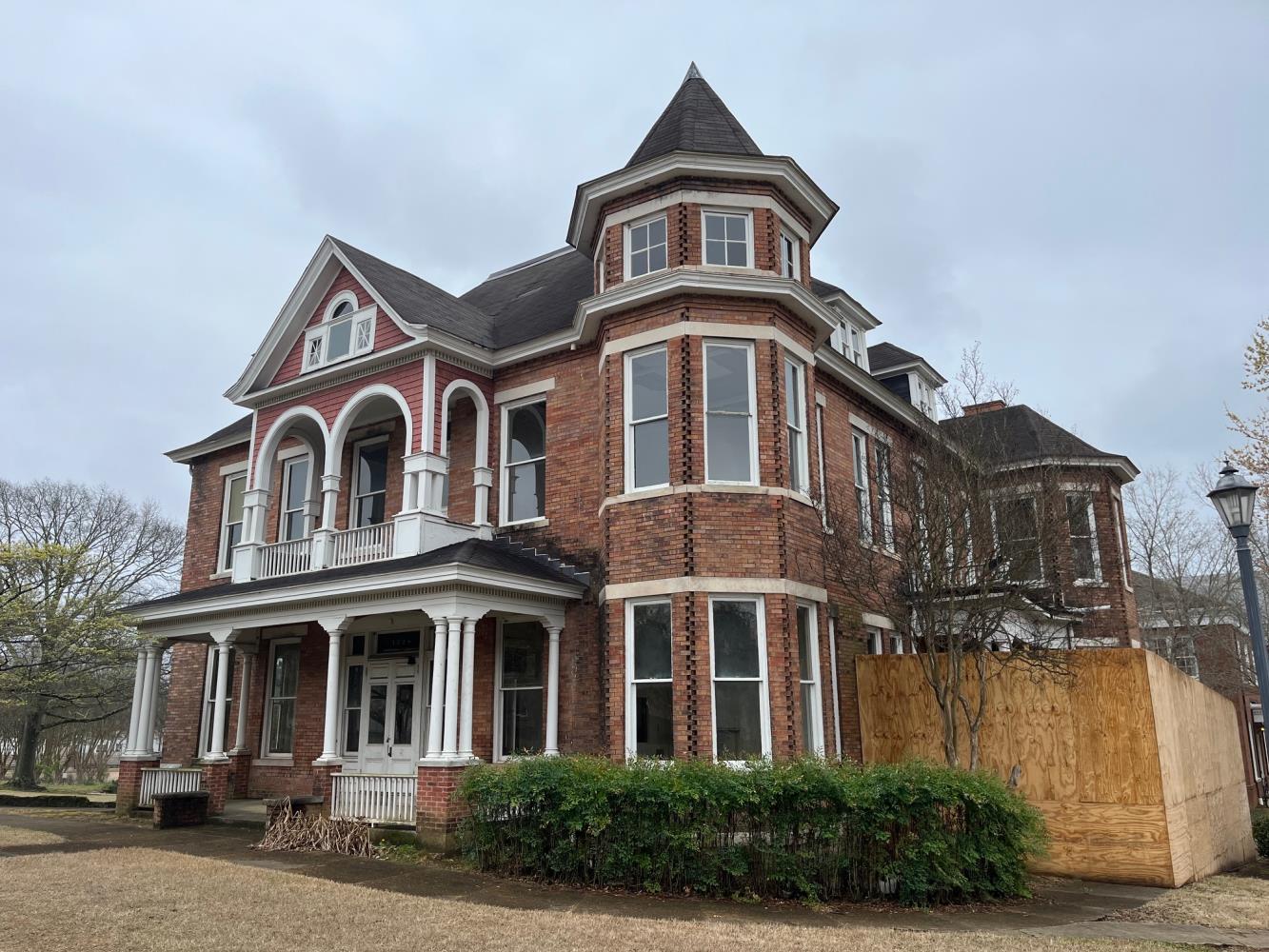
R.H. Hunt building at Mississippi University for Women
photo by John Shearer
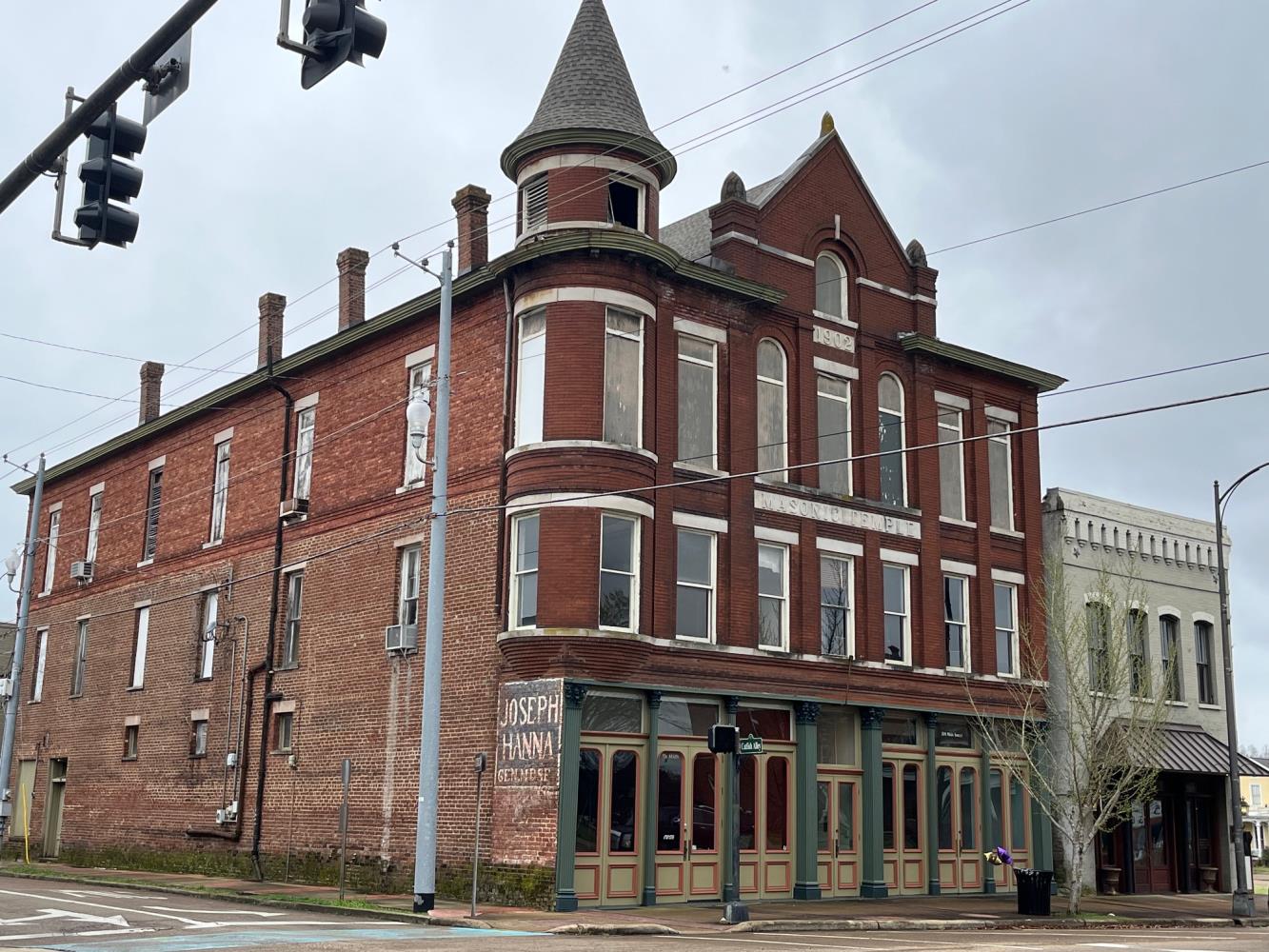
An R.H. Hunt-designed building in Columbus, Ms.
photo by John Shearer
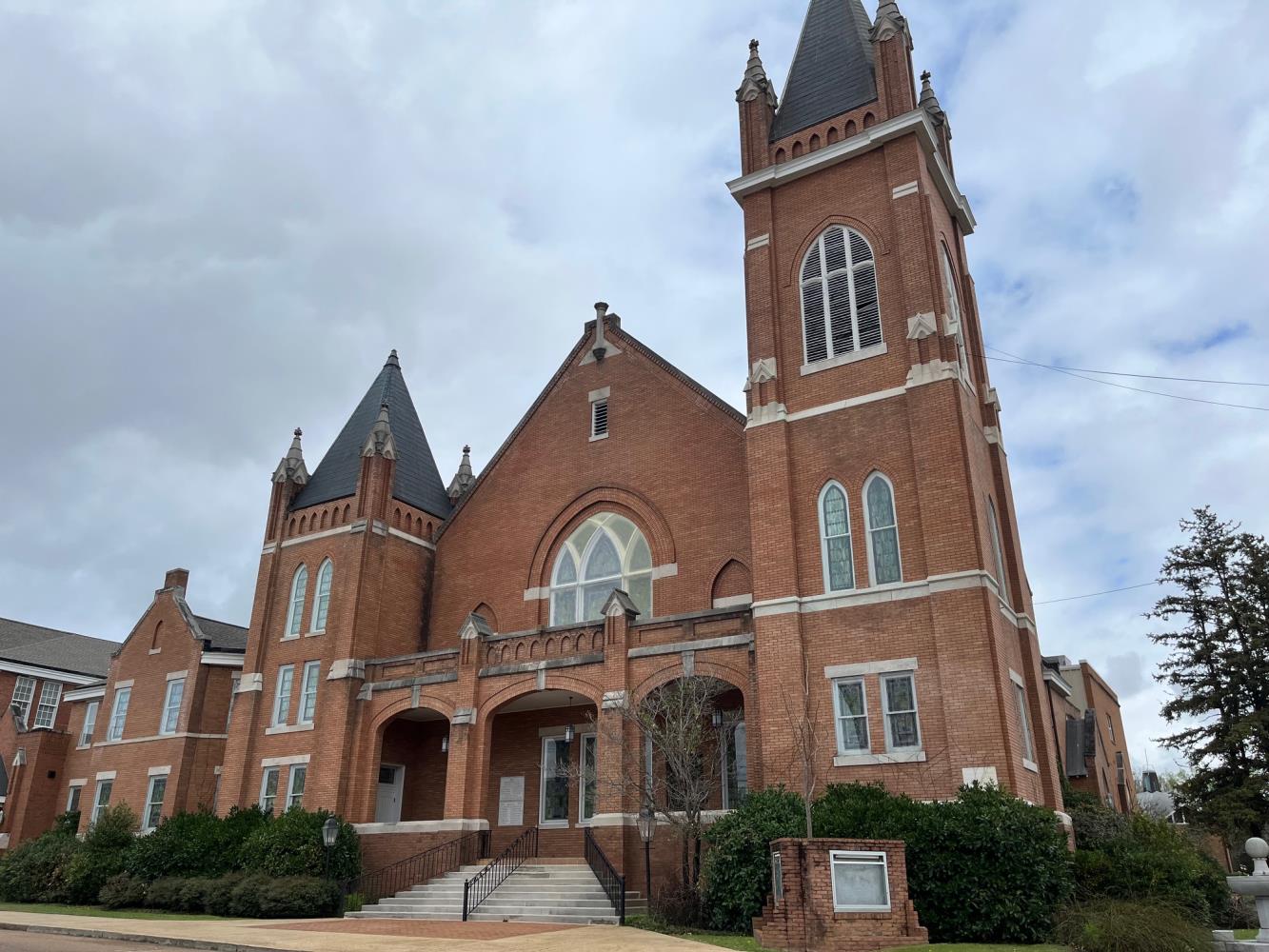
An R.H. Hunt-designed building in Columbus, Ms.
photo by John Shearer
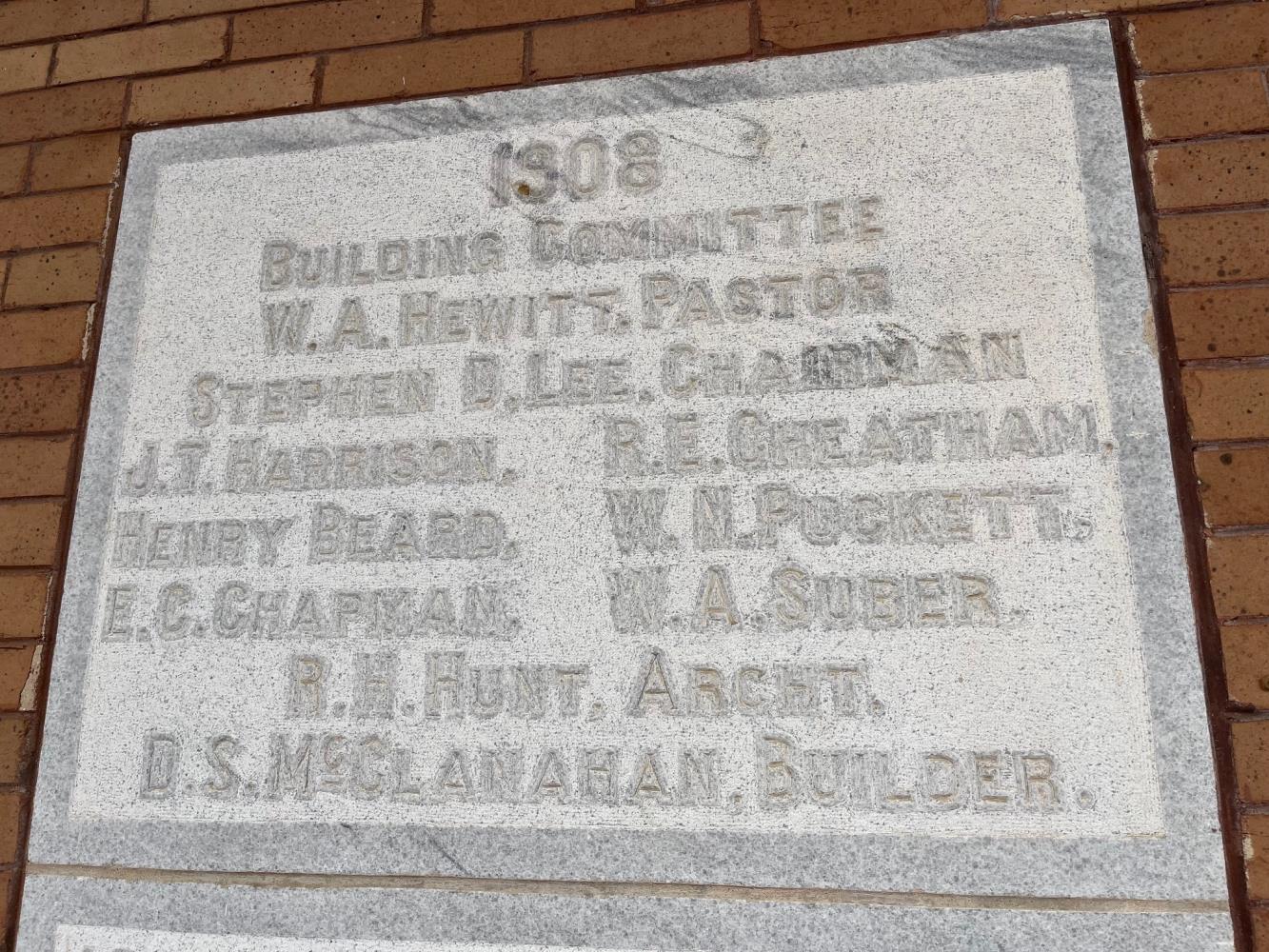
An R.H. Hunt-designed building in Columbus, Ms.
photo by John Shearer
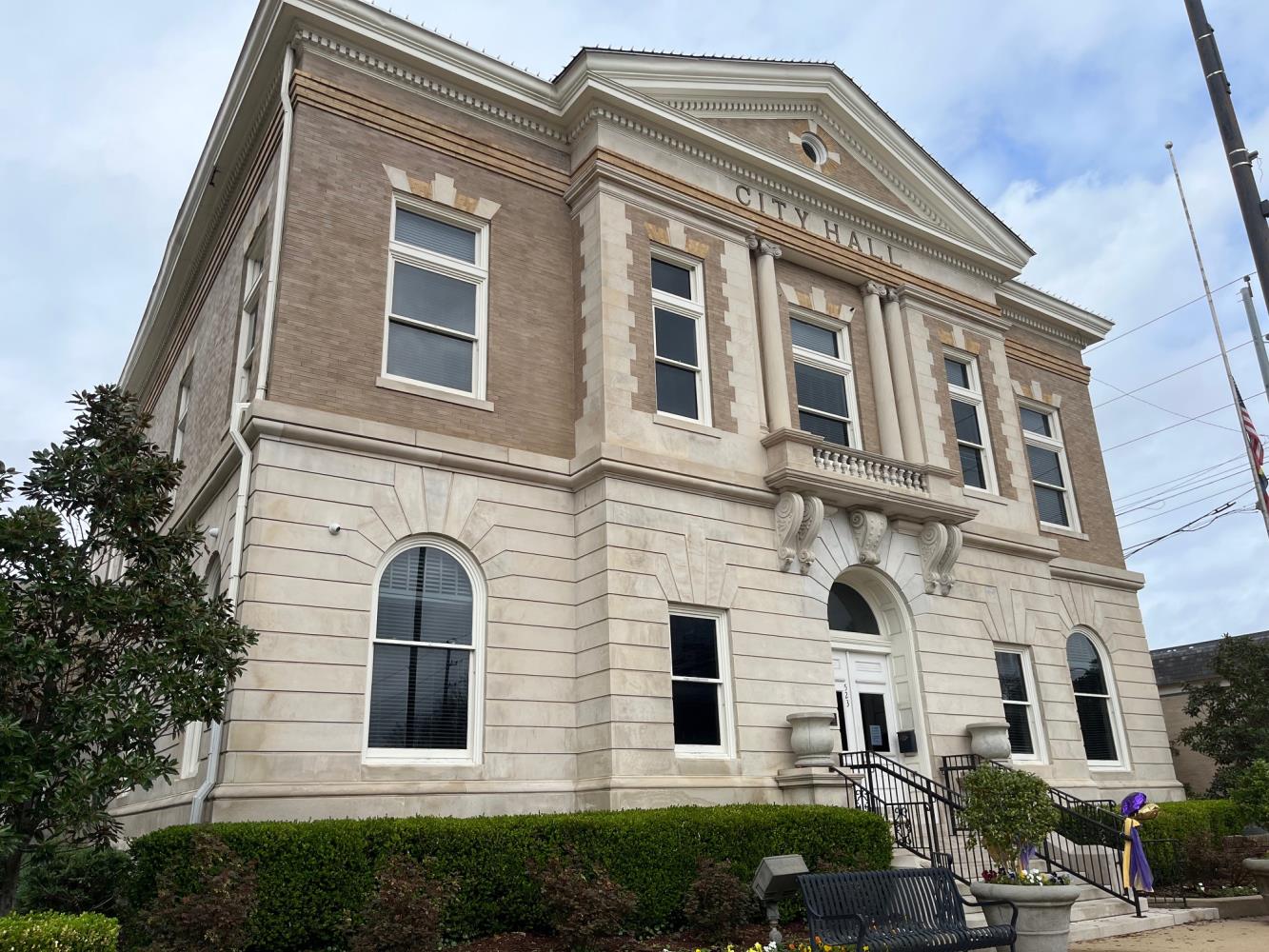
An R.H. Hunt-designed building in Columbus, Ms.
photo by John Shearer
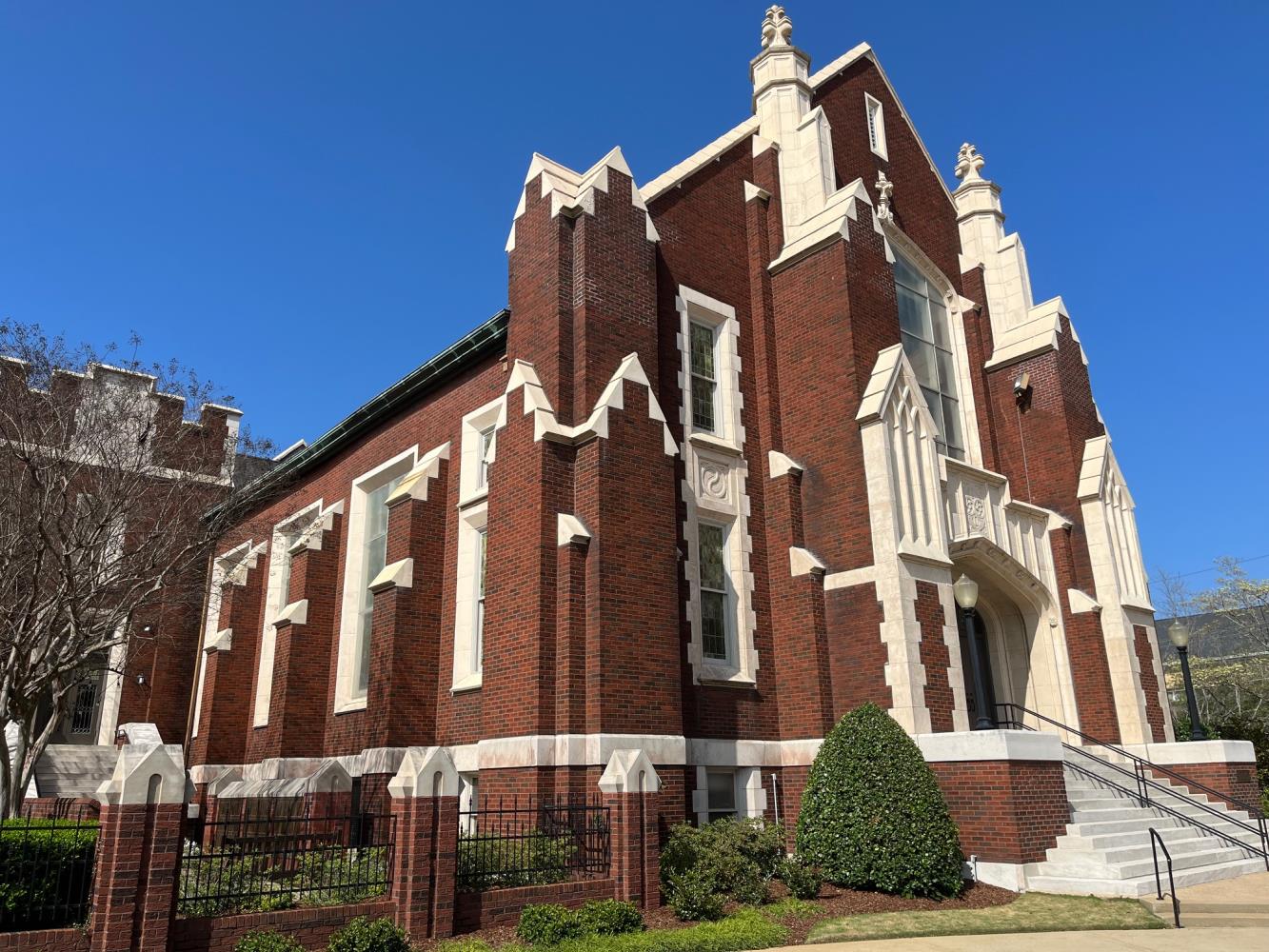
First Presbyterian Church in Tuscaloosa, Al.
photo by John Shearer
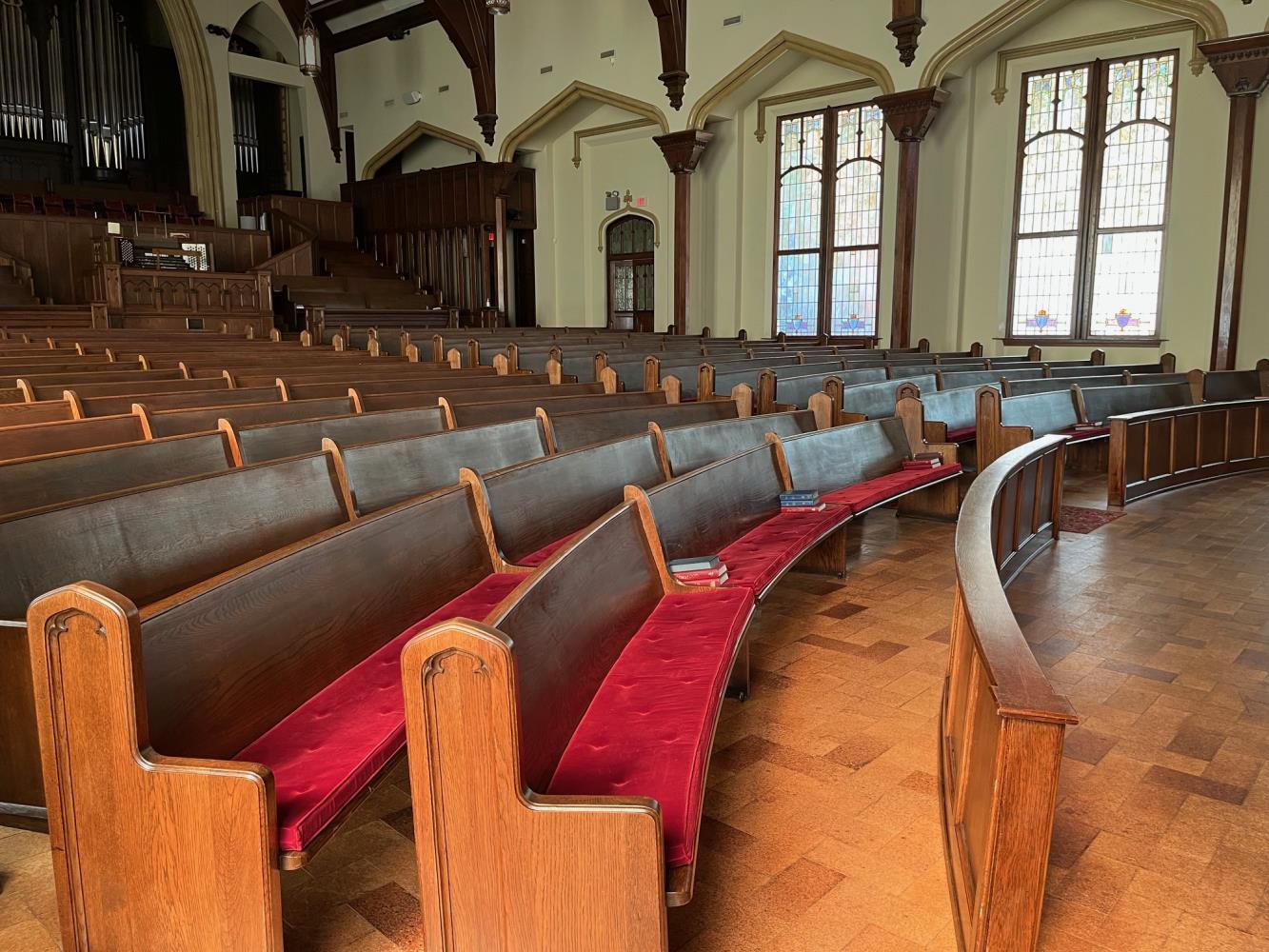
First Presbyterian Church in Tuscaloosa, Al.
photo by John Shearer
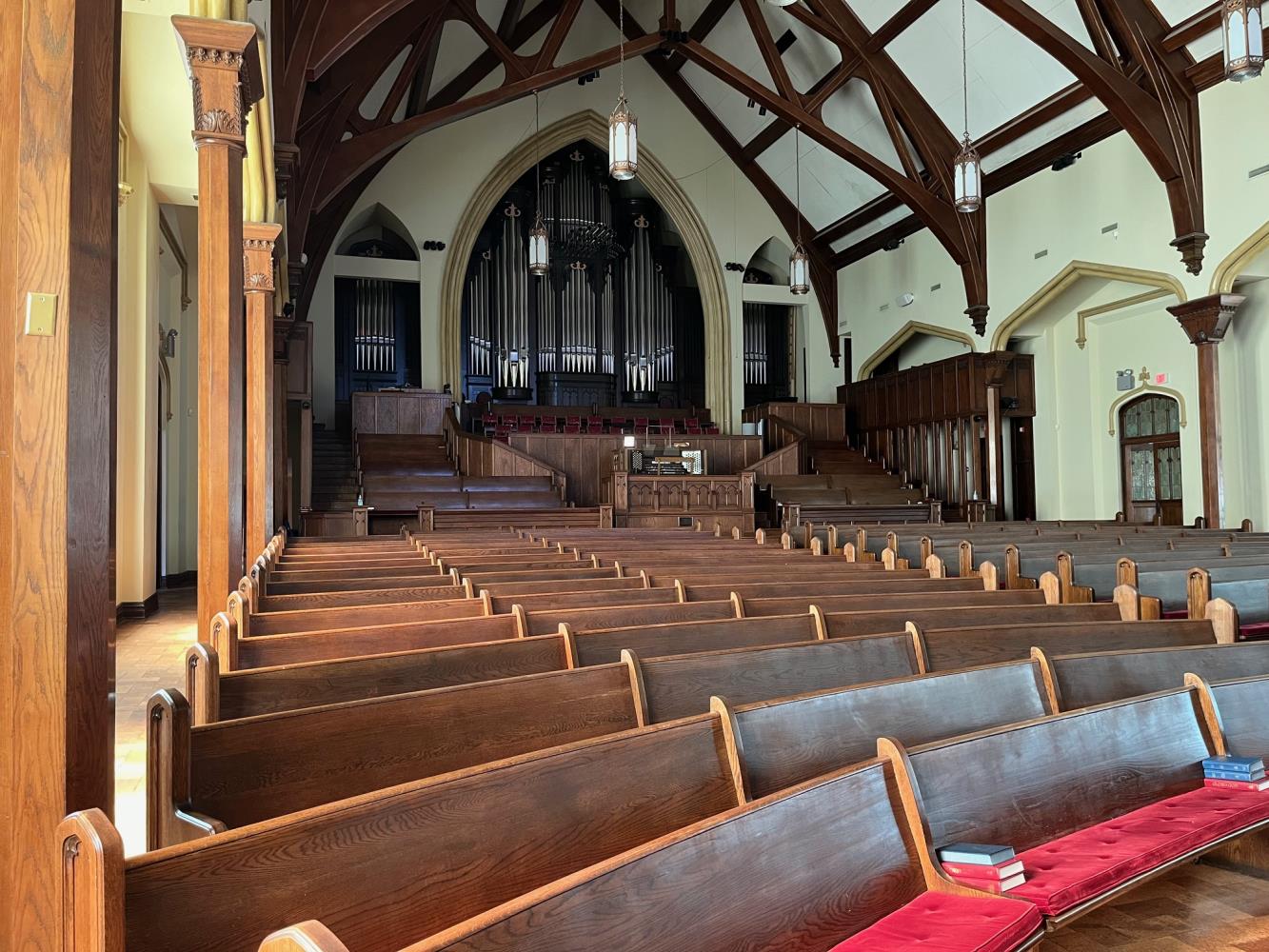
First Presbyterian Church in Tuscaloosa, Al.
photo by John Shearer
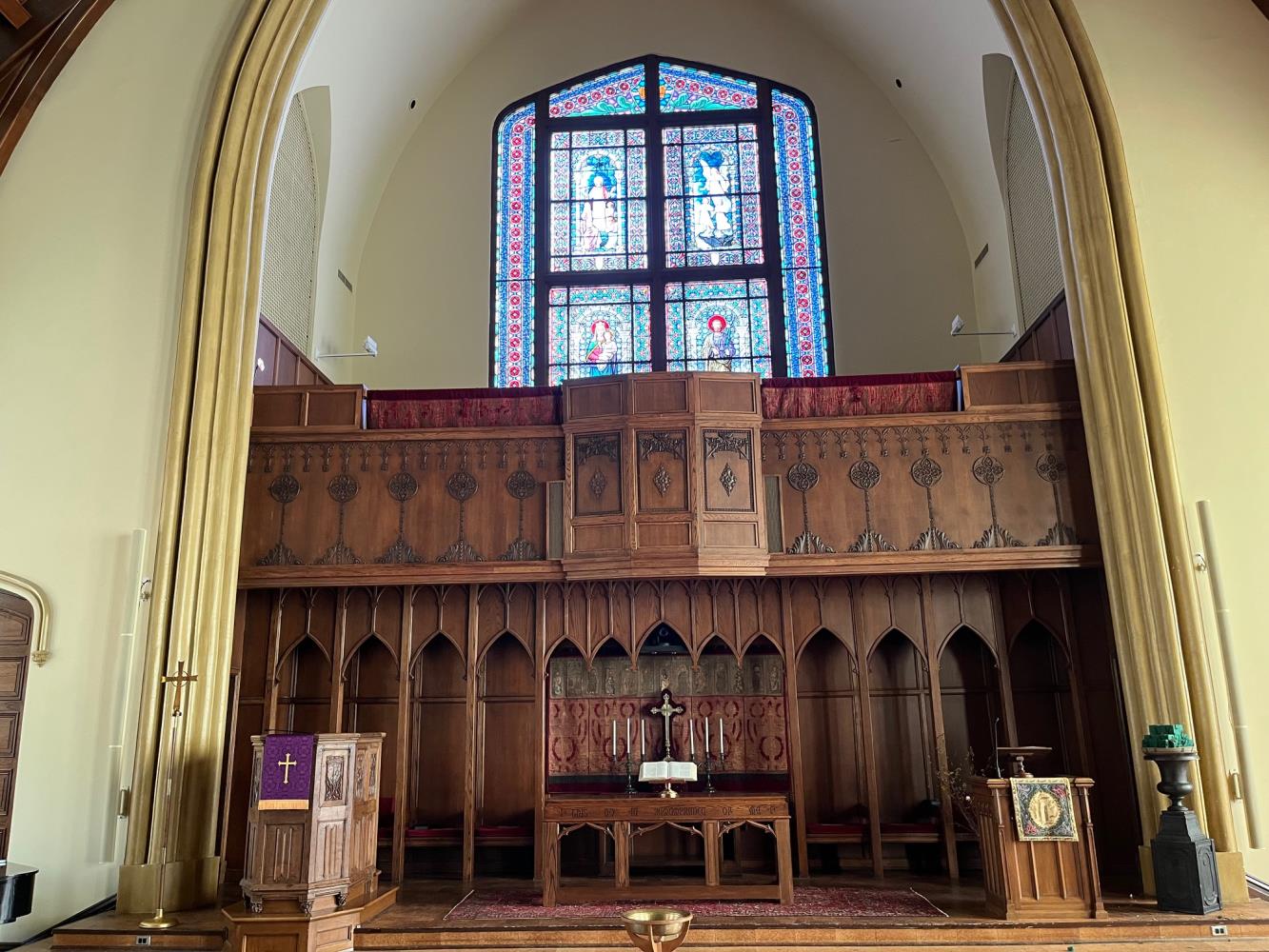
First Presbyterian Church in Tuscaloosa, Al.
photo by John Shearer
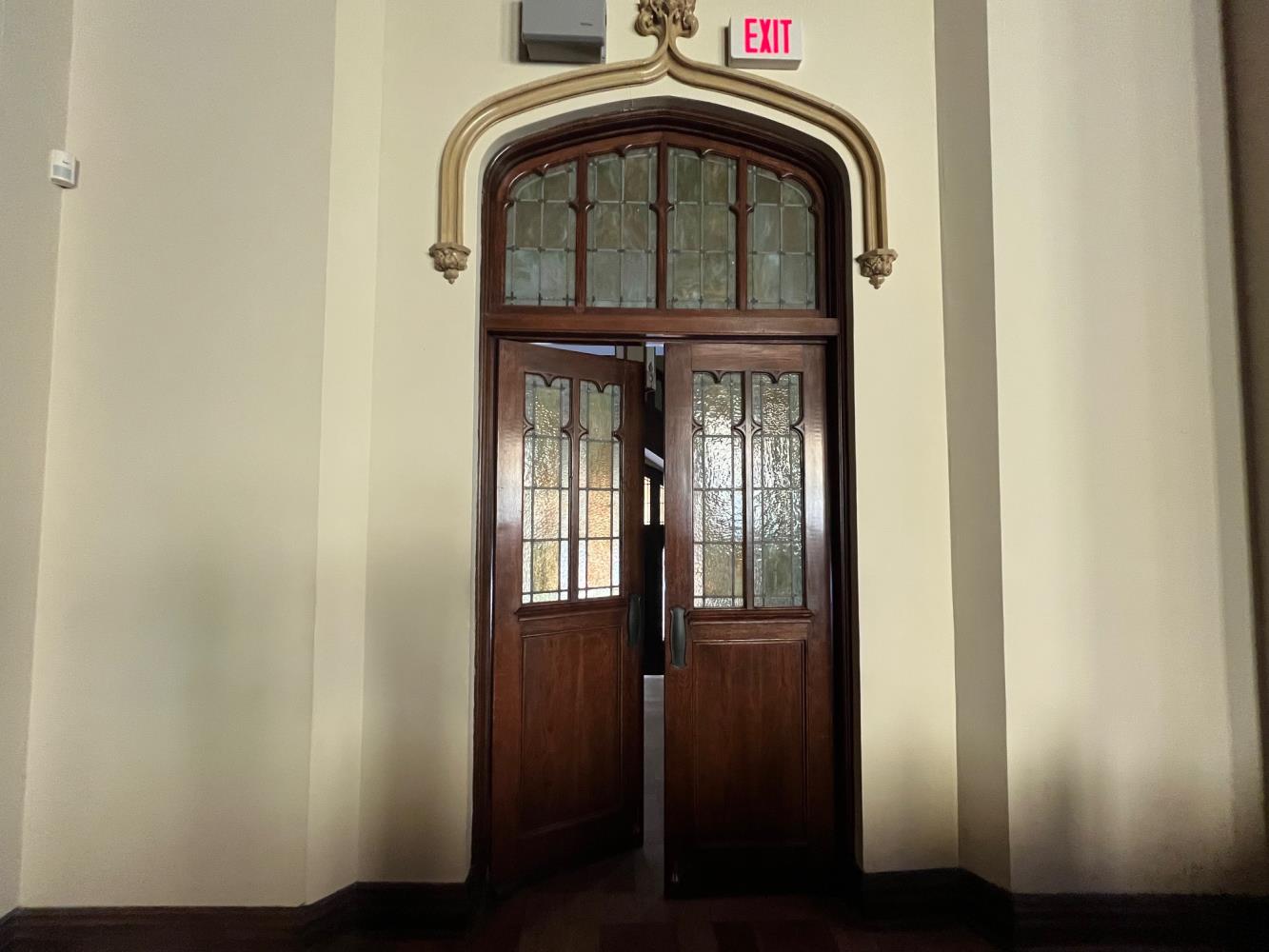
First Presbyterian Church in Tuscaloosa, Al.
photo by John Shearer
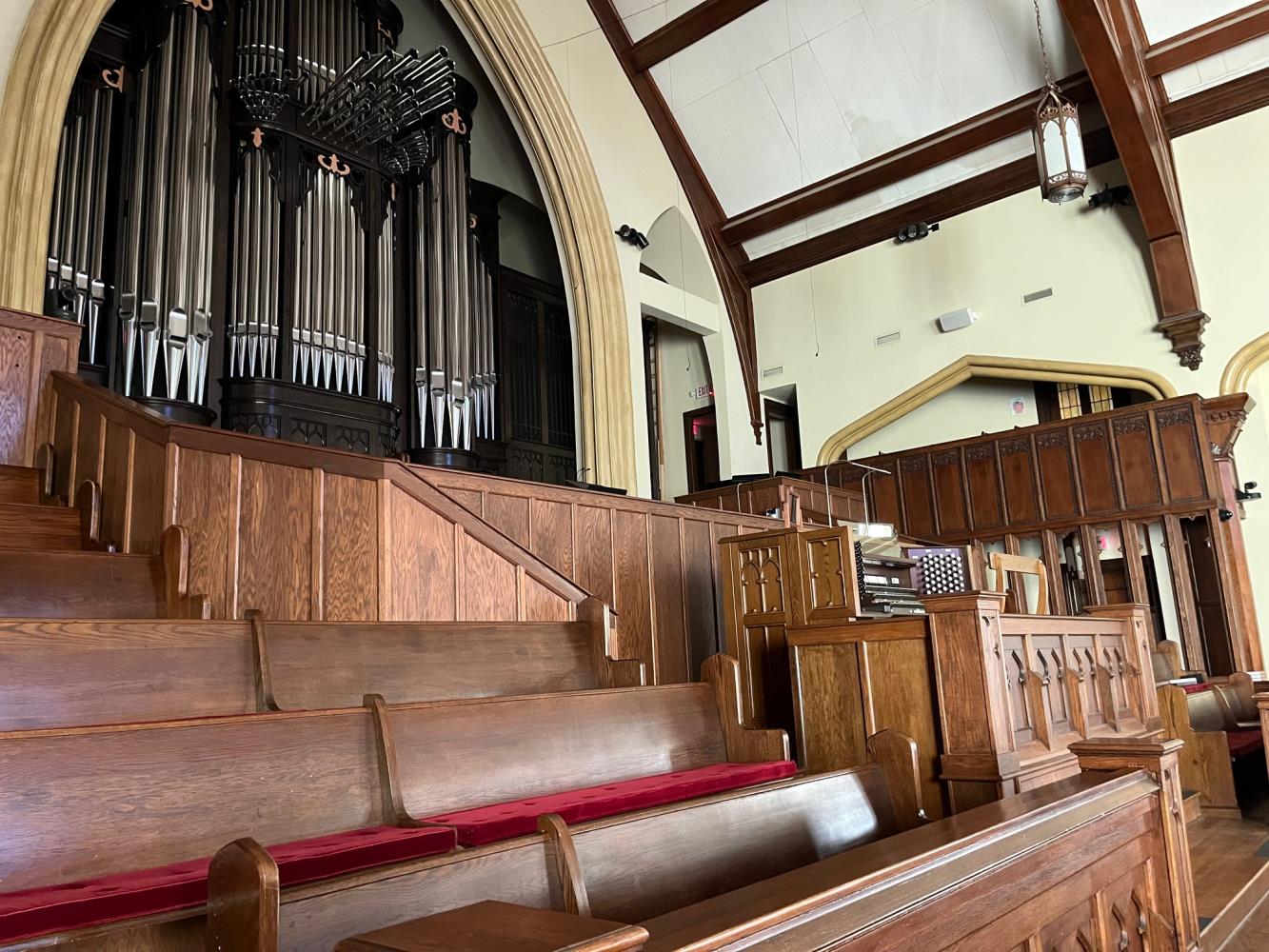
First Presbyterian Church in Tuscaloosa, Al.
photo by John Shearer
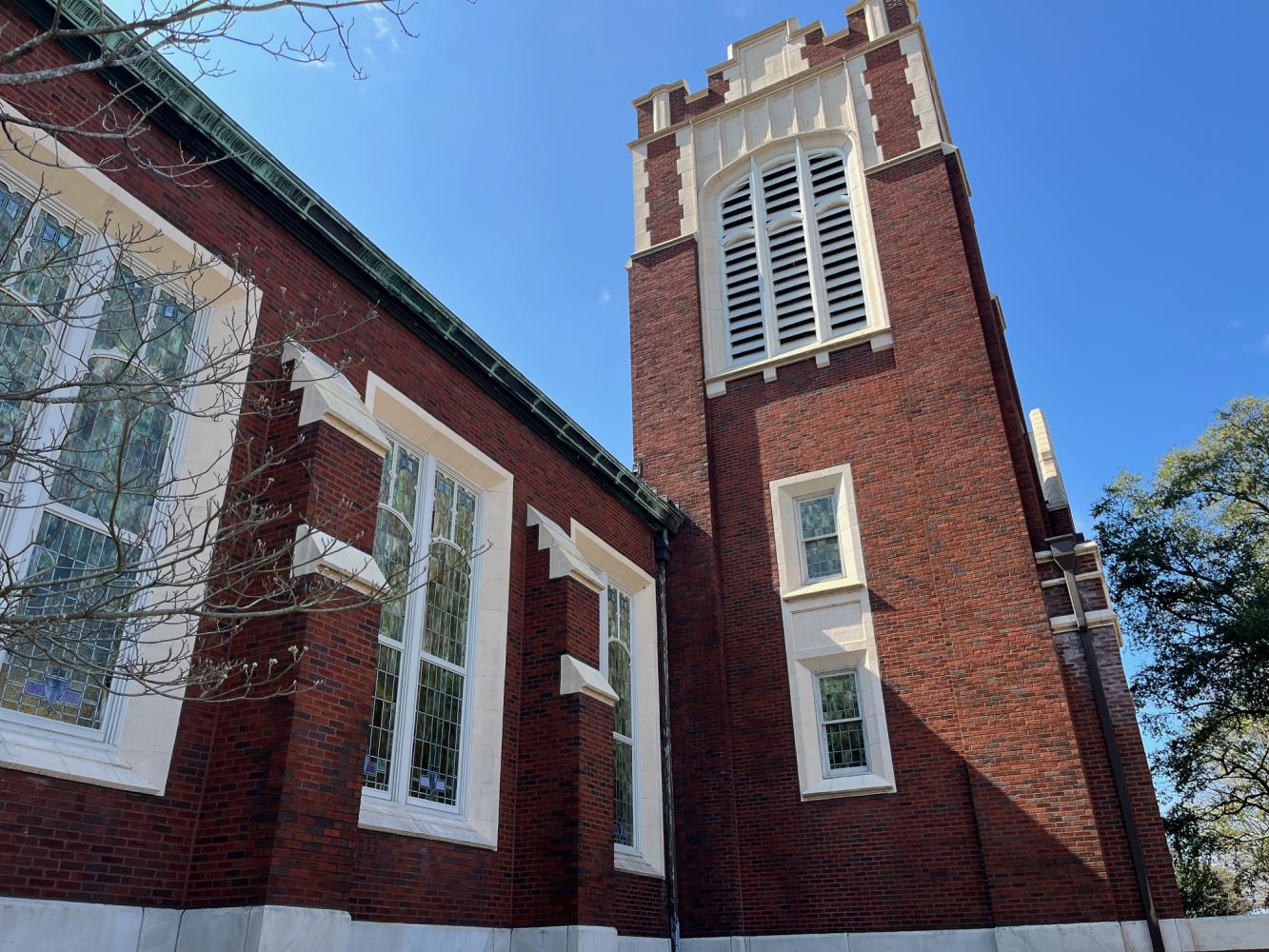
First Presbyterian Church in Tuscaloosa, Al.
photo by John Shearer
Previous
Next
As I have done before in recent years while passing through everywhere from Durham, N.C., to Fort Smith, Ar., to Paris, Tn., I have tried to seek out historic buildings designed by the late Chattanooga architect, Reuben Harrison “R.H.” Hunt.
Knowing or learning how many dozens of buildings he or his firm designed in Mississippi, I decided recently to take a trip to see at least a sampling of a few in the Magnolia State college communities of Starkville and Columbus. And then my wife, Laura, and I stopped on the way back to Chattanooga and saw a simply beautiful church he designed in downtown Tuscaloosa, Al.
What we found overall was a plethora of 10 or more beautiful buildings of old. Although a handful looked like distant cousins to some familiar Chattanooga structures, many did not look anything like some of his buildings here.
But they all had that quality appearance, appeal and even personality, with a few possessing unique or fun-looking features perhaps uncharacteristic of Mr. Hunt’s overall work in Chattanooga. Like dogs at championship kennel club shows are to their breeds, though, they were all excellent examples and configurations of the popular styles of old.
In other words, he was an architect’s equivalent of an excellent writer of non-fiction instead of a good novelist or poet or other creator of fiction. Frank Lloyd Wright, for example, was someone who created his own style, while Mr. Hunt knew how to demonstrate and show well the styles already out there.
And he must have known how to market himself like a billboard lawyer of today, while still maintaining an honorable reputation as a First Baptist Church member. In fact, he was believed to have given cost breaks to some churches.
As many Chattanoogans know, Mr. Hunt from roughly 1890 until his death in 1937 designed many of the major buildings in Chattanooga in his practice that dealt mostly with commercial structures, schools and churches. Among his still-standing local structures of note are the Hamilton County Courthouse, City Hall, the Waymark Hotel/former Chattanooga Bank Building, the now-covered First Horizon bank building, the Miller Bros., James and Maclellan buildings also in downtown, Chattanooga School for the Arts and Sciences, the old Lookout Mountain Hotel/Carter Hall at Covenant College and, yes, the threatened Medical Arts Building that is part of First Presbyterian Church.
Many idealistic historic preservations are hoping the Medical Arts Building can still be saved at the last minute, despite the church’s official position that the structure’s condition is not good and that it does not meet the church’s current needs.
Unfortunately for his fans, some other Hunt structures have also been torn down over the years, including the old Highland Park Elementary School in recent years with little attention or outcry.
Thankfully for fans of R.H. Hunt, plenty of his works remain, though. And you don’t get to enjoy them just by looking up at them in Chattanooga. You can also see them far over the horizon, as I did by traveling to Mississippi. Also, in contrast to his buildings that are usually nicely adorned with detail without any ostentatious qualities, only a slight amount of detail seems to exist in already published articles regarding whether he was the primary architect of all these buildings.
But of the ones I saw, his name was inscribed on many of the cornerstones, so he was likely the main or only architect of them.
To begin our hunt for Hunt buildings faraway, we left the house on the morning of Friday, March 6, with fears that the heavy rain that had been forecast for the whole weekend would dampen in a different way our trip planned around seeing my alma mater of Georgia play Mississippi State in basketball on Saturday. We arrived in Starkville by the late afternoon following a driving time of roughly just under five hours. And it was thankfully not raining, although signs of rain had been evident along the way.
Excited that a little daylight existed and knowing the names of his buildings through the help of a listing on a well-detailed state of Mississippi-published report and through some additional information provided by school professor Beth Miller via email, Laura and I drove over to the Mississippi State University campus and parked in a lot seemingly near one of the buildings. I had also looked at a campus map to get an idea of the buildings and knew generally where to go.
We also had our 1-year-old Westie, Gracie, with us, so Gracie and I took off on a trot looking for the buildings, while Laura found a table near an entrance to a newer building and sat down and enjoyed its veranda with her iPhone.
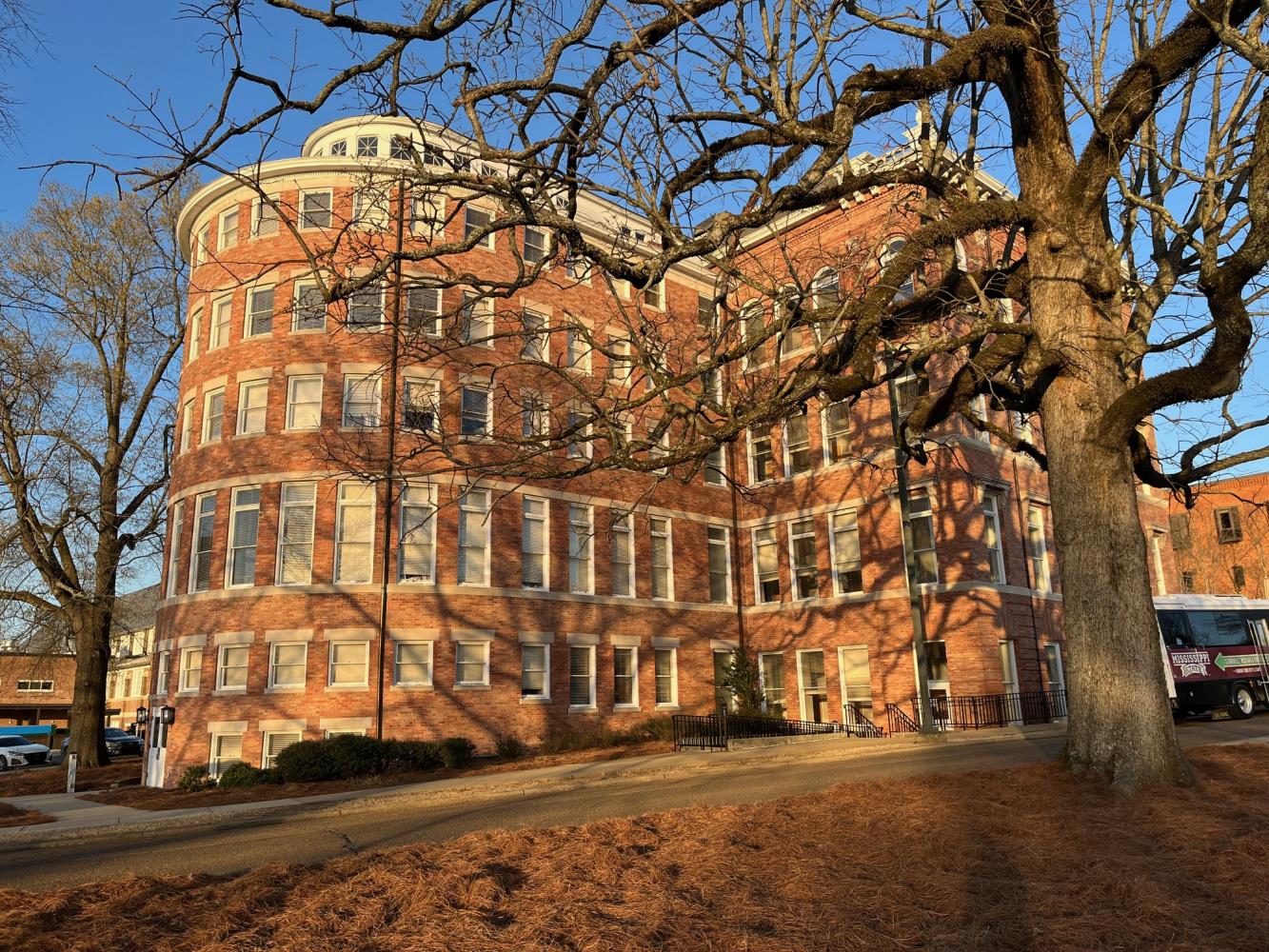
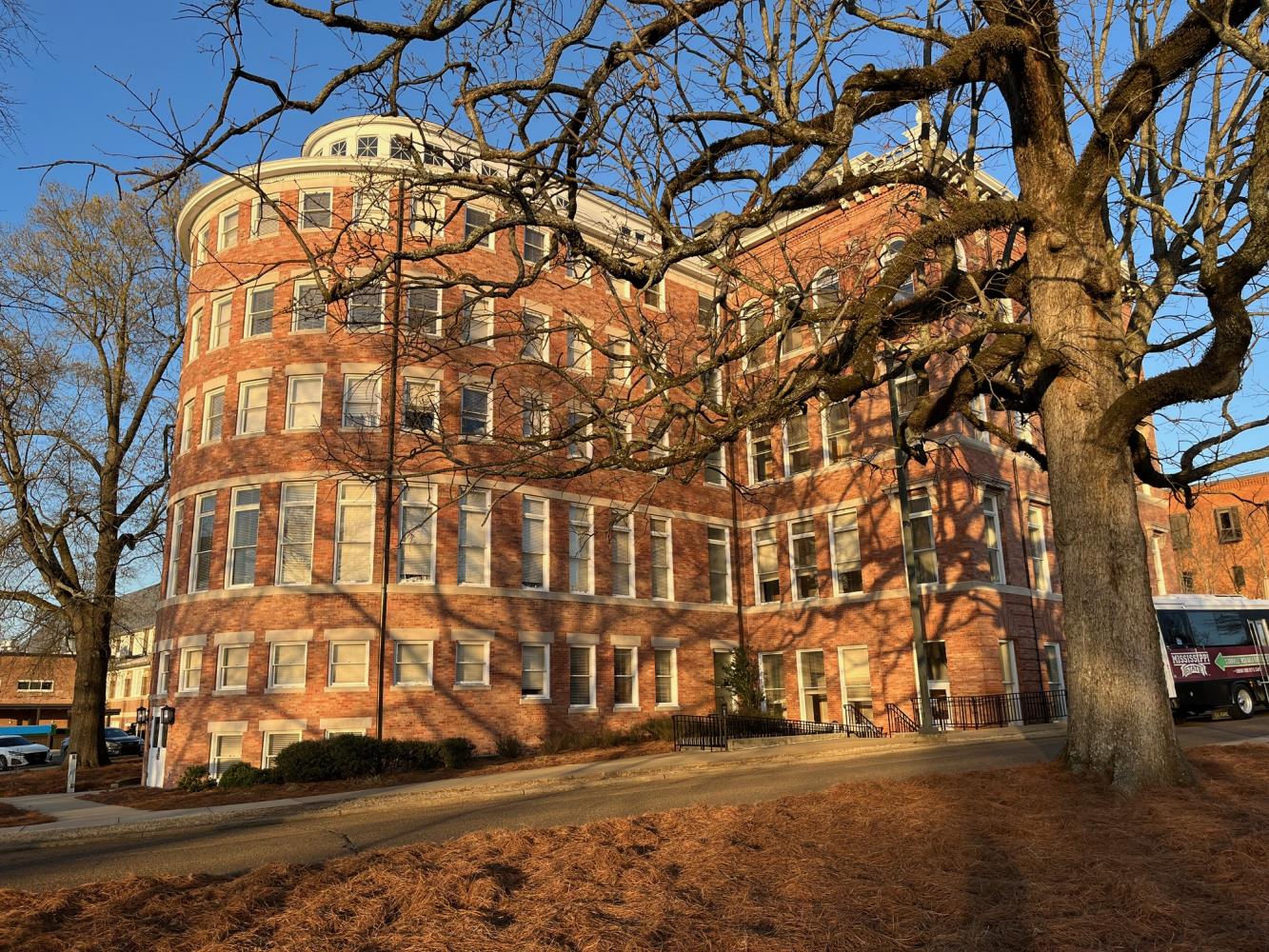
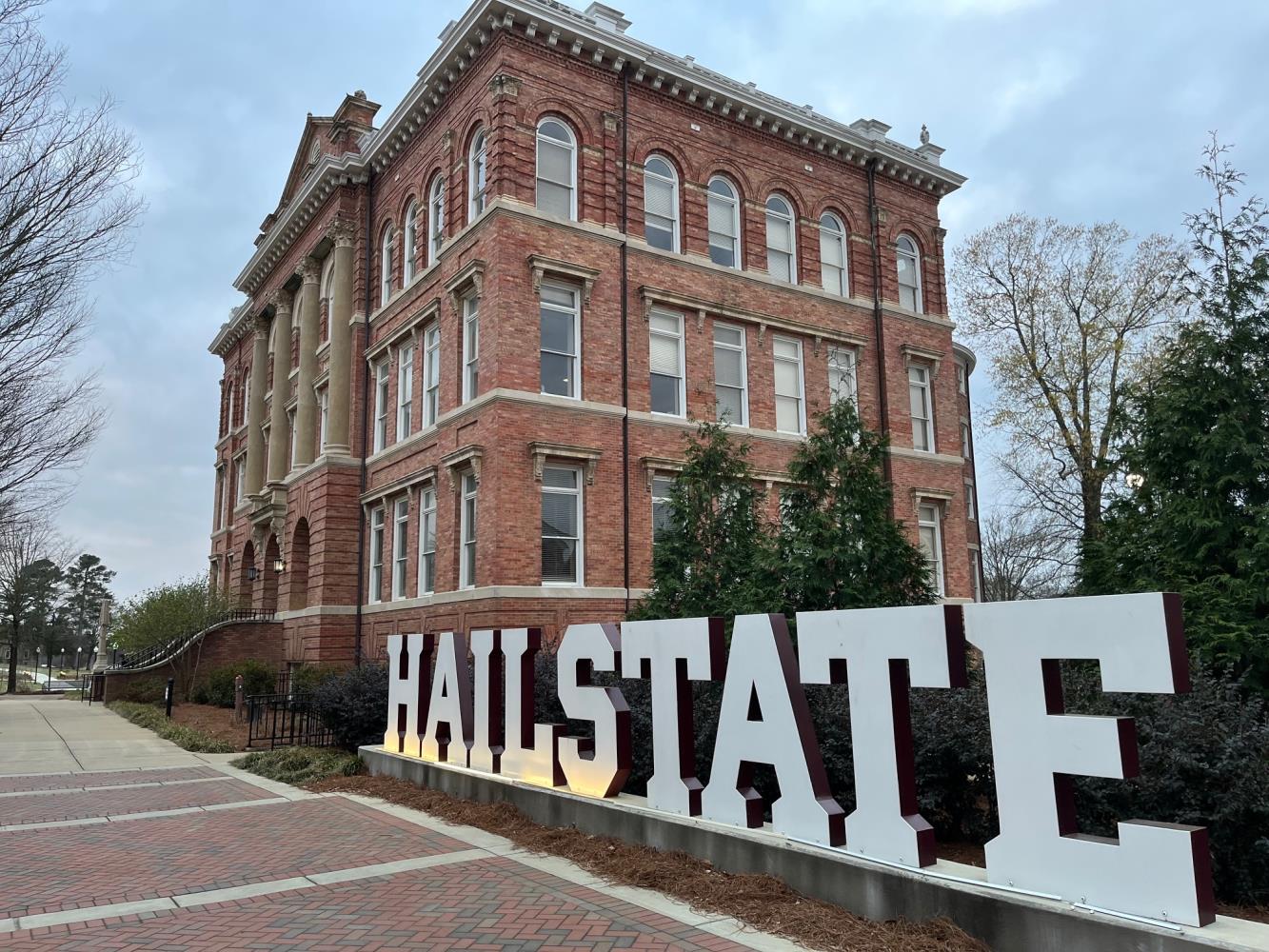
Within a few moments, I saw a historic- and interesting-looking building with a unique rounded wing on one end. And yes, it indeed was one of Mr. Hunt’s buildings, Montgomery Hall. How is that for having fun with a building back in the old days! Just imagine City Hall in Chattanooga having a rounded side on the back.
And as an added modern adornment, this building that also features zig-zag brick patterns in places almost reflective of the later art deco style has a “Hail State” school cheer sign next to it, adding to its role as a campus landmark.
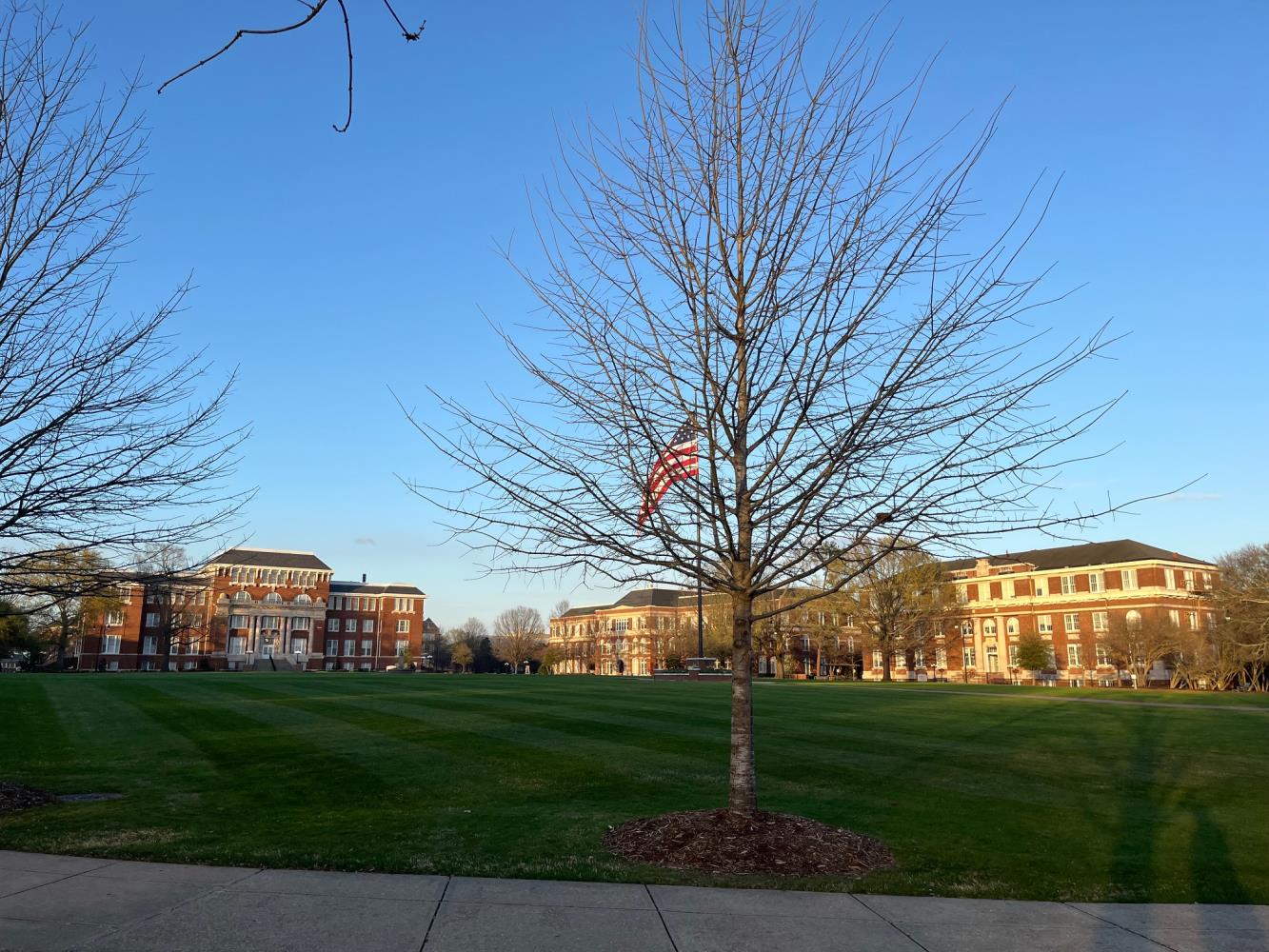
It was built in 1902 originally as a science building and apparently was Mr. Hunt’s first commission at the school, unless he was hired to do several buildings at once. Gracie and I – or at least I — admired it, and then we ran up into the school’s old drill field a few yards away and saw three other beautiful old buildings surrounding it. And yes, all were Mr. Hunt’s buildings.
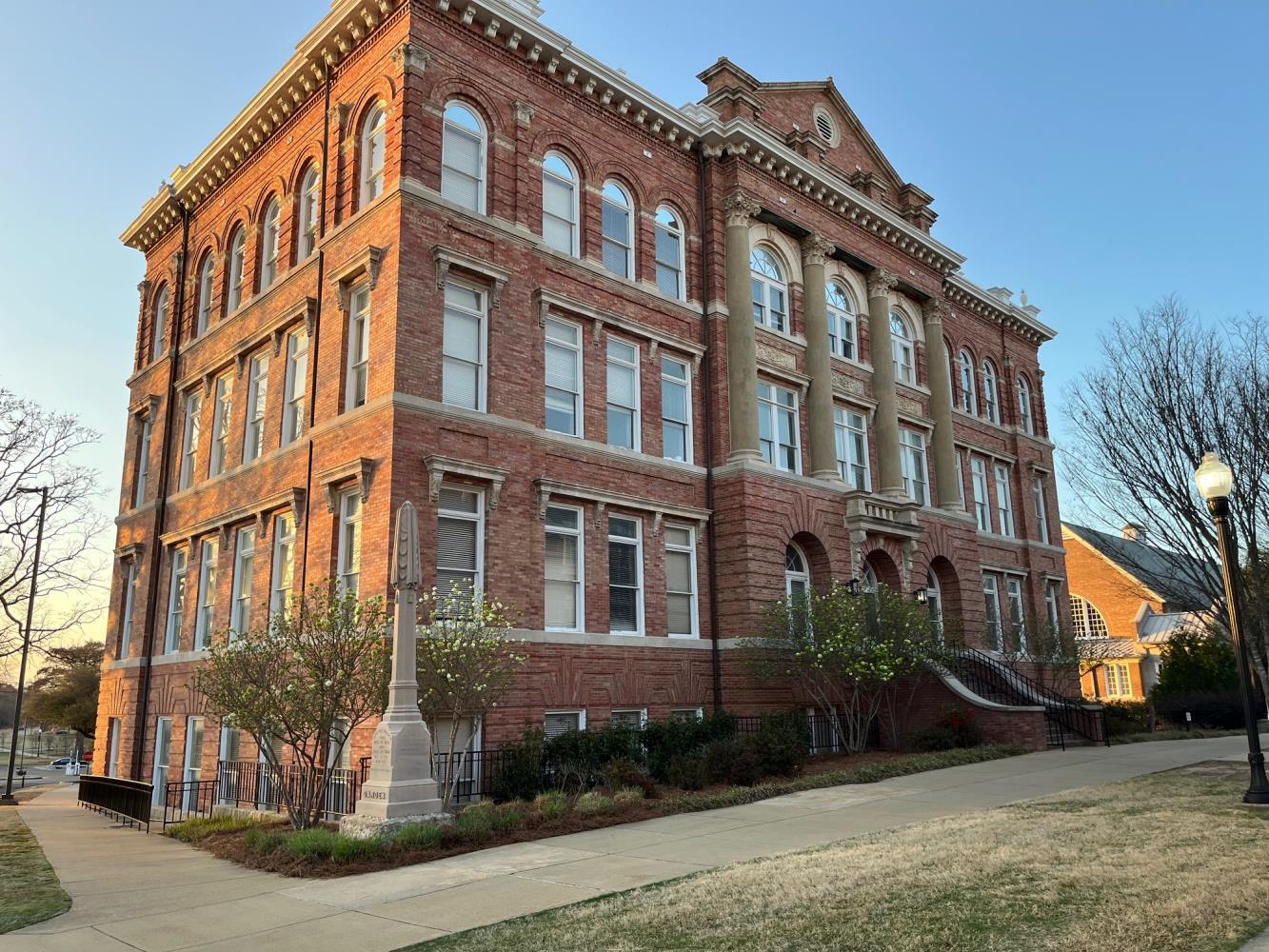
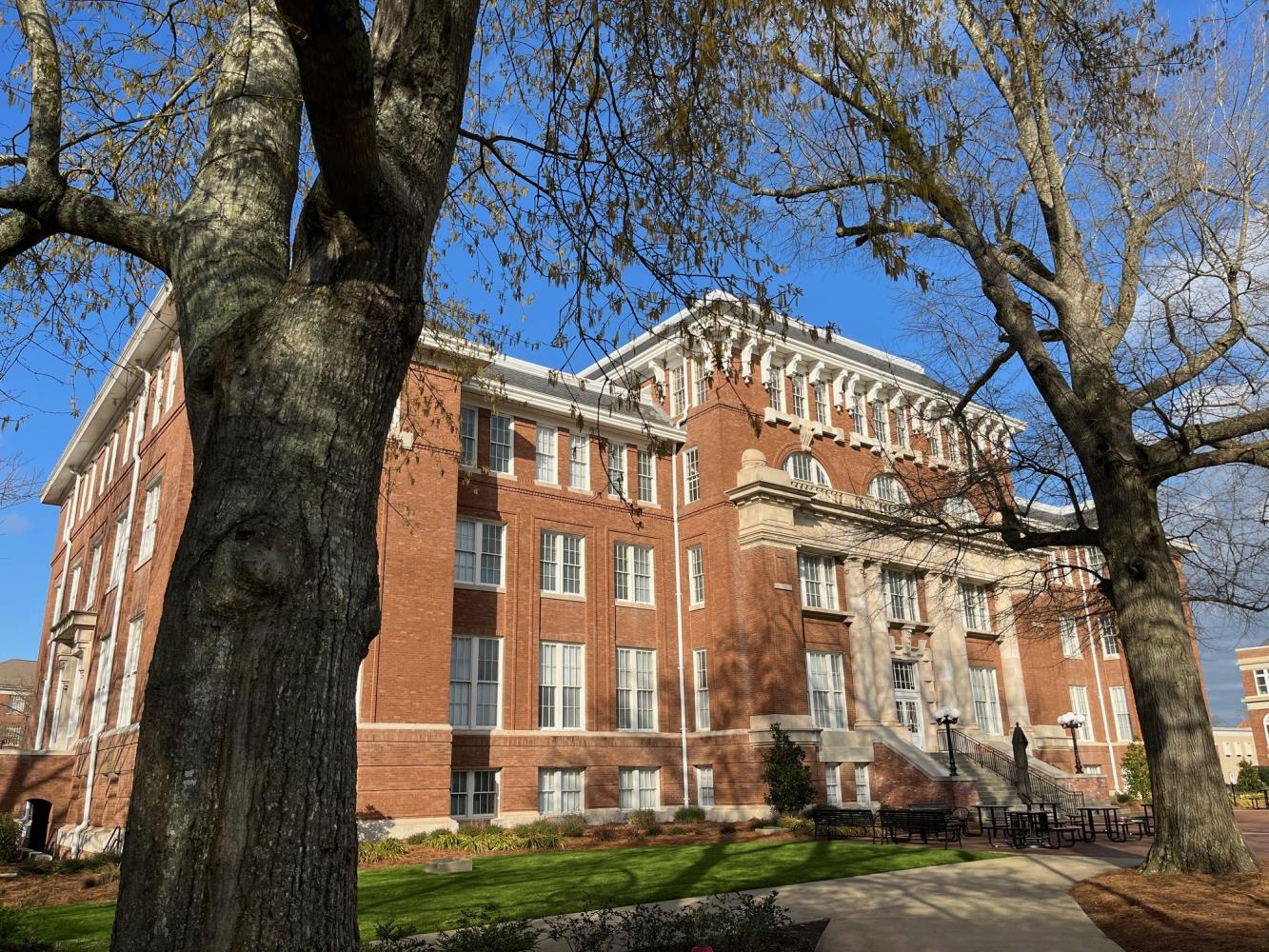
The larger one on one end, Lee Hall, was built in 1903. Named after a former president and Confederate veteran, although not Robert E. Lee, it serves as the office of the president and houses other offices. The English Department is also located there.
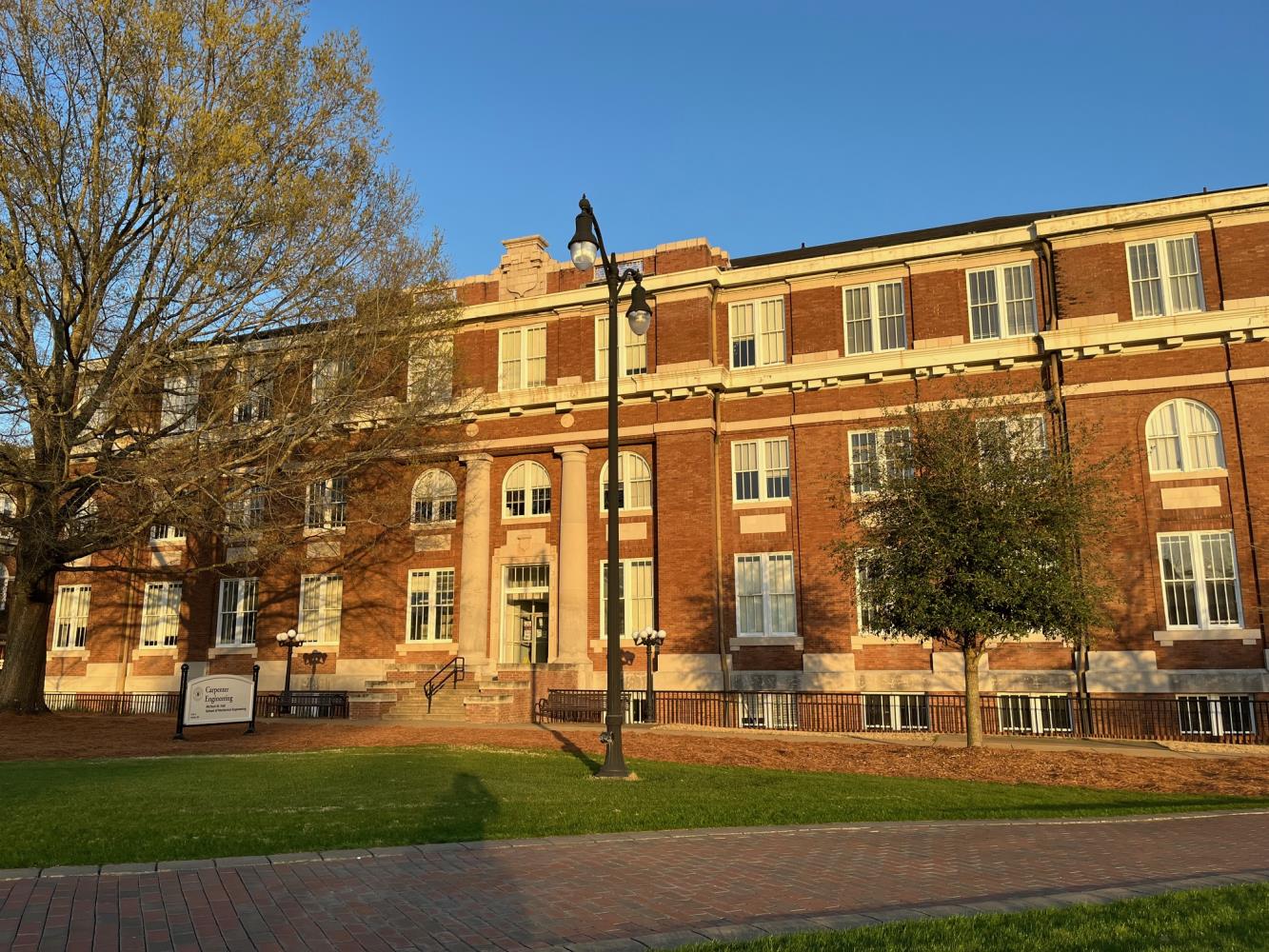
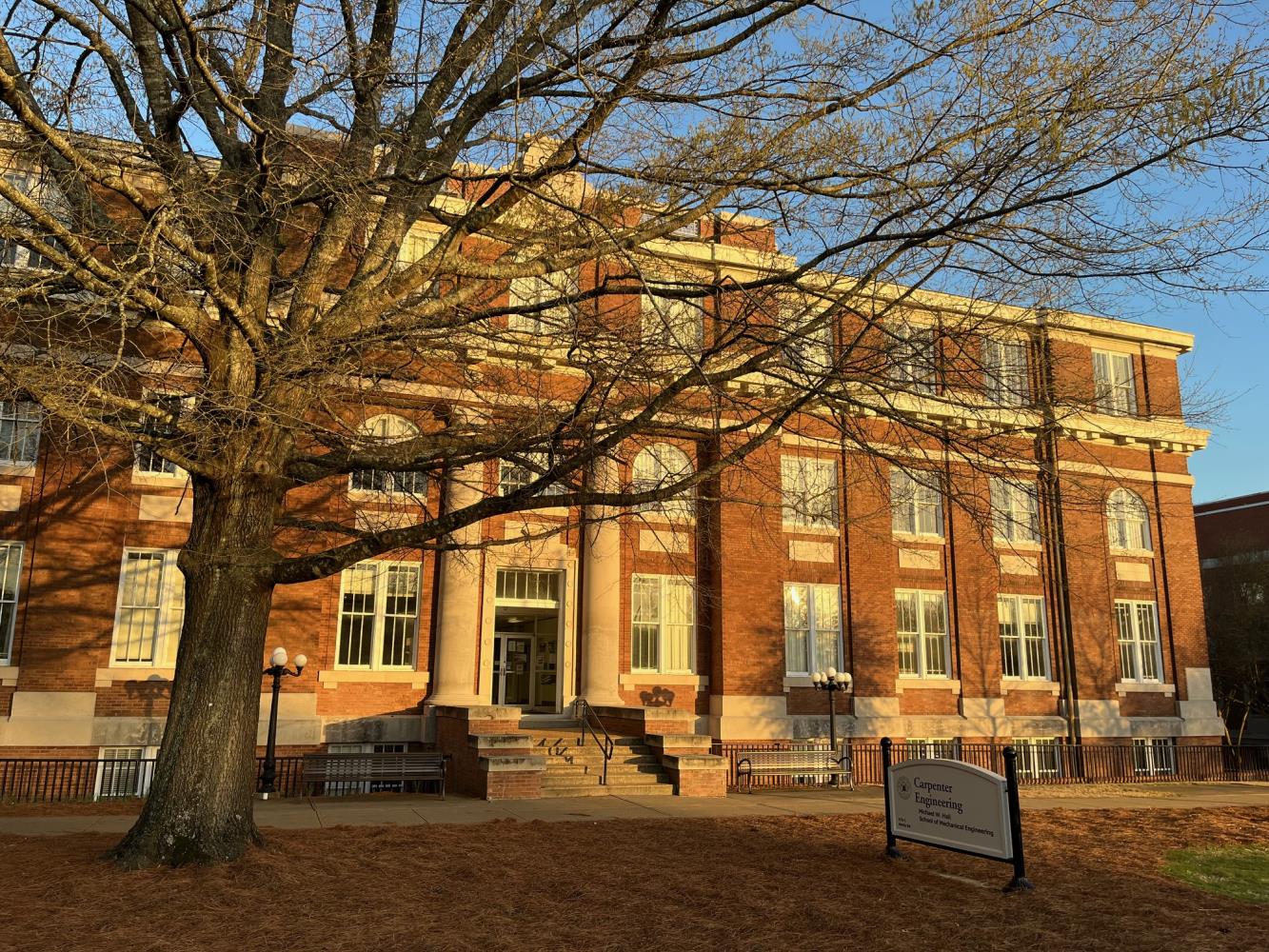
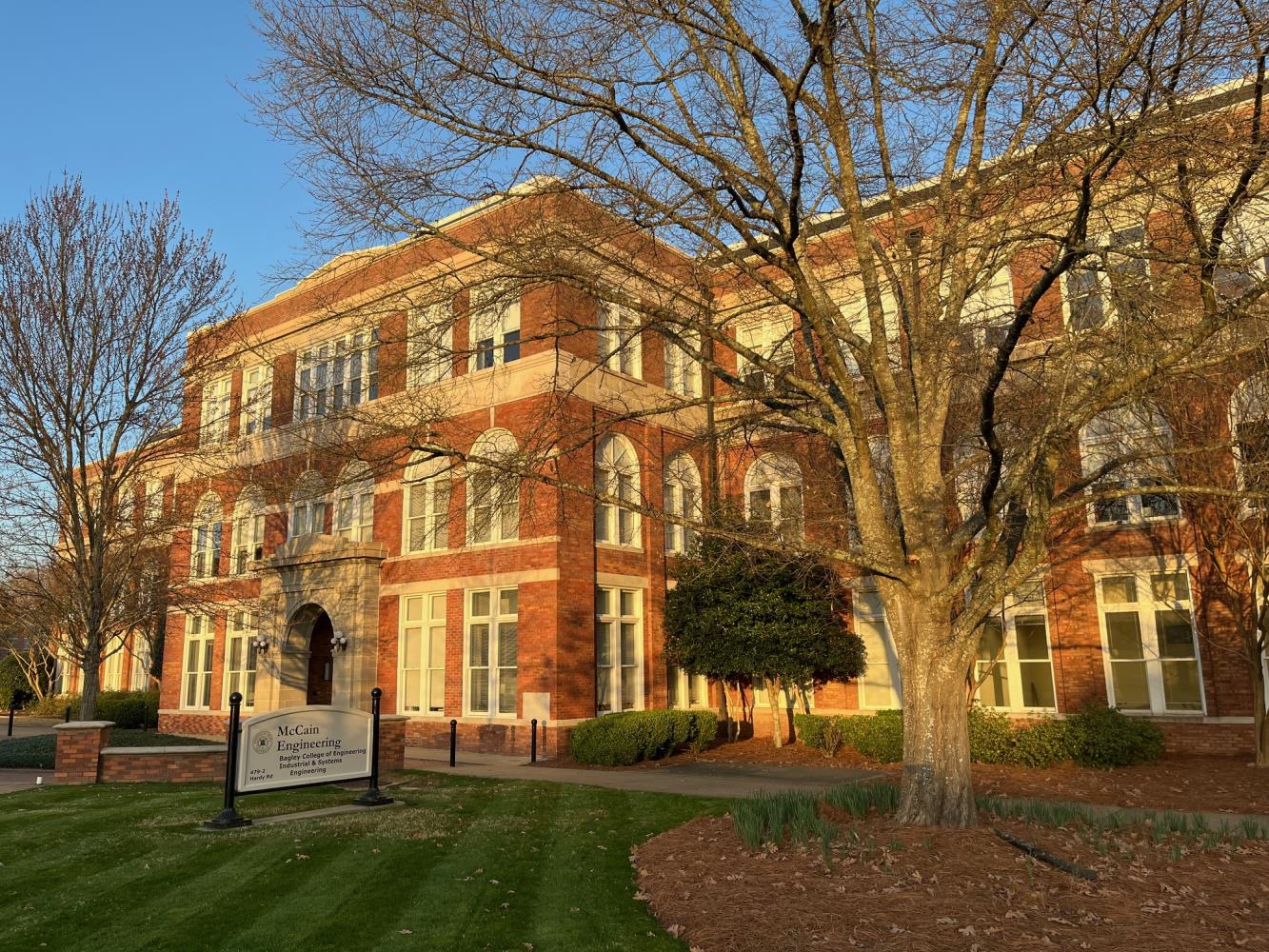
Immediately off to the left as one looks off the front steps of Lee Hall is the McCain Engineering Building, completed in 1905, and just beyond it also on the left from Lee Hall’s front steps is Carpenter Hall, built in 1910-11. It was originally a dormitory but was later converted to other uses.
I would say both the McCain and Carpenter buildings are very nice looking, but not overly eye-catching. They look a little like the Millers building in Chattanooga with rounded window-frame tops in places.
The larger Lee Hall has a dominating presence about it, though, and is enjoyable to glance at. Its setting and presence remind me a little of the Hamilton County Courthouse in Chattanooga, although it features brick. Directly across the drill field more than 100 yards away is Swalm Hall, which was built in 2001 and mostly mirrors Lee Hall at the wishes of benefactor David Swalm. How is that as a tribute to Mr. Hunt’s work!
So excited to see his buildings and realizing that I could take pictures of them when it was not raining and before dark, I became a little emotional and, bursting with enthusiasm, did a quick sprint or two over the expansive drill field. I was renewing my physical strength while letting the views of the buildings renew my soul! And Gracie did not seem to mind getting to run, either!
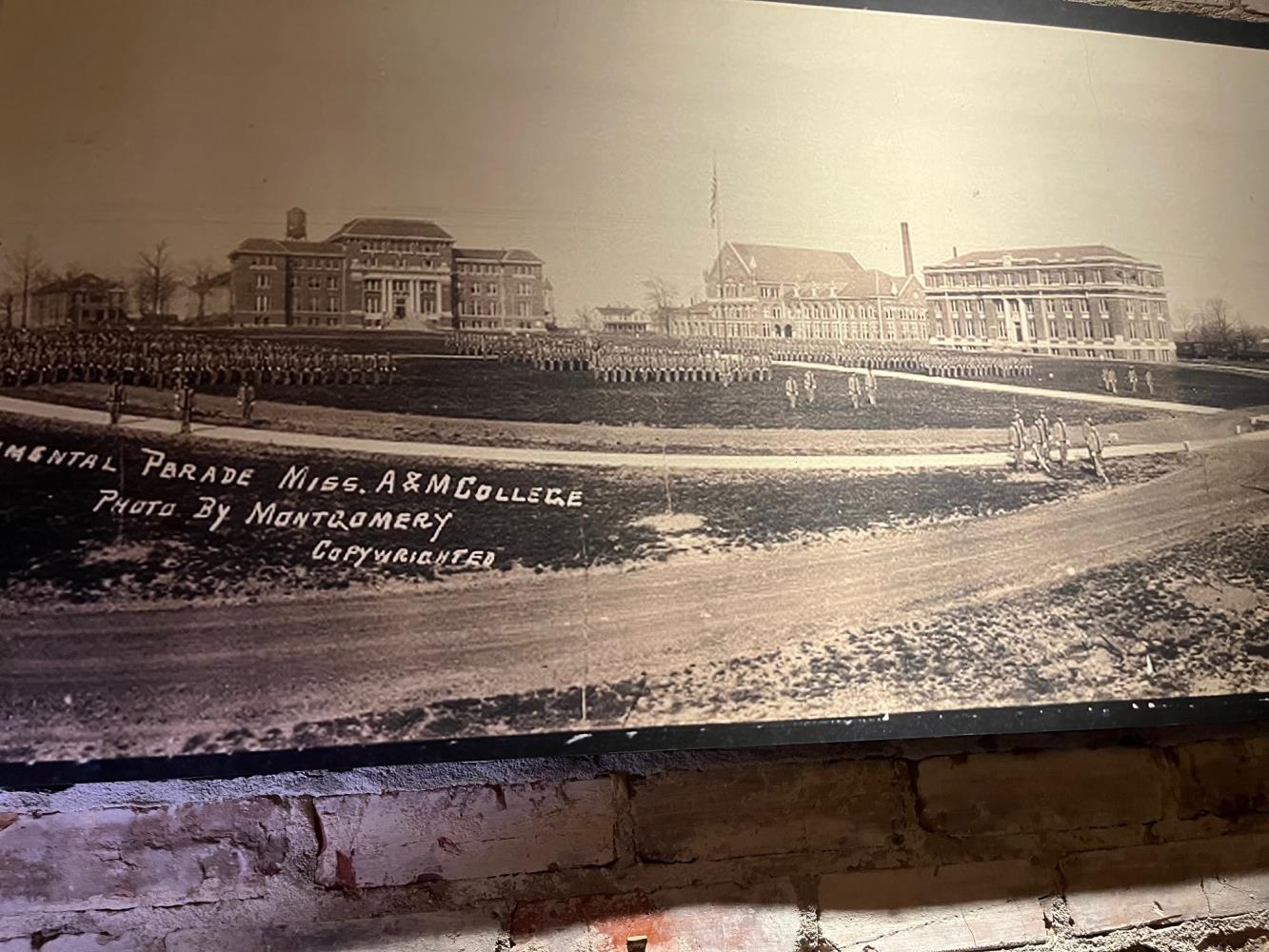
We then went back to the Hampton Inn only about a half mile away, and, with the help of the hotel staff member, went out to eat at the first of three local places she had recommended, and which filled me up and gave me sustenance in yet another way! One of the places, Harvey’s, where we went Saturday night, had a historic panoramic photograph inside featuring Mr. Hunt’s buildings in their early days.
But that Saturday morning after arriving the day before, I had gotten up and drove back to campus for a morning jog with Gracie, and this time found and took pictures of the plaques on the corners of all four buildings that listed him as the architect. Needless to say, I hoped I did not get picked up by a security camera trudging through the flowers and pine straw mulch by the buildings to examine them!
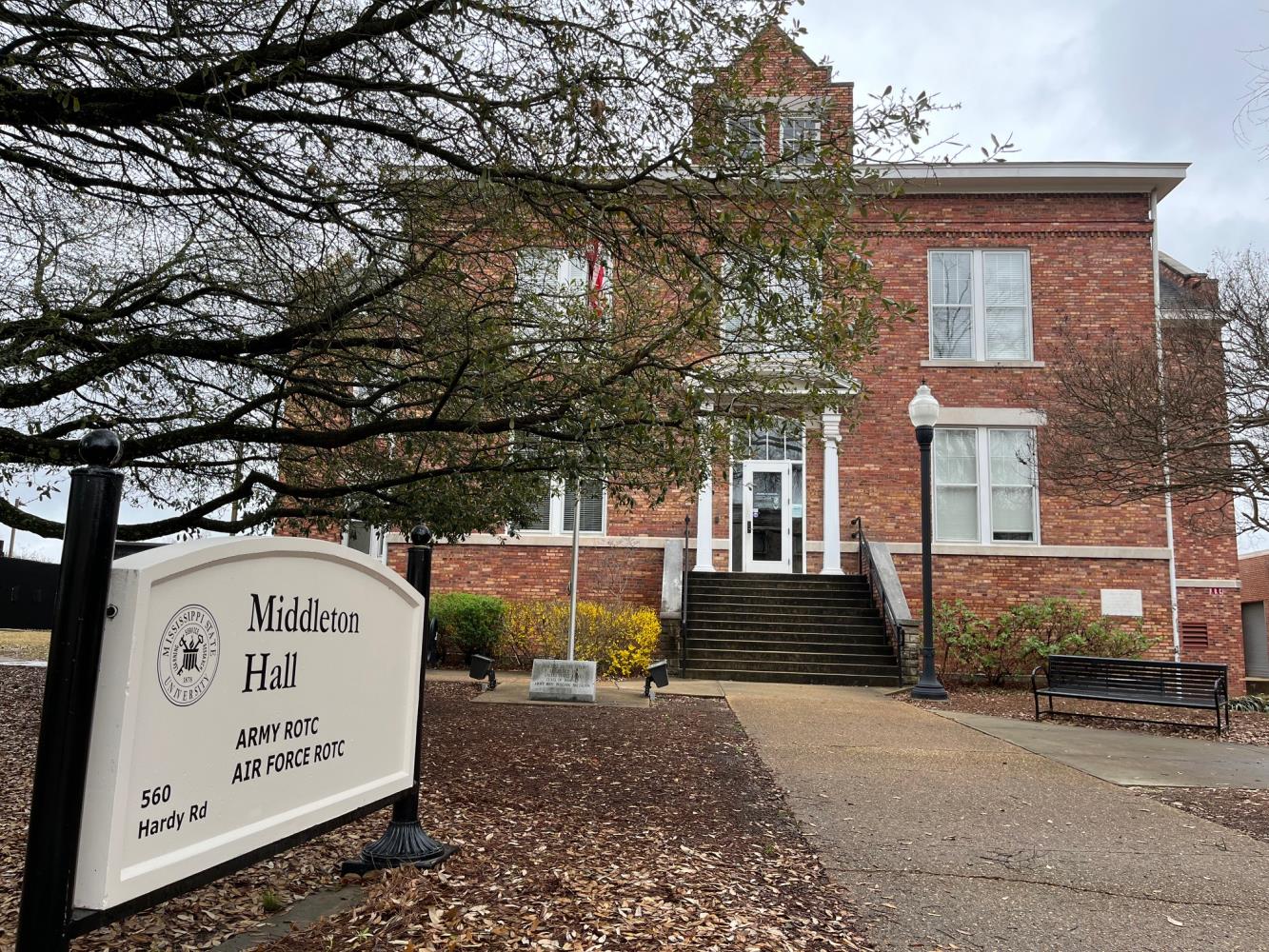
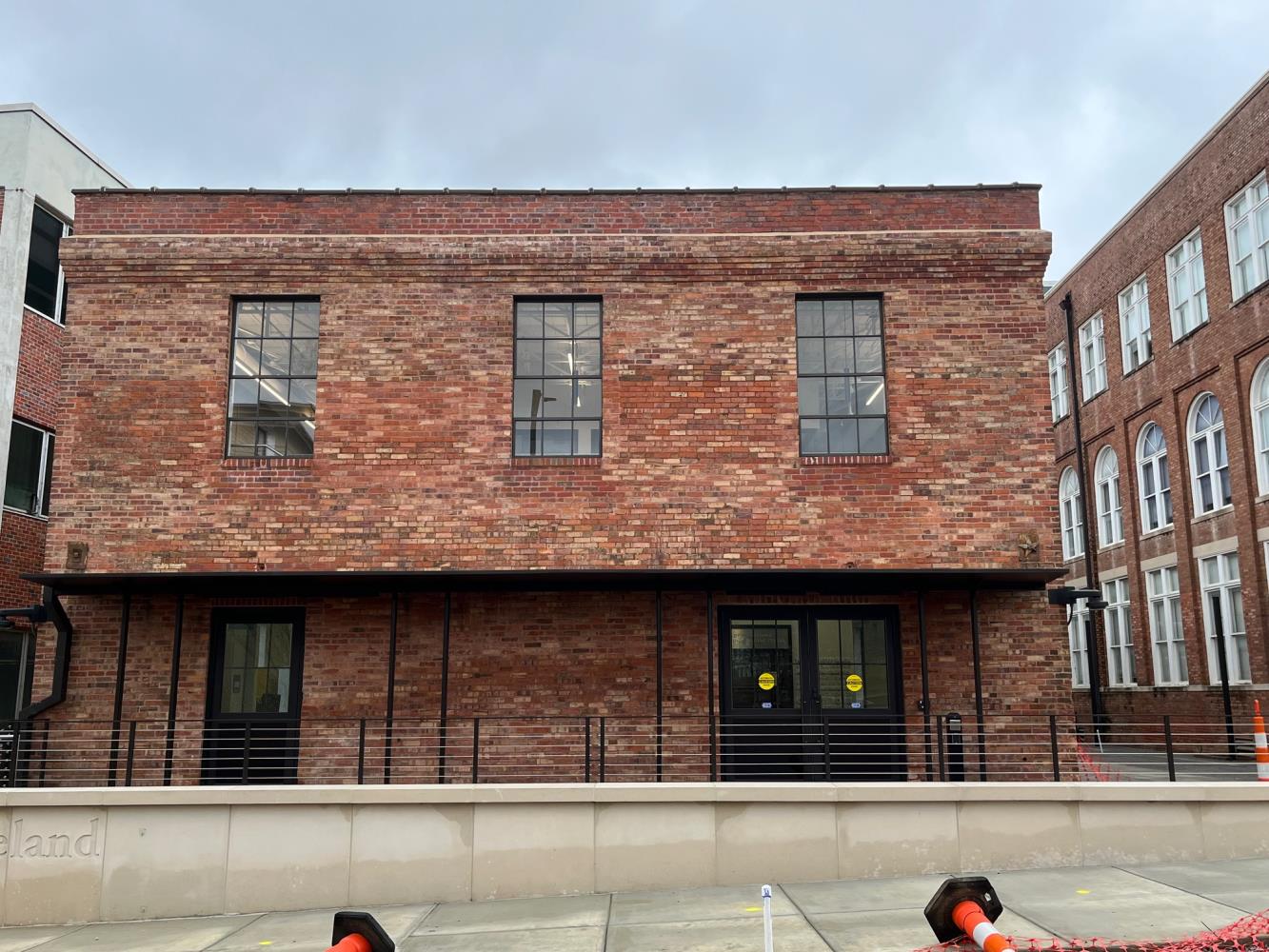
And in a followup visit to this part of campus Sunday morning, I realized he had designed two other nearby buildings, the Middleton Hall ROTC building/former Dairy hall, built in 1905, and the small and more functional-looking Materials Testing Center from 1909. The latter has been recently remodeled.
Since we were there on the weekend and left early Monday morning, I did not try to get inside the buildings and know I likely missed out on seeing some additional architectural beauty.
I did learn that Mr. Hunt had designed some other buildings on campus, including part of the Old Main dorm, which at one time was considered the largest campus dormitory in the United States until being destroyed by fire in 1959. He also designed the pretty former Oktibbeha County Courthouse in Starkville before it was replaced in the 1960s. Yes, that is an unusual name for a county, isn’t it!
Mississippi State – perhaps the most rural college community in the Southeastern Conference — overall is a pretty campus and had several other very interesting buildings designed by other architects. Those included the Collegiate Gothic style Harned Hall, the Industrial Education Building, the historic YMCA Building and the hauntingly beautiful Chapel of Memories and bell tower built in 1965. The tower, by the way, was made from bricks from the structure damaged in the 1959 fire.
My original intention for Sunday morning was to visit Mr. Hunt’s 1912 First United Methodist Church in Aberdeen, Ms., about 45 minutes away and go to the service, since we are United Methodists and my wife is a mostly retired UMC minister. I had even made phone contact with someone at the church, who kindly invited us to come and take pictures.
But when I woke up Sunday morning – after a Saturday afternoon and evening rain but better weather thankfully on the way – I realized that might be a little too ambitious of an itinerary. That was, especially since I also wanted to visit that day the Hunt-designed buildings in Columbus, Ms., just 15 or 20 minutes away.
So, after breakfast we made plans for a less-packed visit to just Columbus. This town is home to the Mississippi University for Women, a now-coed school, and Mr. Hunt designed several buildings for this college, too. He also worked on plans for buildings at other colleges in Mississippi, including at the state’s most famous school, Ole Miss.
As soon as we pulled into the entrance of this school in this town that had some nice, old and seemingly neglected homes, I saw some simply beautiful old buildings on the campus. And to my great satisfaction, many of them were designed by Mr. Hunt, my old friend I never met.
From 1896 with Columbus Hall until at least 1911 with Shattuck Hall, he designed roughly eight or so buildings for this college. And they all seem to be of different styles, from Victorian with the Franklin Hall building from 1900 that looks more like a home, to the colonnaded Poindexter Hall music building from 1904 and which seemed to be my favorite Hunt building there with its tan brick reminiscent of some Chattanooga mansions. The latter almost uniquely also gave the impression that any side could have been its front. It was that pretty.
And Columbus Hall and Hastings-Simmons Hall (from 1900) that are connected in an L shape almost look like they could have been a historic hotel from the Northeast or really anywhere in the country. They must have been or are dorm space. And the turreted- and cone-shaped roofs on the top corners of the buildings would no doubt make them a great place to film a movie, and hopefully not one about a haunted place!
In contrast to the growing and heavily funded Mississippi State University just a few miles away, this college unfortunately has had enrollment issues in recent years, although I understand from looking at stories online that maybe enrollment has picked back up in the last year or two.
But I did see where a few of the buildings – including the pretty Franklin Hall home – have been shuttered in recent years. Location is unfortunately almost everything when it comes to structures, as these buildings would likely find countless uses if they were in many other parts of the United States. Chattanoogans would love to have Franklin Hall sitting in Fort Wood to complement the other similar-style homes there.
After picking up some lunch, which we brought back to the “W” campus to enjoy with Gracie, I then found some of his other Columbus buildings, including a handsome Masonic Hall from 1902 and which also has a fun and whimsical turreted cone tower on one corner. We also saw the nice-looking old City Hall building from 1903 and its adjacent police wing.
He also designed the First Baptist Church from 1908 in downtown Columbus. Although, the church has moved to a new location in the last 10 years or so, and the handsome and historic building typical of many of his churches still sits there empty but with seemingly a still-proud ambience. I did not get a chance to find out the building’s future, but I did find Mr. Hunt’s name on the stone tablet near the entrance to the church.
And I unfortunately learned after I got back home that the pretty Lowndes County Courthouse there in Columbus, which I had seen from a couple of blocks away, was also designed by Mr. Hunt. With its pretty and unique tower, I was beginning to think that was Mr. Hunt’s trademark outside of Chattanooga.
We then went back to Starkville, and Gracie and I went back and took another jog around Mr. Hunt’s buildings there. I cherished seeing them one more time and took some more pictures among the now-blue skies, not realizing I had almost worn my little puppy out traversing a good chunk of the campus.
The next morning, after a three-night stay, we loaded our car, said goodbye to quaint Starkville and headed about 80-90 minutes east on smaller highways back to Tuscaloosa. Immediately after we arrived near the downtown there, I could tell Tuscaloosa was much bigger and more vibrant than its SEC rival community of Starkville.
We then reached Greensboro Avenue in the downtown area and came upon the handsome First Presbyterian Church. A structure built in part with a generous donation from Anna Price Spence, the structure was completed in 1922. I became aware of the church after looking through and writing a story about some of the R.H. Hunt mementoes still in the Hunt family collection and which included postcard-like sketches of it and several other churches in the Southeast.
When Laura, Gracie and I arrived late that morning at that PCUSA church, I was greeted by staff member Lauren Howard, who kindly showed me around the building. The original Hunt sanctuary and original education wing, called Spence Hall, remain, although the church has had several additions and even demolitions since then.
The church has that Collegiate Gothic look perhaps in the spirit of Mr. Hunt’s old Central Presbyterian Church on McCallie Avenue, which is now part of Richmont Graduate University. It also has a tower like the historic Central United Methodist Church in the historic North Knoxville area.
The inside of the sanctuary is also handsome, with nice stained-glass windows, organ pipes in the back and historic pews. Ms. Howard, who is also the college ministry director, said the church uniquely slopes down from the rear to the front. She also said the building is getting ready to undergo a renovation to replace some ceiling tiles, build a handicap accessible entrance by a front corner and make the choir or loft area above and behind the altar more user-friendly.
The latter sits uniquely kind of high, and one can only imagine Mr. Hunt’s or his firm’s initial intentions.
Regardless, this was a gorgeous church representative of a different era in Mr. Hunt’s work from the earlier buildings I had seen in Mississippi. We thanked Ms. Howard and then went across the Black Warrior River to eat at historic City Café – which looks like a large Zarzour’s restaurant in Chattanooga and has plate lunches.
With instructions from Ms. Howard, we then crossed back over the river and went down University Boulevard through the pretty University of Alabama campus, including past a nice greenspace square where Denny Chimes stood.
I have tried to visit a lot of college campuses over the years, and this seems to be one of the few where you can get a pretty good feel for the entire landscape simply by going down one main thoroughfare. With many others, you have to get off on winding side streets.
Unfortunately, though, I do not believe Mr. Hunt designed any buildings here.
It was then off for a visit in the Anniston/Oxford area with some of Laura’s family for dinner and then back through a horrendous nighttime storm back to Chattanooga. As we headed to our home in Hixson by downtown around 11 p.m., we went past many of Mr. Hunt’s familiar buildings.
It was a neat experience over the last four days saying hello to all the successful architect’s buildings for the first time, while hoping I don’t have to say goodbye soon to his beloved and familiar Medical Arts Building for the last time.
* * *