
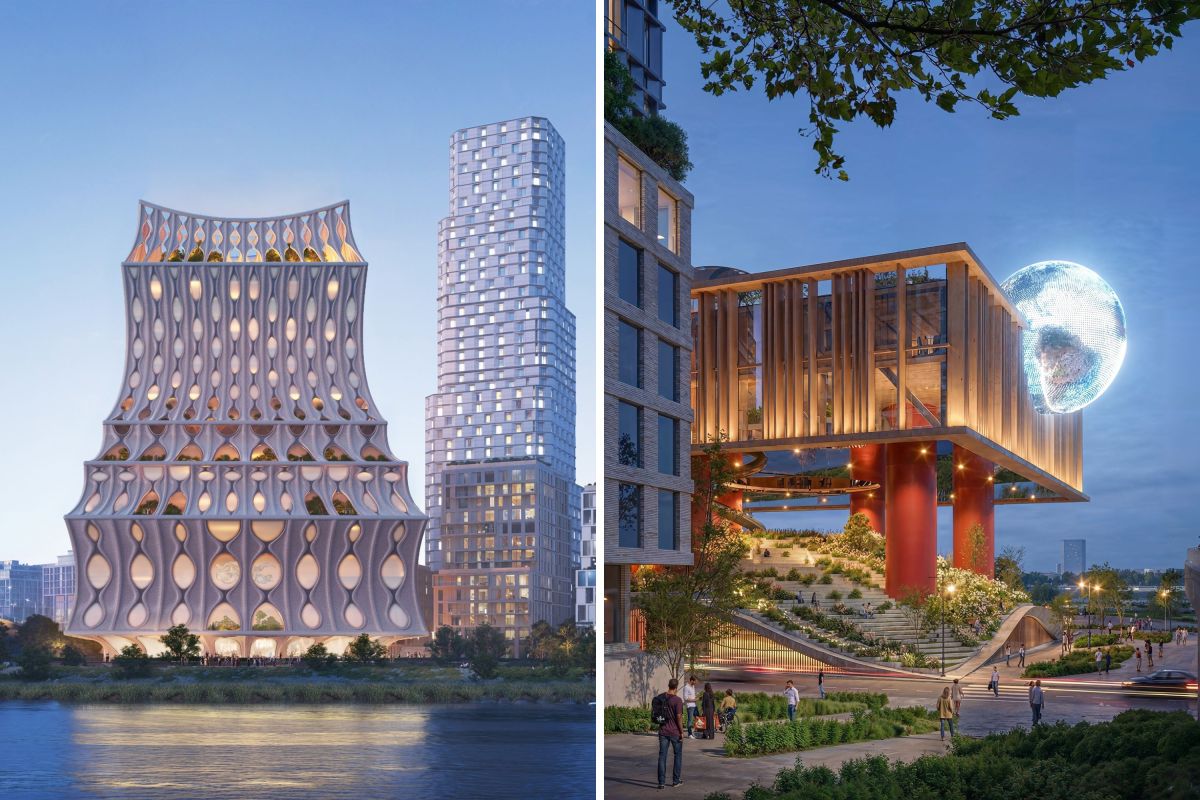
Five architectural design concepts for a “new world wonder” have been unveiled in an international competition organized by Shift, a new social venture that aims to create a new landmark designed to inspire climate action.
According to Shift, the initiative seeks to invite visitors to see the planet through a new perspective. “We’re on a journey to explore what constitutes a modern‑day architectural landmark, one that will inspire millions to contribute to a more sustainable and circular future,” the organization says.
The competition brief emphasizes that the project should envision the next generation of sustainable architecture, while hosting a permanent program curated by Shift to encourage sustainable behaviors through immersive experiences and authentic stories of climate and sustainability champions.
A total of 80 teams submitted proposals for the landmark, with five finalists selected last May. The shortlisted designs were unveiled this month, each offering a distinct architectural response to the challenge.
Among the finalists is Heatherwick Studio, the firm founded by English designer Thomas Heatherwick, whose past work includes the Vessel in New York City, Coal Drops Yard in London, and the Olympic Cauldron for the 2012 Games. The firm’s proposal, titled “Urban Reef,” is planned for Waterkant, a new waterfront district in southern Rotterdam that aims to become one of Europe’s most forward‑looking urban neighborhoods.
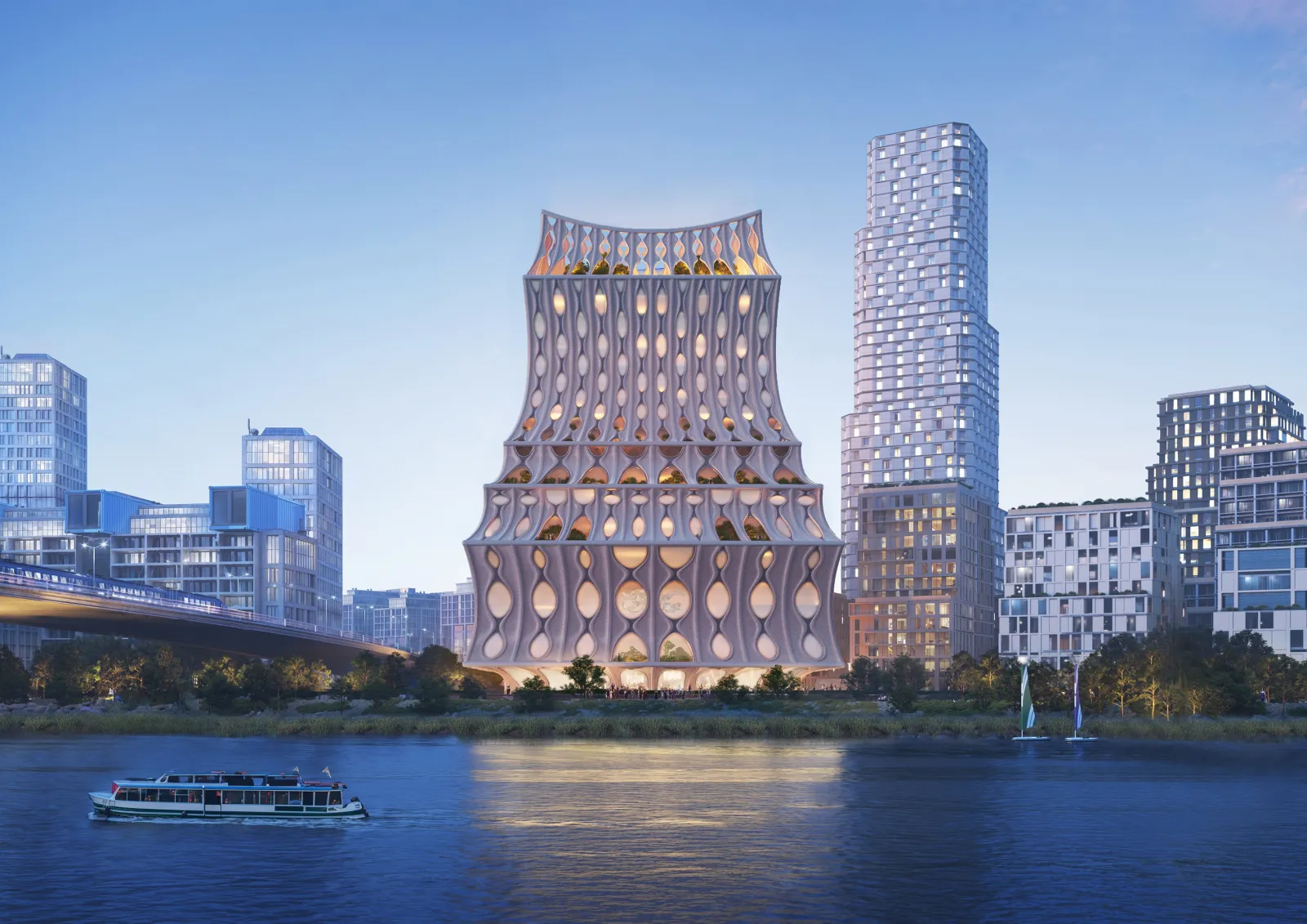
The project focuses on experience rather than a conventional building form and would see visitors move through a sequence of spaces designed to “spark curiosity and build understanding,” according to Heatherwick Studio’s website.
The design includes an immersive, multisensory exhibition intended to introduce the beauty and vulnerability of the natural world in an accessible way, “presenting the climate challenge without fear or blame,” the studio said.
Another shortlisted concept, “A Living Landmark,” is led by Ecosistema Urbano, an architecture firm based in Boston and Madrid. Jose Luis Vallejo, a founding member of the firm, told Newsweek that the proposal is “conceived as a regenerative ecosystem and dynamic social organism, where architecture, landscape, and public life are closely intertwined.”
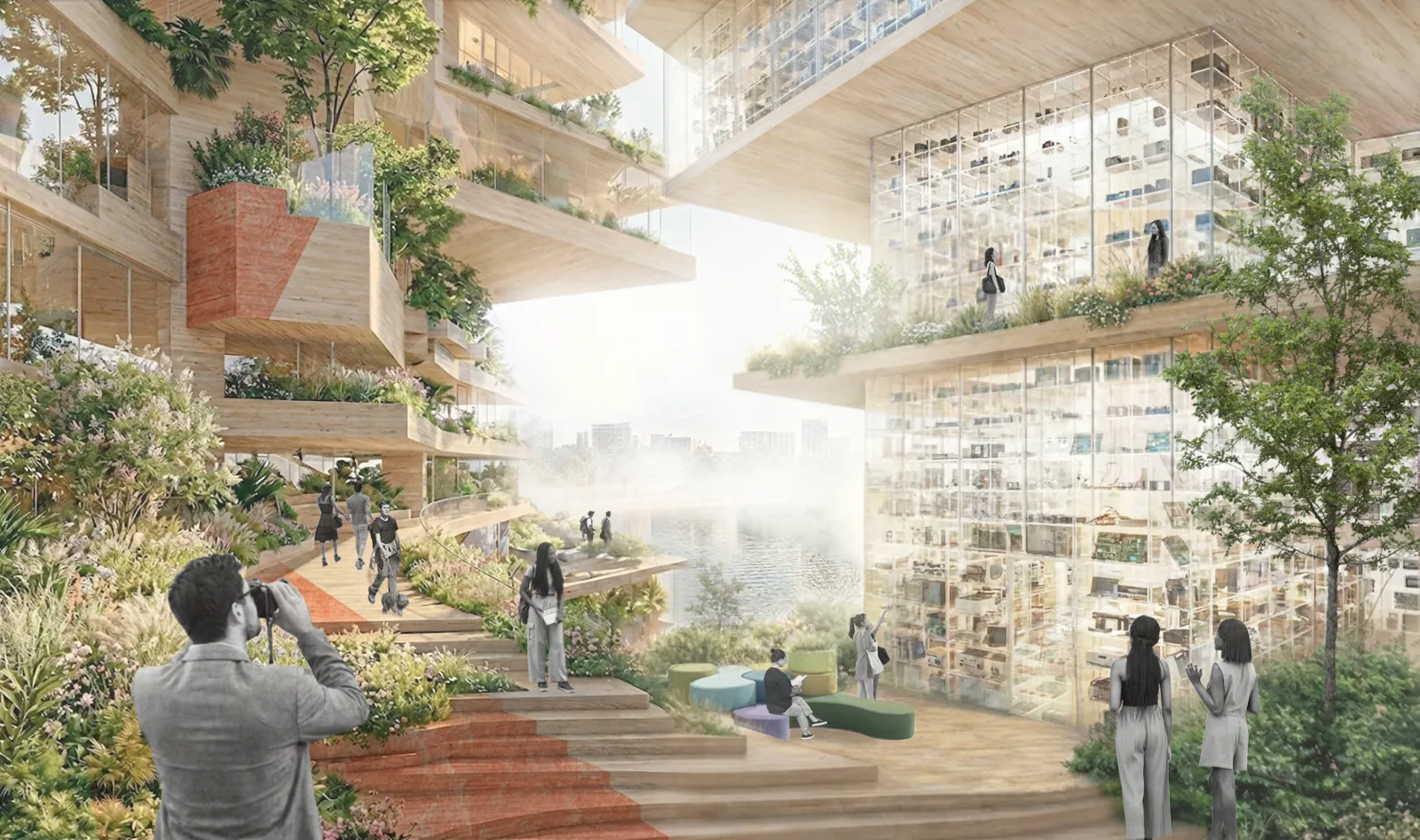
The architect explained: “The design integrates spaces for exhibition, research, co‑working, hospitality, and public gathering within a vertical sequence of gardens and terraces that immerse visitors in living systems,” while “bio‑receptive surfaces, productive landscapes, and circular material strategies” are intended to make ecological processes visible and tangible, “transforming the building itself into a didactic environment.”
Through interactive installations, a material archive, and spaces for collective events and experimentation, the project aims to encourage participation, dialogue, and concrete action around climate and biodiversity challenges, he said.
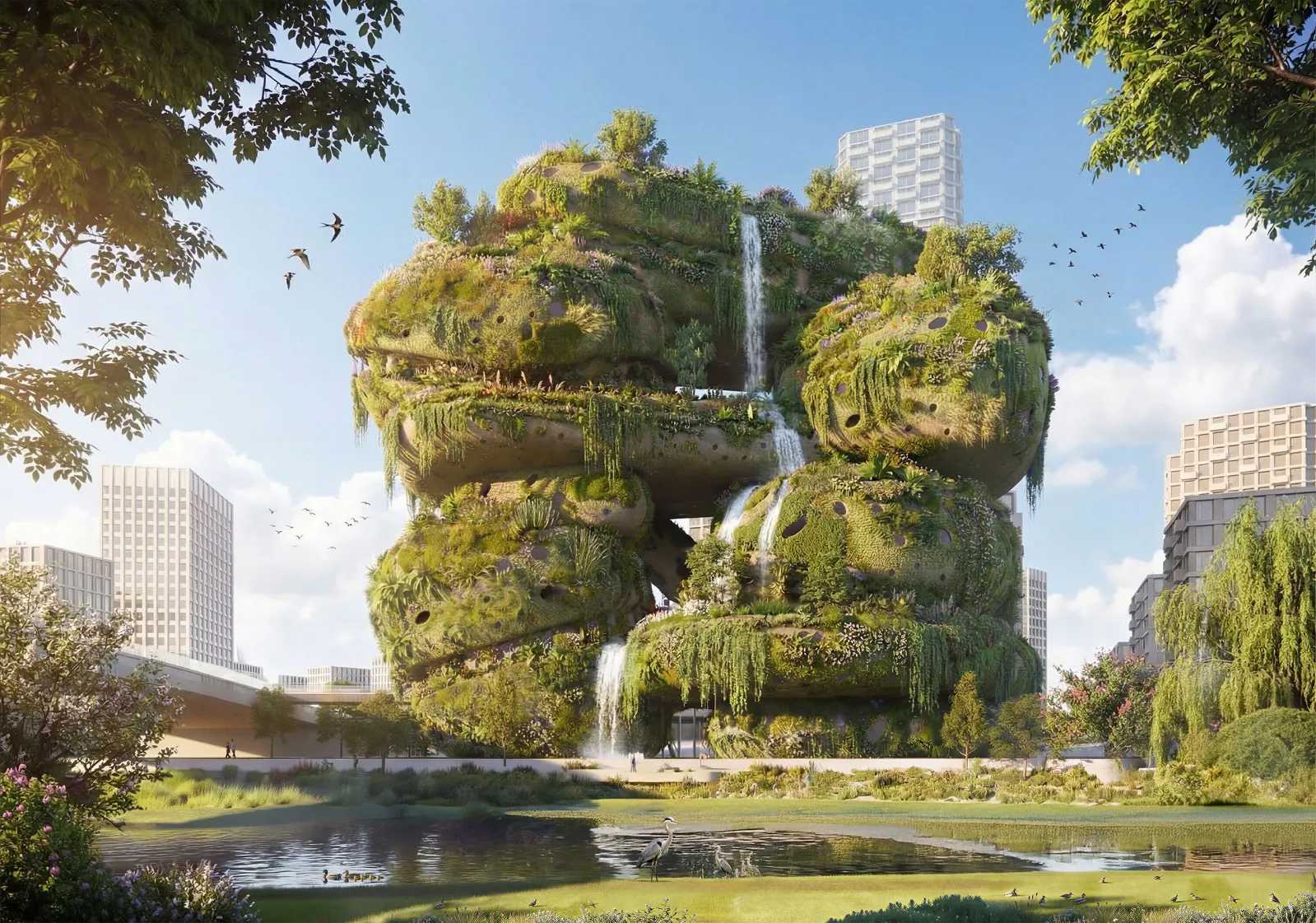
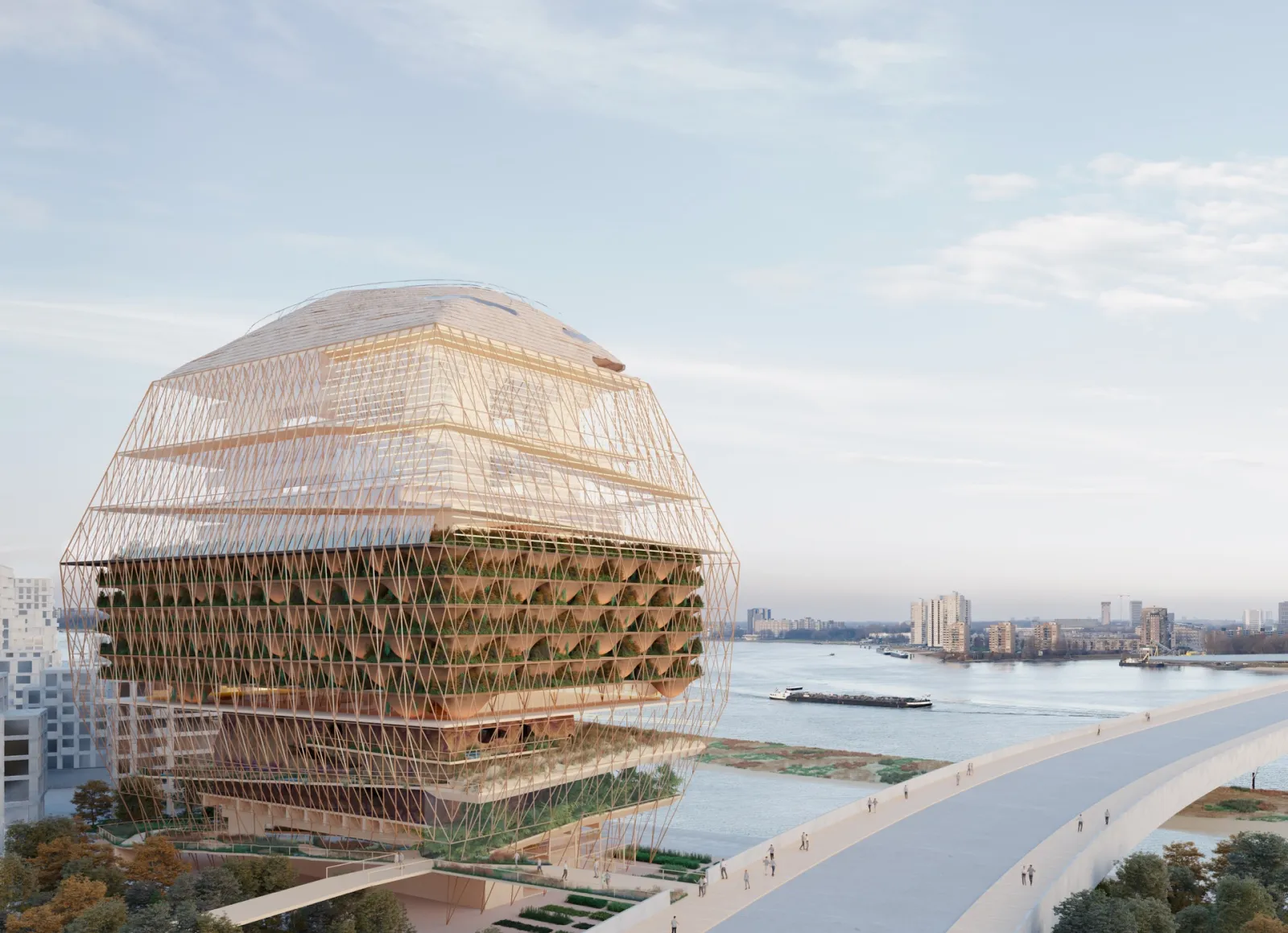
Global architecture and urban design practice MVRDV is also among the finalists with its proposal “Rotterdam ROCKS!” A spokesperson for the firm told Newsweek that the design envisions “a porous, stacked landscape” that transforms the building into a vertical ecosystem that lifts “nature, public space, and biodiversity into the air.” By making ecological systems visible within the architecture, “the design invites visitors to experience how climate and urban life interact,” the spokesperson said.
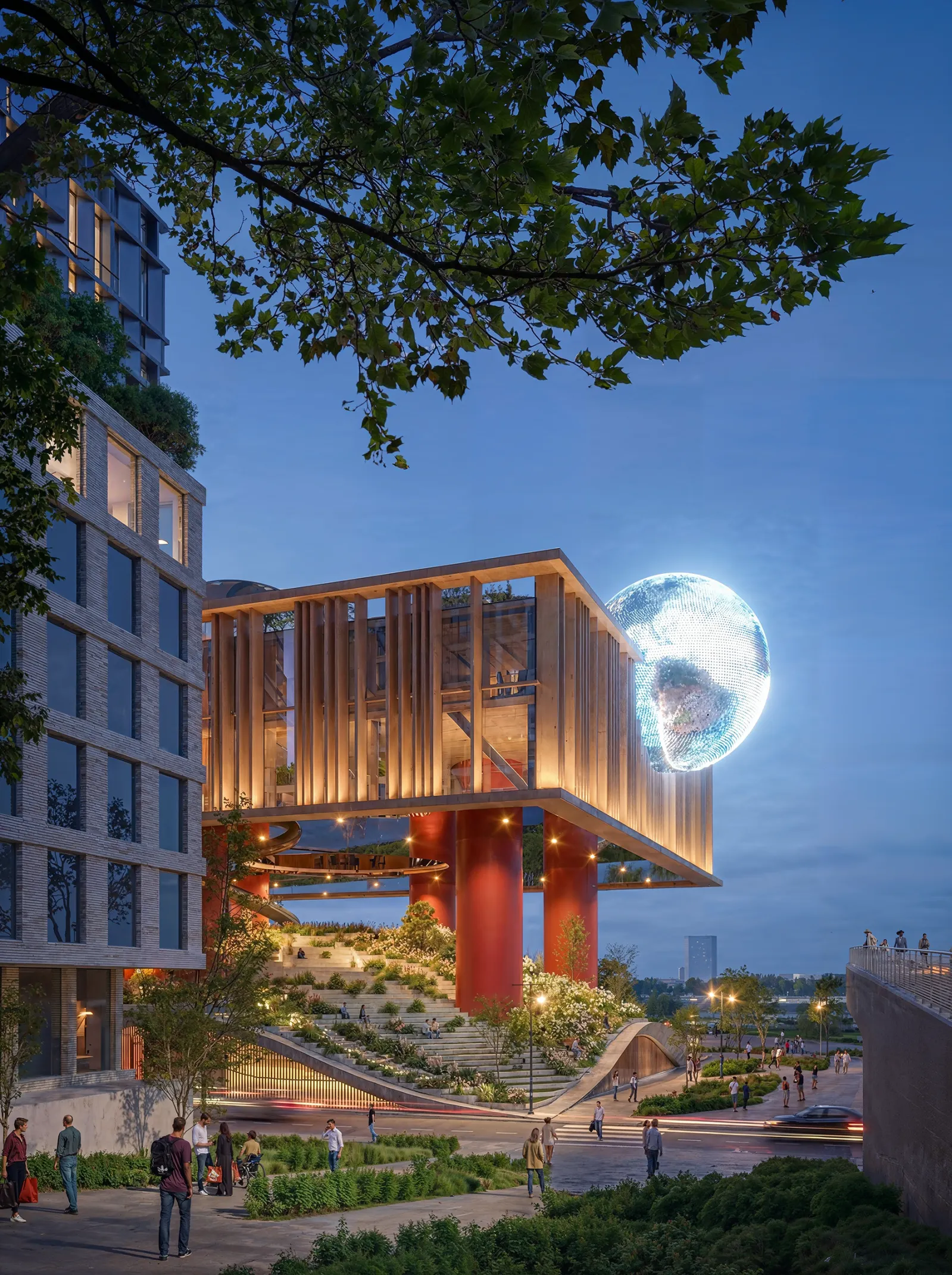
Another finalist, Mecanoo, an international architecture practice headquartered in Delft, the Netherlands, submitted a proposal titled “House of Shift.” The structure has a striking space station‑inspired look, with a hill, a tower, and a box lifted on monopiles, with a sphere balancing on its edge.
The Shift website describes the proposed landmark as an inspiring icon for sustainability that integrates spaces for “imagination, exploration, action, play, and joy,” while placing “bold upcycling, carbon storage, energy neutrality, and ecological integration at its core.”
The fifth finalist is Office for Political Innovation, an architecture practice based in Madrid and New York. Its submission, titled “Planetary Landmark for the Climate Age,” is described by Shift as a new kind of landmark that moves beyond the idea of a traditional monument. Instead, it is envisioned as a working section through a changing world—a place where climate can be sensed, understood, and actively reshaped together.
Do you have a design-related video or story to share? Let us know via life@newsweek.com, and your story could be featured on Newsweek.