
 Charlesy / Shutterstock.com
Editor’s Note: This story originally appeared on Live and Invest Overseas.
Few places in the world could be called perfect, but Portugal’s Algarve is about as close as it gets. Let’s take a look at exactly what makes it the top retirement haven in Europe for 2026.
For nearly a decade it reigned supreme as the No. 1 overseas retirement haven in the world, before dropping to second a couple years back.
Despite legal changes to its residency, tax, and investment programs, as well as increasing costs, which knocked its grades down a bit in recent years, Portugal continues to be the best choice in Europe, and the second-best choice in the world when it comes to an easy, comfortable, and gratifying retirement.
A Safe, Affordable Haven for Expats
 DaLiu / Shutterstock.com
Portugal has the best climate and more sunny days than any other country in this part of the world. Thanks to this fantastic year-round weather, with more than 3,000 hours of sunshine per year, most every day is a perfect day to get out and enjoy your new home.
Portugal has been a haven for foreigners for decades. Over 1.5 million foreigners call it home and numbered among them are an estimated 100,000 expat retirees.
In all ways, Portugal is one of the most welcoming countries you’ll ever experience — plus, English is spoken widely.
There’s also an impressive list of things to do here, including both highbrow culture and an abundance of outdoor activities, from fishing and hiking to four-wheeling and skydiving. Plus Europe’s best selection of golf courses, boasting more than 800 holes.
This isn’t the world’s cheapest place to live, but it’s a bargain compared with elsewhere in Europe.
And Portugal has been rated as the seventh safest country in the entire world, according to the 2025 Global Peace Index, making this a destination you can settle into with no qualms about safety or crime.
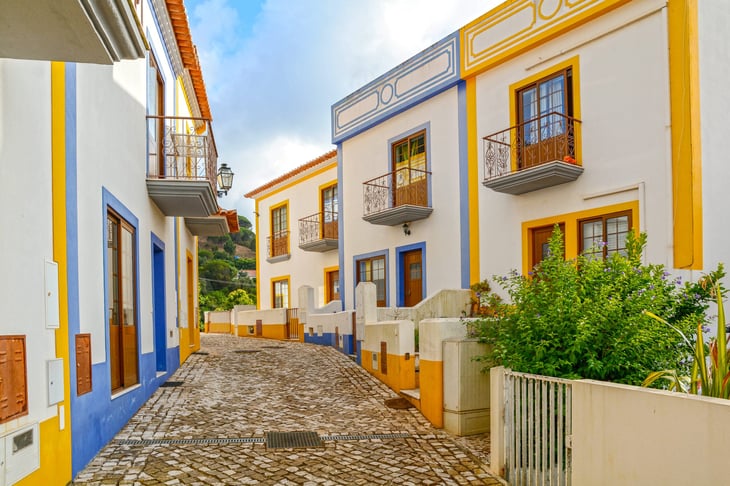
In Portugal’s Algarve, you can take your pick of bustling coastal cities, resort towns, and quiet inland villages.
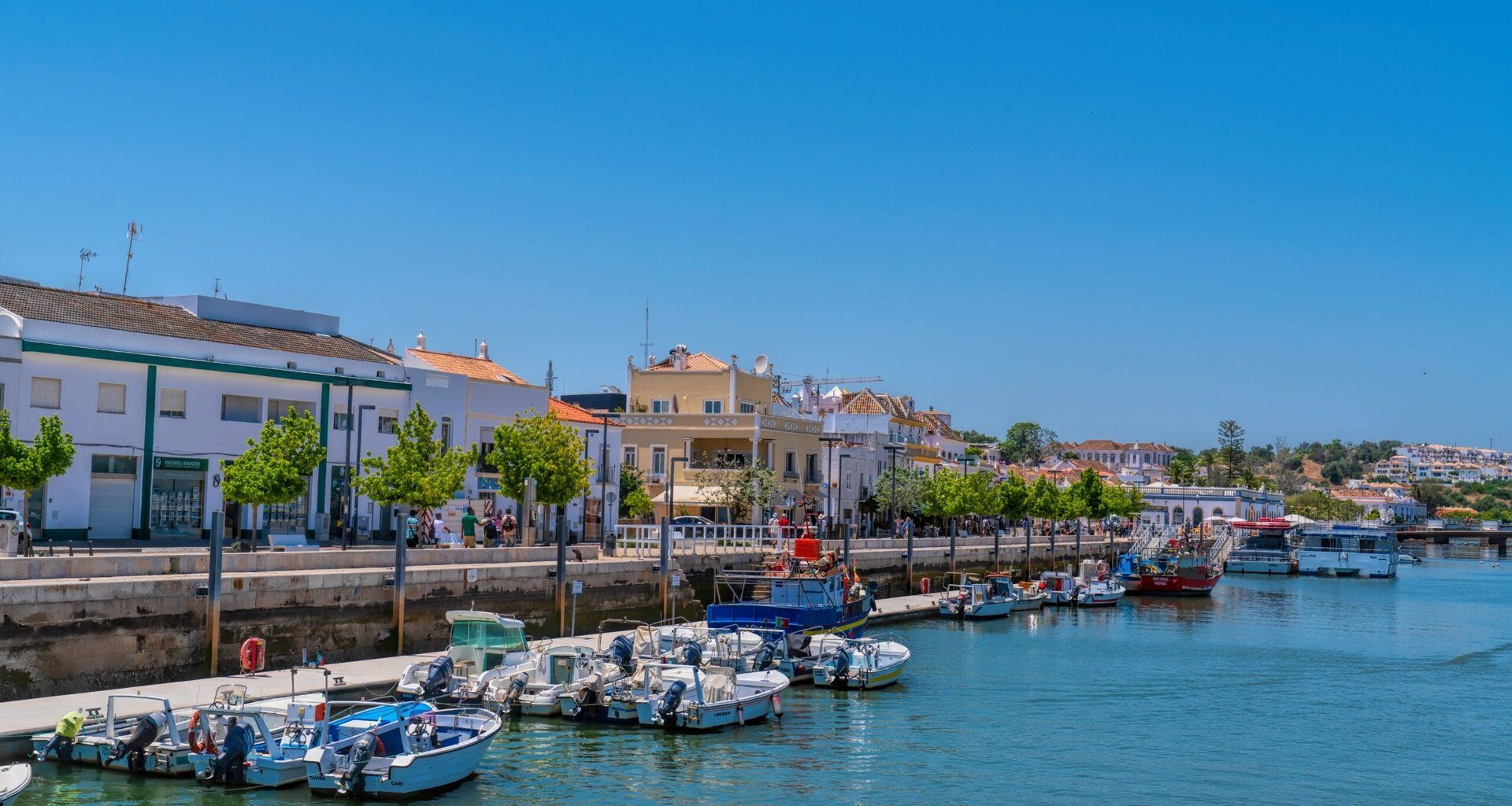
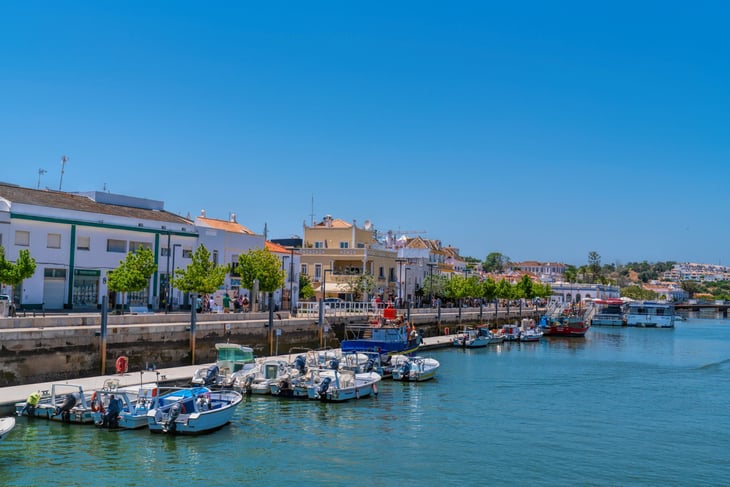
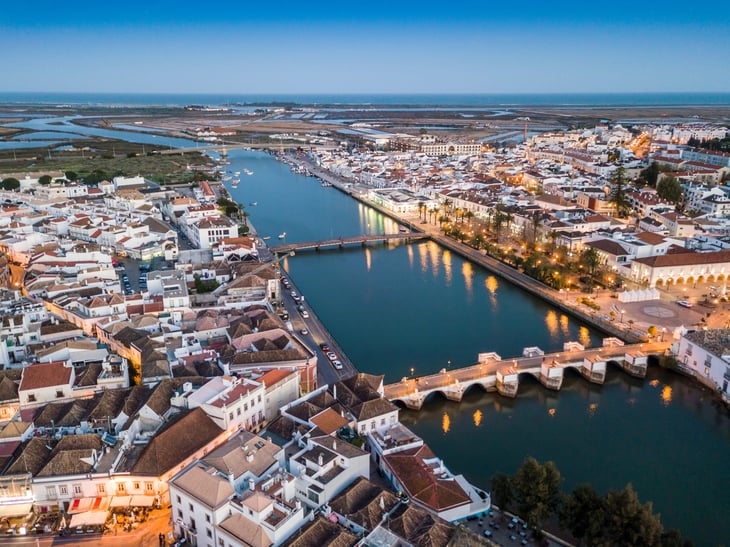
Faro is home to the international airport, and towns such as Portimao, Lagos, Albufeira, Tavira, Lagoa, and Silves are already popular with expats, whereas smaller villages such as Carvoeiro, Ferragudo, and Moncarapacho offer a more traditional way of life.
Cost of Living
 PIXEL to the PEOPLE / Shutterstock.com
For a couple, a monthly budget of around $3,000 is a good guide.
The minimum wage in Portugal is around $1,010 per month and the average salary is around $2,087 per month, so people can and do live here for a lot less.
For more budget-friendly options consider the lively coastal city of Portimão in central Algarve or head east to the fishing town of Olhão or the charming riverside town of Tavira—a former Overseas Retirement Index winner.
In each of these spots monthly rentals can still be found for under $950.
If you’re after city living, in Faro you can find monthly apartment rentals starting from around $1,100. For a house you’ll pay around $2,000 a month.
Shop like a local at the markets for your fresh meat, fish, fruit, and veggies and you’ll reap big savings.
When it comes to dining out, you can enjoy a simple breakfast or lunch for around $10. You’ll find restaurants offering “prato do dia” (dish of the day) for around $12. It’s usually a main course and drink but can also include dessert and coffee.
In more upmarket spots or tourist areas you’ll pay closer to $25 per person for a mid-range meal out and if you’re after Michelin-level eats you can easily double that.
Algarve Cost of Living at a Glance
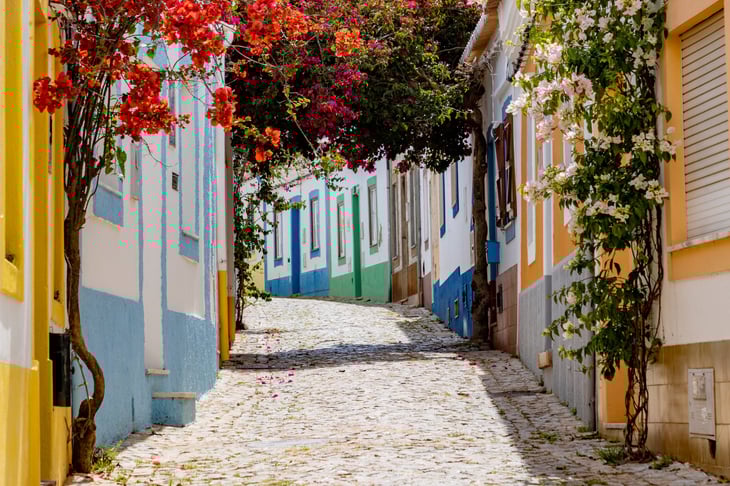 travelview / Shutterstock.com
Rent: $1,700 a month
Coffee: $1.50
Beer: $3
Meal out: $25
Movie ticket: $9
GP visit: $45
Health Care
 Andrey_Popov / Shutterstock.com
Portugal is home to one of the world’s best health care systems.
The hospital network has modern, well-equipped units, and many English-speaking doctors work in both public and private facilities.
Public health care in Portugal is available to legal foreign residents and the national health care system guarantees that all basic health needs — accidents and illness — are covered.
Still, most expats supplement the public program with insurance that allows them to visit private facilities—and this is available at a fraction of what you’d pay in the States.
Entertainment
 RPBaiao / Shutterstock.com
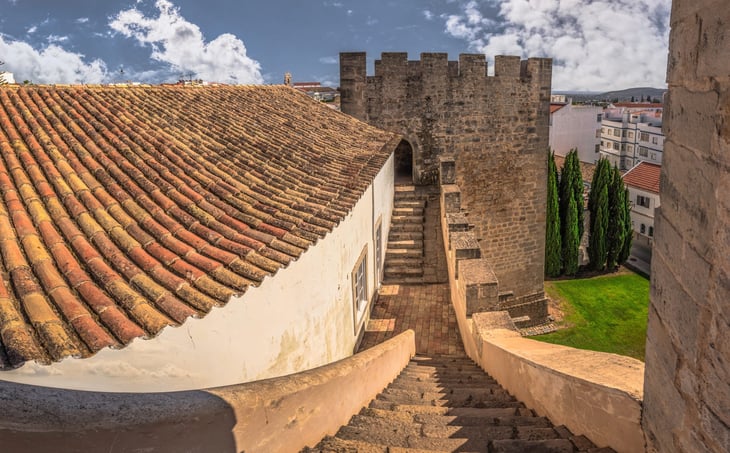
There are plenty of museums and archaeological sites throughout the Algarve — not so many art museums, but plenty of local little galleries to discover.
Otherwise, though, little compromise on high culture is needed here, as the region boasts a symphony orchestra, an opera company, active theater groups, a university campus in Faro, and a public library network that continues to expand its English language offerings.
Thanks to the expat community here, there is nearly always a film or play available in English, and a wide array of interest groups, hobby clubs, and cultural associations are easy to join if you are looking for company or shared activities.
If you’re a fan of festivals, Portugal has them in spades. From local culture to Medieval fairs, musical performances, outdoor concerts, and more — many types of events take place throughout the Algarve at all times of the year.
Recreation
 rui vale sousa / Shutterstock.com
The Algarve is all about the great outdoors.
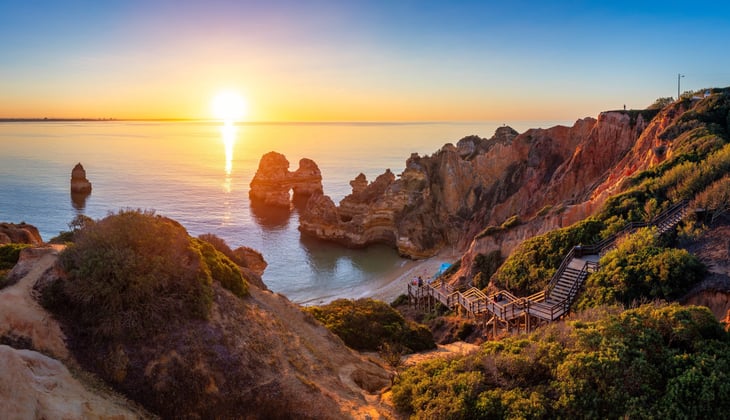
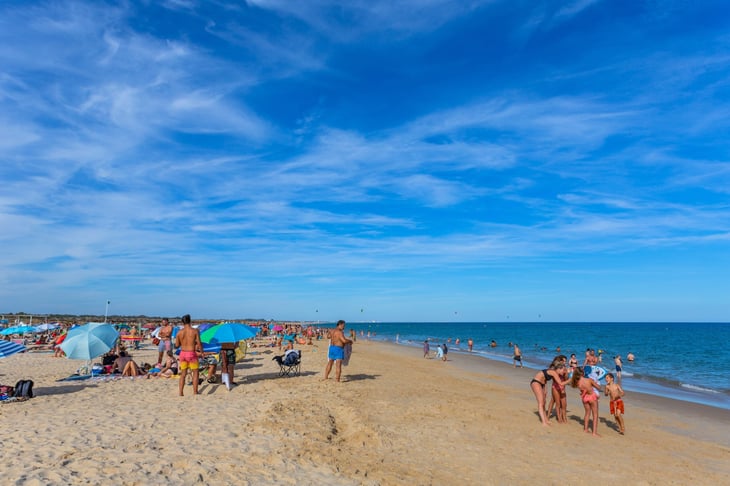
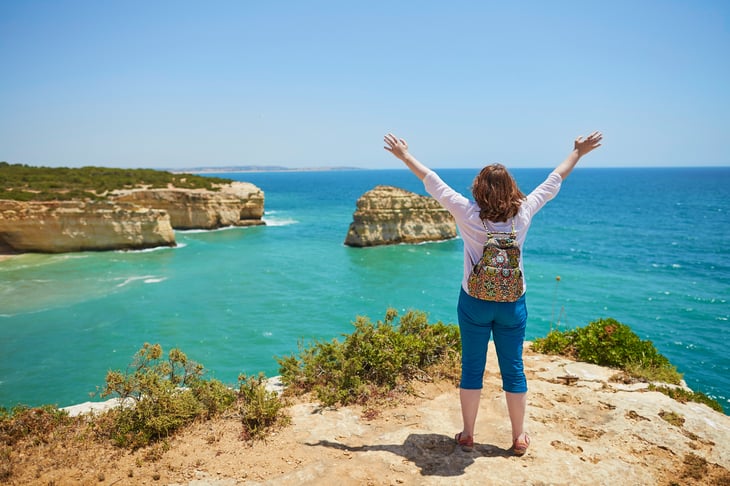
Its more than 150 miles of Atlantic coastline is punctuated by jagged rock formations, lagoons, and extensive sandy beaches — 85 of which have earned the coveted Blue Flag award from the European Blue Flag Association.
The Albufeira area leads the region with the most Blue Flag beaches (25), followed by Vila do Bispo and Loule (both with 10). The water off these shores is azure, and the clifftop vistas are spectacular. Most beaches have lifeguards during the summer season.
In the western Algarve, the coast is known for its wild waves (making for world-class surfing) and jaw-dropping cliffside views. In the eastern Algarve, the coast is gentler.
Or try kayaking, paddling, or cave fishing on the Arade River.
Algarve is a natural wonderland. When you want to get back on dry land, explore one of many excellent mountain-bike and hiking trails or fill your days with bird-watching or horseback riding.
Attention, golfers: Algarve has more golf courses per capita than anywhere else in the world, and many rank as some of the best courses in Europe. Portugal is regularly named Europe’s best golf destination and 42 of its top courses are in the Algarve.
English Spoken
travelview / Shutterstock.com
One of the many reasons so many Anglophones live here is that English is the second most spoken language in the country.
Living here, you could get by without learning to speak Portuguese … though any effort to learn the local language is a show of respect and appreciated.
Almost everyone speaks English, which is typically taught in schools throughout the country. You’ll easily find English speaking lawyers, doctors, and real estate agents. And restaurants and stores will almost certainly have English-speaking staff.
Expat Community
 Ekaterina Pokrovsky / Shutterstock.com
The Algarve is home to thousands of expats from around the world. Making friends is easy, both with the locals and the expats.
All sorts of groups and clubs meet across the region, and Facebook is an excellent place to look for them.
There are sports clubs and activities for all ages and abilities, as well as art and photography classes and groups.
Infrastructure
 Sopotnicki / Shutterstock.com
The average fixed broadband download speeds exceed 200 Mbps thanks to widespread fiber-optic coverage.
Electricity is generally reliable, although occasional outages can occur during major storms or grid maintenance.
The Algarve has an impressive train network and train travel is extremely affordable in Portugal. (If you buy your train tickets more than a week in advance, you’ll get a discount of around 40% to 50%.)
Local public transport isn’t especially well-developed so you’ll likely want a car to get around. And keep in mind that outside of major towns and cities and off of main roadways, roads may not be paved or could be in rough shape if they are paved.
Residency
 Leonid Sorokin / Shutterstock.com
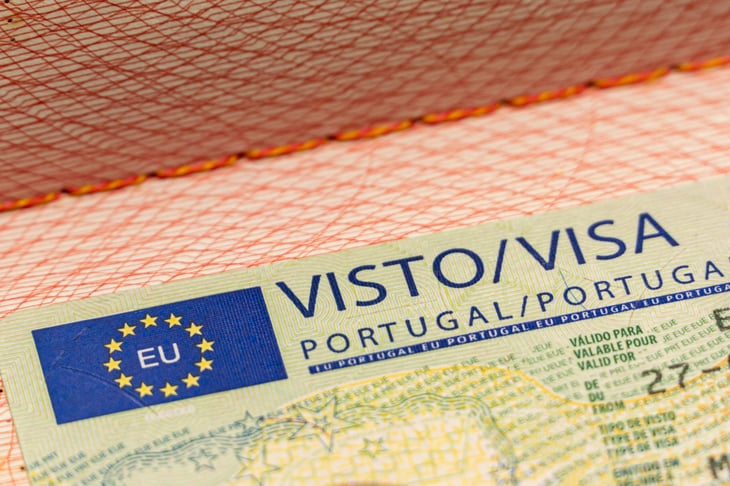
Portugal’s independent means visa (the Passive Income Earner’s or D7 Visa) might be the easiest residence permit in Europe to qualify for.
Be prepared to show about $1,500 per month in income (the official amount is lower, but $1,500 gives you a better chance of having your application approved).
Taxes
 PeopleImages.com – Yuri A / Shutterstock.com
Portugal taxes on worldwide income, and its income tax rates are relatively high. The tax treaties in place between Portugal, the United States, and Canada help residents avoid double taxation.
Portugal taxes at a glance:
Tax treaty with the U.S.? Yes
Tax treaty with Canada? Yes
Income tax: 13.5% to 48%
Inheritance and estate taxes: 10%*
Property tax: 0.3% to 0.8%
Capital gains tax: 28%
*Portugal applies a 10% stamp duty on inheritances only if the assets are gifted to someone outside your direct family.