
Farmers and environmental groups have joined forces in an “emergency alliance” to push for stronger invasive pest control ahead of the Victorian election.
The Victorian Farmers Federation (VFF), the Invasive Species Council and Environment Victoria are working together to encourage political parties and candidates to prioritise pest control management.
The group says communities are losing the fight against feral deer and rabbit populations after cuts to government funding and staff.
Invasive species are the number one cause of biodiversity loss and species extinction in Australia, according to science bodies.
“This should be as important as infrastructure projects and hospital waiting times,” said Invasive Species Council chief Jack Gough.
Counting the cost of pests
Battling the introduced species that have spread across the country is an expensive business.
The Australian agriculture department estimates farmers spend at least $5.3 billion a year on controlling pest animals and weeds.
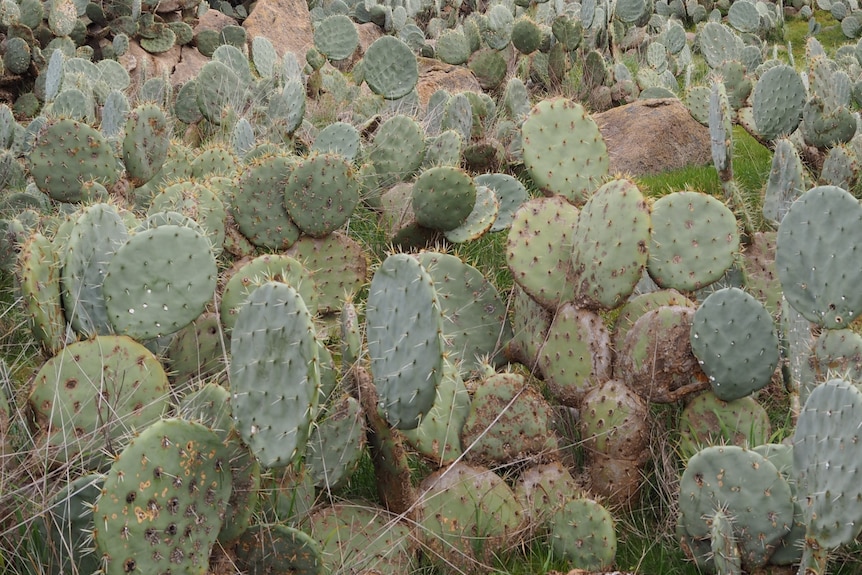
Farmers spend millions fighting invasive weeds like wheel cactus (Opuntia robusta). (Supplied: Lee Mead, Tarrangower Cactus Control Group)
There are also environmental and cultural costs: the CSIRO says more than 80 per cent of native land-based species are at risk from invasive weeds, insects and birds.
Mr Gough said feral animal numbers were increasing as frontline staff in Victoria were being cut.
“The Victorian Farmers Federation, the Invasive Species Council, Environment Victoria — not often traditional allies — have come together saying, ‘We need governments to focus on the issue of feral animals, weeds and invasive species in general,'” he said.
“We’re fed up with watching invasive species spread across the environment, farms and communities, while the resources needed to tackle this crisis are drained.”
Alliance member Environment Victoria says invasive plants and animals are degrading forests, rivers and grasslands.
“As a society, we unleashed invasive species on the environment, and now we have to take responsibility for the devastation they have driven,” said Environment Victoria chief executive Jono La Nauze.
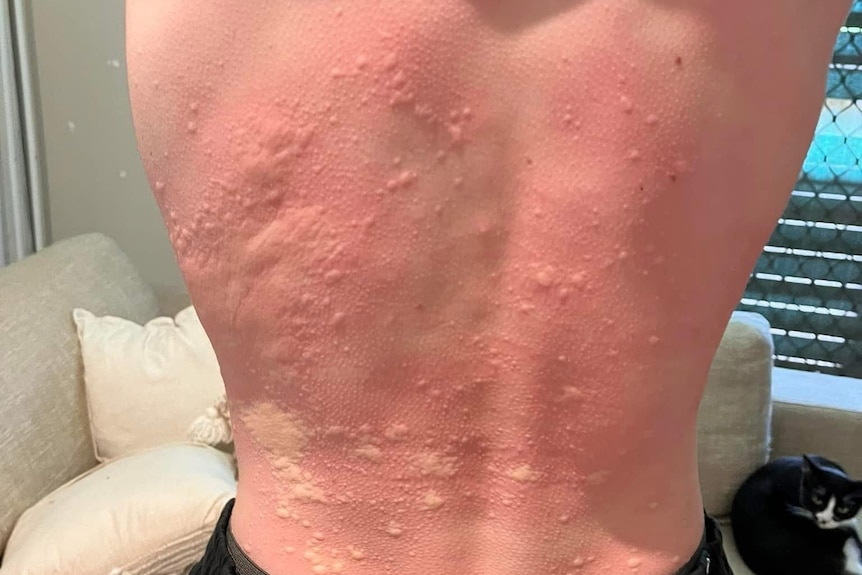
Queensland residents have been hospitalised after being attacked by fire ants. (Supplied: Ebony Britton)
While Victoria is busy battling existing pests such as deer, European rabbits and feral pigs, Mr Gough said there were new threats on the horizon.
Red imported fire ants were first detected in Brisbane in 2001 and have since spread further into Queensland.
The ants pose a major risk to human health and the environment, and cause devastation to agricultural businesses.
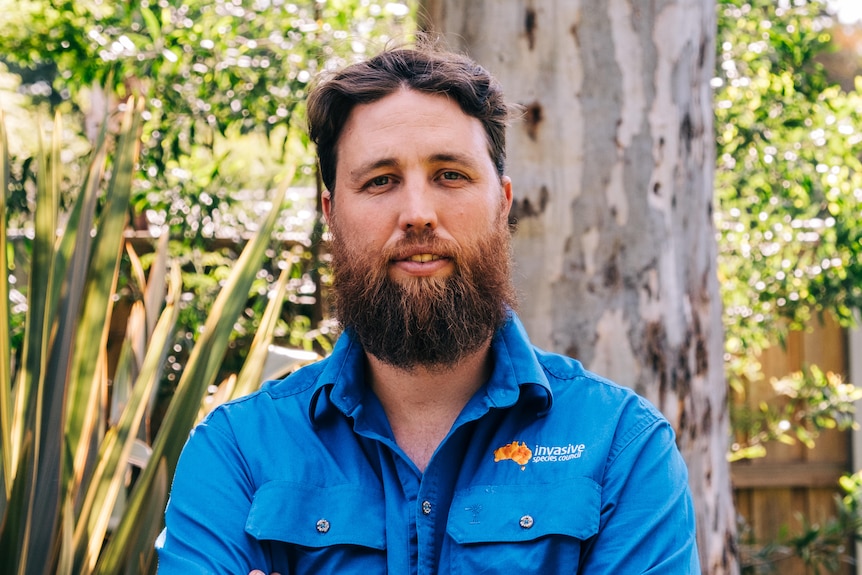
Jack Gough wants political parties to prioritise invasive pest management. (Supplied: Invasive Species Council)
Mr Gough said a queen fire ant was discovered in Victoria last year in a pallet transported from Queensland.
He said all governments needed to work together to fund fire ant eradication programs and prevent the ants’ spread.
Calls to wipe out deer
The alliance is also calling for urgent action on feral deer in Victoria, as other states pull ahead in managing the destructive invasive species.
They say deer eradication is possible in the west of the state if control strategies are properly resourced.
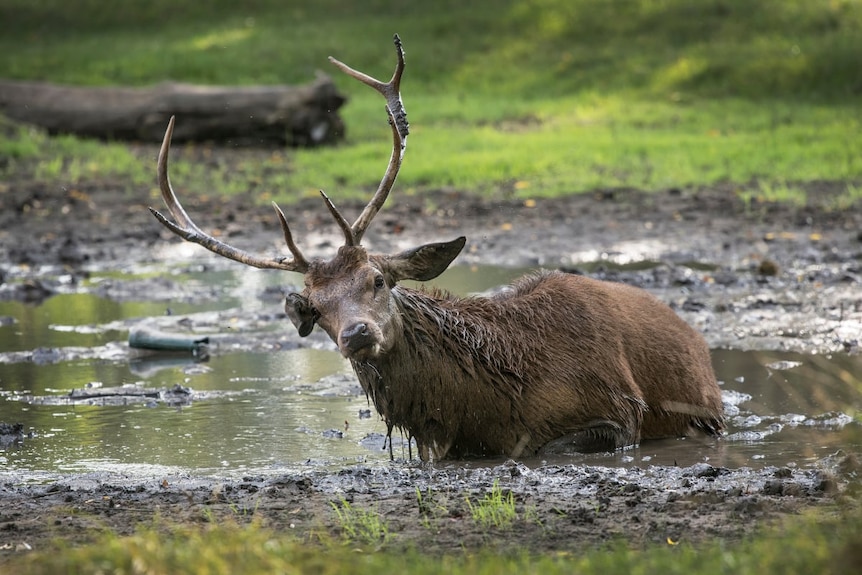
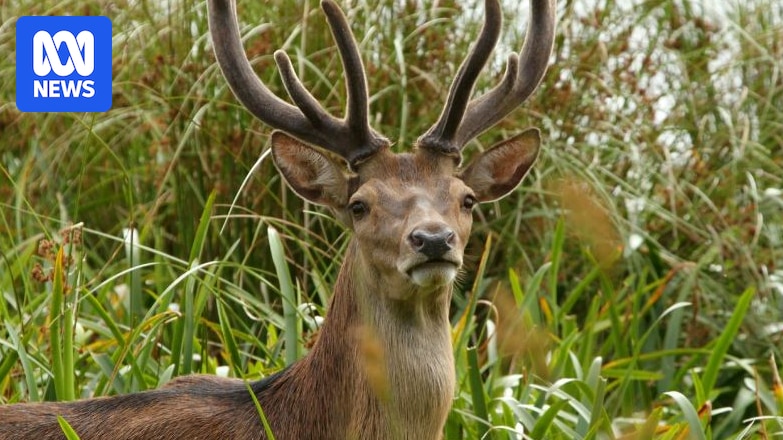
Red deer have spread across Australia, but the largest population is in the Grampians National Park. (Supplied: DPIRD)
VFF president Brett Hosking said deer had long been a thorn in the side of agricultural businesses.
“Feral deer wreak havoc on crops and pasture, smash fencing and destroy orchards and vineyards, leaving farmers to pick up a costly bill,” he said.
“They pose a serious biosecurity risk to our multi-billion-dollar agriculture industry.”
Mr Hosking has announced he will step down as VFF president in June and has not ruled out running as a National Party candidate in November’s state election.
Mr Gough said the alliance wanted to see the full implementation of the Victorian Deer Control Strategy, which was developed by the government in response to the rapid growth of wild deer populations.
“We need to get rid of that barrier in the Wildlife Act that means feral deer are protected, and we need to restore the funding and frontline capacity to tackle invasive species across the state,” he said.
The Victorian government has been contacted for comment.