
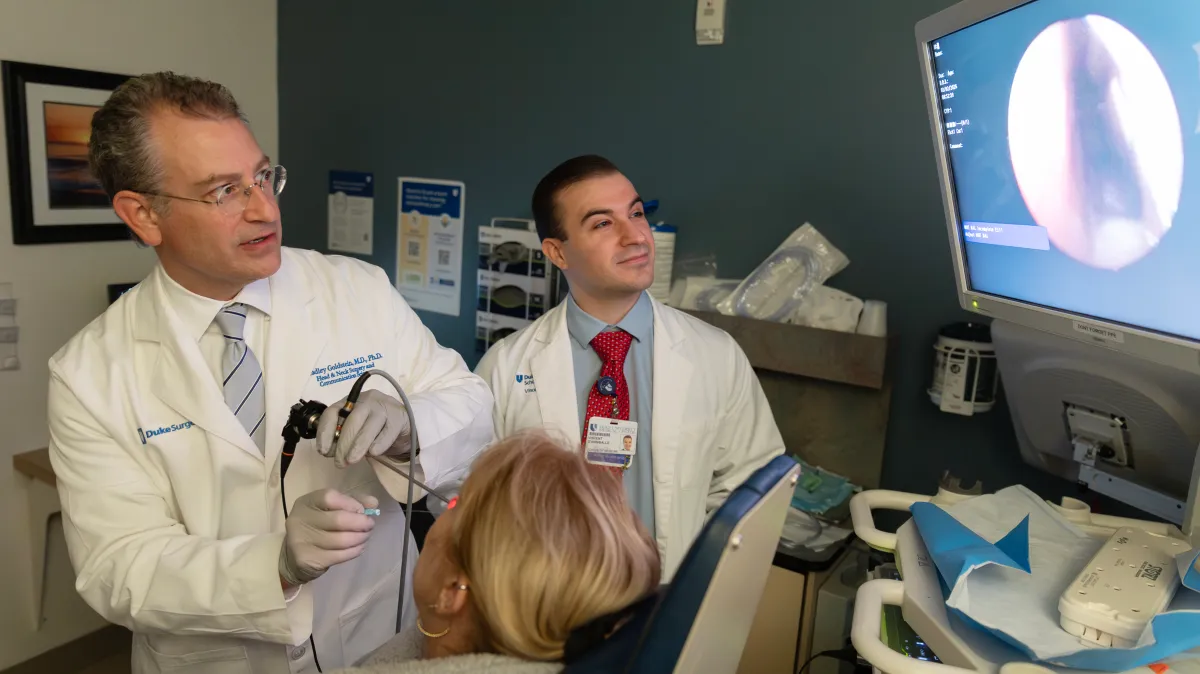
A quick nasal swab could one day allow doctors to detect Alzheimer’s disease several years before memory loss and confusion begin, new research suggests.
Scientists have developed a technique that collects cells from high inside the nose, from an area rich in smell-detecting nerve cells, and analyses their genetic activity.
The findings suggest that these cells carry early biological signals of Alzheimer’s, potentially opening the door to faster and less invasive diagnoses.
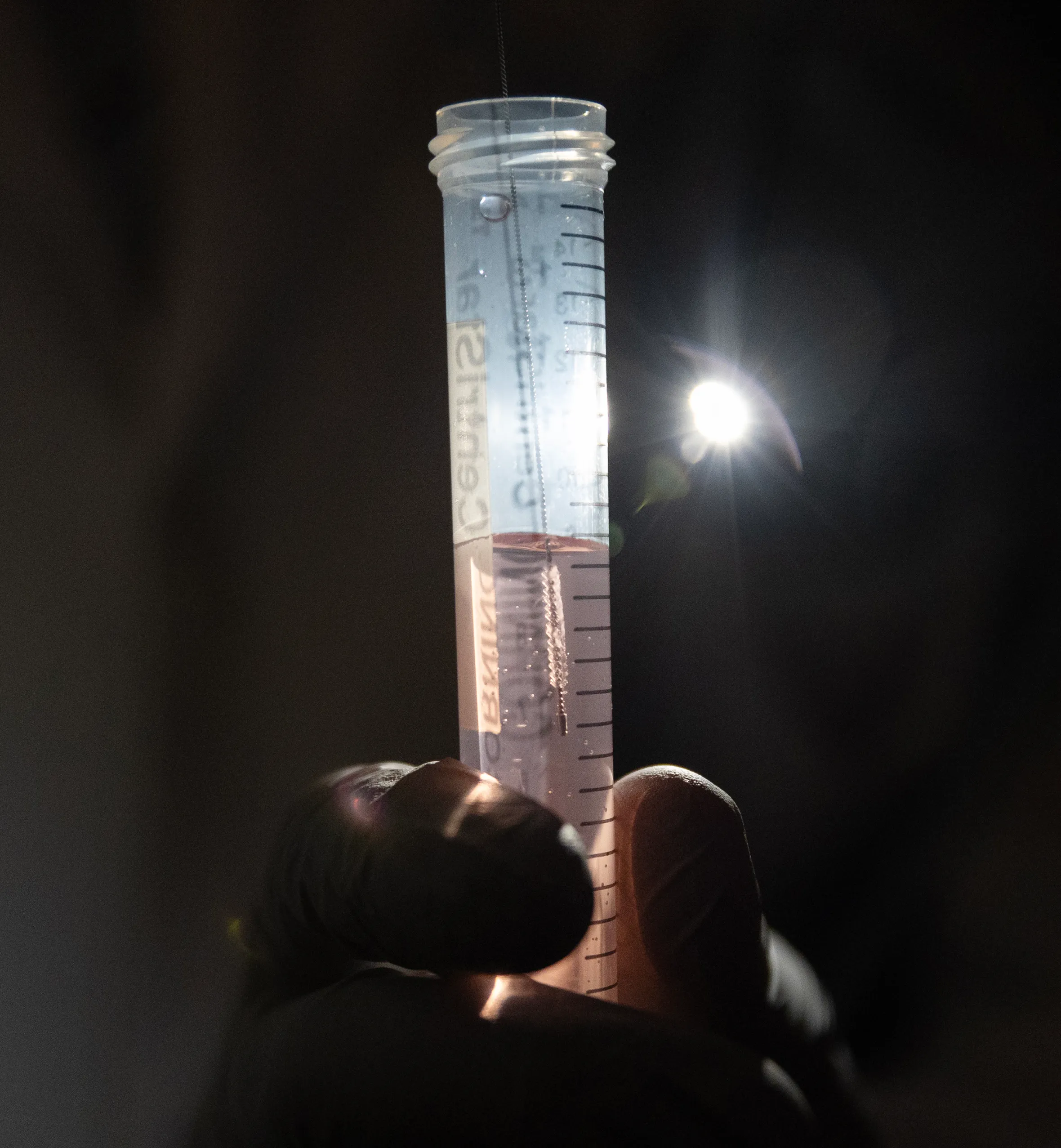 Researchers analyse which genes are active within cells collected from the nasal cavitySHAWN ROCCO/DUKE HEALTH
The approach builds on growing evidence that the sense of smell is closely linked to early Alzheimer’s changes. Loss of smell is often one of the first warning signs, reflecting damage in brain regions affected early on in the disease.
About 900,000 people are living with dementia in the UK, and Alzheimer’s accounts for roughly two thirds of cases. That number is expected to rise significantly as the population ages.
However, diagnosing the condition is still a complex and often slow process. Patients typically begin by reporting memory problems to their GP, who may carry out initial assessments before referring them to a specialist memory clinic.
There, diagnosis can involve detailed cognitive tests, brain scans such as MRI or PET imaging. There are also blood tests that look for molecules associated with the disease. In some cases, a lumbar puncture is used to analyse cerebrospinal fluid. Typically, the disease is confirmed only after damage to the brain is well under way.
By contrast, the new nasal swab method aims to identify Alzheimer’s at a much earlier stage.
“We want to be able to confirm Alzheimer’s very early, before damage has a chance to build up in the brain,” said Professor Bradley Goldstein of the Duke University School of Medicine in the United States, an author of the new study.
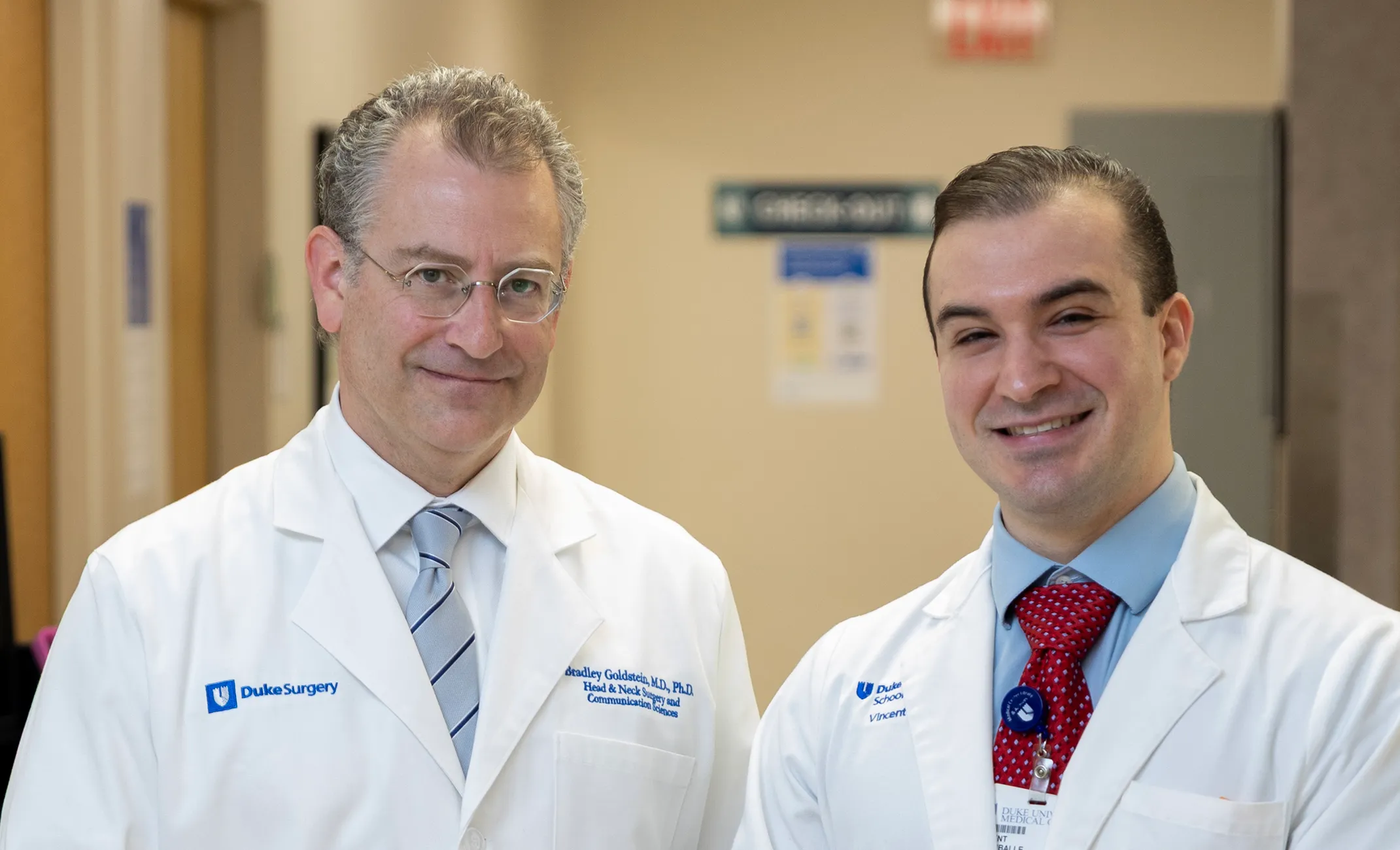 Goldstein and D’AnniballeSHAWN ROCCO/DUKE HEALTH
“If we can diagnose people early enough, we might be able to start therapies that prevent them from ever developing clinical Alzheimer’s.”
The experimental test involves applying a numbing spray before guiding a small brush into the upper nasal cavity to collect cells. Researchers then analyse which genes are active within those cells, offering a snapshot of biological processes linked to the brain.
In a small early-stage study, published in Nature Communications, the team examined samples from 22 participants. By analysing thousands of genes across hundreds of thousands of individual cells, they identified patterns that distinguished people with early or diagnosed Alzheimer’s from those without the disease. A combined gene score correctly classified participants about 81 per cent of the time.
Crucially, the test appeared capable of detecting changes in individuals who showed biological signs of Alzheimer’s, such as high levels of a protein called amyloid, which builds up in the brain, but had not yet developed symptoms. Amyloid can build up for years before memory loss begins.
“Much of what we know about Alzheimer’s comes from autopsy tissue,” said Vincent D’Anniballe, the study’s first author. “Now we can study living neural tissue, opening new possibilities for diagnosis and treatment.”
Experts caution that the research is still at an early stage. The small sample size means larger studies will be needed to confirm the findings and determine how accurate the test is across broader populations. There are drugs that trials suggest can modestly slow the progression of Alzheimer’s, but they can have serious side effects. Current treatments cannot stop or reverse the disease.