
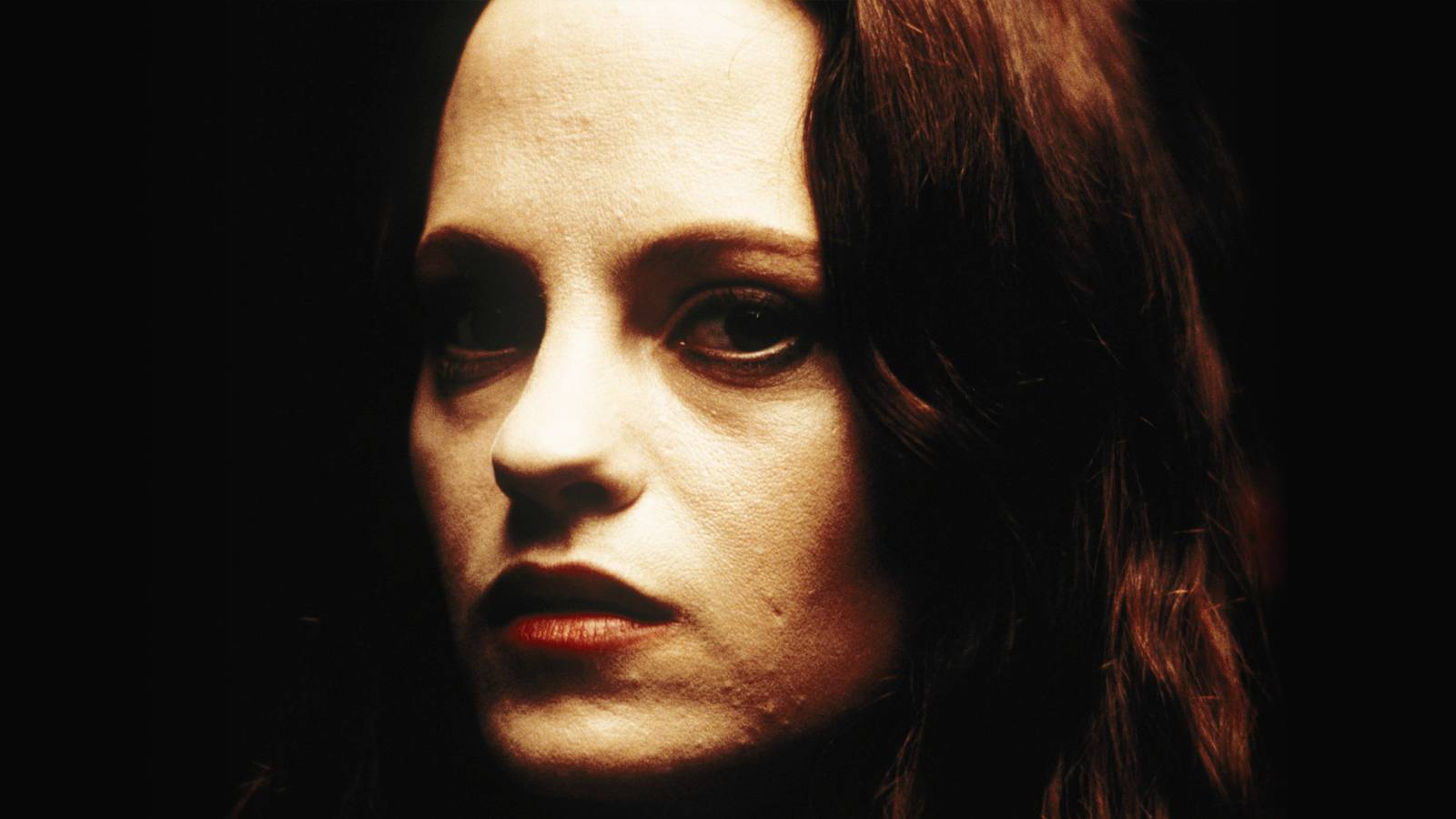
In the world of film criticism, no critic has ever been more famous than Roger Ebert. He was such an icon in the business that he was often more well known than whatever movie he was critiquing. Partnered with Gene Siskel for decades on their At the Movies television show, studios crossed their fingers in hopes of getting the much-coveted “Two thumbs up!” that they could use in marketing.
As much as Ebert loved movies, he also wasn’t shy about what he hated. Usually topping te list was horror, especially run-of-the-mill Friday the 13th like slashers. Still, he respected the genre if it was done well. These ten horror movies prove it. Every one of them received a perfect four stars in his written reviews for the Chicago Sun-Times.
10
‘Body Snatchers’ (1993)
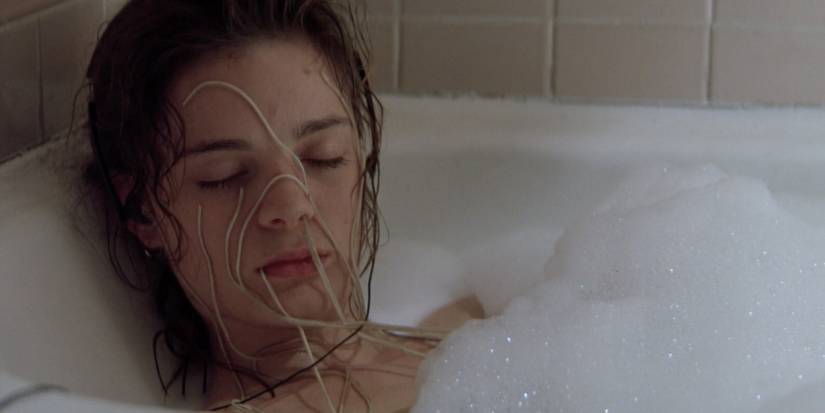
Marti Malone (Gabrielle Anwar) sits unconscious in her bathtub as the thin, pale tentacle of an alien life form start to crawl over her face in ‘Body Snatchers’ (1993).Image via Warner Bros.
Body Snatchers, based on Jack Finney’s novel The Body Snatchers, was co-written by Stuart Gordon and directed by Abel Ferrara. It stars Gabreille Anwar as a teenage girl named Marti. She’s new to town and living on a military base with her family, but there is something very wrong with the soldiers here. They’re pod people!
Horror wasn’t doing well in the early 90s, and with this being the third adaptation of Finney’s book, there was every reason to expect Body Snatchers to fail. However, Roger Ebert absolutely loved it! He went so far as to call one scene “as scary as anything in The Exorcist or Silence of the Lambs” and ended his review with the best blurb a movie can ask for.
As sheer moviemaking, it is skilled and knowing, and deserves the highest praise you can give a horror film: It works.
9
‘May’ (2002)
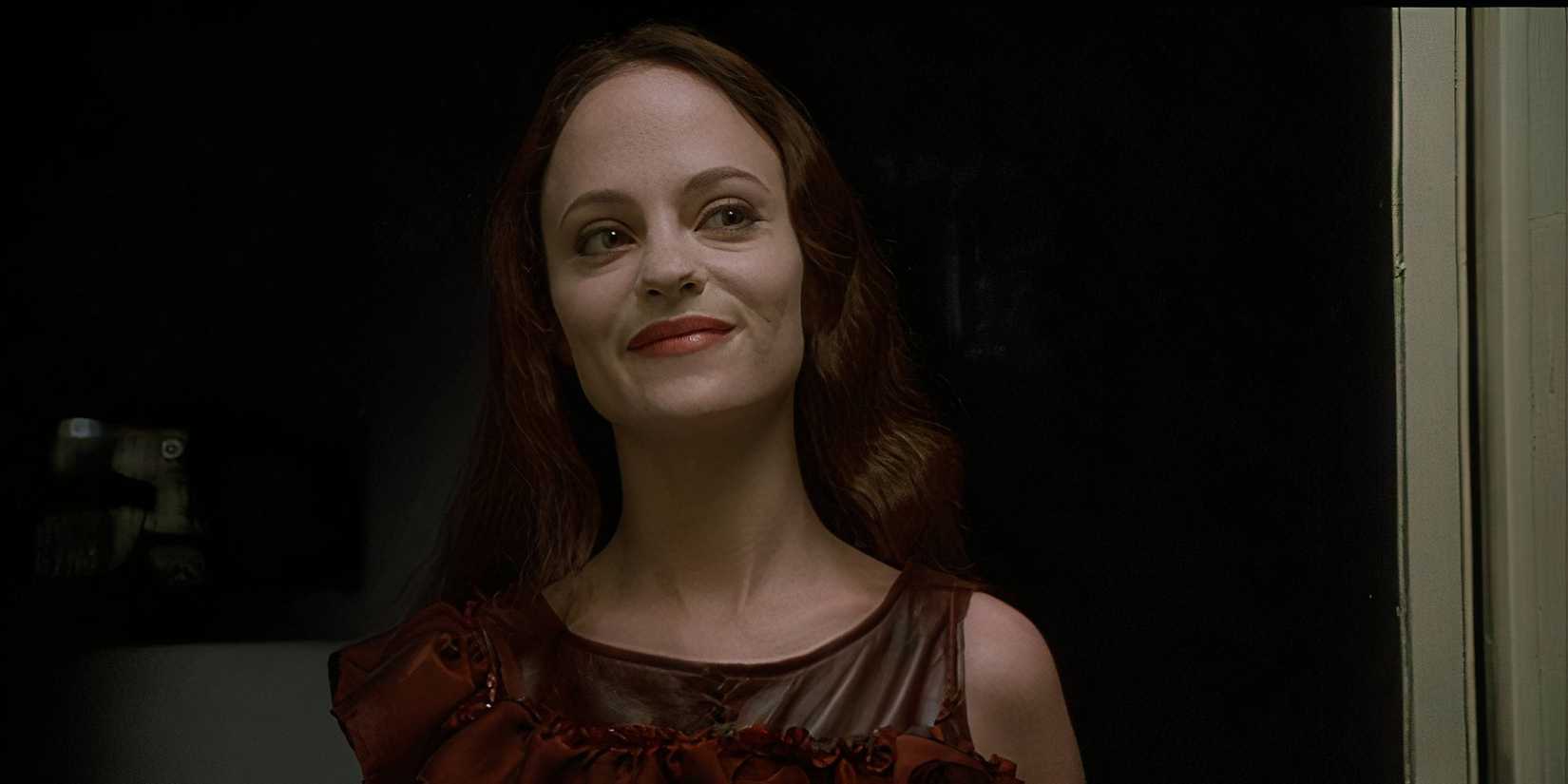
Angela Bettis smiling in MayImage via Lionsgate Entertainment
May was a small film which barely made a dent in theaters, but that didn’t stop it from accomplishing great things. Written and directed by Lucky McKee, it stars Angela Bettis as the titular May Dove Canady, an awkward young woman who was made fun of in school. Her past shaped her, and now she’s out to get her vengeance through murder.
Ebert gushed about Bettis and how she made May “believable, sympathetic and terrifying” when she could have been someone over-the-top. The famed critic described how horror movies struggle to create sympathy for its monsters. May accomplished just that. Ebert wrote in his review:
There is a final shot that would get laughs in another kind of film, but May earns the right to it, and it works, and we understand it.
8
‘Paperhouse’ (1988)
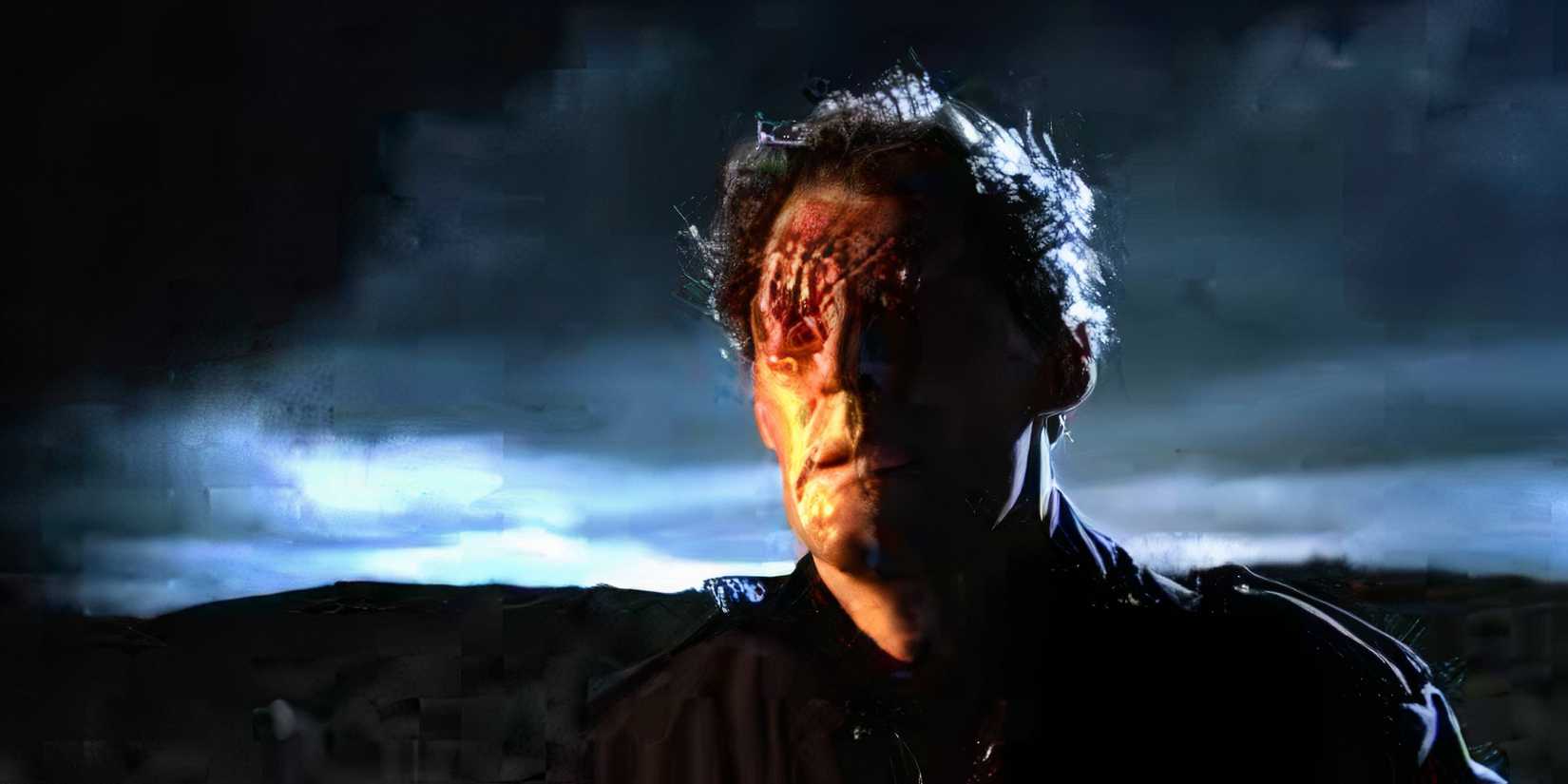
Ben Cross as nightmarish dad with eyed scarred over in Paperhouse.Image via Working Title Films
Four years before director Bernard Rose changed horror forever with 1992’s Candyman, he made Paperhouse, a Matthew Jacobs-written script based on Catherine Storr’s novel, Marianne Dreams. The film stars Charlotte Burke as Anna, a sickly 13-year-old girl who passes the time by drawing a picture of a boy in the window of a house. In Anna’s dream, the boy and the world he exists in come to life!
In his review, Ebert compared Paperhouse to the work of Ingmar Bergman and spoke about how engrossing it was to be transported into such a “thoughtfully written, meticulously directed fantasy.” He had fine things to say about the twist ending, but his last line is the type you’d put on the back of a VHS cover.
This is not a movie to be measured and weighed and plumbed, but to be surrendered to.
7
‘Cat People’ (1942)
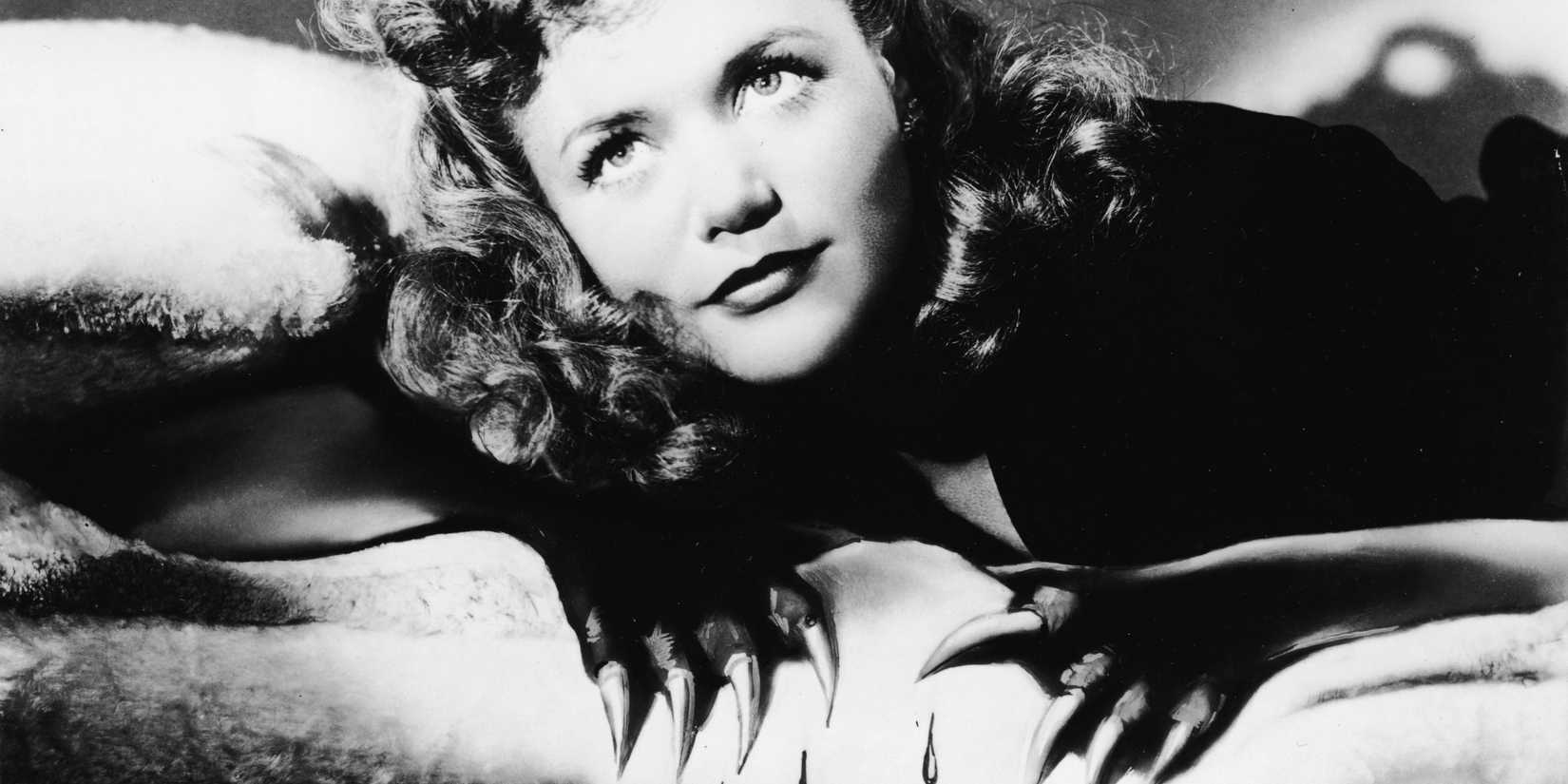
Simone Simon with cat claw hands in ‘Cat People’Image via RKO Pictures
Roger Ebert was born the same year that 1942’s Cat People came out. Directed by Jacque Tourneur, the bizarre plot about a newly married woman named Irena (Simone Simon) who won’t have sex with her husband because she thinks feeling passion will turn her into a black panther was certainly a lot for the era, but Cat People works because of its simplicity. It’s what Roger Ebert appreciated most.
Ebert wrote in his four-star review that the film “is constructed almost entirely out of fear.” The low budget meant that Tourneur had to build dread and suspense (and one of the best jump scares of all-time!), allowing his audience to imagine the horror rather than showing them everything. Ebert summed it up with this description:
Cat People wasn’t frightening like a slasher movie, using shocks and gore, but frightening in an eerie, mysterious way that was hard to define.
6
‘The Shining’ (1980)
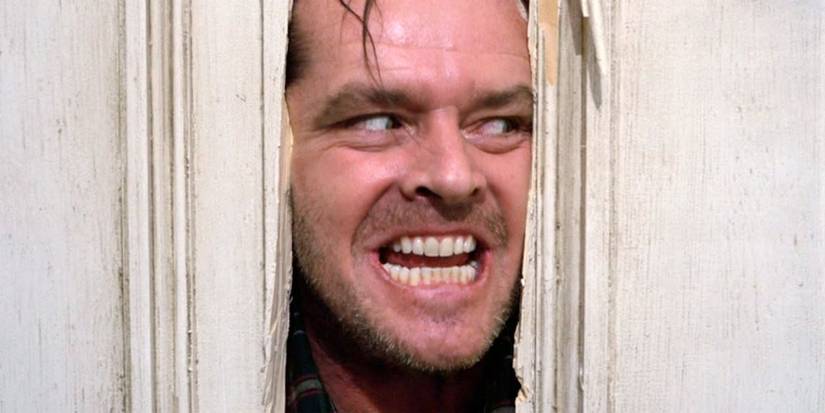
Jack Nicholson smiling while peeking through a door in The ShiningImage via Warner Bros.
Stephen King may have hated Stanley Kubrick’s adaptation of his novel The Shining, but everyone else seemingly loved it. Today, it’s regarded as one of the best horror films ever made. Starring Jack Nicholson as Jack Torrance, the driven mad caretaker of the Overlook Hotel, who is out to kill his wife, Wendy (Shelley Duvall), and their son with the ability to shine, Danny (Danny Lloyd), The Shining is a visually compelling masterpiece of horror.
In his review, Ebert loved that we don’t know who the “reliable observer” is. He also understood that The Shining is about a man being driven mad and his alcoholism and isolation, not traditional ghosts. Ebert explained:
There is no way, within the film, to be sure with any confidence exactly what happens, or precisely how, or really why. Kubrick delivers this uncertainty in a film where the actors themselves vibrate with unease.
5
‘Dawn of the Dead’ (1978)
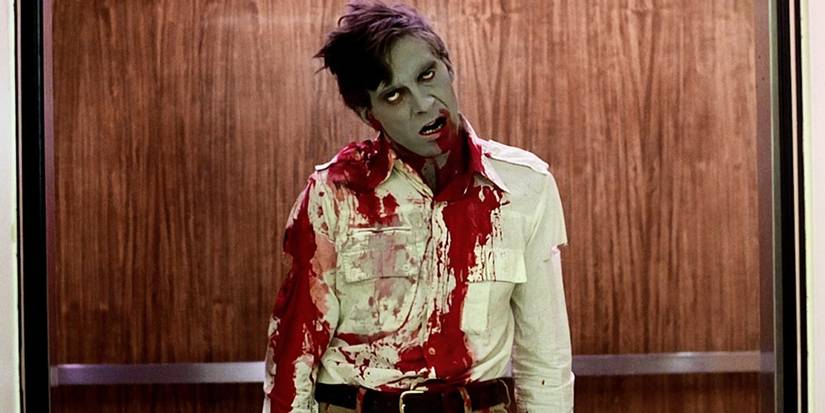
Flyboy (David Emgee) as a zombie in an elevator in ‘Dawn of the Dead’Image via United Film Distribution Company
In 1968, George A. Romero created the modern zombie movie, Night of the Living Dead. 10 years later, he returned to that world with Dawn of the Dead. Bright colors and a mammoth shopping mall replaced black-and-white farmland in a story about four people on the run at the end of the world who try to start a new life in an abandoned mall that they turn into their fortress.
Roger Ebert noted how Dawn of the Dead was more graphic and shocking than Romero’s first zombie film. Responding to accusations that it was depraved, Ebert wrote, “I do not defend it. I praise it.” His review also has the best opening sentence any horror director could hope for.
Dawn of the Dead is one of the best horror films ever made — and, as an inescapable result, one of the most horrifying. It is gruesome, sickening, disgusting, violent, brutal and appalling.
4
‘The Blair Witch Project’ (1999)
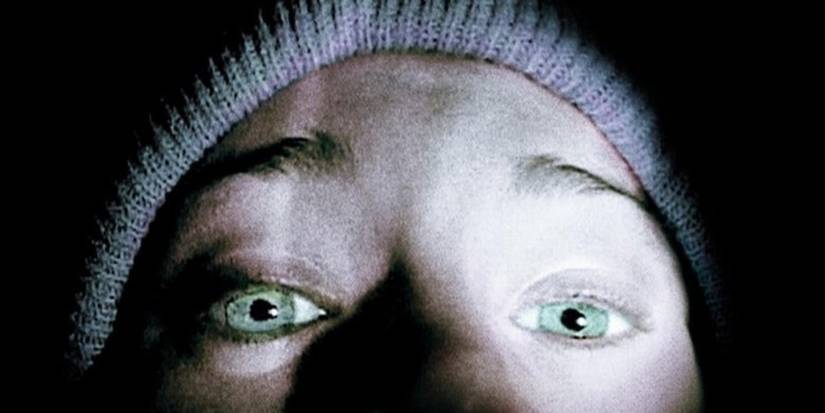
Heather Donahue’s eyes in ‘The Blair Witch Project’Image via Artisan Entertainment
Found footage barely existed before 1999. At the end of the 20th century, it went mainstream with Daniel Myrick and Eduardo Sánchez’s The Blair Witch Project. A genius marketing campaign promoted an experience which lived up to the hype with this terrifying tale about three college students who go into the isolated woods of Maryland in search of a legend and never return, with only their found footage left to document their last days.
Roger Ebert wrote about how The Blair Witch Project was “an extraordinarily effective horror film” because it knew how to deliver instinctive fears rather than depending on special effects created monsters. He elaborated on the characters and settings too, but he came back to the simplicity of the horror.
At a time when digital techniques can show us almost anything, The Blair Witch Project is a reminder that what really scares us is the stuff we can’t see.
3
‘Psycho’ (1960)
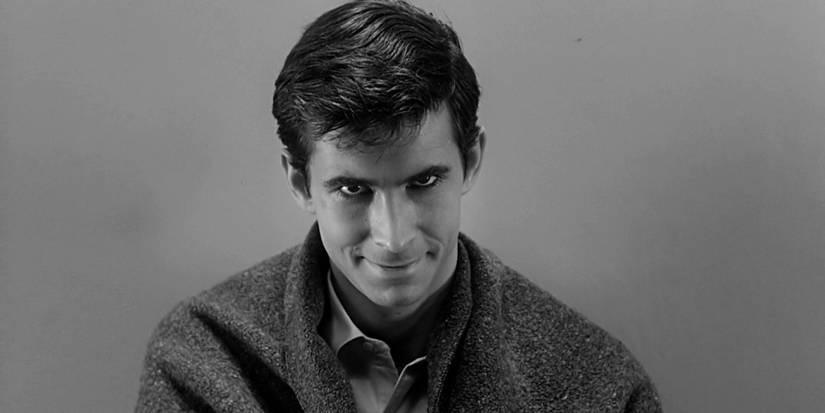
Anthony Perkins smirking evilly and looking at the camera in Psycho.Image via Paramount Pictures
Arguably the most influential horror movie of all-time is Alfred Hitchcock’s Psycho. Adapted from Robert Bloch’s novel of the same name, Psycho was one of the first ever slashers, transforming the genre from stories about gothic monsters to where the antagonist could be the hidden personality in the seemingly normal person across from us.
Roger Ebert’s review mentioned the cheap, $800,000 budget, it’s “visceral feel,” and the “uncanny job” Anthony Perkins does in pulling off an iconic character like Norman Bates. Ebert argued:
What makes Psycho immortal, when so many films are already half-forgotten as we leave the theater, is that it connects directly with our fears.
2
‘The Exorcist’ (1973)
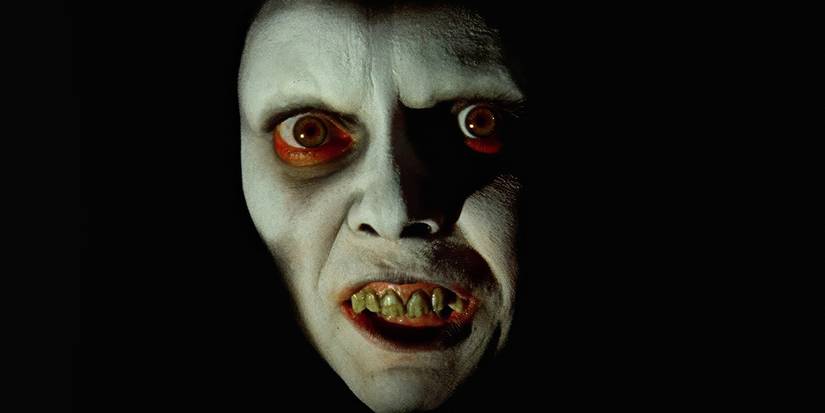
A close up of the demon Pazuzu in The ExorcistImage via Warner Bros.
William Friedkin’s The Exorcist, adapted from William Peter Blatty’s wildly popular novel of the same name (he also wrote the screenplay), tops many lists as the scariest movie ever made. Demon possession movies are done to death now, but in 1973 the subgenre was new, and it was scary as hell to see poor Regan (Linda Blair) transformed into something Hellish, with only two priests able to stop it.
Again, Roger Ebert compared a horror film to the work of Ingmar Bergman, noting that both The Exorcist and Cries and Whispers “are about the weather of the human soul.” He wrote about the contrasts of horror and hope in Friedkins’ film and how deeply it affected him. Ebert had praise for the special effects and the talent of the actors too. Buried in the middle of his review is a sentence which says it all:
The Exorcist is one of the best movies of its type ever made.
1
‘Halloween’ (1978)
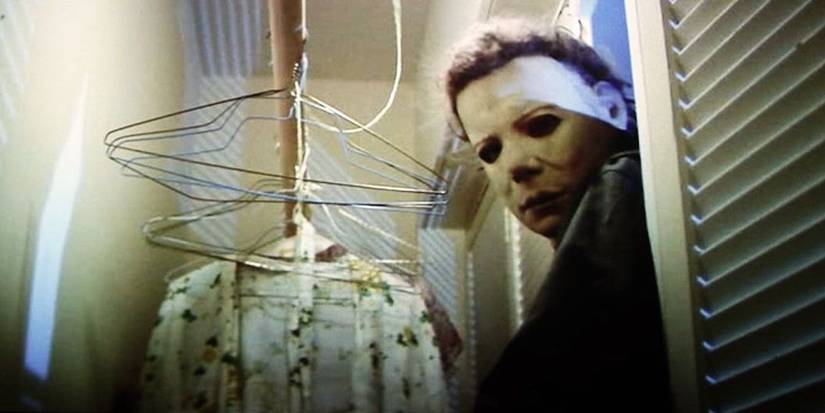
Nick Castle as Michael Myers in a closet in HalloweenImage via Compass International Pictures
In 1978, John Carpenter altered the course of horror forever with Halloween, a simple story about an escaped madman named Michael Myers stalking a teenage babysitter. It wasn’t the first slasher to have the tropes of a masked killer and a strong final girl, but it did it so perfectly that it created the 80s waves of slash-and-stalk movies like Friday the 13th that Roger Ebert despised so much. However, he had nothing but glowing things to say about the movie that started it all.
Straight away, Ebert compared Halloween to Psycho in his review, calling it “an absolutely merciless thriller.” He uses words like visceral, frightening, and terrifying to speak about the movie, while purposely revealing little about a plot he didn’t want to give away. The critic noted Carpenter’s use of putting objects in the foreground to draw in our attention and how these everyday characters make Halloween “a slice of life” movie interrupted by unimaginable horror. Ebert created a new generation of horror fans with his last paragraph:
We see movies for a lot of reasons. Sometimes we want to be amused. Sometimes we want to escape. Sometimes we want to laugh, or cry, or see sunsets. And sometimes we want to be scared. I’d like to be clear about this. If you don’t want to have a really terrifying experience, don’t see Halloween.