
Colorectal cancer is increasingly affecting younger Americans, with more people under 50 being diagnosed at advanced stages, according to the American Cancer Society.
Health experts say the trend is alarming and underscores the importance of earlier screening, which is now recommended to start at age 45.
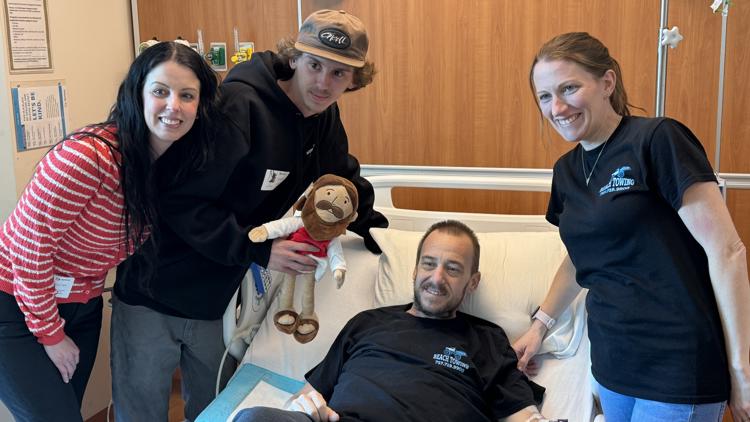
For Ronnie Dixon Jr., a 42-year-old Virginia Beach resident, the diagnosis came as a shock.
Last June, Dixon said he initially believed he had a minor condition, possibly a hemorrhoid. Instead, doctors diagnosed him with stage 3 colon cancer. The disease has since progressed to stage 4.
“We had a 30-second, life-changing event … that he told me I had cancer,” Dixon said.
Dixon said he had no family history of colorectal cancer and was unprepared for the diagnosis.
He is now undergoing aggressive treatment, including chemotherapy, surgeries and an upcoming procedure scheduled for next week. He said the physical toll is significant, but the emotional strain — especially the thought of leaving behind his five children — is even greater.
“Not being able to see them do stuff, that’s one of the worst things in the world,” Dixon said. “I want to see them grow and be happy.”
Friends and family have organized a fundraiser that has raised nearly $20,000 to help with medical expenses, though costs continue to rise. You can support the family at their GoFundMe that has been established.
Despite the challenges, Dixon said he hopes sharing his story will encourage others to get screened earlier.
“If someone can catch it way before, even a speck of what it is, that would be the best thing in the world,” he said.
According to the American Cancer Society, colorectal cancer is now a leading cause of cancer-related deaths among people under 50. Younger patients are also more likely to be diagnosed at later stages compared with older adults.
Doctors say early detection significantly improves outcomes, often identifying cancer before symptoms appear.
Common warning signs include changes in bowel habits, blood in the stool, persistent abdominal discomfort, unexplained weight loss and fatigue.
Health officials urge anyone experiencing symptoms to consult a medical professional and to follow recommended screening guidelines.
Community events, including awareness races and fundraisers, are also helping spread the message about early detection and prevention.