
NEED TO KNOW
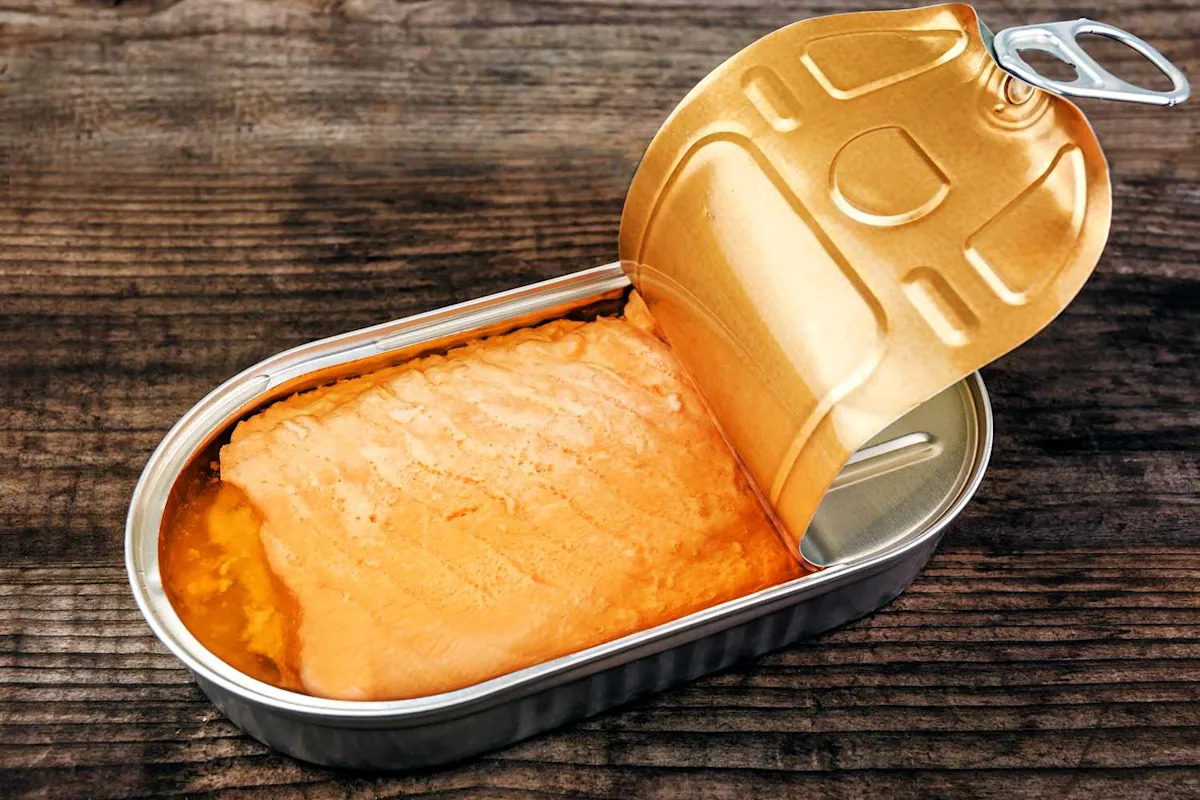
A group of scientists found that the amount of parasitic worms in canned salmon has risen over time since the 1970s
The study’s senior author Chelsea Wood tells PEOPLE that this rise in worms could mean aquatic mammals have come back after conservation efforts
According to Wood, the worms are largely nothing to worry about when consuming properly prepared fish
A group of scientists is showing why an increase in worms in your canned salmon is actually a good thing.
Researchers analyzed canned salmon dating to the 1970s, finding that the parasitic worms nested in them rose over time, according to a study published in the April 2024 issue of the Ecology and Evolution journal.
Chelsea Wood, the senior author of the study, tells PEOPLE that choosing to study cans of salmon “was kind of an accident.”
Wood says the Seafood Products Association, a trade organization that represents seafood producers, has collected cans of Alaskan salmon for decades.
“They’ve been doing it since the ‘70s, so they have quite a full basement,” she adds. “They had heard there was some weirdo up at the University of Washington who was interested in old fish specimens, so they called me.”
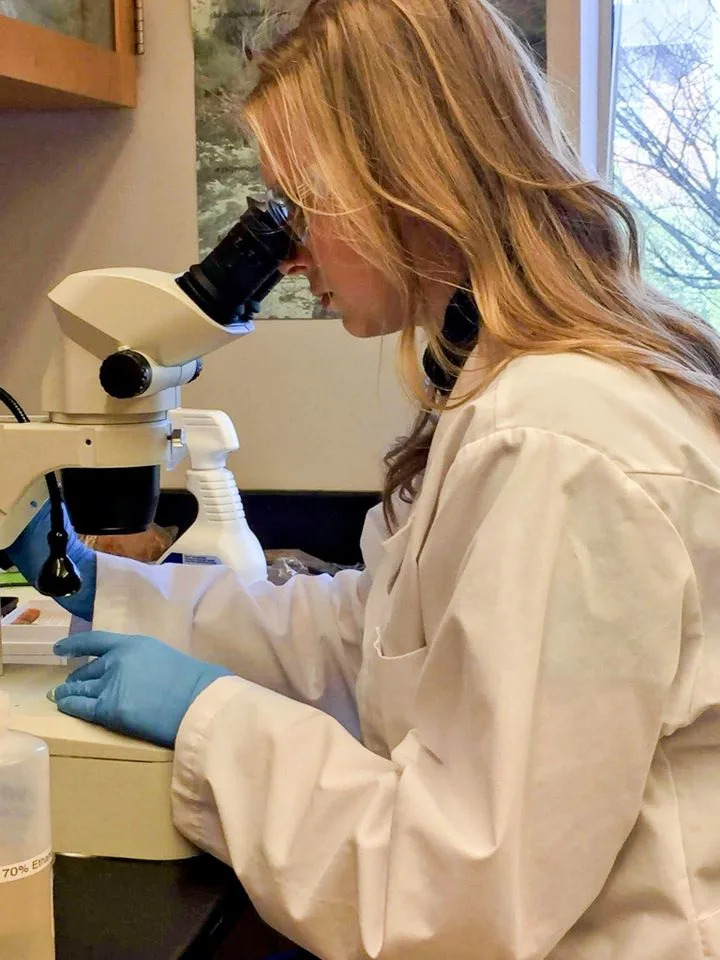
Katie Leslie, a research technologist, conducts parasite research
Credit: Katie Leslie/University of Washington
Wood, who is a faculty member in the School of Aquatic and Fishery Sciences at the University of Washington, says her team could “easily detect” the parasitic worms in even the older cans.
“[The cans] gave us the ability to reconstruct how parasites had changed in Alaska over 40 years,” she says.
The study said the team counted the number of parasitic worms, which use salmon as hosts, per gram of salmon tissue.
In chum and pink salmon, they found that the amount of the parasites increased, while it remained level in sockeye and coho salmon.
According to Wood, this rise in “sushi worms” is actually a good thing.
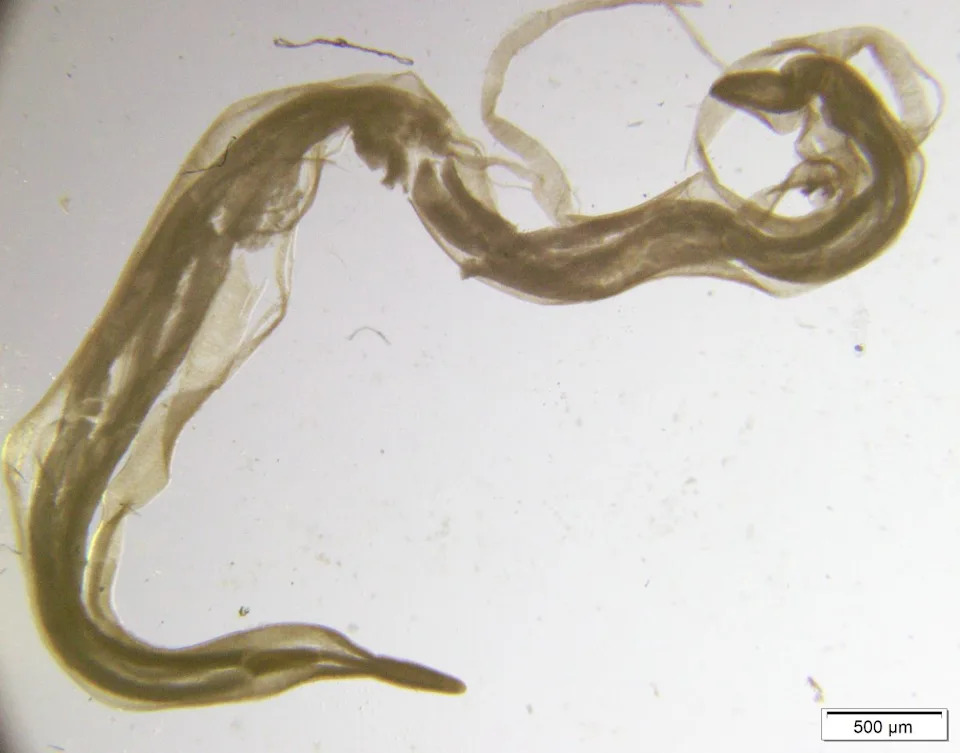
Wood and her team found a rise in parasitic worms in canned salmon over time
Credit: Natalie Mastick/University of Washington
“We suspect that this is actually a ‘good news’ story,” she says. “The final hosts of these worms are marine mammals, and marine mammals were shot, hunted, persecuted mercilessly until the… 1970s when the U.S. passed the Mammal Protection Act.”
Since then, Wood says, marine mammal populations have increased, which she thinks produced a rise in worms.
“It’s kind of a collateral impact of a conservation success story,” Wood tells PEOPLE.
She explains that the impact of this finding on human health depends on the person. Worms in canned salmon are dead, she says, and can’t cause damage to the intestinal tract.
“I know it sounds gross, there are worms in canned salmon, but for the vast majority of us, they are not a risk.”
However, people who are allergic to the proteins in these worms can have a reaction, even if the worms are dead.
“A lot of people who think they have seafood allergies actually have allergies to these worms,” she says.
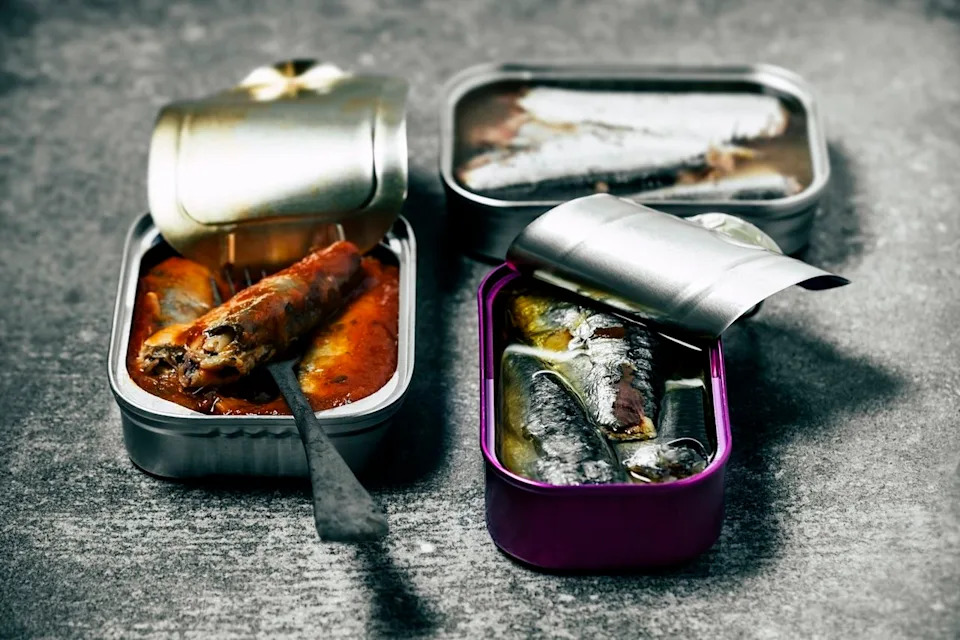
For most people, Wood said, consuming the dead parasitic worms has no adverse effects
Credit: Getty
You can find out you’re allergic to these worms by consulting an allergist, Wood says.
In terms of consuming raw fish, Wood notes it’s “more risky.”
“That worm can still be alive,” Wood says, as the fish hasn’t been cooked. She noted that salmon, sushi and sashimi are the most common ways North Americans encounter these worms.
The article points out that the worms can be killed by freezing or cooking fish, and they are killed in the commercial canning process.
Wood says the worm, when alive, can “actively penetrate” the intestinal wall. It can pierce a hole in the wall, causing stool to leak into the body cavity.
The worm can alternatively embed in the intestinal wall. This is less dangerous than the former effect, she says, but can lead to a range of health consequences like “violent diarrhea and vomiting.” Severe cases can lead to hospitalization, she said, to have an endoscopy to pull out the worm or to have a part of the intestine cut out.
“That’s a really unusual outcome,” according to Wood. “For the vast majority of us, we can eat live worms with no ill effects – as gross as that sounds, it happens every day.”
Wood says she eats fish with the knowledge she gained from her study “all the time.”
“I eat sushi regularly,” she said. “We do a lot of things that entail risk in our lives. Getting into a car is way riskier than eating a piece of sushi. And to me, sushi is good enough that it merits that little bit of risk.”
Read the original article on People