
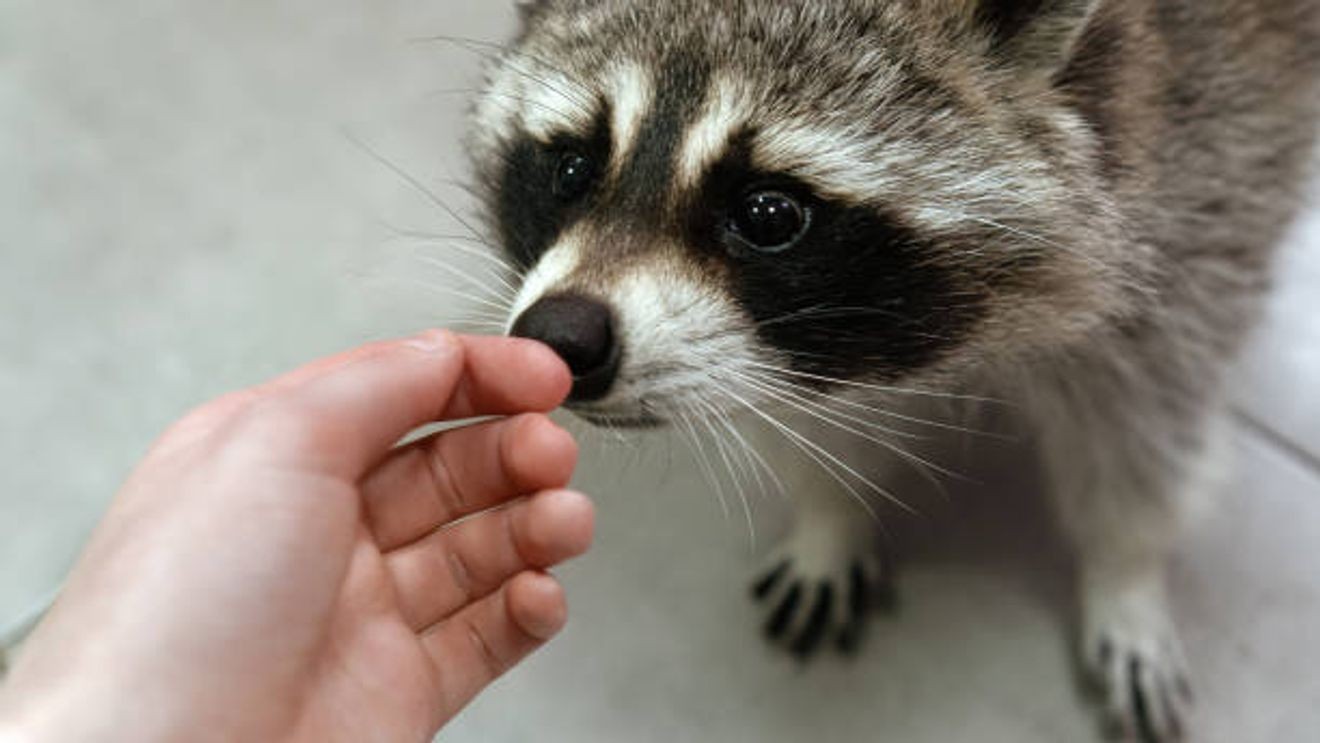
NASHVILLE, Tenn. — A new bill in Tennessee could make it easier for people to legally own a raccoon, but wildlife officials are warning that does not mean they make good pets.
Senator Joey Hensley and State Representative Kip Capley introduced bills that would lift the permit fee currently required to own a pet raccoon. The full Senate is scheduled to vote on the measure Monday (March 23rd) afternoon. However, the House version of the bill is still working its way through committee.
The bill says, “a raccoon may be possessed without the payment of a personal possession permit fee if the raccoon is:
(1) Obtained from a legal source and has been vaccinated;(2) Non-native and was not captured from the wild; and(3) A possession permit for the raccoon has been issued by the (Tennessee Wildlife Resources Agency).
The permit fees really aren’t very much to begin with, a mere $31. So this change in law, if it happens, isn’t that big of a deal.
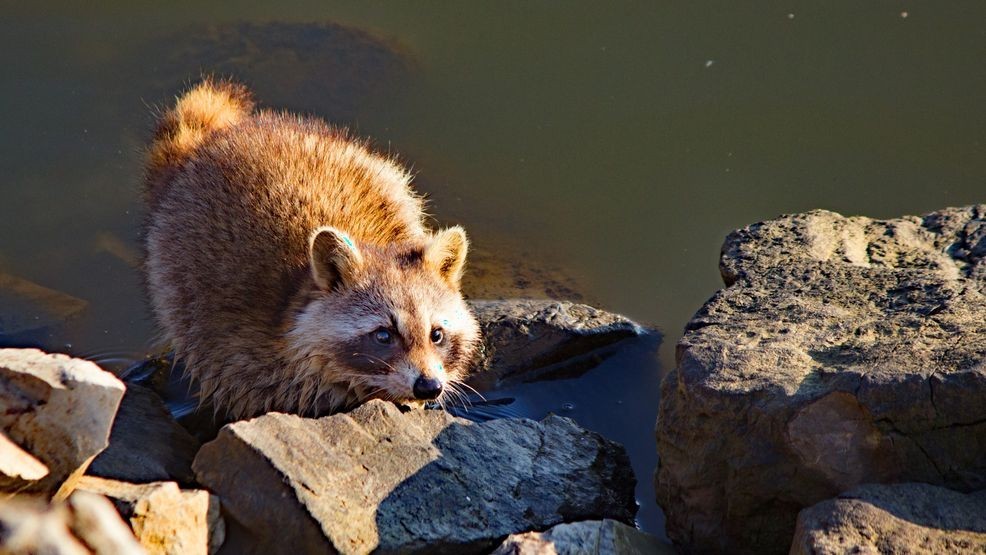
Wild raccoons are known carriers of disease, including rabies. The USDA annually drops a massive amount of vaccine in bait tablets they hope will be eaten by wild raccoons to lessen the potential for the spread of rabies. (Photo: Richard Simms)
But a warning – should the bills pass and you are excited about the possibility of saving $31, do NOT expect to be able to run down to your local pet store and buy a raccoon.
Normal pet stores don’t sell native wild animals. It isn’t worth the effort and legal paperwork involved to be cost effective. Stores would have to comply with both state wildlife laws and federal USDA regulations and it’s just not worth their time.
You will have to search very hard to find a licensed dealer of wild animals in Tennessee. Go out of state to buy one and you will need an importation permit.
In my own search I only found one dealer online.
Lentz Exotic Pets offers raccoons for $850 (when available). A $450 deposit is required to get on the waiting list, according to their website, which reads, “You will be contacted in order of deposits when your baby is ready.”
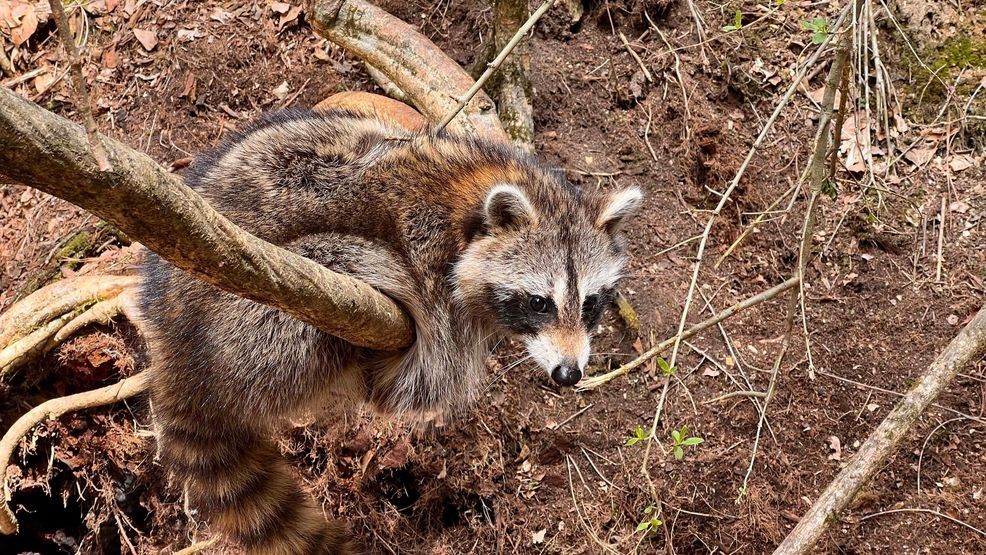
Raccoons used to be highly-prized for their fur and were routinely trapped commercially. However, as fur prices have fallen, fewer and fewer people trap them and populations have increased dramatically. They even thrive in cities where some say they can learn garbage pickup schedules and memorize safe routes across neighborhoods. (Photo: Richard Simms)
However, be aware that there is another place in Tennessee that specializes in “rescuing” raccoons and other wildlife. On its website, Exotic Pet Wonderland in Knoxville says,
Sadly, the vast majority of people who purchase unique exotic pets like raccoons and foxes keep their animals for less than a year. People often purchase captive bred wildlife as pets, assuming that they will behave like a domestic animal, and not realize the true complexity of their care requirements. When owners realize the truth about keeping these animals, they tend to struggle to rehome them.”Because of that, a large number of our animals have been illegally resold several times before finally ending up in our care. No matter the circumstances, our goal at EPW is to provide a safe place for these animals to live and receive the proper care they need to thrive. We are here to educate owners and assist when needed, no questions asked.
With that warning, and in the interest of disclosure, I am obliged to tell this story. It was 1971, maybe 1972, when my friend and I were prowling the woods during squirrel season. Mid-morning I heard him screaming bloody murder, desperately yelling out my name over and over. I was sure he was seriously hurt and ran a half-mile or more through fields and forest in search of him. Finally spotting him out in a plowed field, down on all four hands and knees.
When I ran up to him, expecting the worst, I saw his hunting jacket spread on the ground beneath him. But the jacket jumped around like something out of a cartoon. The jacket looked as if it had come to life, which it sort of had. My friend, who shall remain unnamed, had chased down a baby raccoon, barely bigger than a softball and trapped it beneath the jacket.
The tiny creature squeaked out tiny growls of fury, but with my extra pair of hands, we were able to wrap the jacket securely around the rampaging little creature and yes, my friend took it home.
Again, this was more than 50 years ago. I suspect there might have been laws on the books regarding keeping native wild animals as pets, put I can assure you they were not so stringently enforced then as they are now. My friend tamed and kept that raccoon for all of its natural life.
So yes, I know raccoons can make great pets. But I also know that some of them – while cute and cuddly as babies – can turn demonic as they grow older.
Don’t be deceived and attracted by the current “news buzz.” Keeping any wild animal, legally or not, as a pet should be considered a lifetime commitment at best – and dangerous at worst. Here’s a “near worst” example I experienced:
Once a wild animal, always a wild animal.
Read the bill below:
Depend on us to keep you posted.