
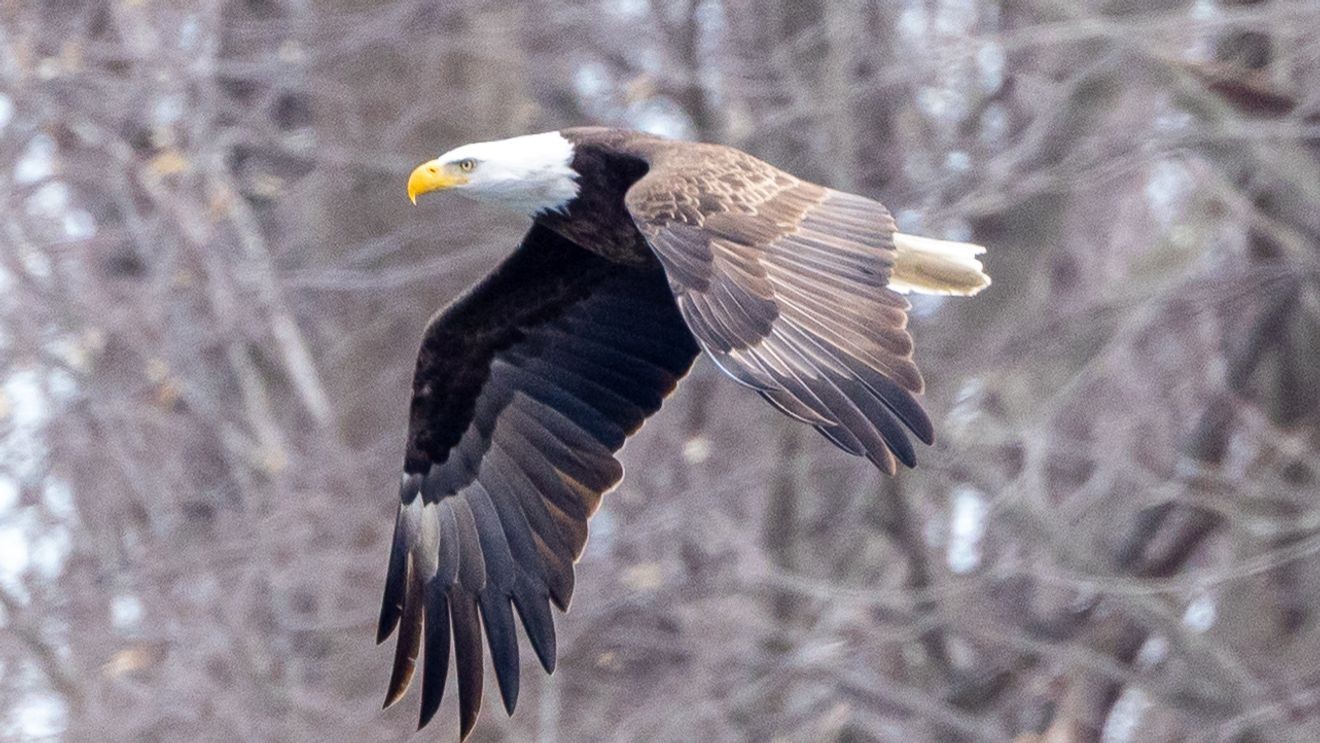
HOLLAND, Mich. — Bald eagles, an emblem of the United States, are facing a growing threat in Michigan as wildlife experts report increasing cases of lead poisoning among the birds.
Toxic metal exposure often comes from leftover hunting ammunition and fishing gear, and rescuers say even a small amount of lead can be fatal.
Bryan Parkhurst runs the Holland based non-profit Falconshire Raptors, a raptor rescue and transport service. He said his organization is often the first call when an eagle is found hurt or in distress.
“A lot of times around the ground they’re sick, they’re scared, they’re dehydrated, they are weak, but yet they’re still an apex predator and the top of the predator world. So, they will fight,” Parkhurst said.
When an injured eagle is reported, Parkhurst says a two-person team will respond quickly to secure the bird without causing further harm.
Once the eagle is safely contained, they begin stabilization efforts, which may include wrapping the bird in a blanket, limiting light exposure and administering fluids or oxygen right in the field.
“Most of the time, hypothermia has set in, they’ve been on the ground, they’re dehydrated, and they’re feeling intimidated because they’re vulnerable to other animals,” Parkhurst said. “Once the bird is brought in the ambulance, you can feel the temperature is much more comfortable than being outside. We’ve had a lot of birds die because they had to be transported in the back of a vehicle. It’s cold, it’s bouncing, so we chose to invest in an ambulance.”
The ambulance Parkhurst describes is a specialized mobile unit dedicated entirely to raptor rescue.
Equipped with oxygen, first aid supplies and digital x-ray capabilities, the vehicle allows the team to provide critical care on-site before transporting the birds to rehabilitation centers.
For the volunteers and coordinators, the emotional impact of the work is significant. Trent Dekker, raptor rescue coordinator at Falconshire Raptors, said one of the hardest parts of the job is not being able to release every bird back into the wild.
“The biggest tip would be to call as soon as you know something is wrong, or call DNR or any other number that you can find,” he said.
Parkhurst shared a particularly memorable rescue from Waukazoo Woods, where a bald eagle was found on the ground during a snowstorm on Thanksgiving.
“When I walked up to it, it immediately stood up with a seven-foot wingspan, three and a half feet high, charging me,” Parkhurst said. “Trent helped corral the eagle into a garage for a quick rescue. Regrettably, it did not survive its injuries.”
Lead poisoning can be devastating for eagles, often affecting neurological function. Birds may exhibit erratic head movements, difficulty focusing, poor balance, and eventually may collapse to the ground.
“They’re basically very vulnerable to everything, including the neurological condition they’re dealing with, which would be fatal if help is not administered,” Parkhurst said.
Volunteers emphasize the importance of the public knowing how to respond when encountering a distressed eagle. Observers should monitor the bird from a safe distance and avoid approaching it.
If possible, small birds may be gently placed in a dark, quiet box for transport, but larger birds like bald eagles require professional intervention to avoid injury to both humans and birds.
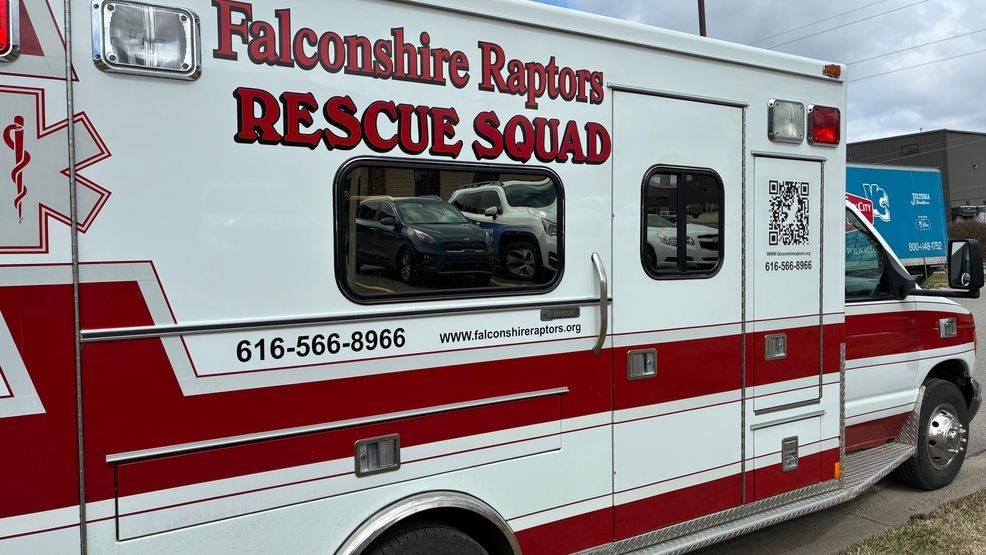
Pictured is the Falconshire Raptor Ambulance used to help inured or sick bald eagles in Michigan (Princess Jhané Stepherson/WWMT){ }
Experts say the key to protecting Michigan’s bald eagles lies in prevention.
Switching to non-lead ammunition such as copper, steel, or tungsten can reduce the risk of poisoning. Hunters are encouraged to make small changes that could save lives.
Parkhurst described different alternatives, including copper bullets and tungsten shotgun shells, which are safe for wildlife.
“Even a rice-sized piece of lead could kill an eagle,” he said. “Most hunters don’t know this until they start rescuing eagles.”
Falconshire Raptors is a small West Michigan non-profit that relies on donations and community support to maintain its specialized ambulance and rescue operations.
Parkhurst said anyone can help, whether through financial contributions or by making safer choices as hunters.
For those who spot a distressed bald eagle in Michigan, Parkhurst recommends contacting trained professionals immediately.
Falconshire Raptors can be reached at 616-566-8966, and the Michigan Department of Natural Resources maintains a list of licensed wildlife rehabilitators throughout the state.