
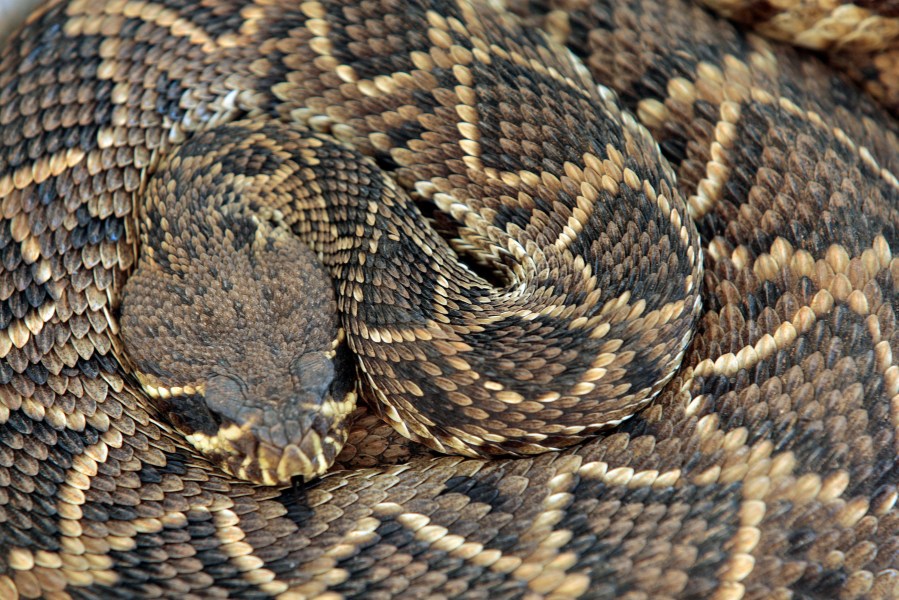
In the wake of several recent rattlesnake bites, wildlife experts are urging visitors to Southern California’s coastal areas to stay alert.
A mountain biker in Costa Mesa died from a rattlesnake bite on Feb. 1, and on March 20, a teenage girl in Thousand Oaks was hospitalized after suffering a bite.
Experts say rattlesnake sightings usually spike later in the summer, but with recent heat waves, reports have surged.
“In the last two weeks we’ve had a lot of activity, a little more than normal,” said Melissa Borde, manager at the Bolsa Chica Ecological Reserve in Huntington Beach. “In one day, I had three reports from the public.”
As Borde explains, rattlesnakes don’t hibernate like mammals. Instead, they enter a state called brumation, conserving energy and becoming less active. With temperatures swinging from cold to hot, they use extra energy adjusting, which can disrupt their natural rhythms and affect their overall condition.
“With the warm forecast over the next couple of weeks, I think they’re going to be pretty active,” she said. “And not just rattlesnakes, you’ll see gopher snakes and other reptiles.”

A rattlesnake swims through the water at Bolsa Chica Ecological Reserve in Orange County. (Bolsa Chica Conservancy)
For those squeamish about snakes, another piece of video might be even more startling: a swimming rattlesnake. Many people don’t realize they can swim, but footage captured by the Bolsa Chica Conservancy a few years ago shows one gliding through the water.
The key message for anyone heading out on the trails is simple, if you see a rattlesnake, don’t bother it. Let it cross the path on its own, then continue once it has moved safely out of the way.
Copyright 2026 Nexstar Media, Inc. All rights reserved. This material may not be published, broadcast, rewritten, or redistributed.
For the latest news, weather, sports, and streaming video, head to KTLA.