
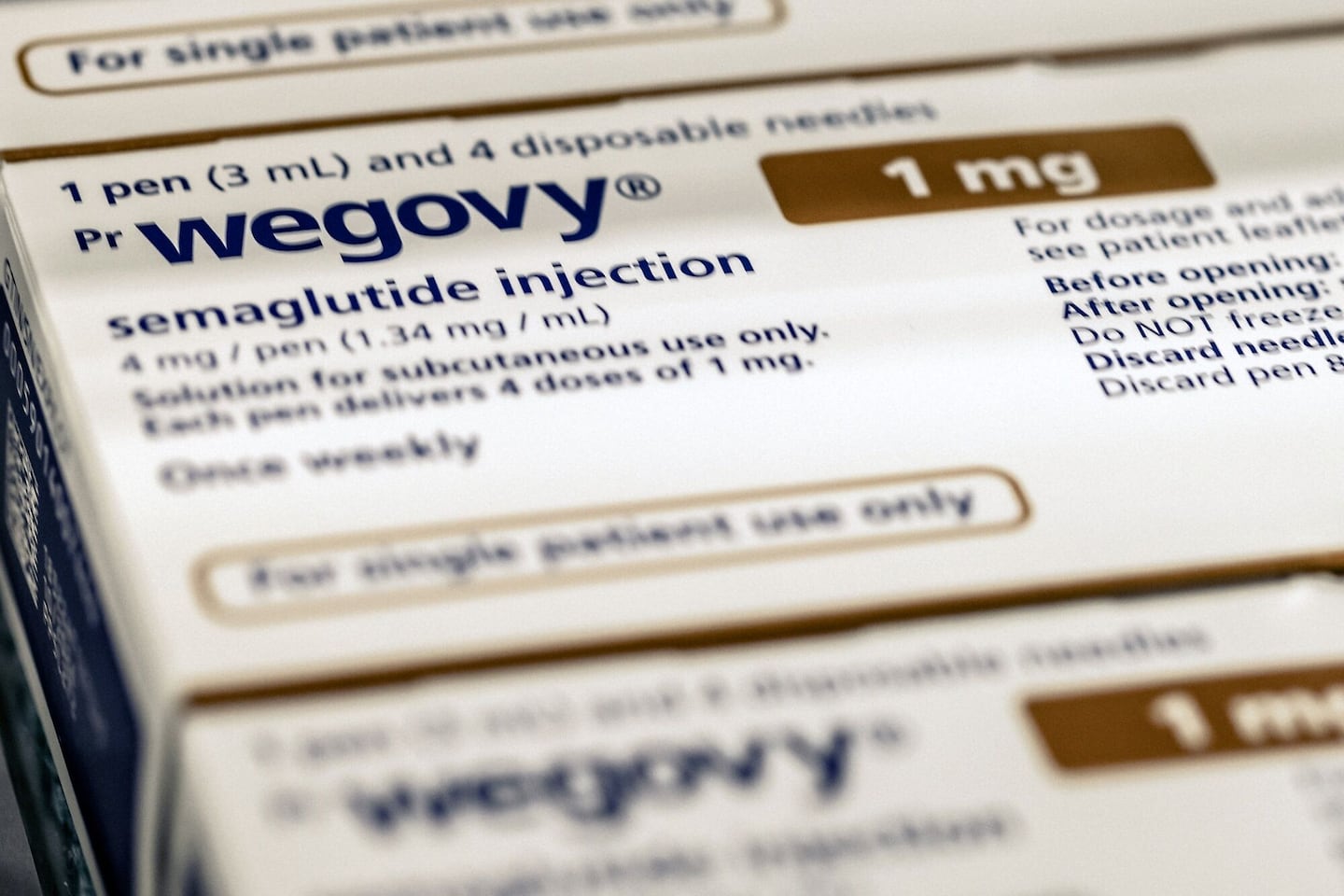
The PEC voted unanimously on Tuesday to let the city change its Blue Cross Blue Shield of Massachusetts health care plan to implement “utilization management,” requiring doctors to get approval from employees’ insurance providers before prescribing certain medications.
The new requirement will go into effect on July 1 and is expected to cut down the number of employees approved for coverage for GLP-1 drugs.
Mayor Michelle Wu celebrated reaching the agreement “amid one of the most challenging budget environments in recent years.”
“Together, we are taking steps to responsibly manage rising costs while protecting the health care coverage that our workforce depends on, and the high-quality core City services that our residents deserve,” Wu and PEC chair Elissa Cadillic said in a joint statement Wednesday.
Cadillic told the Globe that the city had signed a memorandum of understanding with the unions to inject $1 million of the cost savings from the change into Boston Public Schools, and use between $8 million and $9 million to minimize staff layoffs and cuts to city services in the mayor’s upcoming budget proposal. Wu has warned department heads to prepare for budget cuts next fiscal year as the city struggles with rising costs and lagging revenues.
The rest of the savings will go toward offsetting premium increases for employees, Cadillic said.
Instead of a 23 percent spike, monthly bills for employees on the city’s Blue Cross Blue Shield family insurance plans will go up about 20 percent — from $655 to $788 — according to Cadillic.
The city also committed to begin negotiations with the PEC on a new five-year health insurance contract by June. The current contract is set to expire by July 1, 2027.
Cadillic, who is also president of the Boston Public Library employees union AFSCME Local 1526, called the agreement a “good start” and a “good deal” for city workers.
“It was a show of good faith that [the city] put the money back in the school budget and … we look forward to working with them on ways to reduce costs,” Cadillic said. “It does set a path for other cities and agencies to show that you can do it without it harming employees.”
The Boston Firefighters union Local 718 backed the agreement, largely because of the city’s commitment to reinvest the savings in its employees, said Sam Dillon, the union’s president.
“It’s important to do everything reasonably possible to keep health care costs down, while at the same time addressing future concerns,” Dillon told the Globe on Wednesday.
Erik Berg, president of the Boston Teachers Union, also praised the compromise in a statement as a way to mitigate premium increases for workers, maintain coverage of GLP-1 medications for employees who need it, and guard against potential layoffs.
Boston City Councilor Sharon Durkan — who told the Globe she has lost 79 pounds over the past year on the GLP-1 drug Wegovy — said the agreement shows the city can prioritize financial responsibility while also preserving access to essential medications.
Durkan is enrolled in a city health insurance plan that already requires prior authorization for certain medications. Still, her plan has covered her GLP-1 prescription because she said she and her doctor have demonstrated it’s medically necessary for her.
“For people like me, these medications are not optional, they’re life changing,” Durkan said. If a city employee “and their doctor have proof and evidence that they should continue to receive this type of care, they should be able to access these medications.”
Boston included $483 million for all health-related benefits for about 55,000 employees, their families, and retirees in its budget for this fiscal year, according to the city.
Ashley Groffenbergercq, the city’s chief financial officer, last week warned the City Council that without action, workers on one of the city’s Blue Cross Blue Shield family insurance plans would see their monthly premium increase in July from $655 to $803, or roughly 23 percent — the highest year-over-year increase in premium costs the city has seen “in recent history.”
Groffenberger told the City Council that nearly 15 percent of the city’s overall projected increase in health care costs is driven by the rise in city employees taking GLP-1 medications. Coverage for those drugs cost roughly $32 million this fiscal year but is expected to jump by 50 percent to more than $47 million next year, she wrote.
Requiring prior authorization for the medications would help the city save between $8 million and $9 million, without getting rid of coverage of GLP-1 drugs entirely, according to Groffenberger.
The Massachusetts’ Group Insurance Commission eliminated coverage of GLP-1 drugs for state employees last month, citing budget challenges and soaring costs. The decision affects about 22,000 GIC members who are currently on GLP-1 drugs for weight loss, at a total cost of $46 million, state officials said.
North Carolina, California, and New Hampshire have also ended coverage of GLP-1 medications, while several others are considering or imposing increased restrictions.
Niki Griswold can be reached at niki.griswold@globe.com. Follow her @nikigriswold.