
ⓘ Notebookcheck
According to leaker Digital Chat Station, mid-range smartphones could face significant downgrades as a result of the memory crisis.
Rising RAM and storage prices could soon have noticeable consequences for mid-range smartphones. A leak suggests that manufacturers in the roughly $400 segment may increasingly return to older technology such as 90 Hz waterdrop displays, plastic frames, and hybrid SIM slots. The microSD slot, which has long been on the decline, could make a comeback as a result – much to the delight of many users.
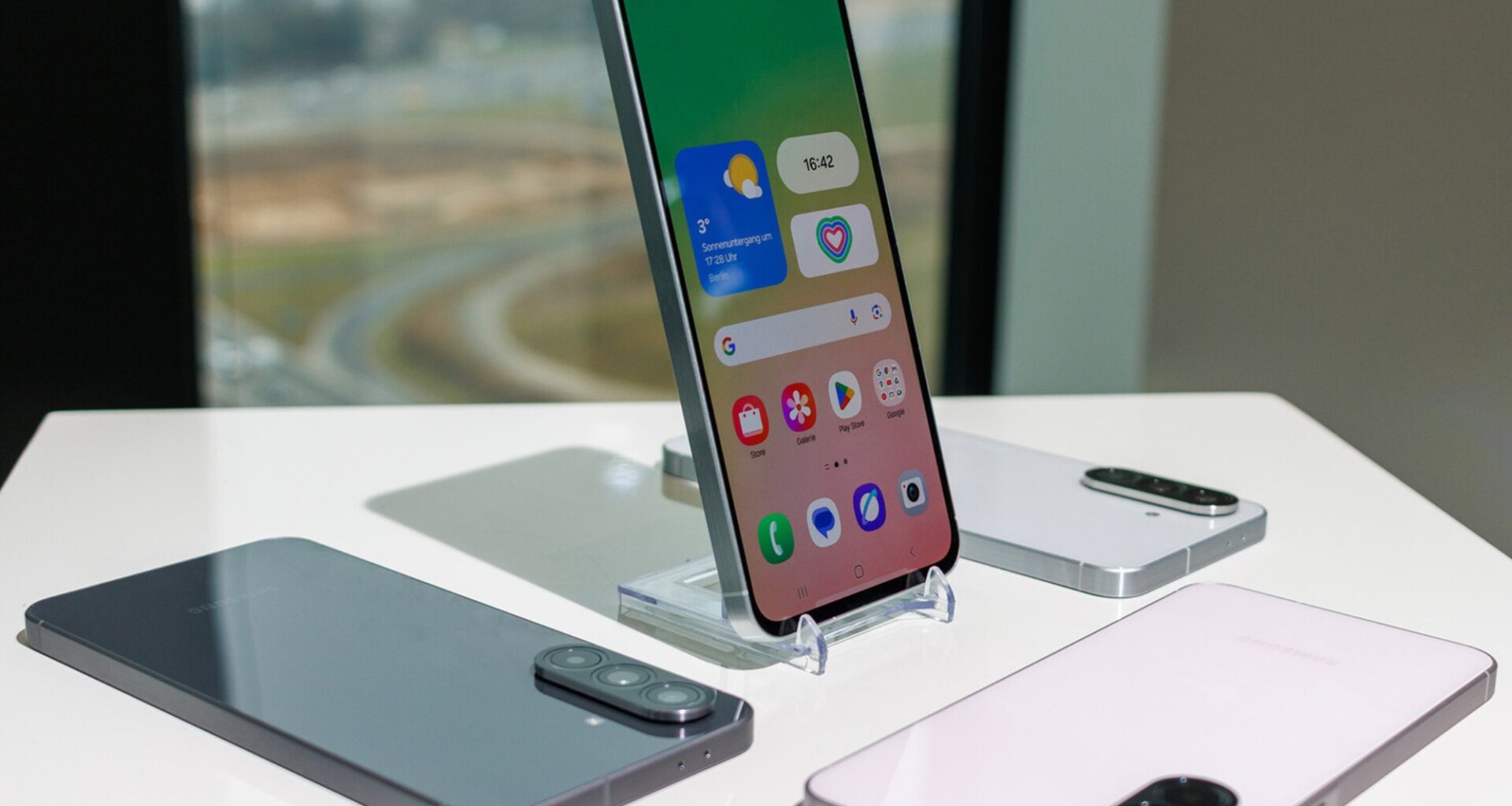
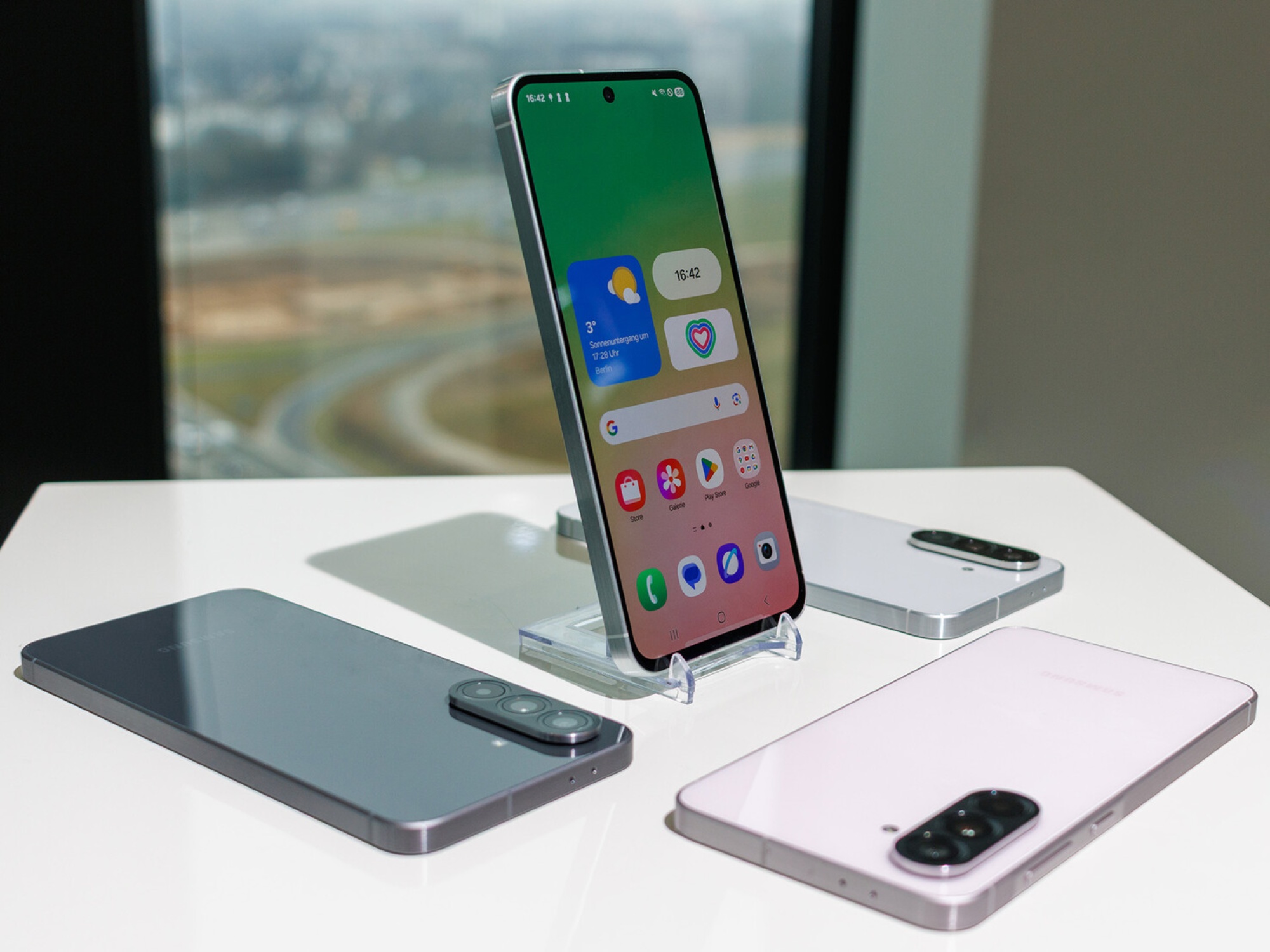
Budget smartphones such as the Galaxy A56 (currently $300 on Amazon) or the Google Pixel 9a offer an attractive option for price-conscious users willing to compromise on performance or camera hardware. But as a recent leak suggests, buyers in the mid-range segment may soon have to accept further compromises due to ongoing supply pressure and rising memory prices.
The information comes from well-known leaker Digital Chat Station on Weibo and was also picked up by Android Authority. The leaker does not go into much detail, but simply lists a number of older specifications that could return to smartphones in the “3K class.” This likely refers to devices priced at around 3,000 yuan, or roughly $435. That category includes smartphones such as the Oppo Reno 15, the OnePlus Ace 6T, or the Samsung Galaxy A56. Their successors could make the following compromises in order to offset rising memory costs:
8 GB RAM + 512 GB storage instead of other storage configurations90 Hz display with waterdrop notch instead of other display solutionsSIM + microSD instead of other slot configurationsPlastic frame + short-focus fingerprint sensor in the 3K segment instead of other hardware combinations
As Android Authority reports, citing data from Counterpoint Research, RAM already accounted for around 14% of the bill of materials for a smartphone with 8 GB of LPDDR5X RAM and 256 GB of UFS 4.0 storage by the end of Q1 2026, while internal storage made up a further 11%. According to the report, those figures could rise even further in Q2 2026. Simply reducing RAM capacity therefore does not appear to be enough to offset rising memory prices. As a result, material choices and display specifications could also come under pressure in the future.
Community jokes about the technological rollback, but welcomes the return of the microSD slot
Users on Weibo are joking that the AI boom is forcing the industry to take a step backwards, bringing back long-outdated features such as 90 Hz waterdrop displays and plastic frames. The possible return of the microSD slot, however, has been explicitly welcomed by many. It would make choosing a smaller storage configuration at the time of purchase much easier and give users more flexibility when it comes to onboard storage. Many would also welcome the return of the 3.5 mm headphone jack, although that would probably offer little advantage for manufacturers in this scenario.
For now, however, it remains to be seen whether and when this trend will actually show up in real devices. So far, the claims are based solely on a leak, meaning it is still unclear whether such changes will become visible with the next generation of smartphones, later on, or at all.

As a child in the 90s, my Gameboy was my steady companion. After school, the PlayStation was fired up. When I finally got my first PC, I was completely hooked. My passion for gaming has never waned since. For me, writing for Notebookcheck means reporting on topics that are really close to my heart – in addition to gaming, I also like to write about e-mobility, photovoltaics and innovative gadgets. When I’m not sitting at my computer, I’m probably on water rescue duty on the Baltic coast or trying to counteract the downsides of my geek life – namely sitting for long periods – at the local swimming pool.