
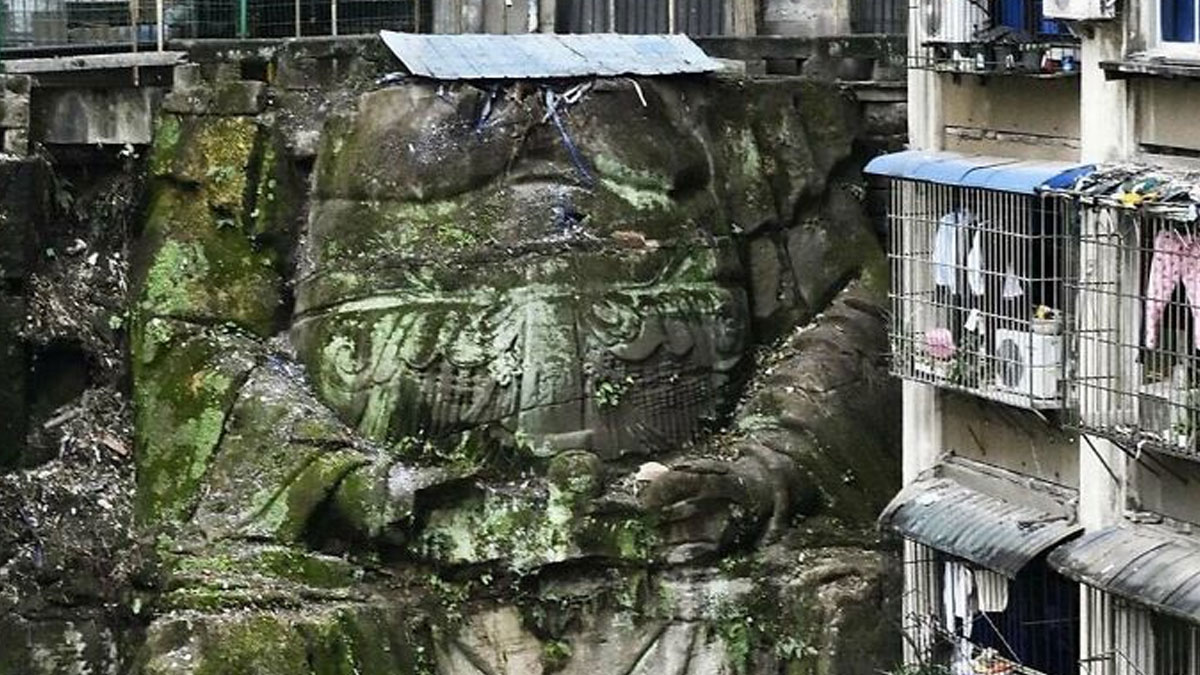
The dystopias you see in movies, books, TV shows, and video games might be closer to reality than you might want to believe. Many cities and dwellings are far from the positive environments that you envision human beings would thrive in.
The members of the sprawling ‘Urban Hell’ online group call out the flaws of modern development, design, and architecture by sharing photos of some of the ugliest buildings from around the world. We’ve collected the worst offenders to remind you that people deserve better. Much better.
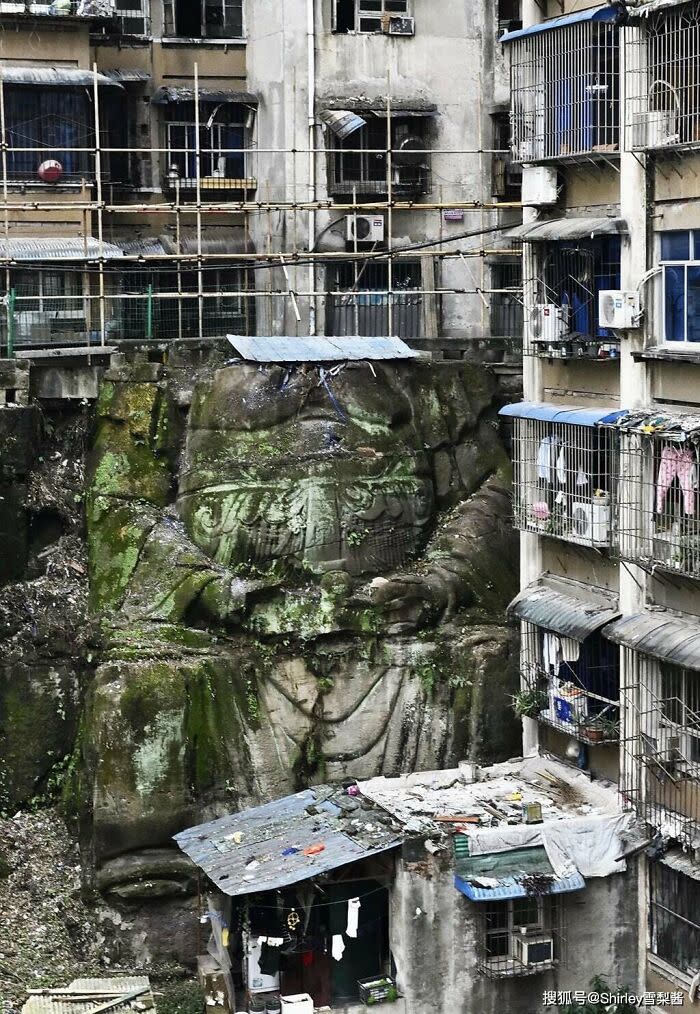
© Photo: Few_Simple9049
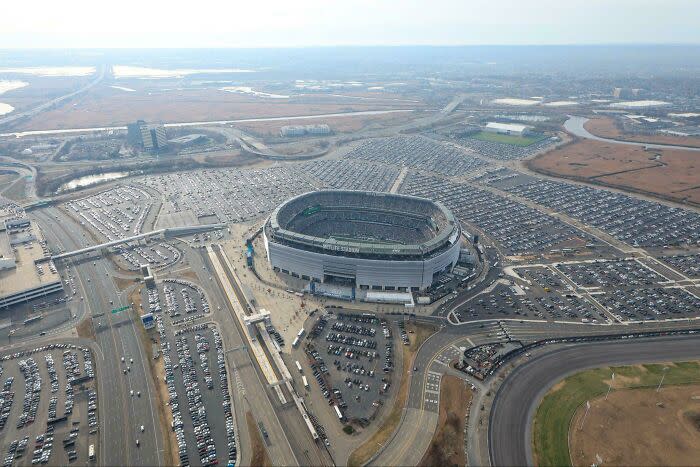
© Photo: pau-ki
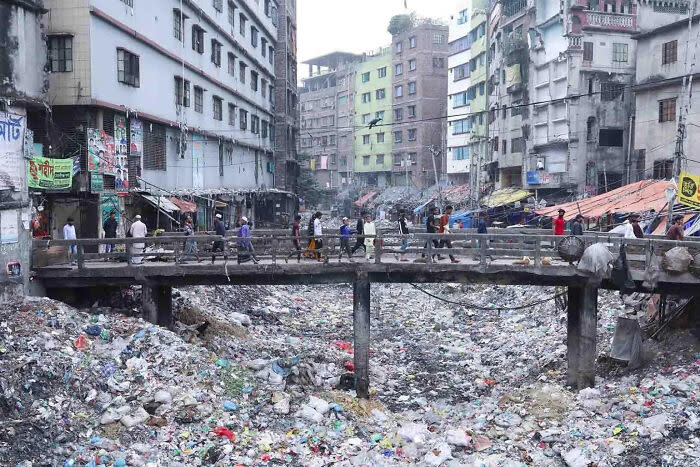
© Photo: Upstairs-Bit6897
According to Our World in Data, more than half of the entire world’s population, 4 billion people, now live in urban areas.
However, living in highly dense cities and urban settings is a relatively new phenomenon in human history and has changed how societies live, work, travel, and build networks.
Previously, throughout most of human history, most human beings lived in small communities.
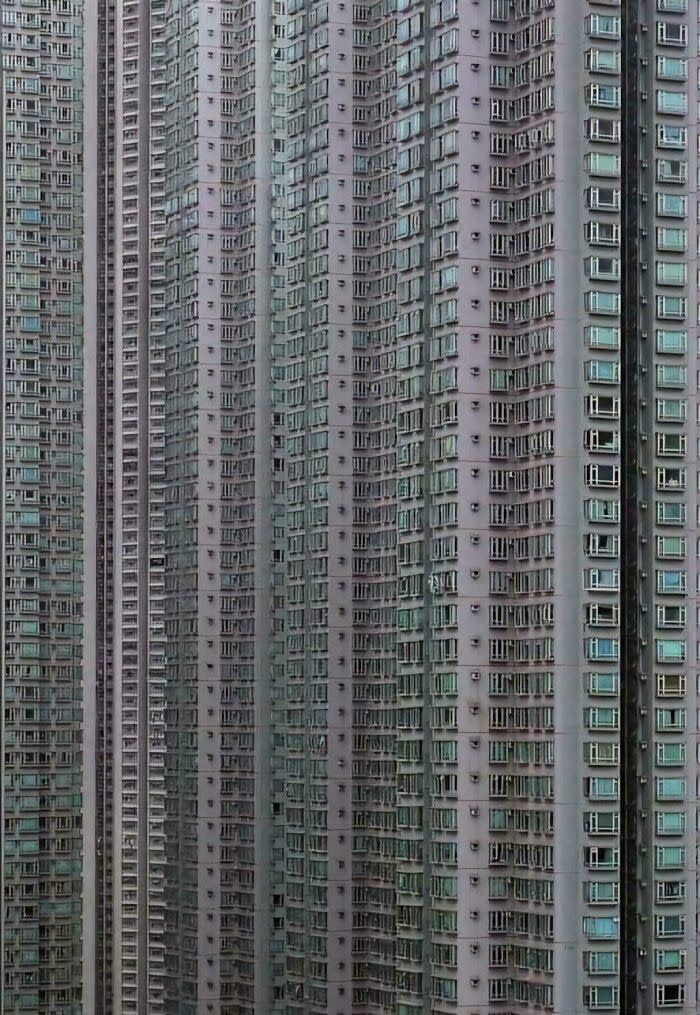
© Photo: GlitteringHotel8383
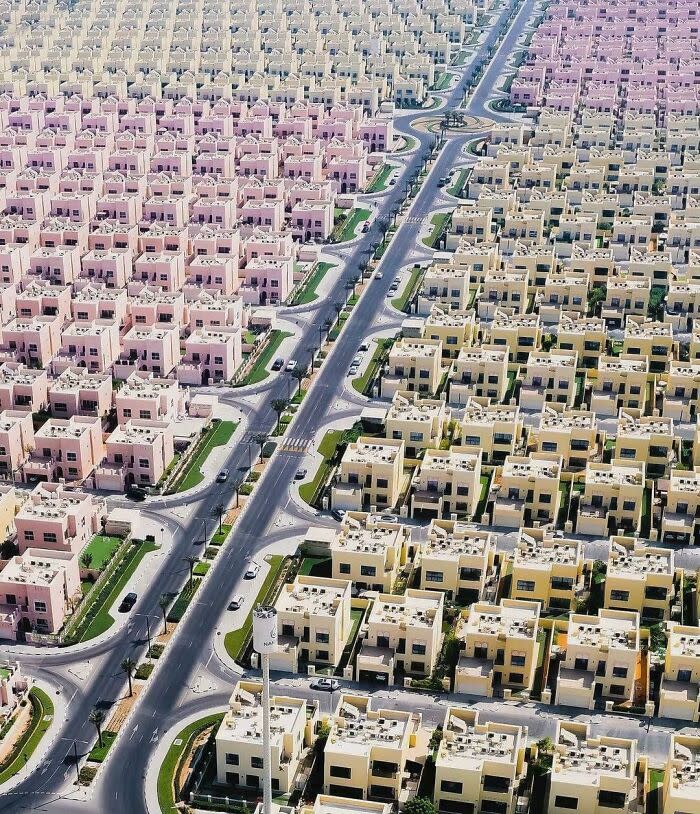
© Photo: Wide-Lychee-8721
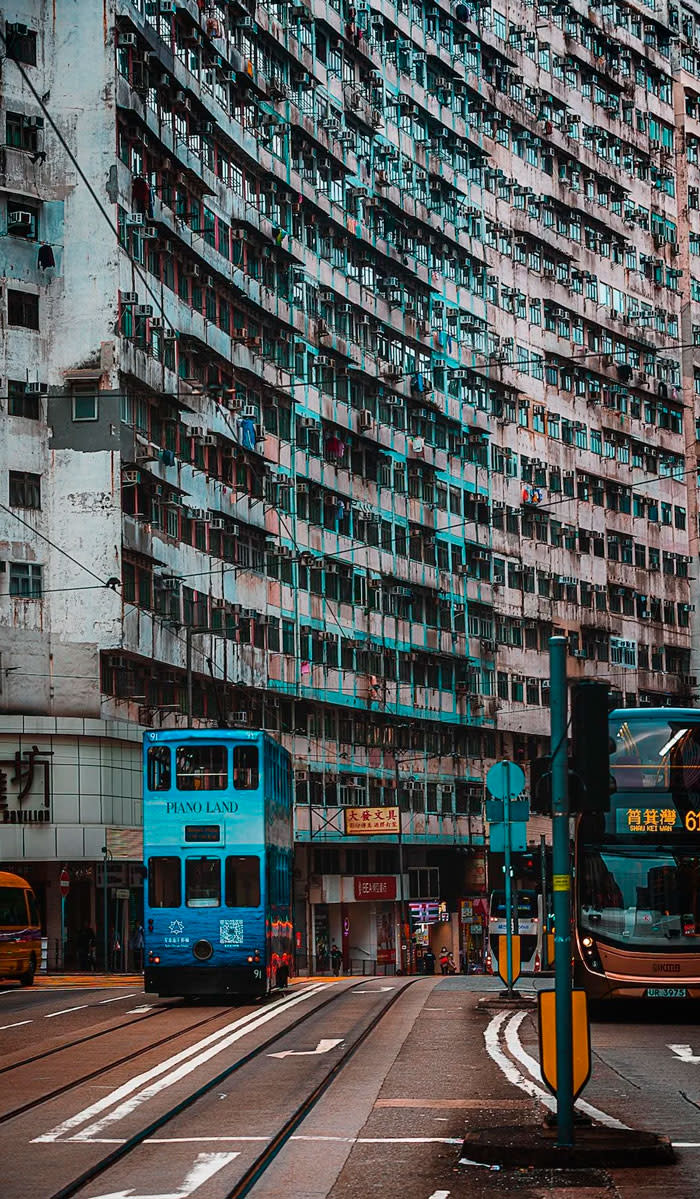
© Photo: D_explores
“Over the past few centuries – and particularly in recent decades – this has shifted dramatically. There has been a mass migration of populations from rural to urban areas,” Our World in Data explains.
More than 80% of the population lives in urban areas in higher-income countries across Western Europe, the Americas, Australia, Japan, and the Middle East.
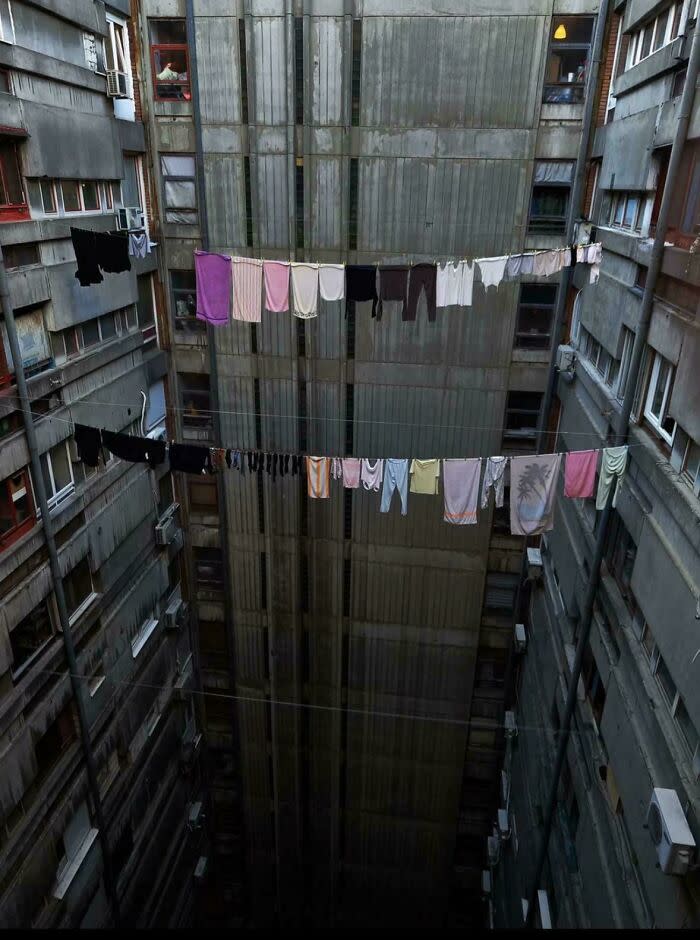
© Photo: GetOffTheMath
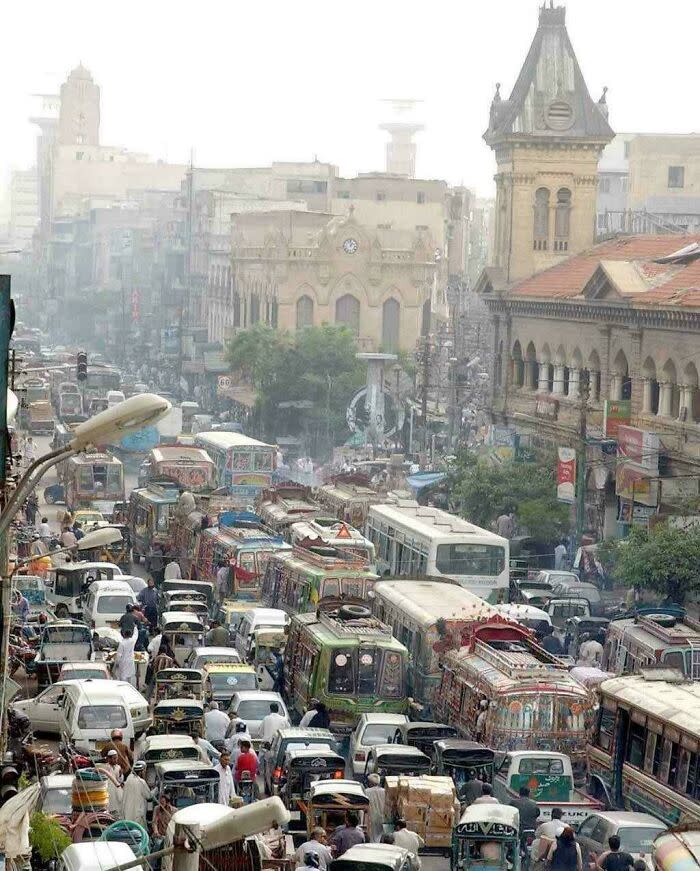
© Photo: DaveM_604
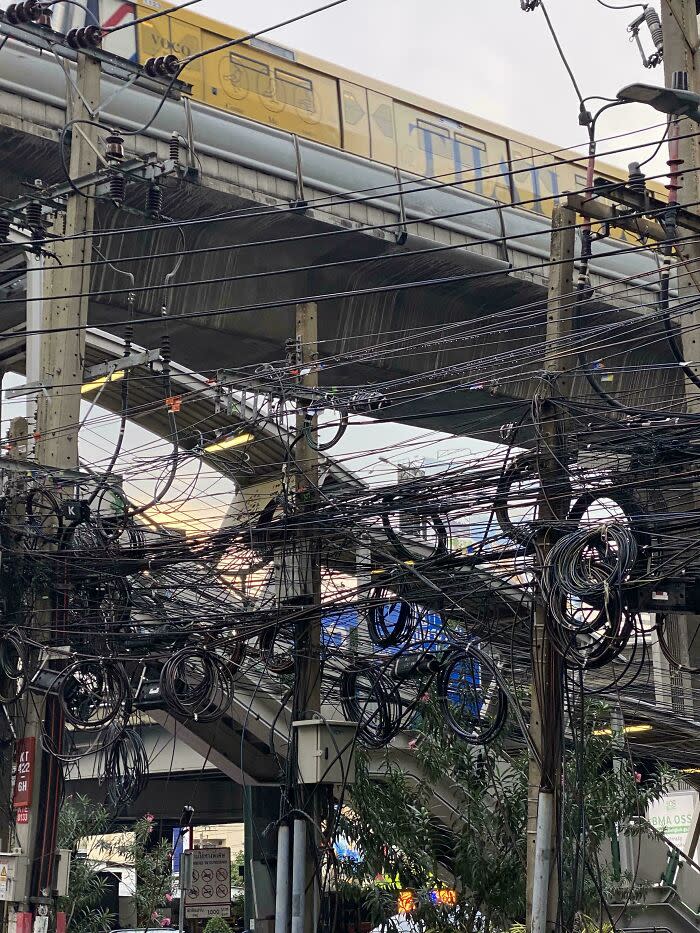
© Photo: Frequent-Chain-6082
Meanwhile, between 50% to 80% of people live in urban settings in upper-middle-income countries across Eastern Europe, East Asia, North and Southern Africa, and South America.
To compare, in 1800, less than a tenth of all people across all regions lived in urban areas.
Urbanization trends are expected to continue, as incomes rise and more employment shifts away from agriculture.
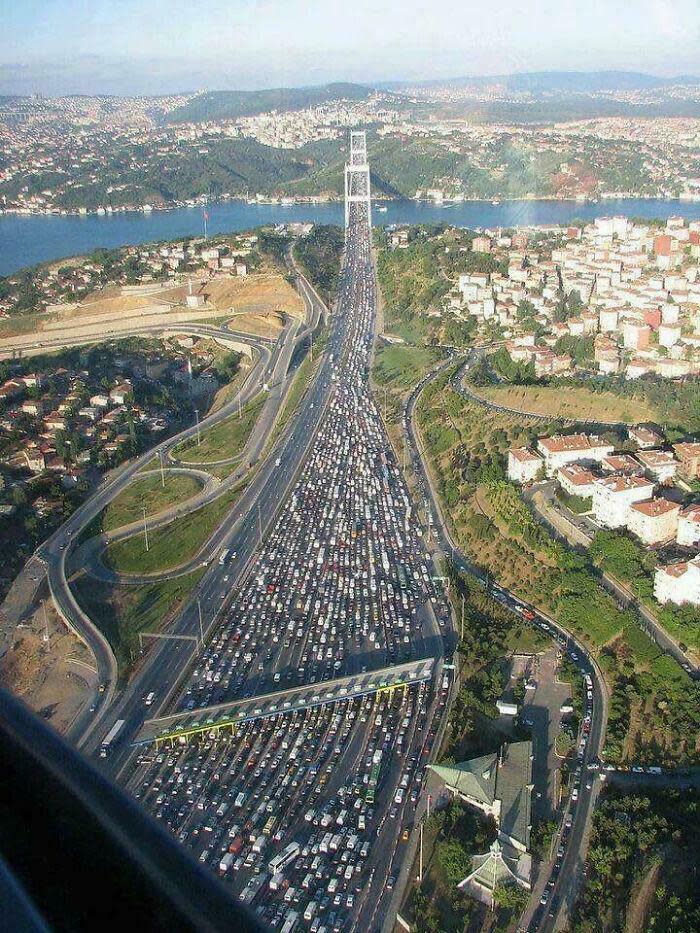
© Photo: Next_Mixture5624
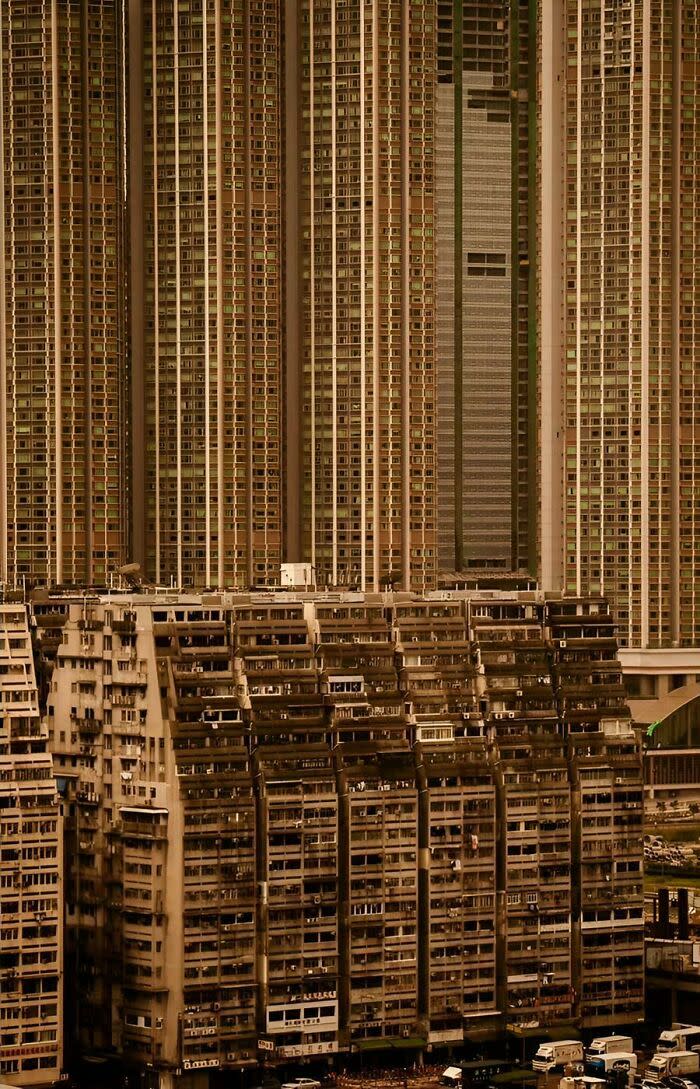
© Photo: GlitteringHotel8383
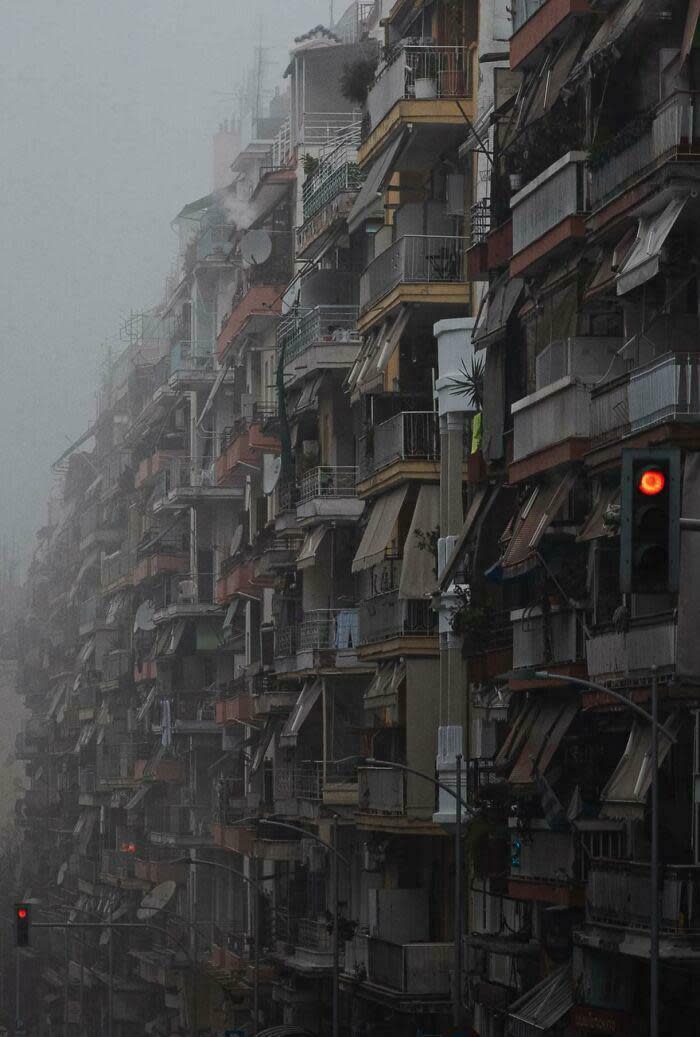
© Photo: GlitteringHotel8383
As reported by Statista, Tokyo-Yokohama in Japan was the largest world urban agglomeration in 2025. That year, a mind-melting number of people lived in the area: 37 million.
In second place was Delhi, India, with more than 34.7 million inhabitants, followed by Shanghai, China (30.5 million), Dhaka, Bangladesh (24.7 million), Cairo, Egypt (23.1 million), and Sao Paolo, Brazil (23 million).
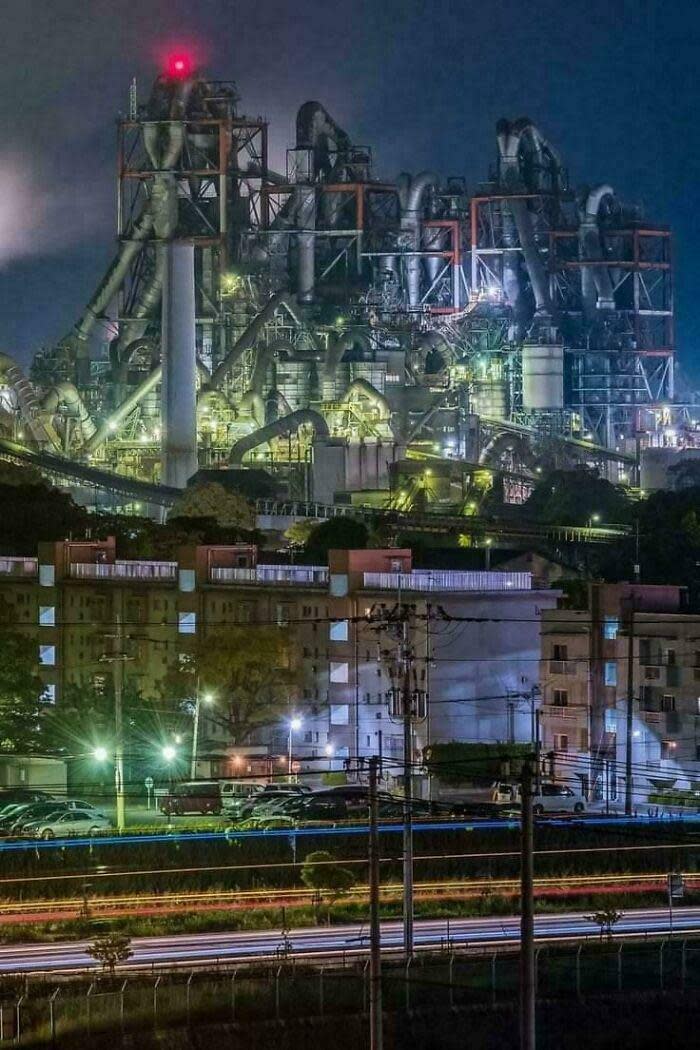
© Photo: Monsur_Ausuhnom
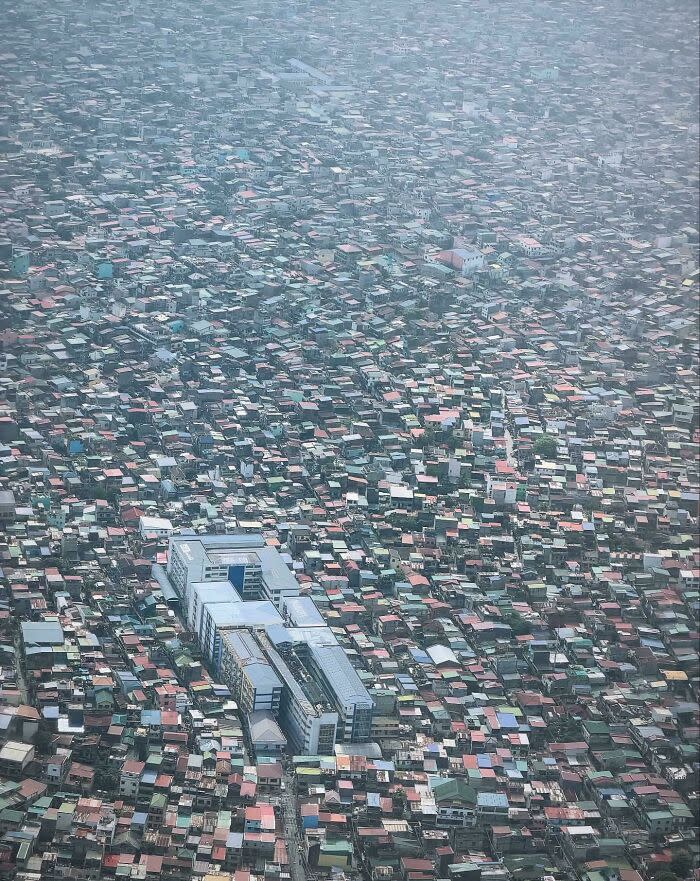
© Photo: xeno325
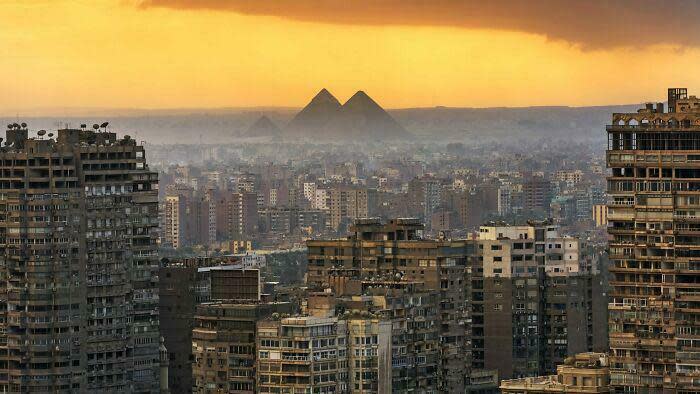
© Photo: No-Scientist5068
Vehicle emissions, industrial processes, agricultural practices, burning fossil fuels for energy, improper waste disposal, and wildfires all cause pollution.
Based on the data in the 2025 IQAir World Air Quality Report, air pollution has long been recognized as a persistent hazard, increasing the risk of non-communicable diseases like cardiac disease, stroke, and cancer. Last year was a turning point, as “international institutions finally elevated the crisis to the forefront of the global agenda.”
According to the report, air quality is a “fragile asset,” not a “static achievement,” requiring “active stewardship and a proactive strategy.”
I couldn’t believe it when I saw the new “benches” at our bus stop. This is insanity.
cowboysmavs:
God forbid an elderly, disabled, or pregnant woman can sit down waiting for the bus.
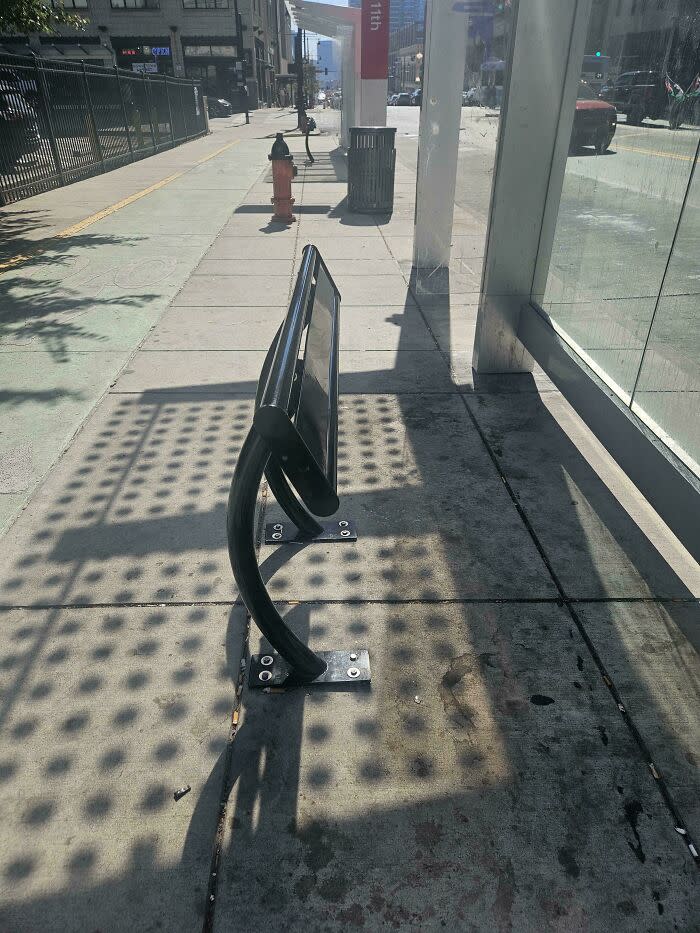
© Photo: BIGCA7
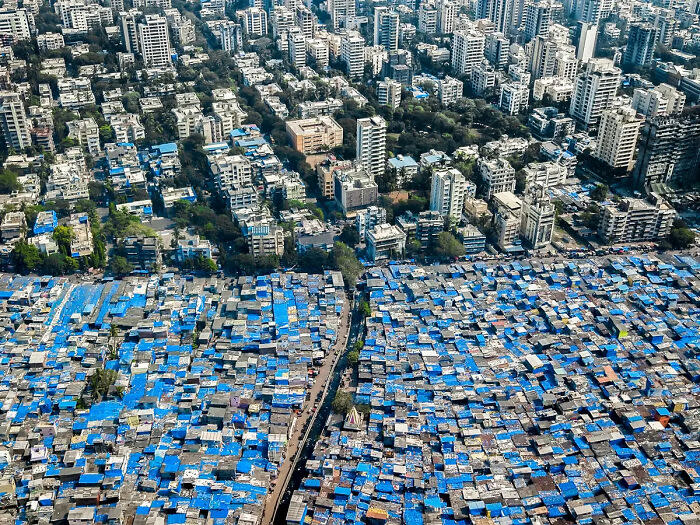
© Photo: sairam7276
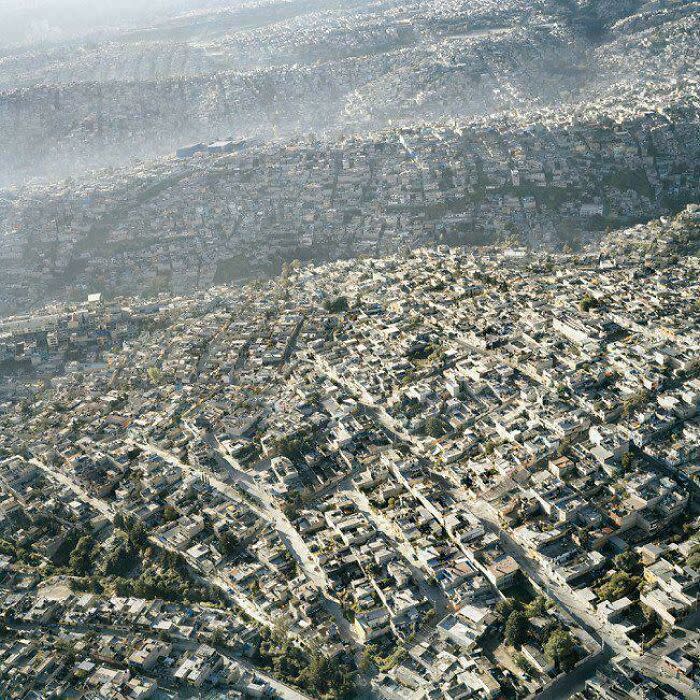
© Photo: Fluffy-Speed6232
“Maintaining clean air is a long-term commitment to incremental improvement rather than a single policy goal achieved or annual target concentration reached. For children, however, the impact of air pollution exposure can last a lifetime; the respiratory damage sustained during developmental years is often irreversible. As the demographic with the least agency in these environmental shifts, children are left to bear the permanent health costs of air quality they did not choose,” the report states.
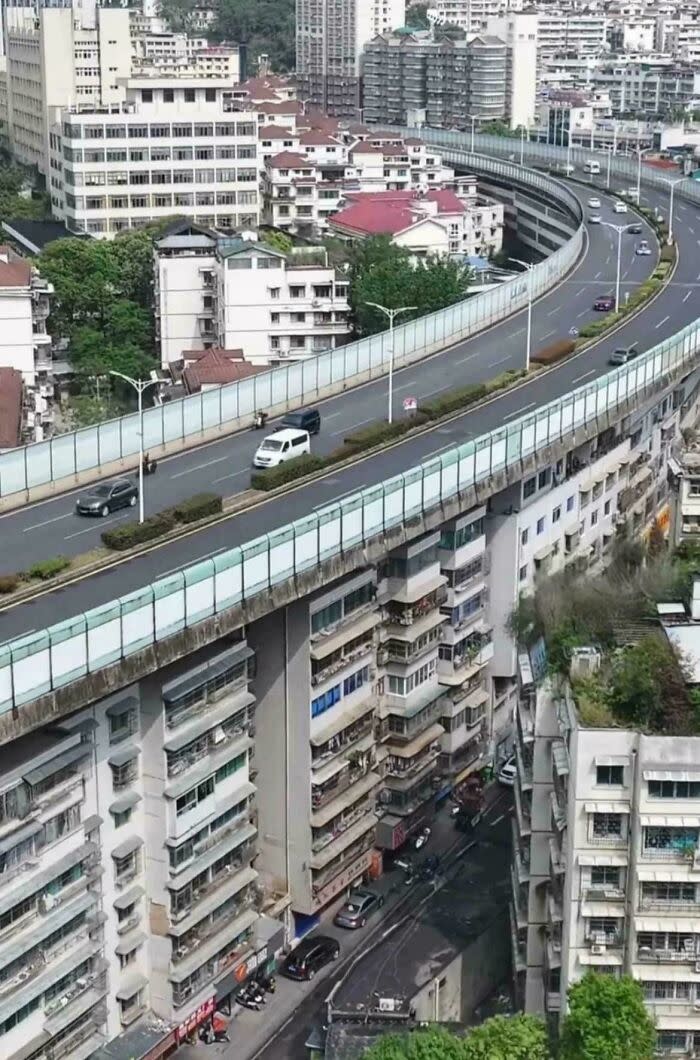
© Photo: Own_Pin5680
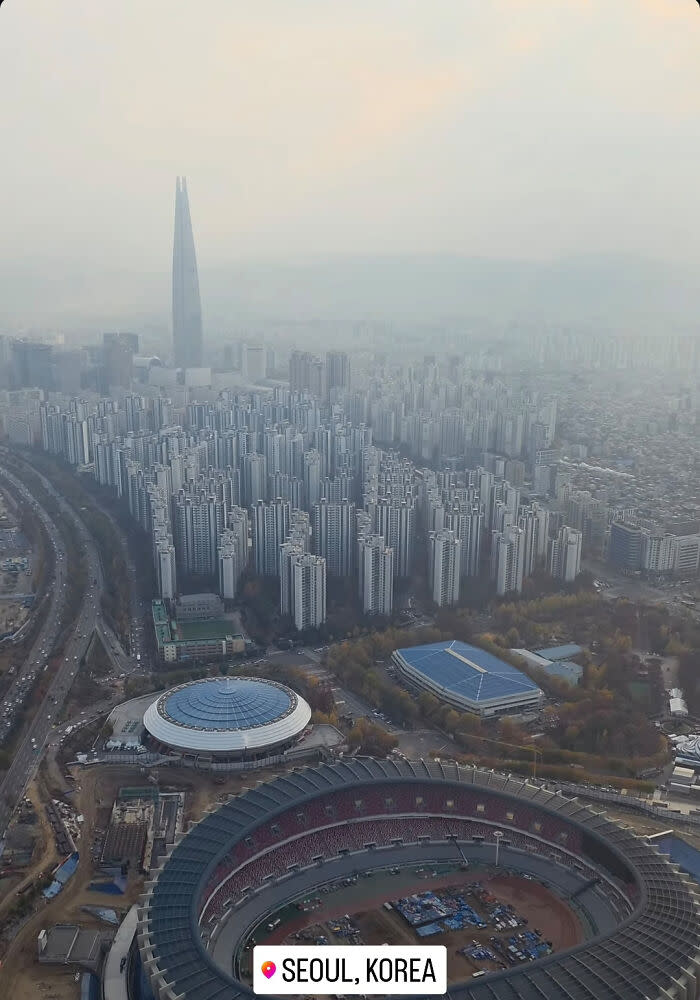
© Photo: ebolaupvotesyou
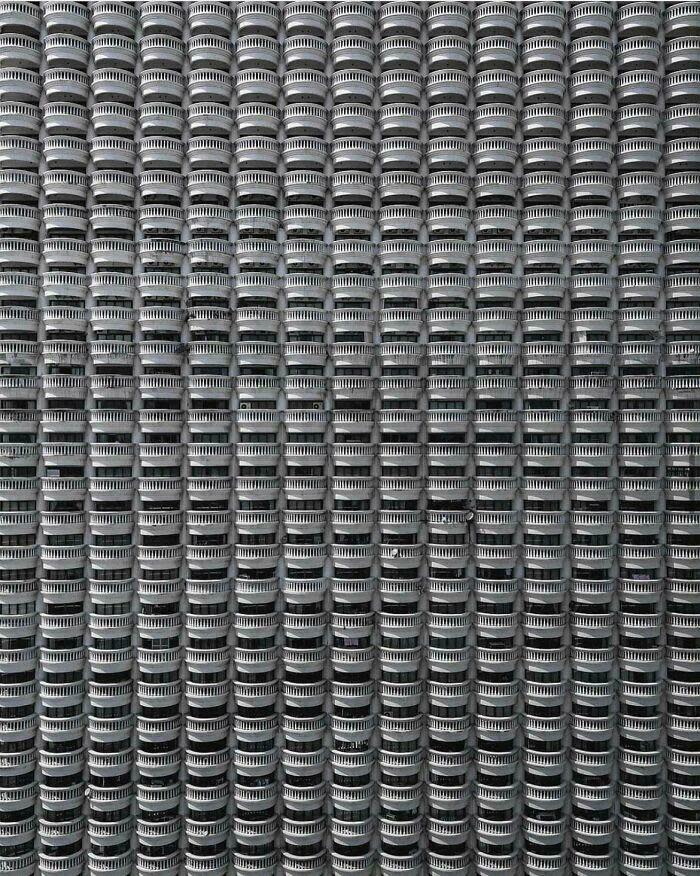
© Photo: WorriedYam898
‘Urban Hell’ is an online community that focuses on highlighting the flaws of modern development through iconic photos.
Its members mainly share “all the hideous places human beings built or inhabit” by posting aesthetic photos of “the darker side of the cities, towns, and villages in our shared world.”
According to the moderators running the huge subreddit, they welcome any photos that either show the ugliness or problems of urban development. Examples of rural and suburban hell are allowed here, too.
Originally, the subreddit was created in 2013. It continues to be popular and relevant to this day. At the time of writing, the group gets 522k weekly visitors.
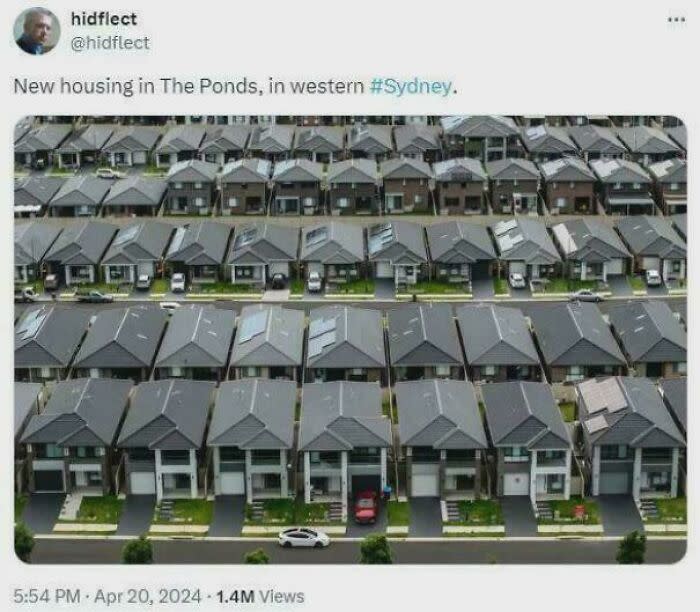
© Photo: brettles84
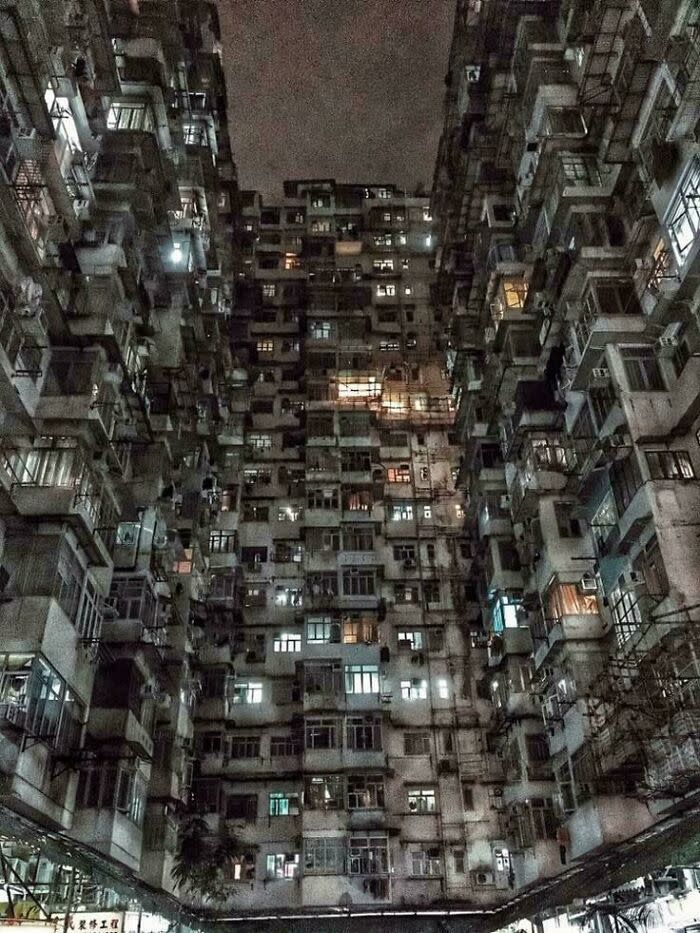
© Photo: Economy-Complaint348
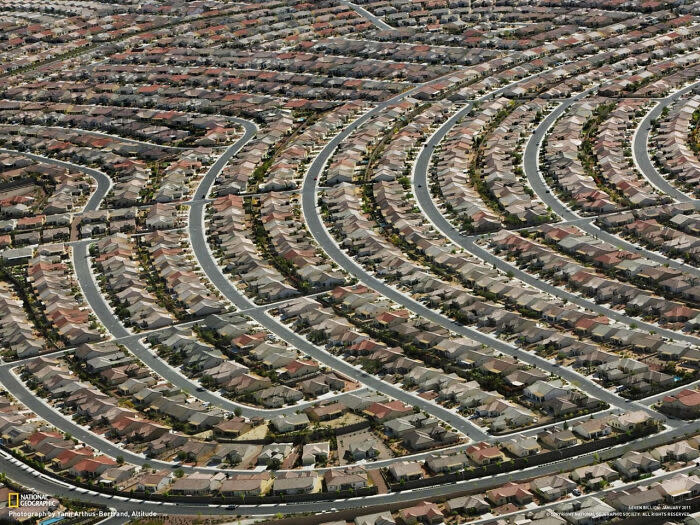
© Photo: shubhrgunjan
Above all, the community values authenticity and quality. You’re meant to share photos, not articles, art, memes, or screenshots. What’s more, you should avoid posting overly photo-edited pictures or composite images.
Moreover, ‘Urban Hell’ isn’t the place to share portraits of people, close-ups of buildings, or interiors. Instead, through your architectural photos, you’re mainly supposed to give your audience a sense of the surroundings and environment.
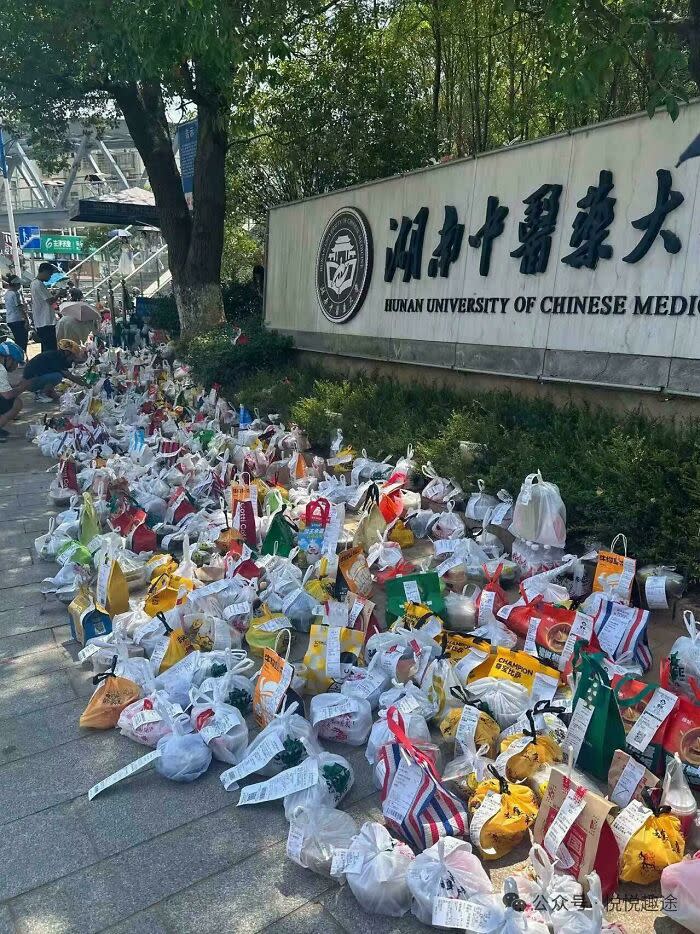
© Photo: iFoegot
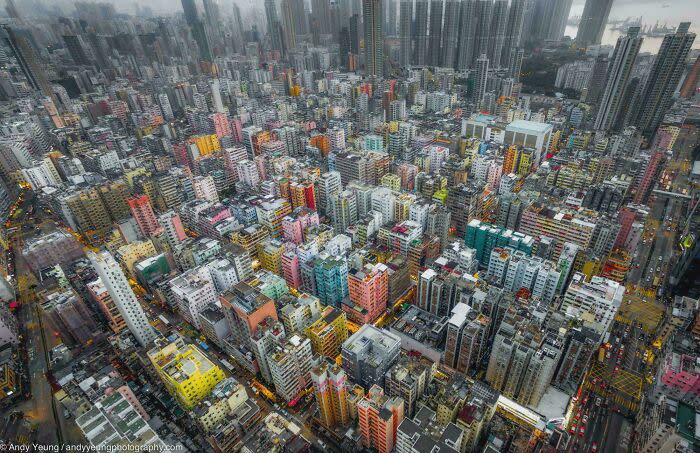
© Photo: Spotter24o5
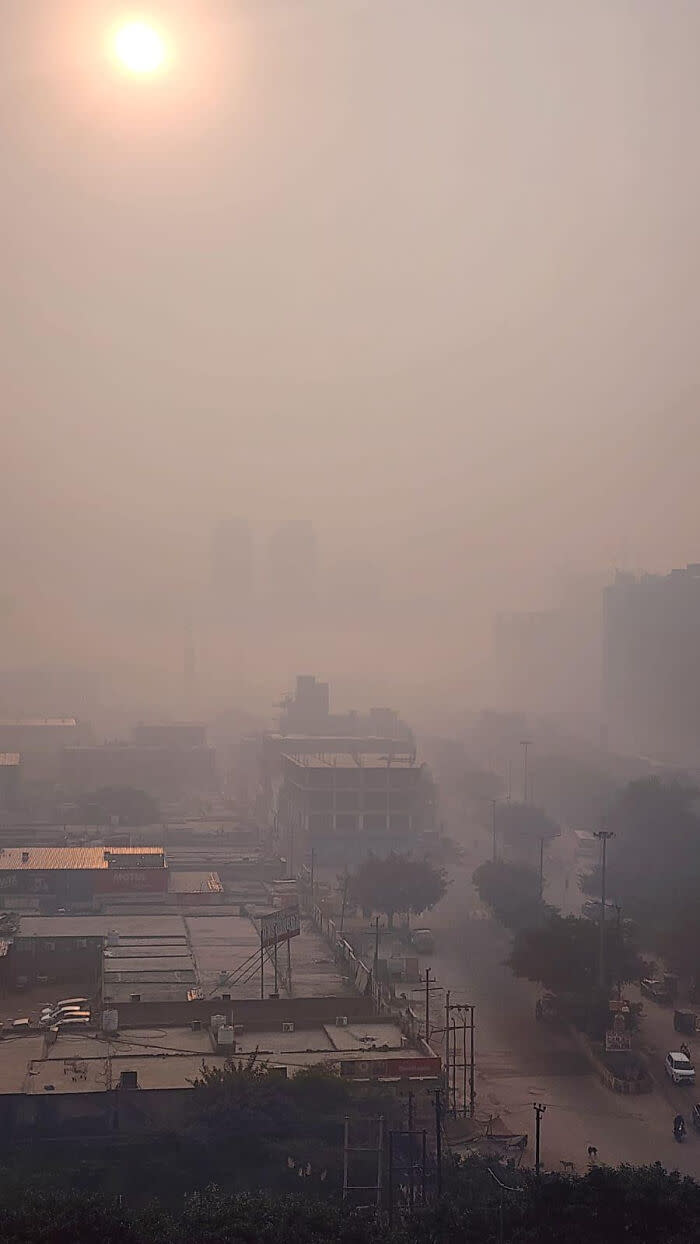
© Photo: Beginning-Ladder6224
The community values quality photos taken in real-life places. You should also avoid reposting what others have already shared before. And your photos should, ideally, show either an ugly place or bad urban development.
“If it’s hard to tell what is so bad about the place, explain why it’s bad in the comments,” the mods urge.
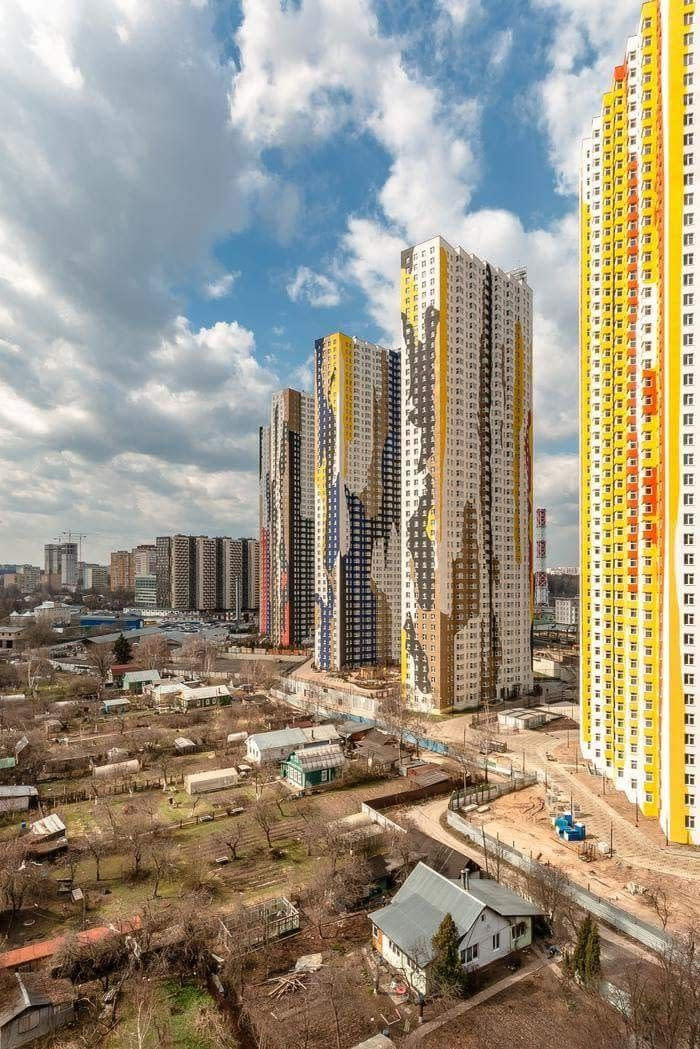
© Photo: Fun-Raisin2575
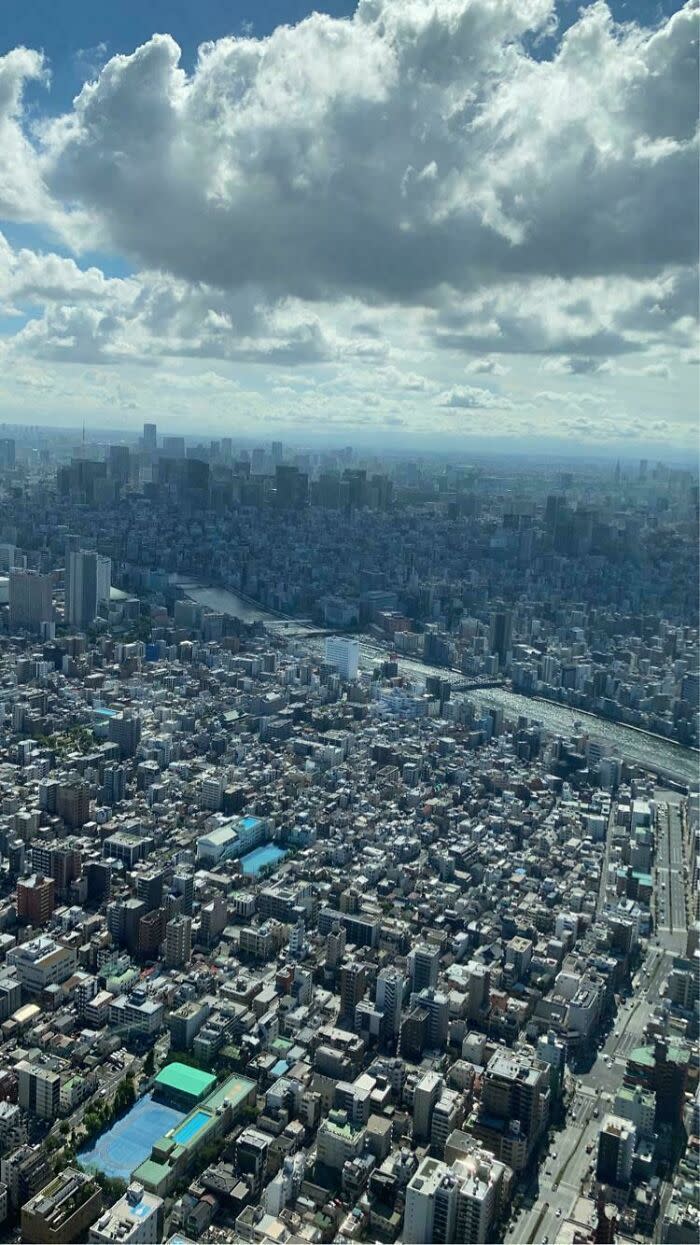
© Photo: Morpheus_king25
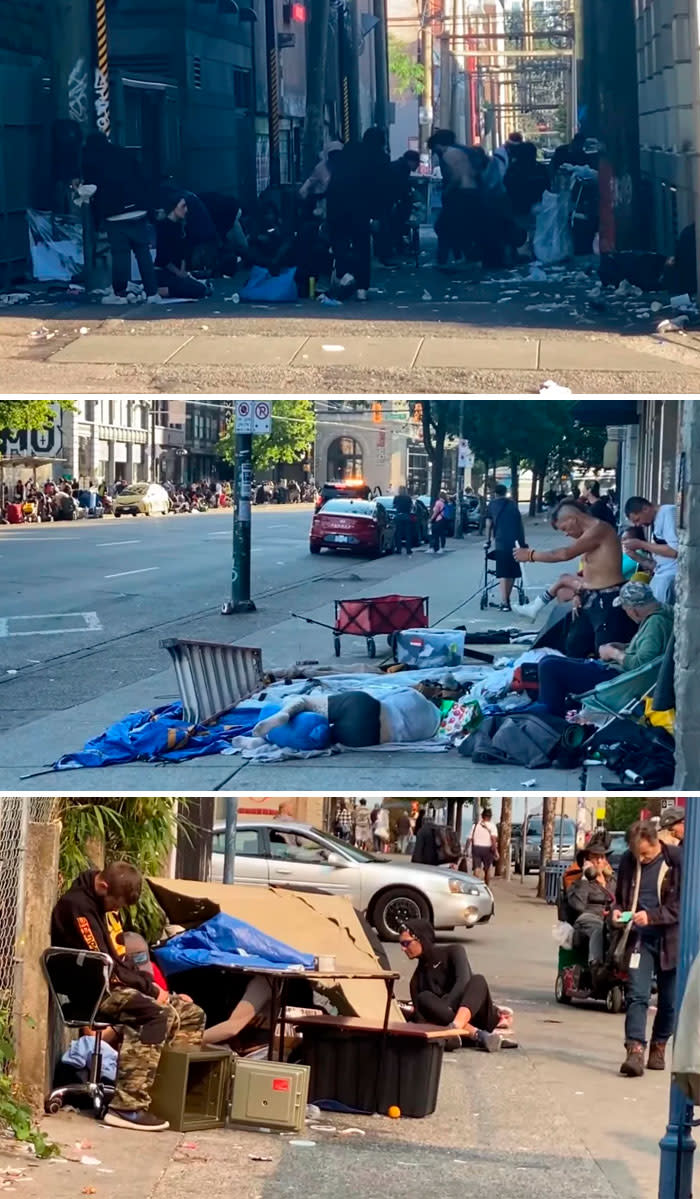
© Photo: Ok-Advantage-3590
Which of these photos left the biggest impact on you, dear Pandas? What, in your opinion, are the biggest upsides and downsides of life in a major city?
What are the ugliest, worst-designed buildings or areas in your hometown? On the other hand, what is your dream town to live in and why?
How would you go about solving modern development problems?
We’d like to hear your thoughts! Share them in the comments.
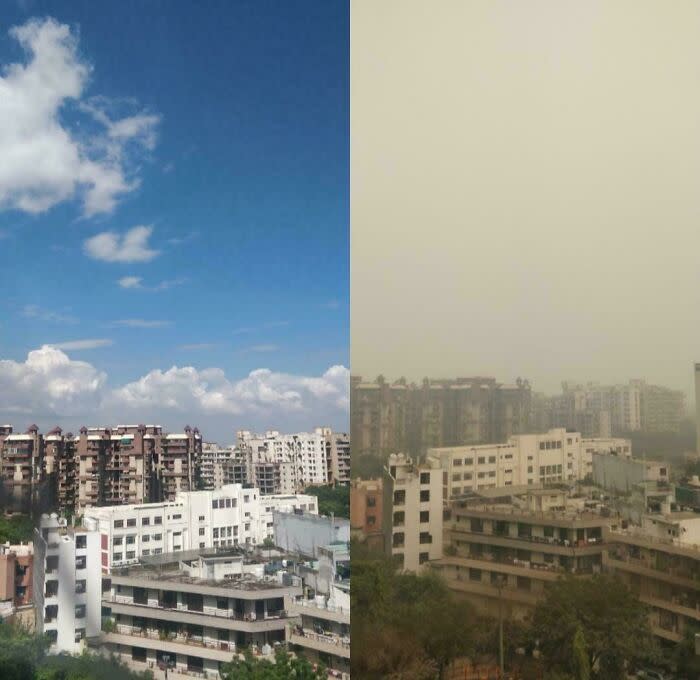
© Photo: autumnbrittney99
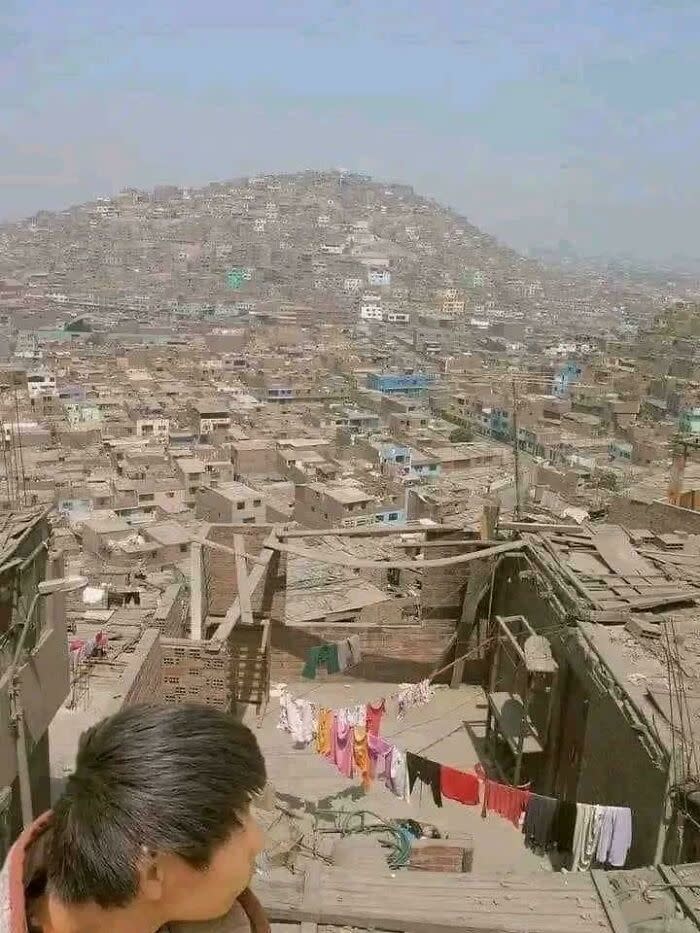
© Photo: SoftwareZestyclose50
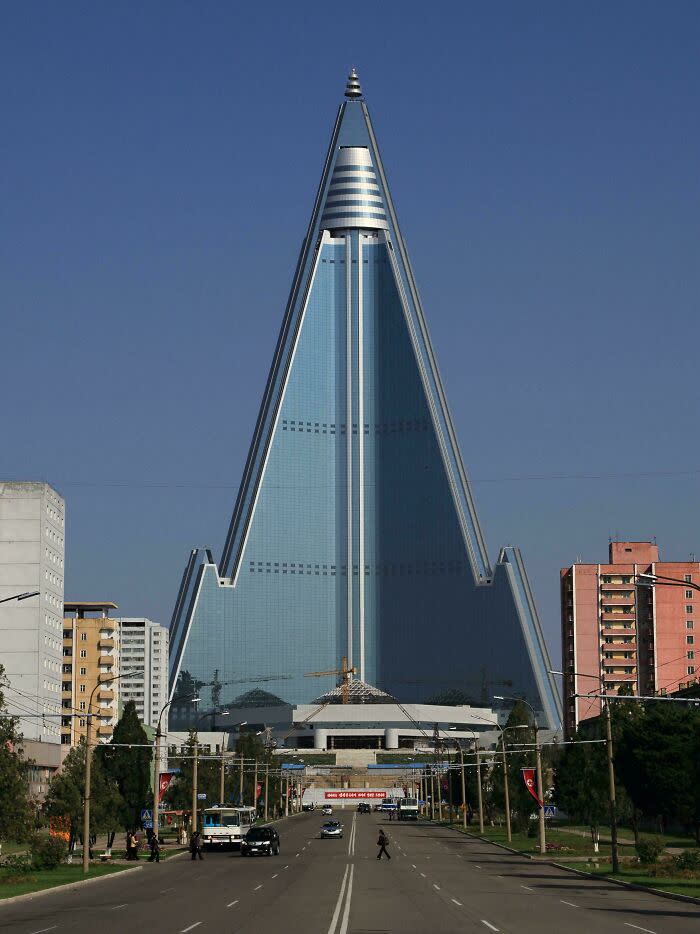
© Photo: vishesh_07_028
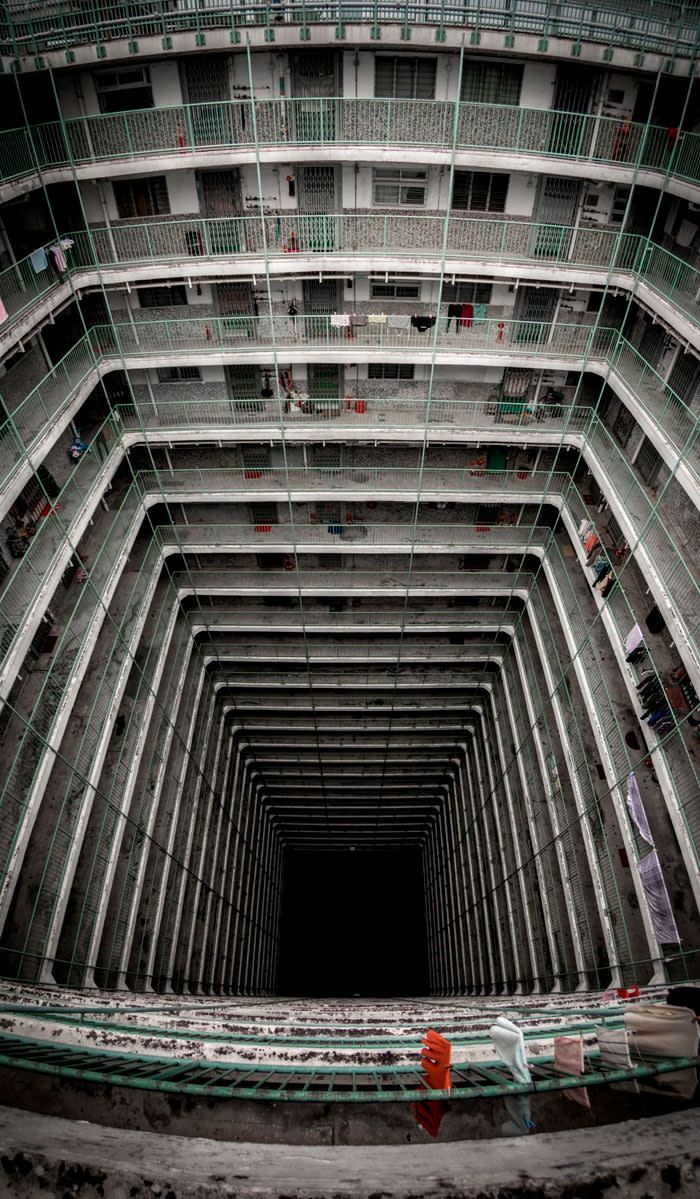
© Photo: D_explores
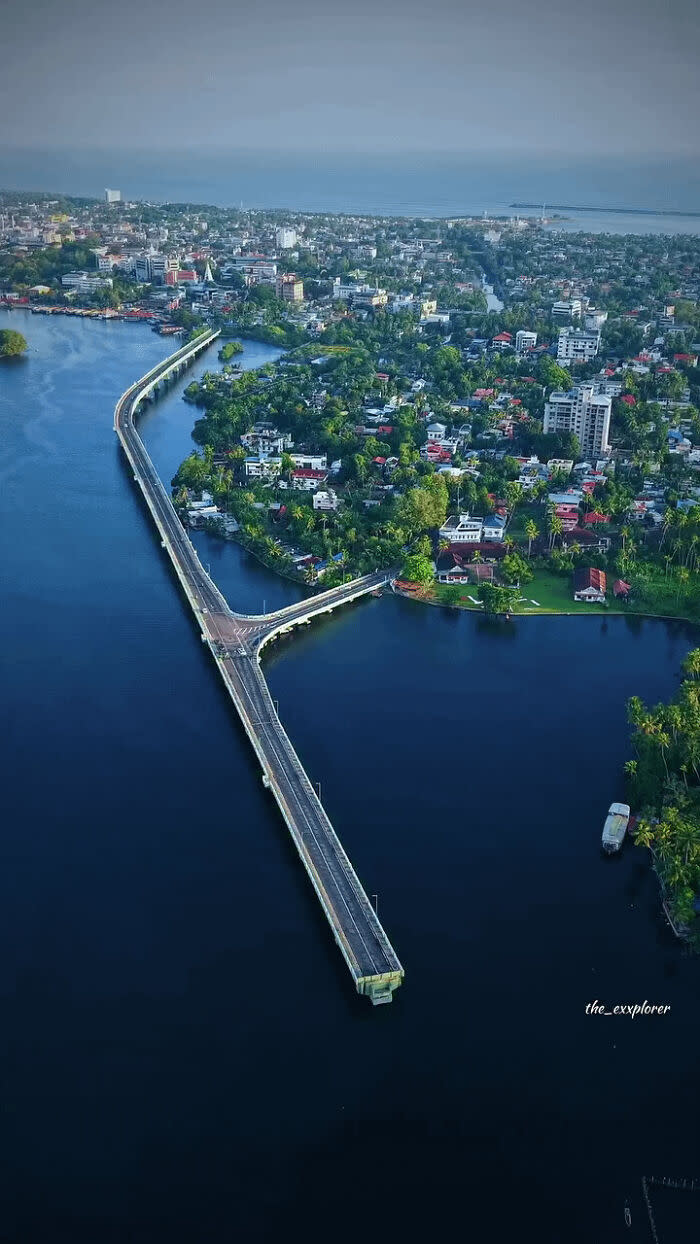
© Photo: Dios94
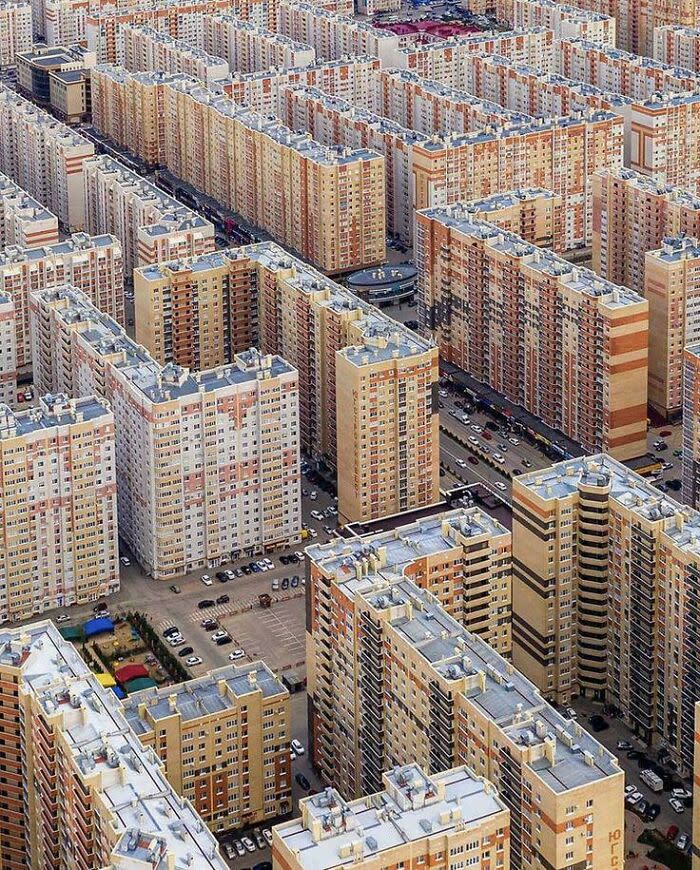
© Photo: Fun-Raisin2575
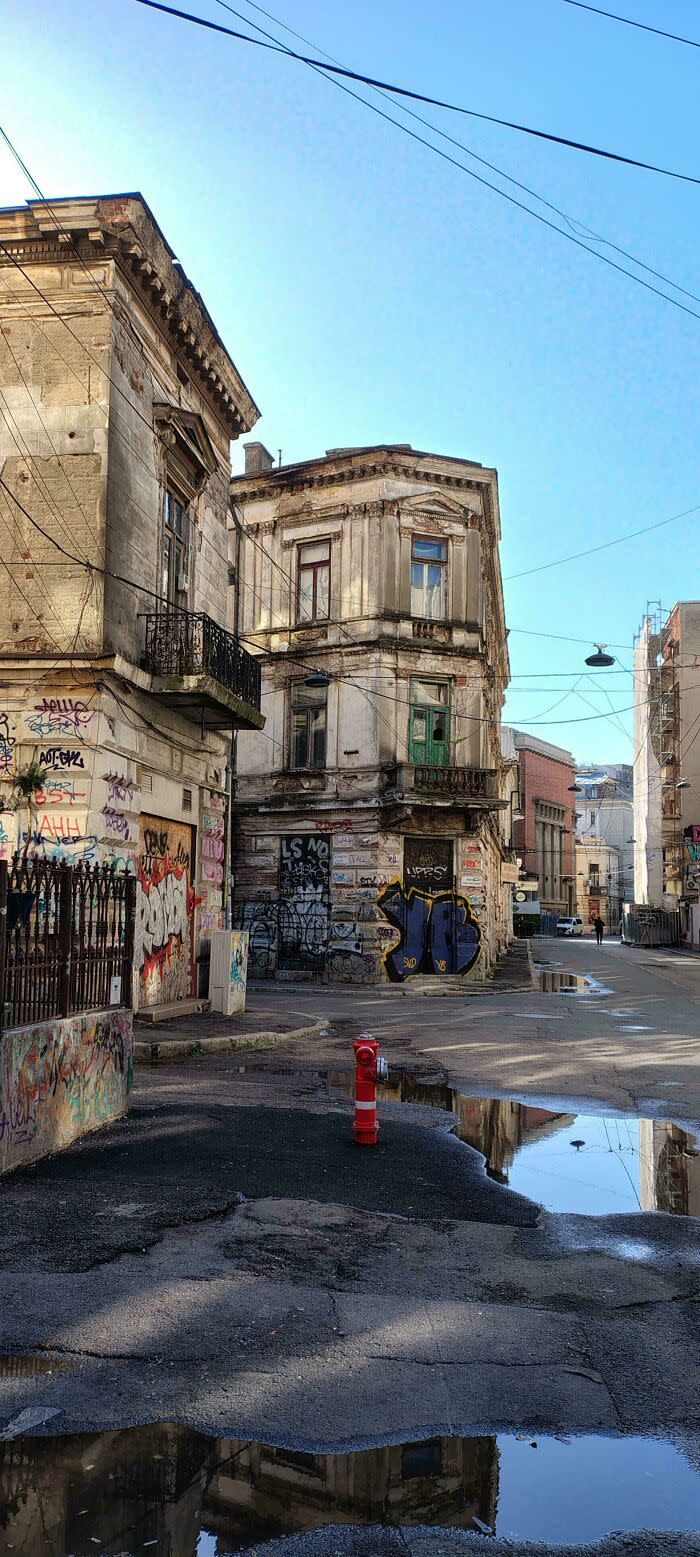
© Photo: Superb_Cloud_5635
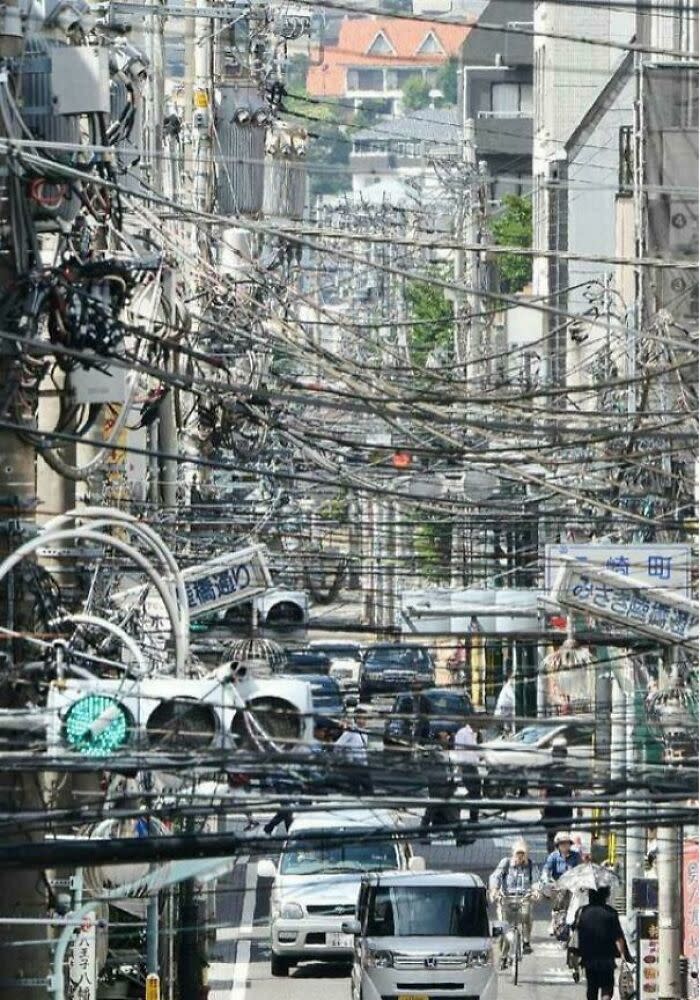
© Photo: JournalistCalm6969
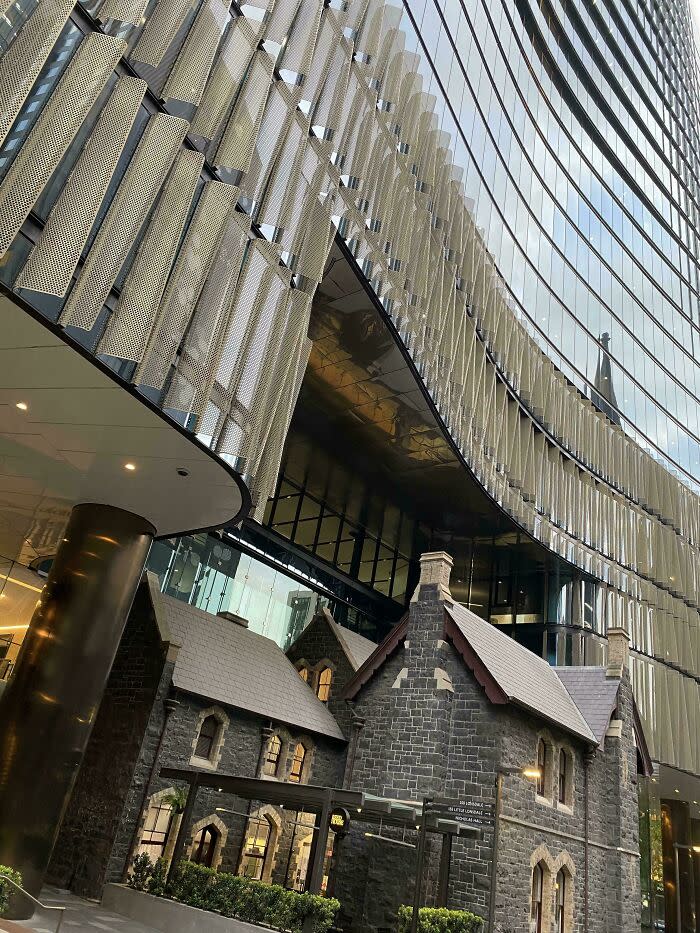
© Photo: melbtest09
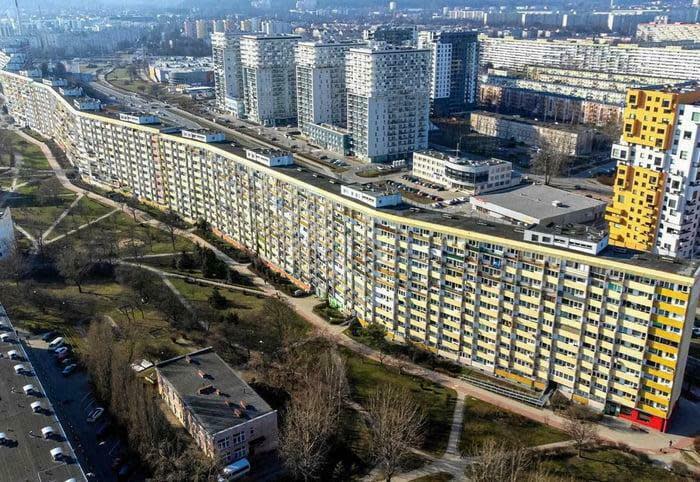
© Photo: MeetOk1669
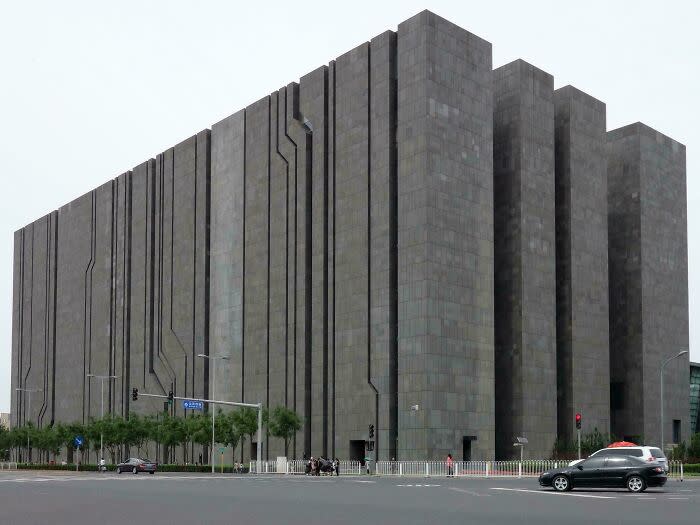
© Photo: Routine_Business7872
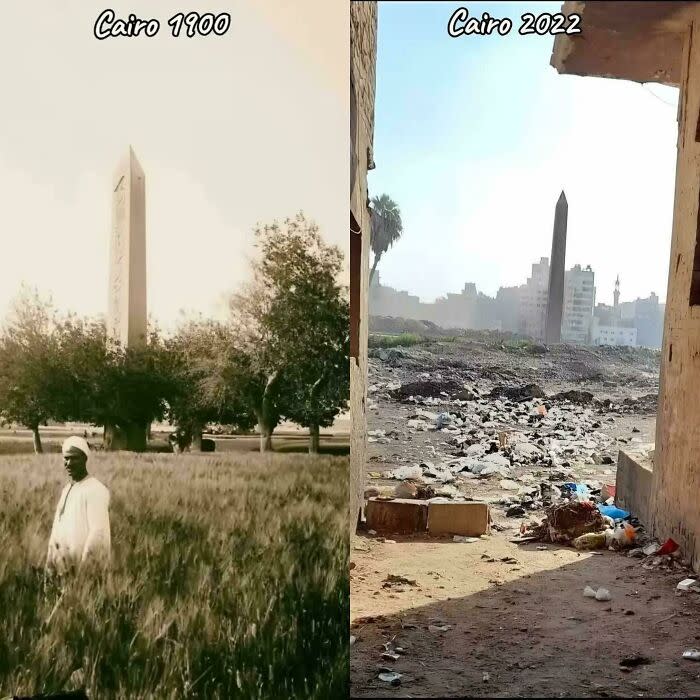
© Photo: Crazy_North_3247
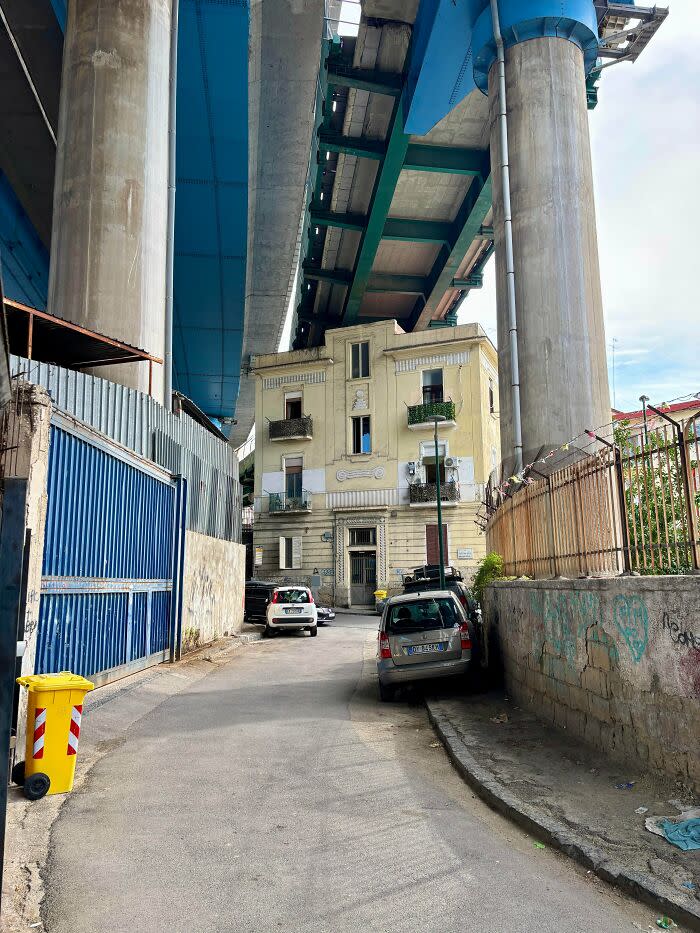
© Photo: joefromwork
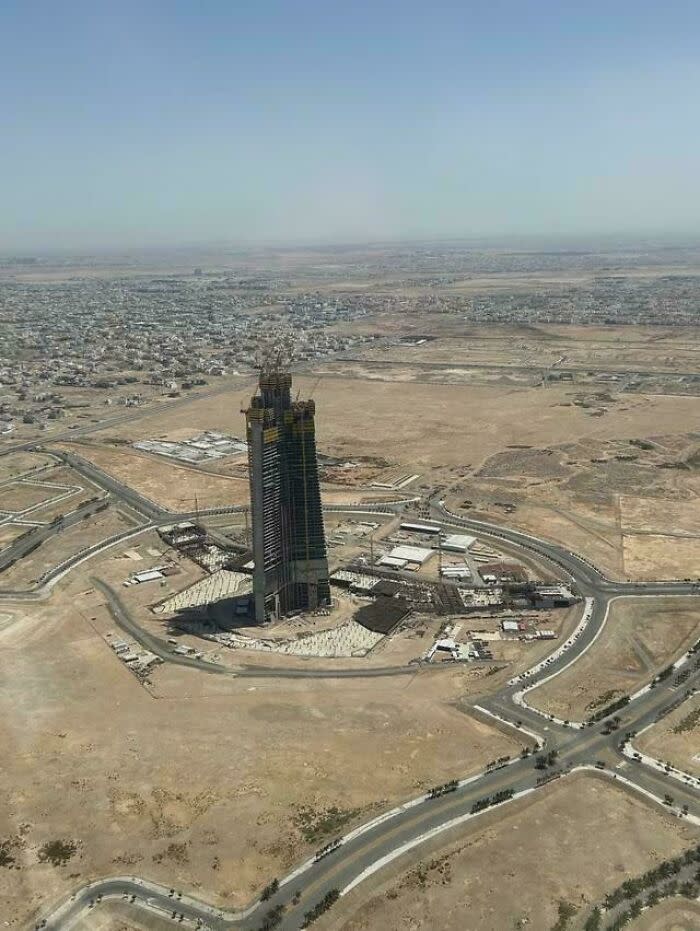
© Photo: bobbdac7894
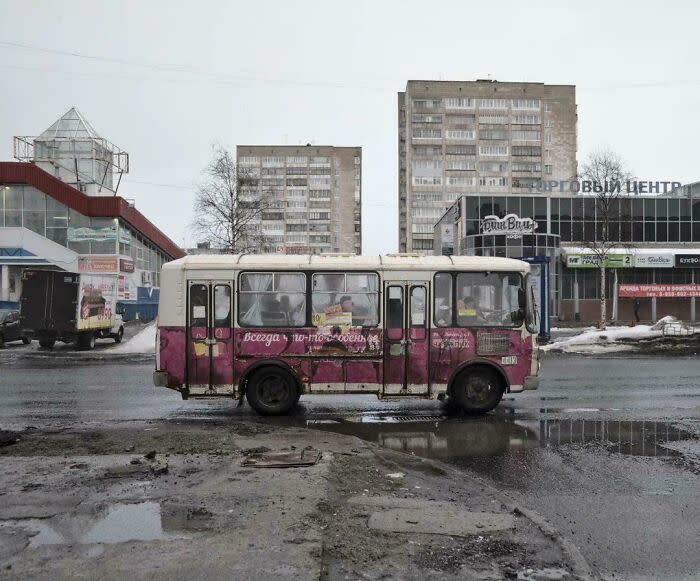
© Photo: Silent-Challenge5710
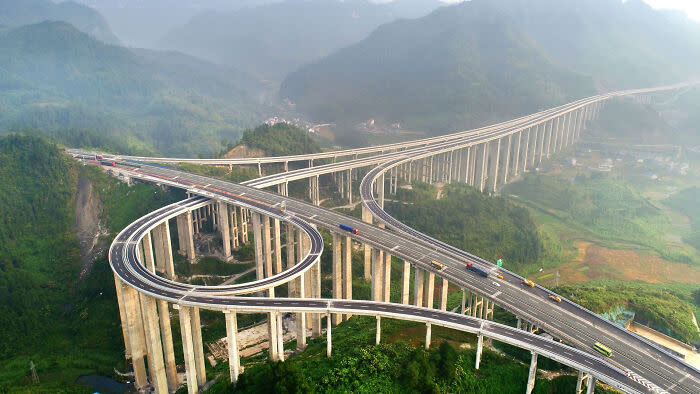
© Photo: FunForm1981
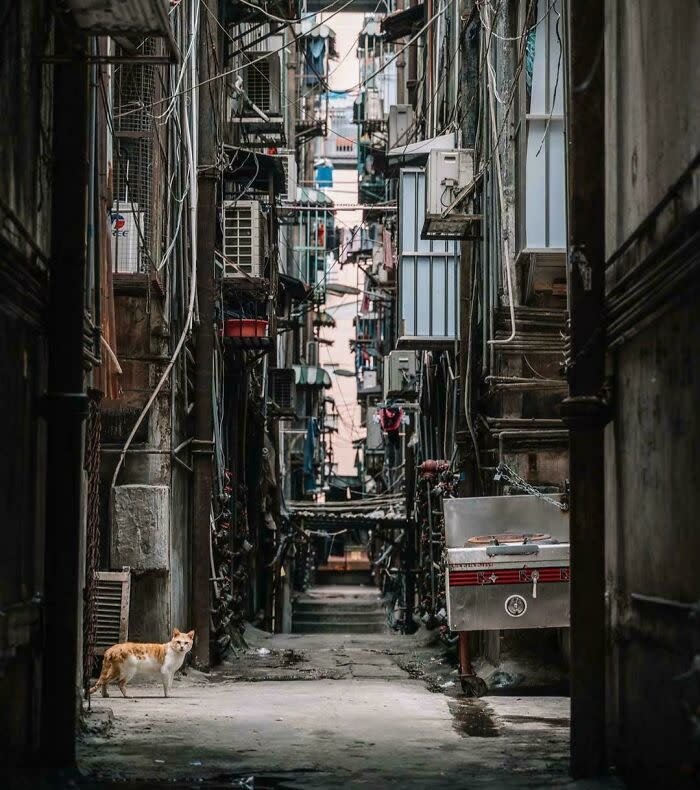
© Photo: MirageCaligraph
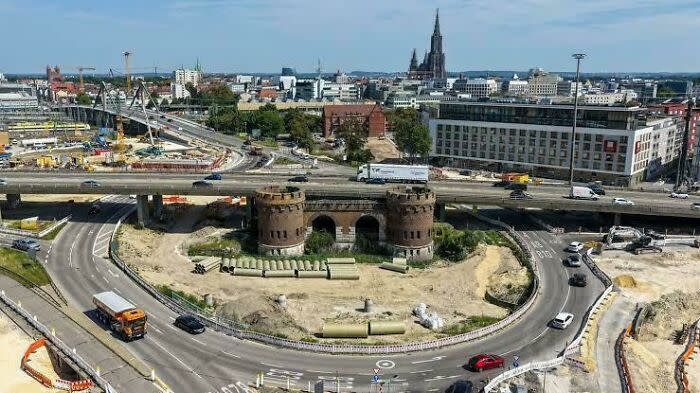
The Blaubeurer Tor is a historic landmark in Ulm, Germany. A highway was built next to it, ruining the view and limiting access. Thankfully the highway is currently under reconstruction and this place will hopefully look better in the future.
© Photo: Ornery-Ambition-6340
© Photo: crantisz
© Photo: Fun-Raisin2575
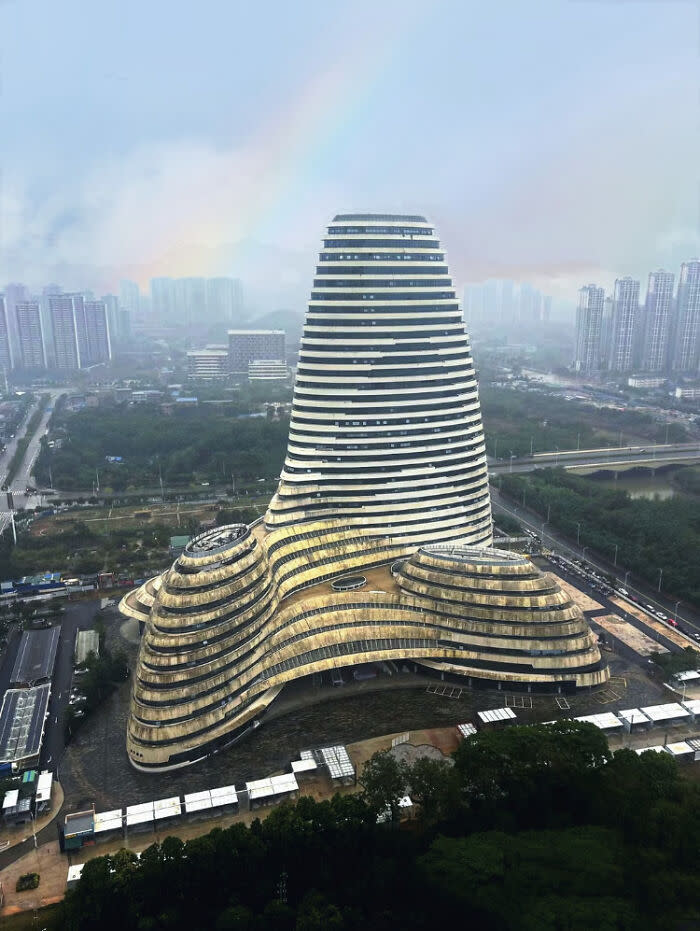
New Media Center, Nanning, China.
© Photo: JetsonLeau
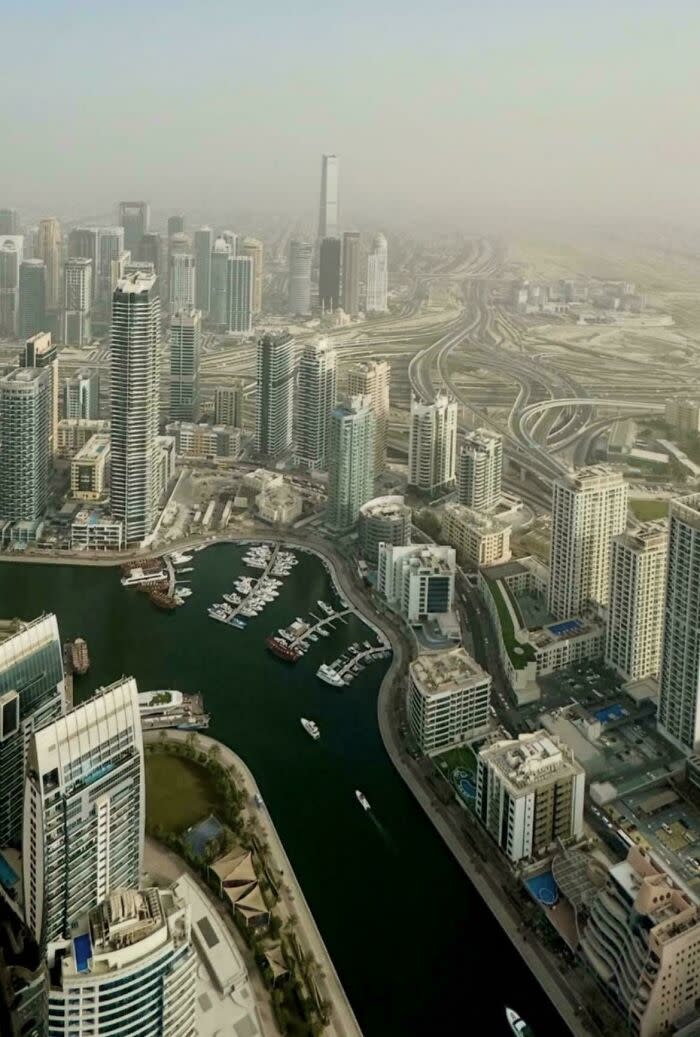
© Photo: TyranitarusMack
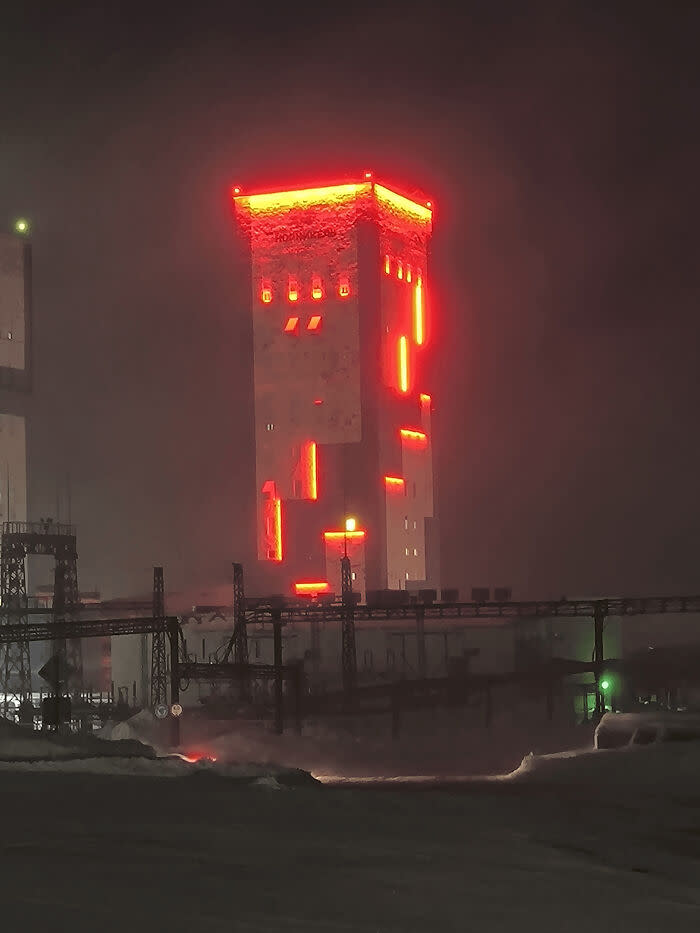
© Photo: mikhakozhin
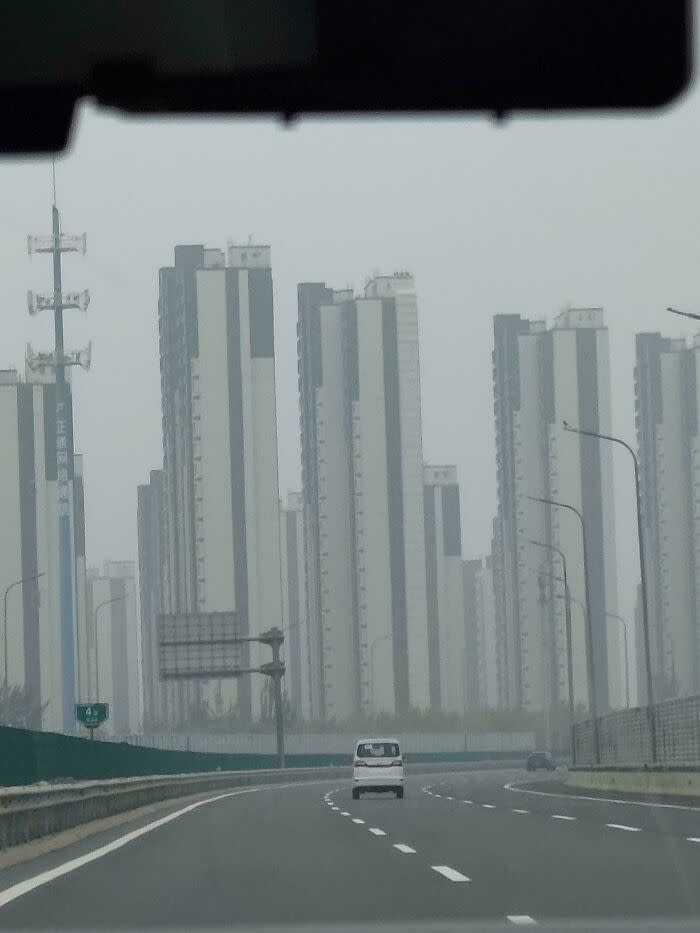
© Photo: Remarkable_Basis_642
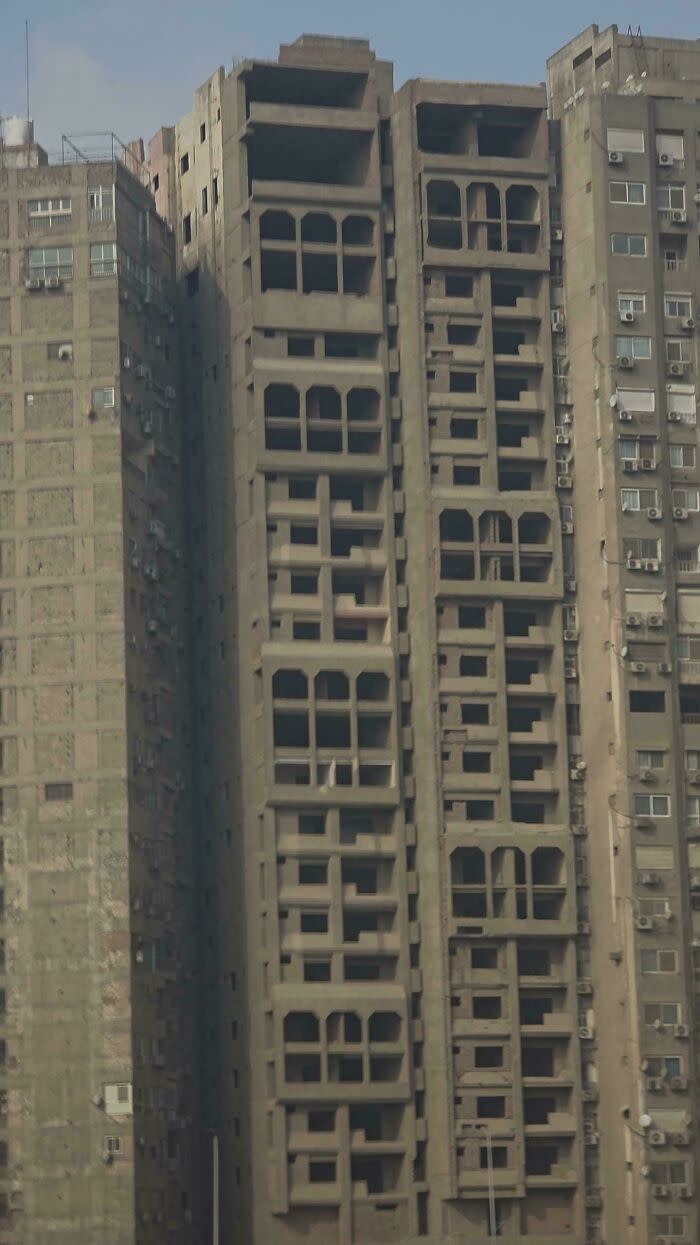
© Photo: _Henry_Chinaski
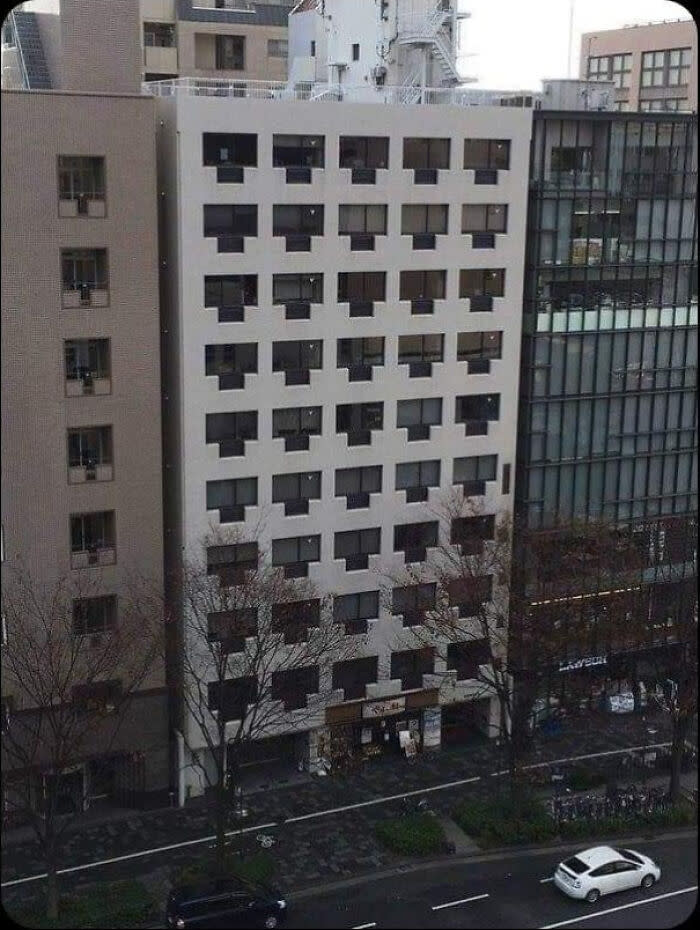
© Photo: adamlm
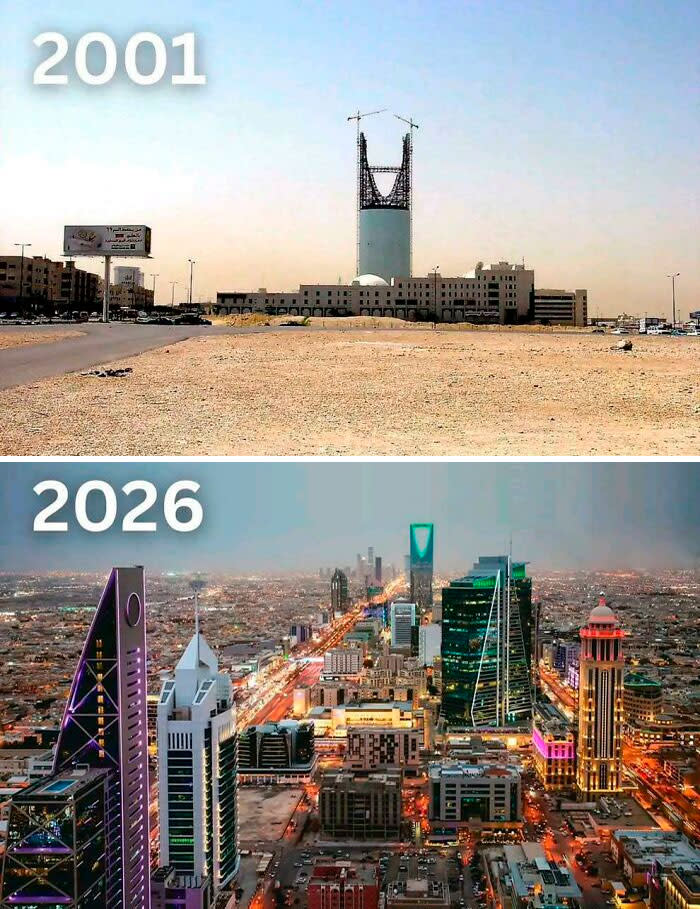
© Photo: media_monki
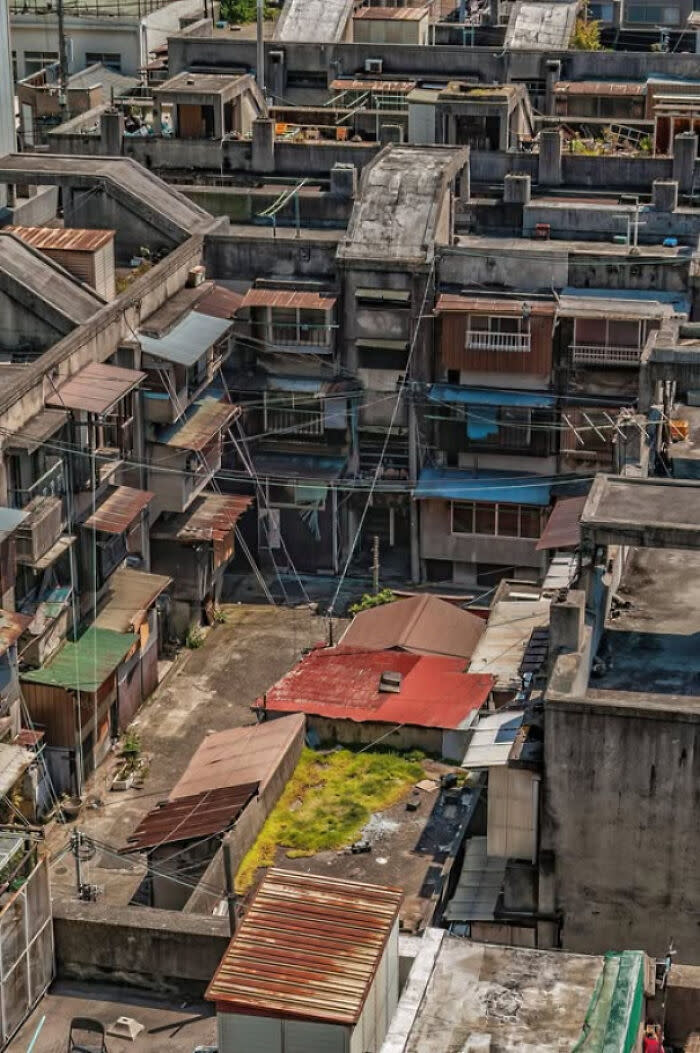
© Photo: AdSpecialist6598
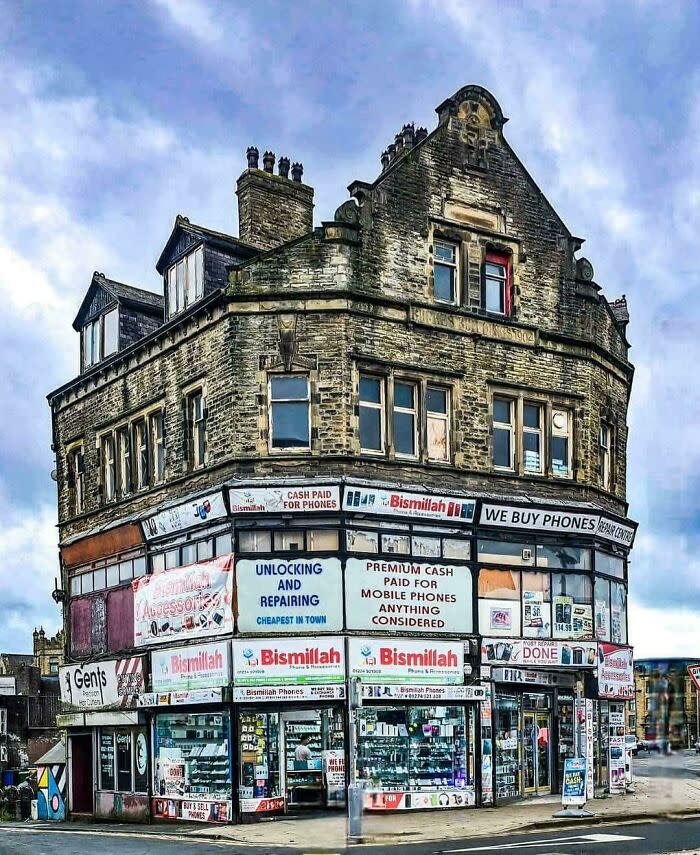
© Photo: Real_Measurement2913
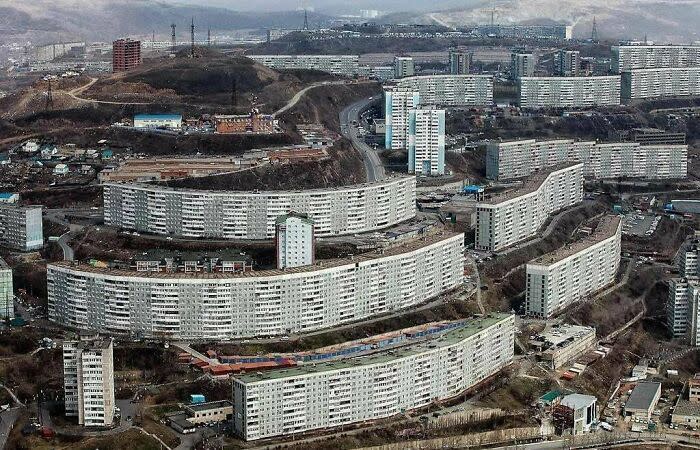
© Photo: AJL912-aber
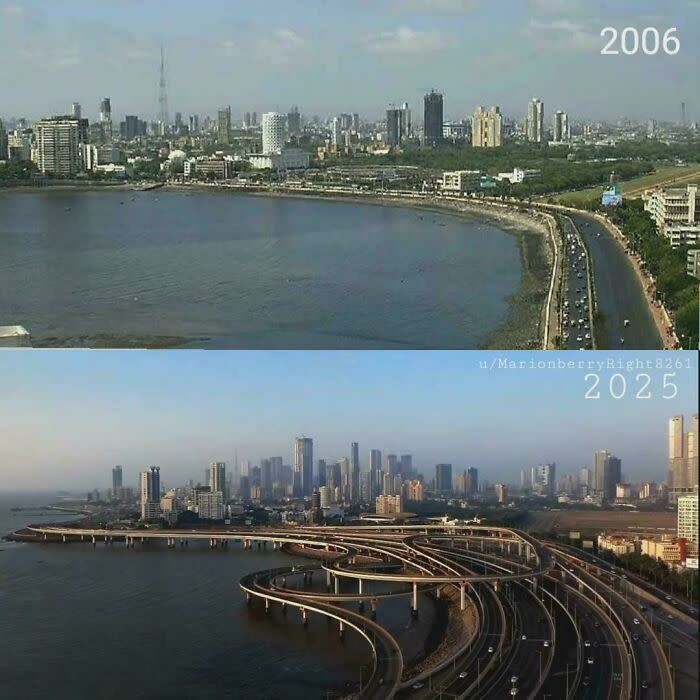
© Photo: bobbdac7894
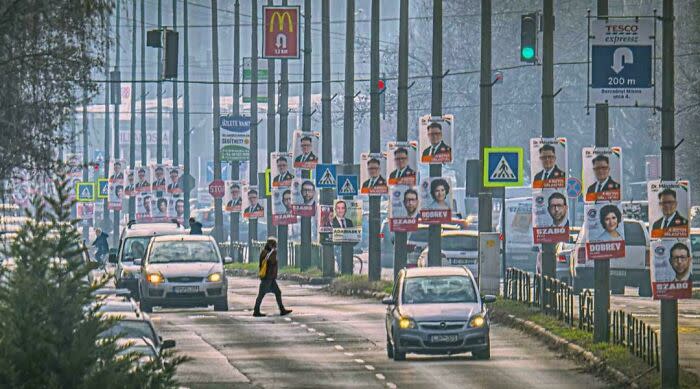
© Photo: weallneedaname2
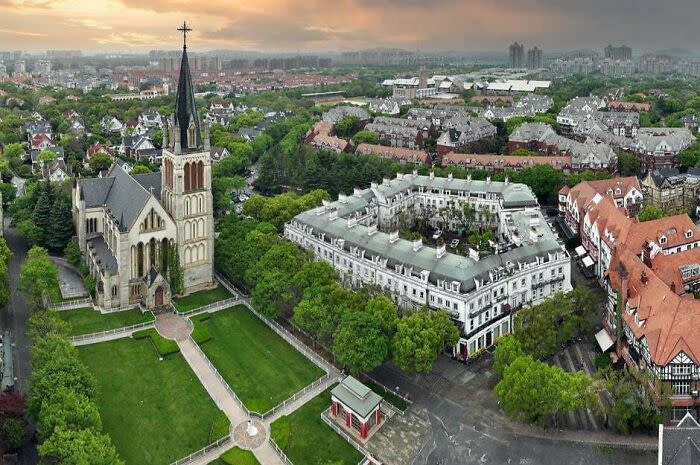
© Photo: burbex_brin
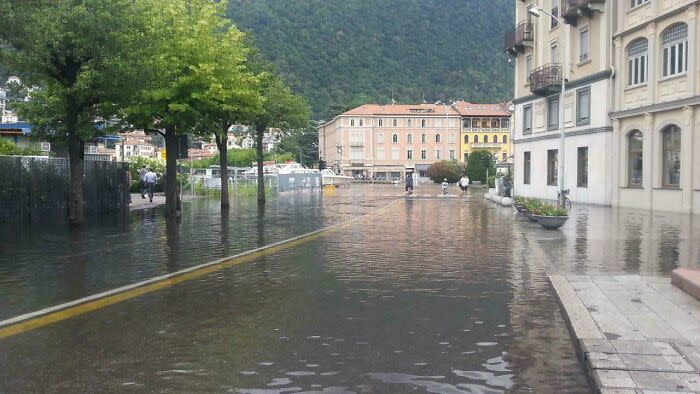
© Photo: Kristianushka
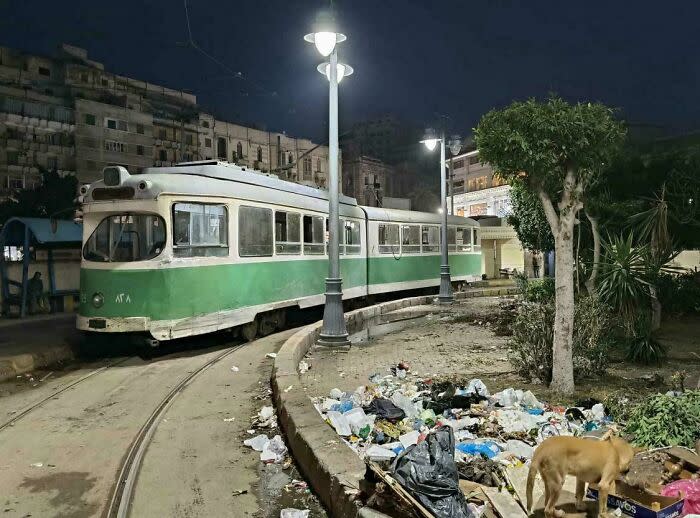
© Photo: TribalSoul899
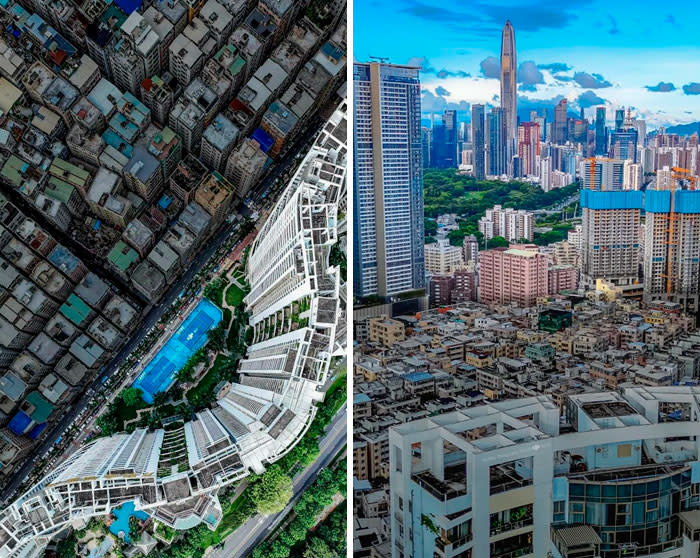
© Photo: ChinaBot8964
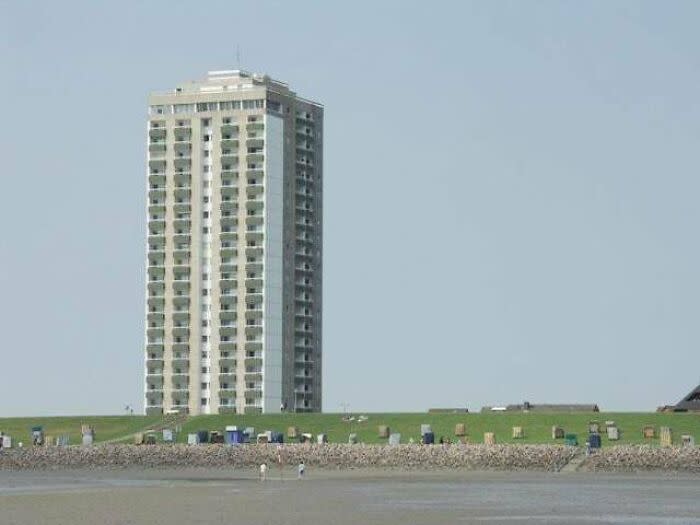
© Photo: Beautiful_Yellow_682
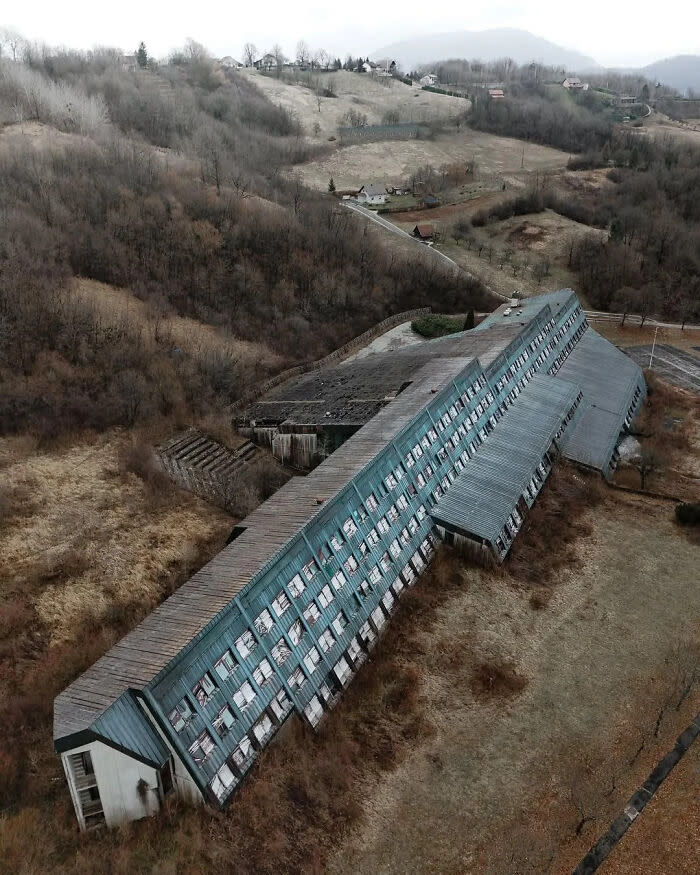
© Photo: AdSpecialist6598
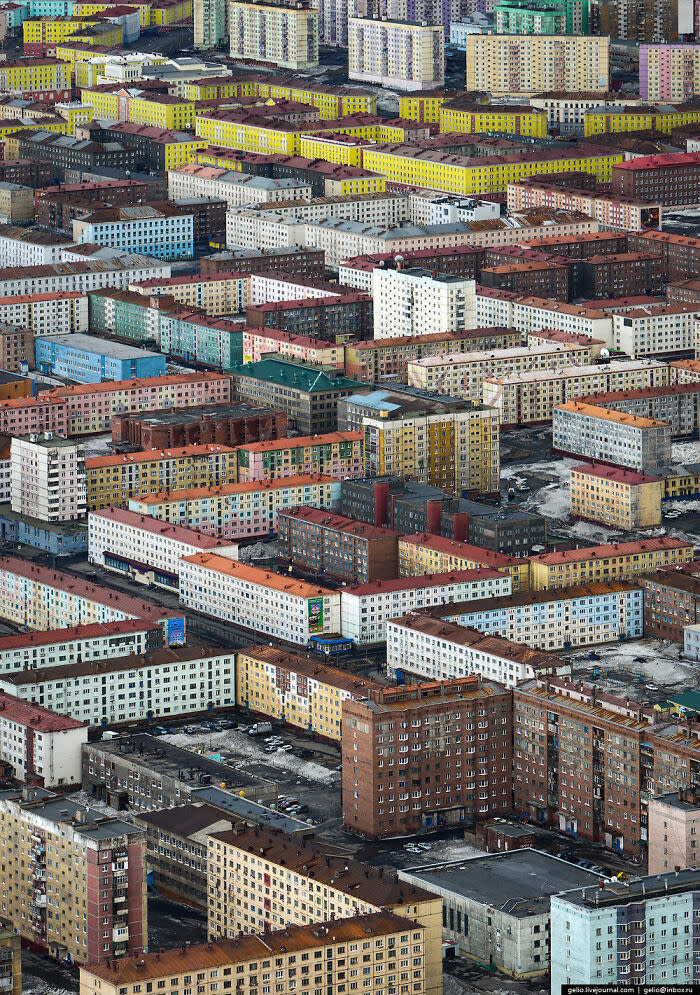
© Photo: shubhrgunjan
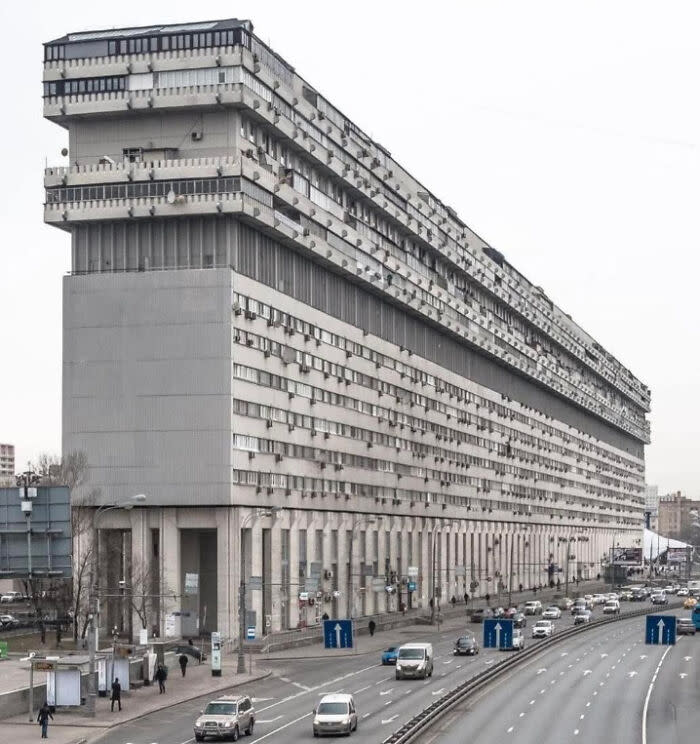
© Photo: Beneficial_Wear_7630
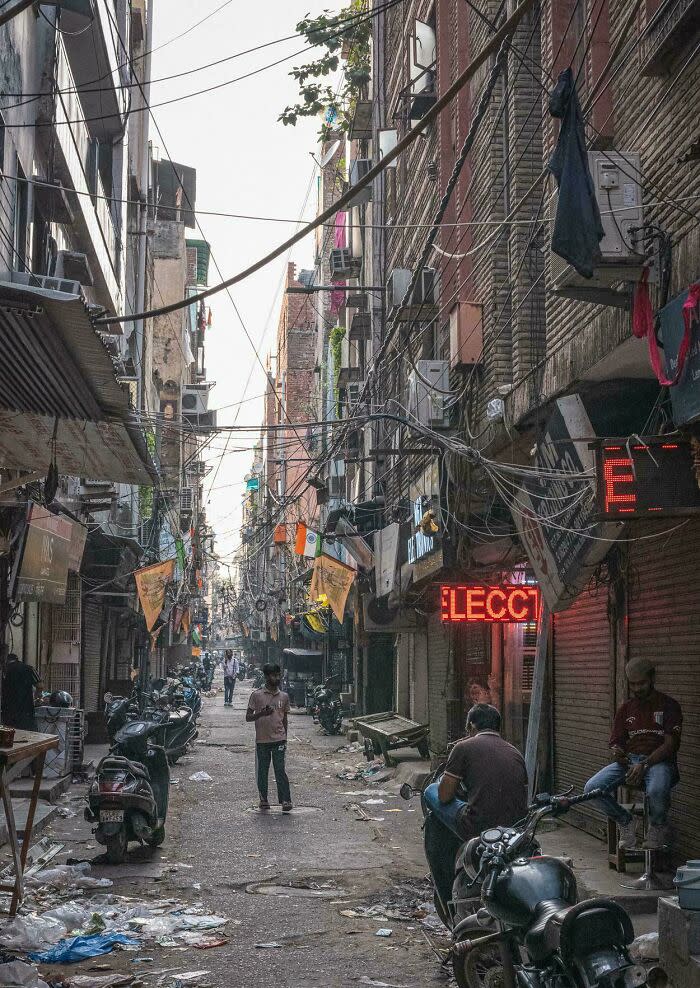
© Photo: x___rain
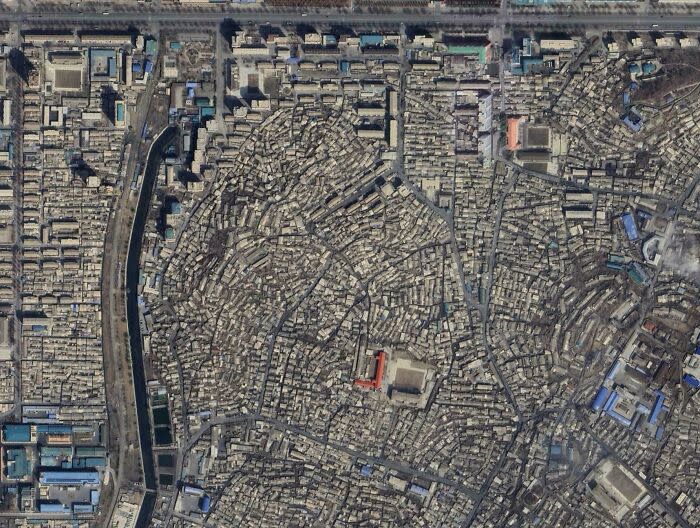
© Photo: Falabella_Stallion
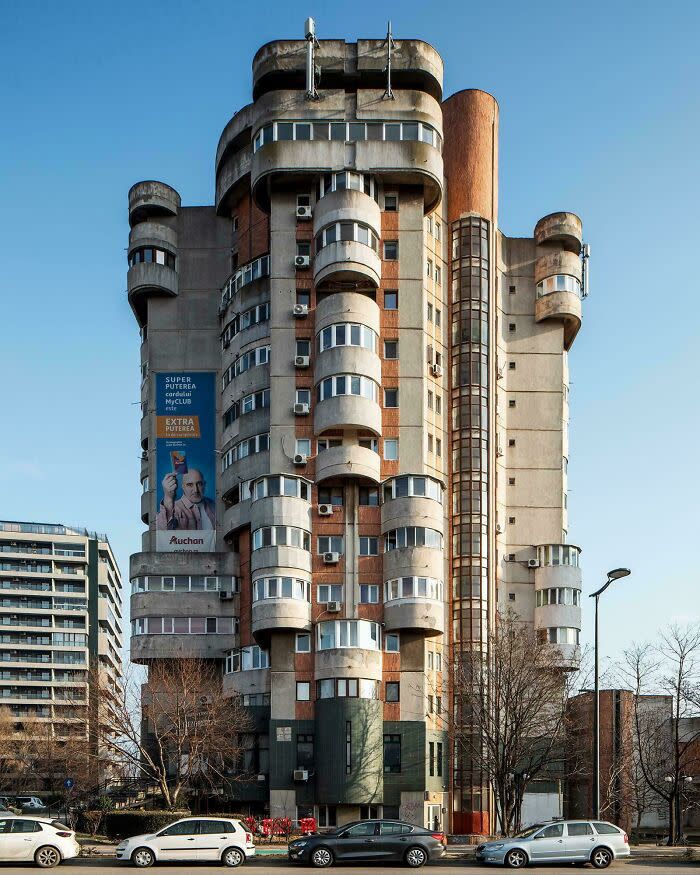
© Photo: KingBlana
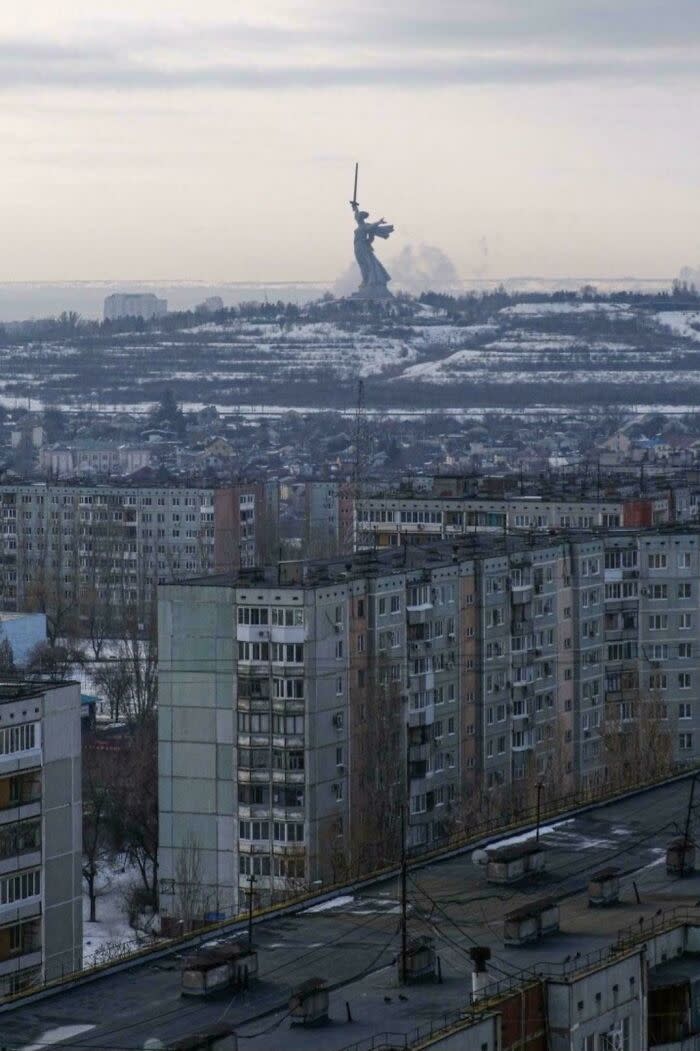
© Photo: Medinasmt4
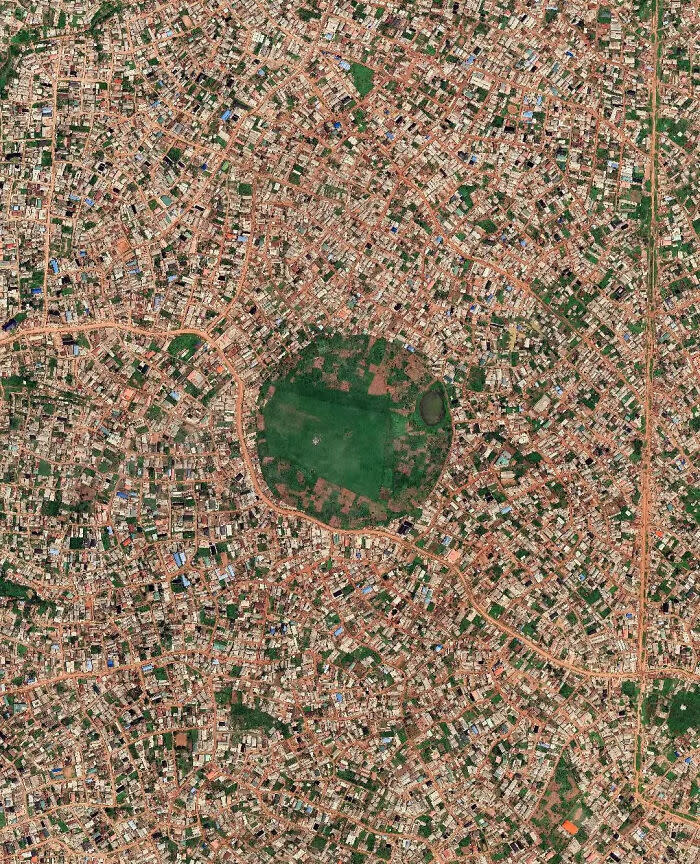
© Photo: Minipiman
© Photo: TribalSoul899
© Photo: nigerianprince421
© Photo: Beautiful_Yellow_682
© Photo: Infamous_Interest719
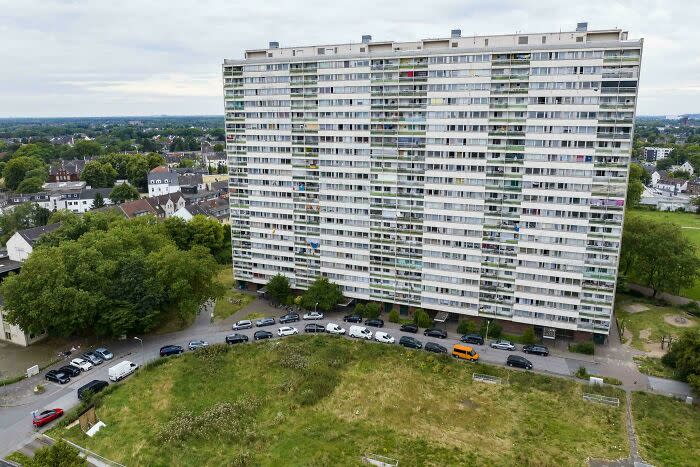
© Photo: Beautiful_Yellow_682
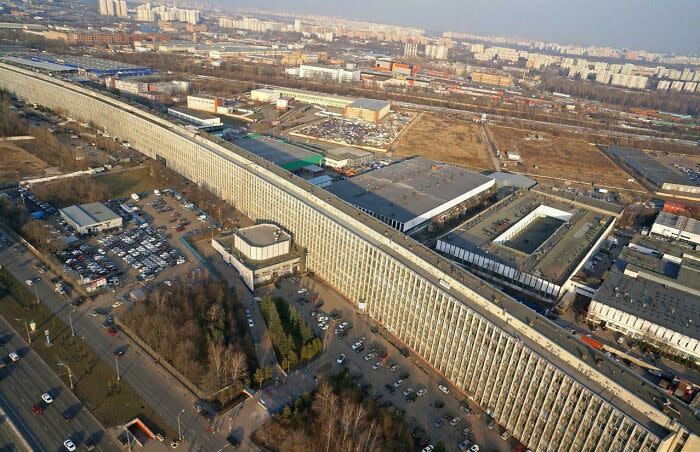
© Photo: Beneficial_Wear_7630
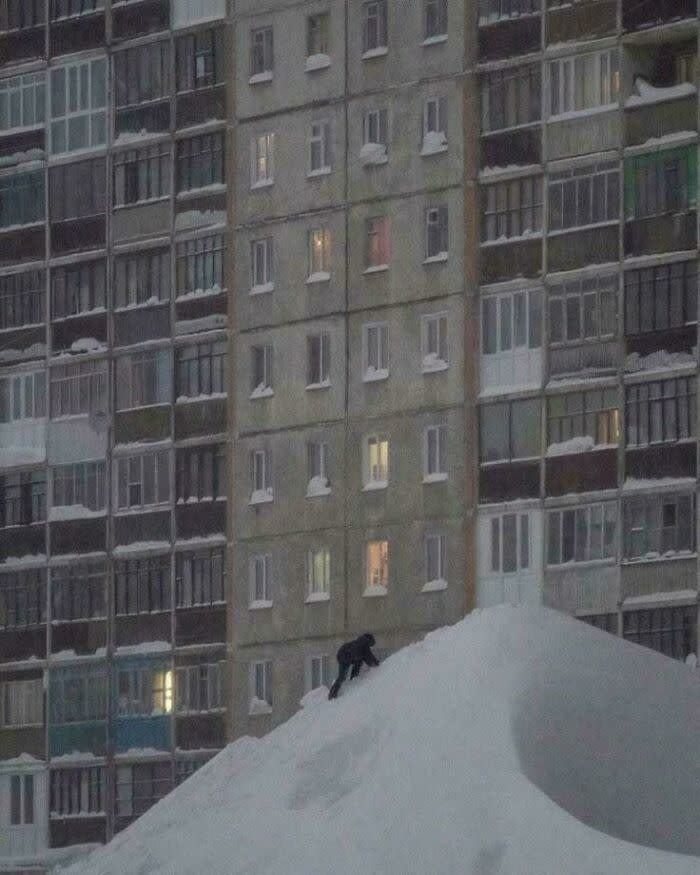
© Photo: Fun-Raisin2575
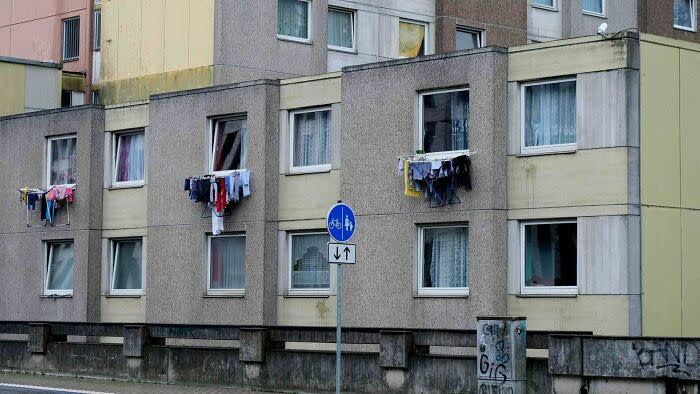
© Photo: Beautiful_Yellow_682