
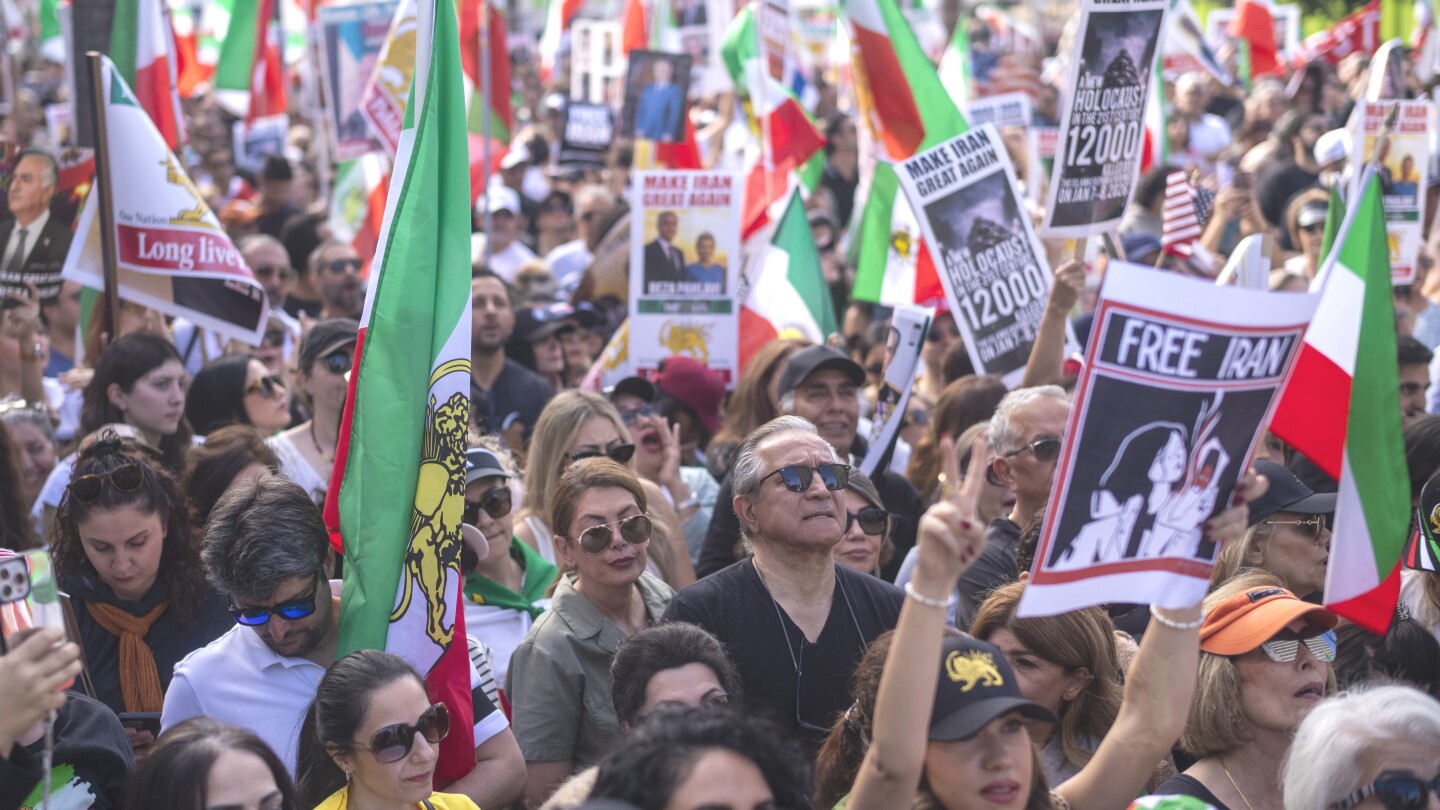
There is growing frustration in Washington that Iranians have yet to pour into the streets to take down the regime so many oppose. The U.S. has ratcheted up its airstrikes over the regime’s infrastructure of oppression, but bombs do not win hearts and minds; that takes direct action that shows the Iranian people the U.S. sees them as allies and friends.
To date, that part of Operation Epic Fury remains absent. But the administration has an opportunity to amend that, through a set of limited but symbolic changes to its immigration policy.
Ordinary Iranians are sensitive about intervention by outsiders, and especially so about the U.S. For two centuries, Iranians have sought external support, both to advance their economy and to balance those powers who would overreach, insult, exploit or conquer.
Historical memory runs deep in Iran. As successive shahs sought to preserve independence against the British and Russians, they turned to smaller, supposedly disinterested states for support: Austria helped build Persia’s modern military. Belgium organized its tax and treasury. Shortly before World War I, the shah turned to the U.S. to help undo the debts and unfavorable contracts into which earlier shahs had entered with the British and Russians.
Read the full article at The Hill.