
Kerrville city leaders unanimously voted on Tuesday, March 24, to begin the process of designing a controversial $3.1 million reclaimed water pipeline, an important step ensuring clean drinking water for the future of the Hill Country town, according to Mayor Joe Herring Jr.
Though the project is in its early stages, the 1.6-mile pipeline, Elm Creek Pipeline, will help the city pursue an indirect potable reuse strategy — which means it could start to dump thousands of gallons of treated wastewater into its drinking supply — to meet the growing area’s long-range water needs.
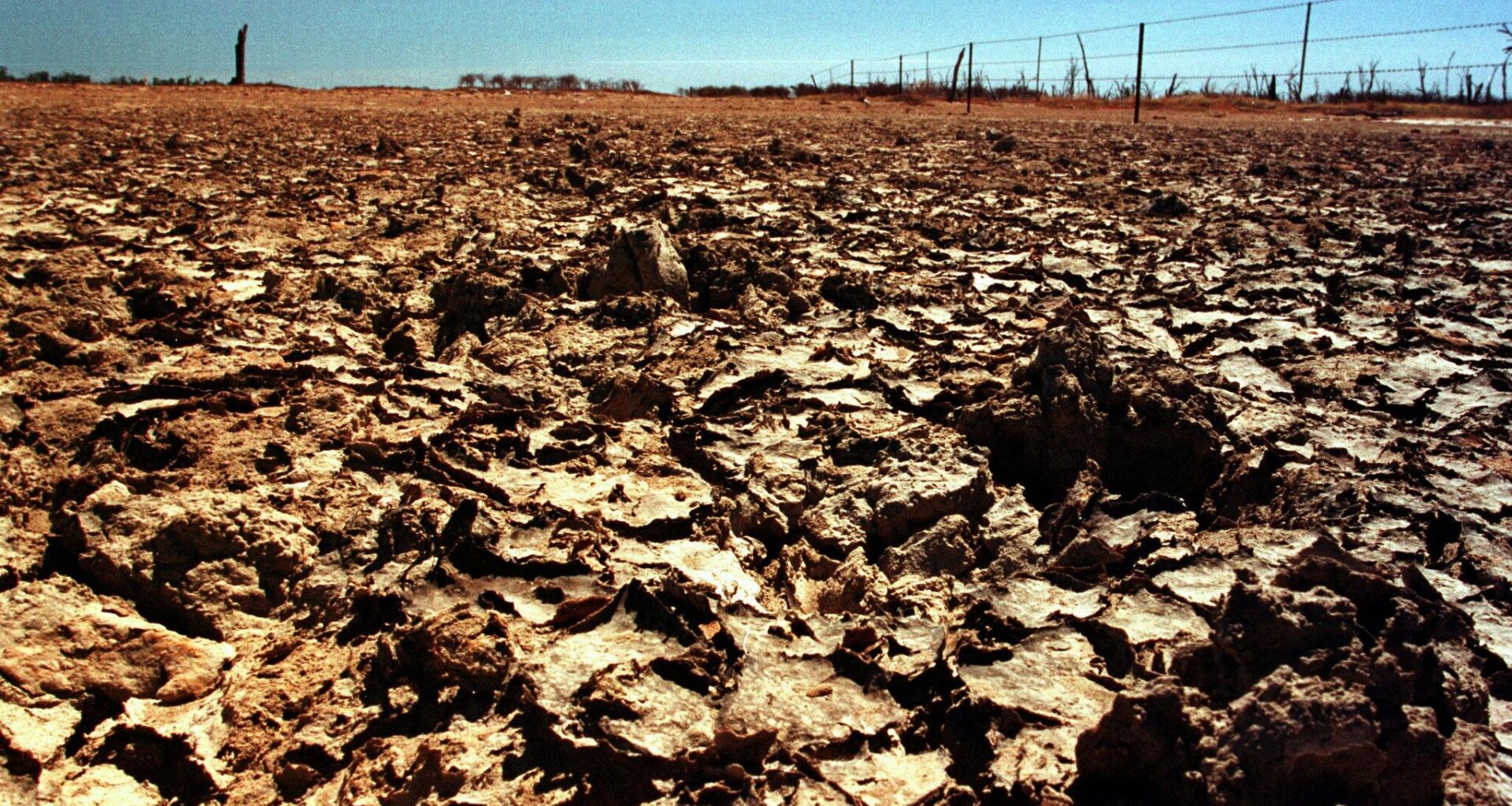
The mayor said the decision was the best one available to leaders amid an ongoing drought crisis and that other alternatives had more of an “ick factor” or would have been more costly. The move highlights the growing lengths that Hill Country towns have to consider when searching for secure drinking water as the region continues to boom.
Under the current plan, the pipeline could dump up to 500,000 gallons a day of treated wastewater into the surface waters at Elm Creek Park, which would then flow to Nimitz Lake, a part of the Guadalupe River.
As it’s still in its early stages, there is no definite cost association tied to the pipeline for city residents at this time. A city of Kerrville representative was not immediately able to provide more data.
Kerrville could dump 500,000 gallons a day of treated wastewater into Elm Creek and Nimitz Lake
An ongoing drought crisis forced city leaders to consider a number of controversial options to meet their growing needs, city engineer Kyle Burows said at the meeting that
Herring said in a Friday, March 27 Facebook post that the decision was not easy but that it was the “most practical option.”
One alternative — building a remote wellfield north of town — would have cost close to $70 million and would require securing thousands of acres of groundwater rights, the mayor said. Another option, direct potable reuse, would have treated wastewater directly into the city’s drinking water. Herring said this too would have been costly, and it would involve complicated permitting and technical challenges.
“And there’s an ick factor,” the mayor wrote.
Instead, city leaders and engineers landed on an indirect potable reuse strategy to secure the city’s future drinking water. It’s a strategy that will release treated effluent wastewater into the surface water at Elm Creek, where it will then flow into another body of water, recaptured, and then treated again before returning into the drinking supply.
According to the mayor, the water will be used to irrigate local soccer and baseball fields
“It adds a natural environmental buffer and multiple layers of treatment,’ he wrote.
According to Drought.gov, which uses data from the U.S. Drought Monitor and the National Oceanic and Atmospheric Administraton (NOAA), 25,983 Kerr County residents are currently affected by an ongoing drought. Drought conditions across the county range from abnormally dry to a “moderate” drought, and 2% of the county is under a severe drought.