
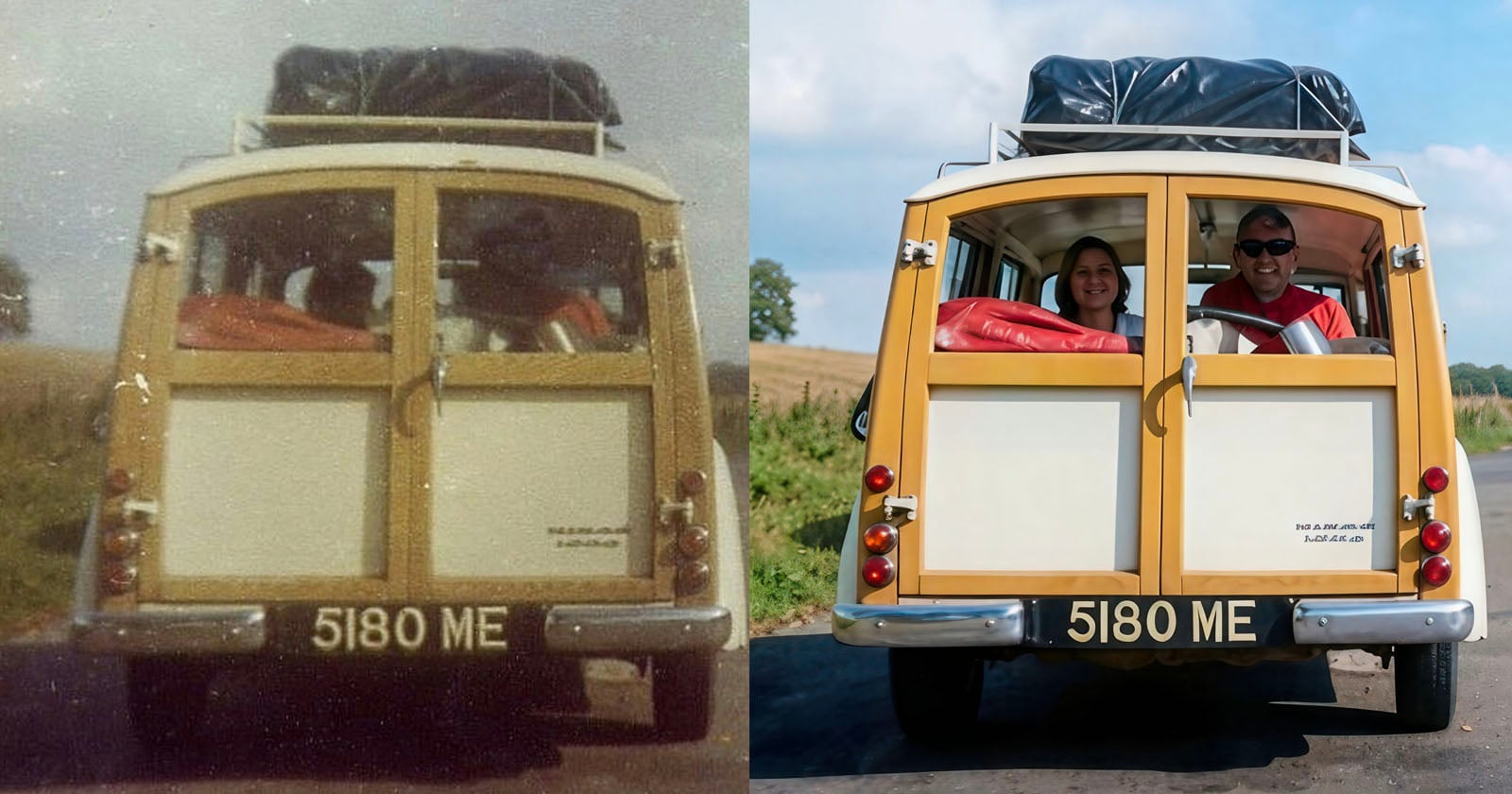
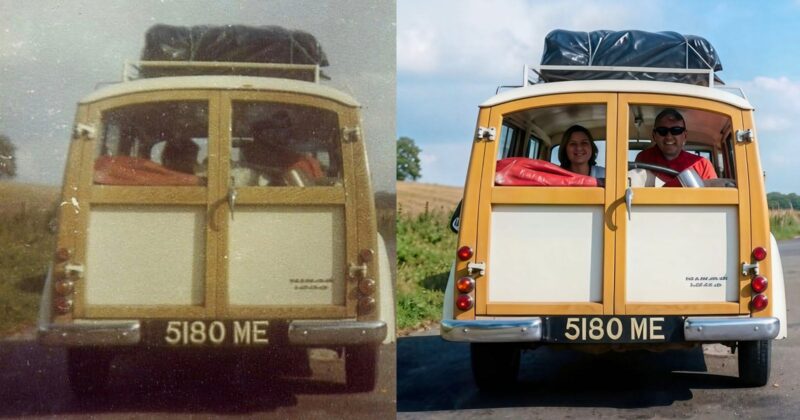
When I was in college, I had the opportunity to spend a semester abroad in Florence, Italy to study. There, I took a “Chemistry of Art” class that culminated in a visit to the Opificio delle Pietre Dure, where priceless works of art are on display. It is also where many are stored and maintained.
The Opificio, as it was colloquially referred to, is not just a museum, but also a teaching facility that is directly tied to Florence’s Ministry for Cultural and Environmental Heritage. As part of my class, we spent a day at the Opificio learning what the scientists did there as a practical example of the chemistry knowledge we spent a semester learning.
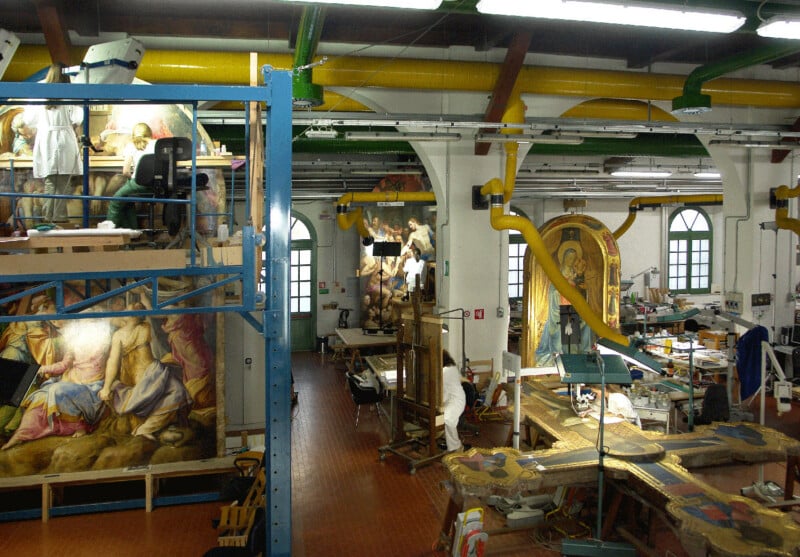 A laboratory at the Opificio delle Pietre Dure | Photo courtesy of the Opificio delle Pietre Dure
As we were touring one of their laboratories, one of the scientists there said that they, and many others at the Opificio, had a strong distaste for the word “restoration” as it applies to art. While that is the most common way to refer to what they do, they as scientists and lovers of art did not think of what they did as restoration.
To them, to restore was far too active of a verb.
The idea of restoration carries with it the intrinsic connotation of adding or subtracting something. The word itself means to “bring back” or “reinstate.” But if some part of a piece of artwork is lost to the point that it needs to be brought back, then that means someone in the present day would have to add what they believe is missing. At the very least, it means someone who is not the original artist has to put a hand on the work and adjust it.
But how could they possibly do that and retain respect for what was there? The scientists argued they couldn’t. They wouldn’t.
They much preferred to think of themselves as art conservationists. To conserve means to protect what is there, prevent further damage, and to honor it as it is. Take nothing away, add nothing back.
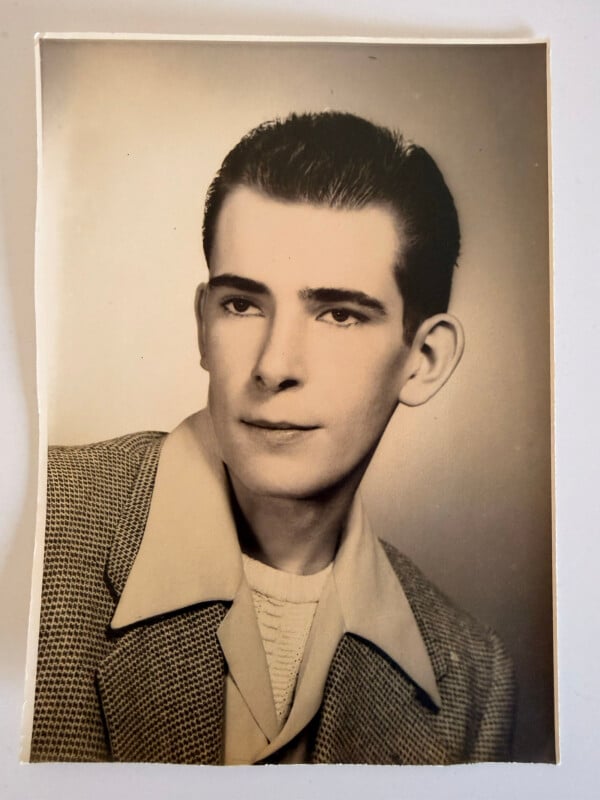 Original photo
 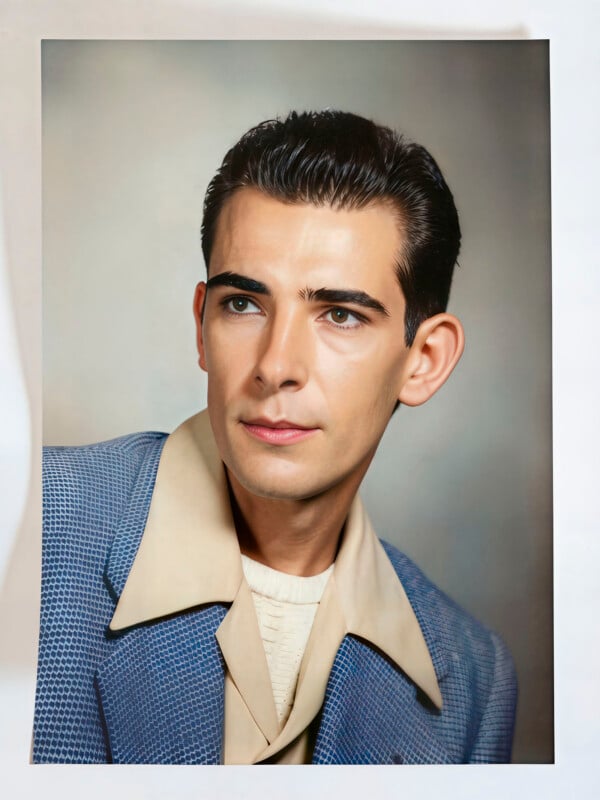 After using Restore AI, I argue that the visual identity of the man originally pictured has been altered to where it is no longer the same person. And who is to say his jacket was blue?
This approach shows immense respect for the art, the artist, and the living history of the piece of work. It is why I think the idea of “restoring” old photos, as ON1 tried to showcase earlier this week, is a fundamentally broken concept.
The problem is that for things like soft scans, where you are presumably trying to recover details, any restoration — by hand or by AI — is just adding those details. They aren’t there, so they must be built and inserted.
With AI’s involvement, the results are only worsened. If a human cannot in good conscience restore a photo even with all of the burden of knowledge of that task, how can an unfeeling AI do anything close to a good job? It is a blunt instrument, brute forcing its way across visual history with not a single care for the damage its footfalls cause.
That is why we’re seeing such grotesque results and, even when they’re believable (such as in the group photo example below), the identity of the people is greatly changed.
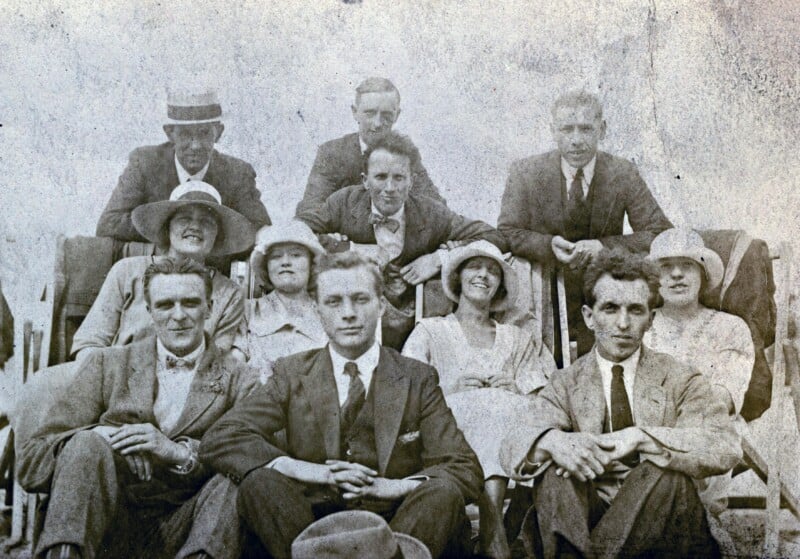 Original photo.
  After using Restore AI, the man in the upper right corner is unrecognizable from the one in the original. The “restoration” stole his identity.
After publication of our original story, ON1 emailed to apologize, saying that the team had inadvertently sent examples in the press kit that weren’t meant to be in there. They further explained that the Restore AI tool was meant to be part of a broader workflow that the examples didn’t include.
I argue that doesn’t matter, and that the fundamental problem here is due to the process, not the quality of the technology.
Image credits: Unless otherwise noted, all images are public domain and were altered using ON1’s Restore AI, provided by ON1.