
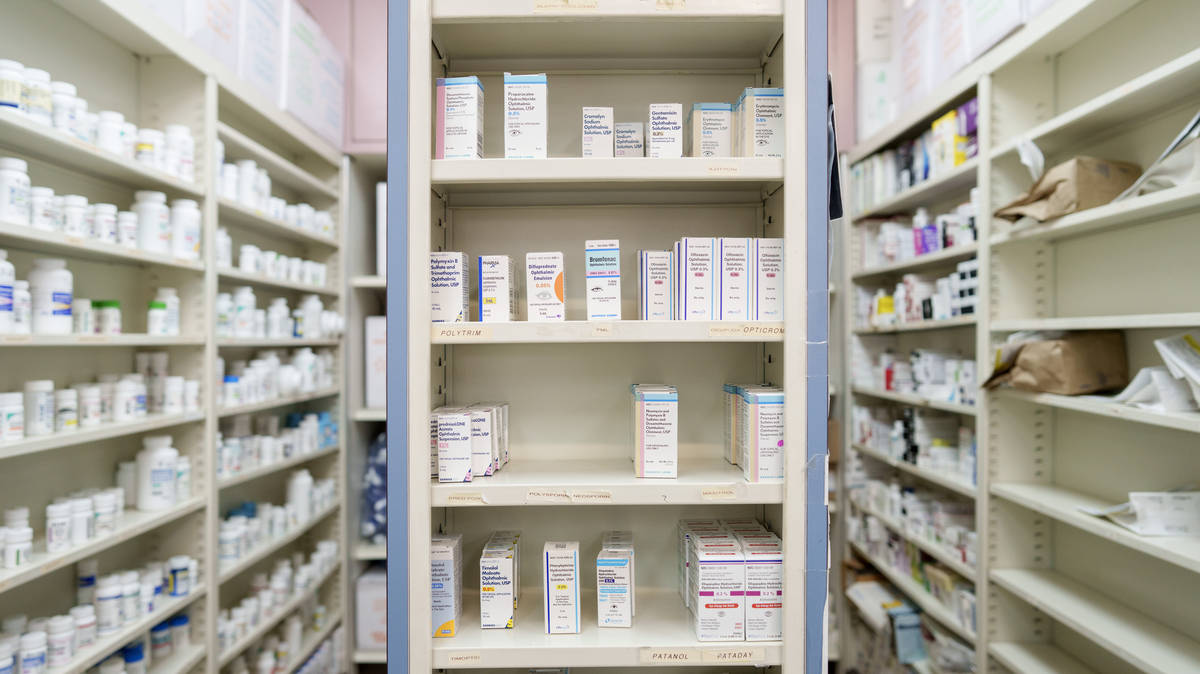
The conflict has already disrupted supplies of crucial raw materials, including oil, gas, fertiliser and helium
Want LBC stories before everyone else? Set us as your Preferred Source on Google
Britain is “a few weeks away” from shortages of medicines ranging from painkillers to cancer treatments if the war with Iran continues, experts have warned.
Picture:
Getty
Britain is “a few weeks away” from shortages of medicines ranging from painkillers to cancer treatments if the war with Iran continues, experts have warned, with drug prices also likely to rise.
The conflict in the Middle East has already disrupted supplies of crucial raw materials, including oil, gas, fertiliser and helium, and health products could be next.
Mark Samuels, chief executive of Medicines UK, which represents manufacturers of generic drugs that make up 85% of medicines used by the NHS, warned shortages could emerge within weeks if the conflict drags on.
“We’re not in a crisis currently but it’s still a serious situation,” he told the Guardian.
Mr Samuels said distributors typically hold six to eight weeks’ worth of stock to prevent shortfalls, while suppliers to hospitals in England are required to keep eight weeks’ supply.
Read more: Lawyers to call for now-suspended surgeon to give evidence at boy’s inquest
Read more: Caller Robin reckons the US-Iran war could conclude with the impeachment of Trump
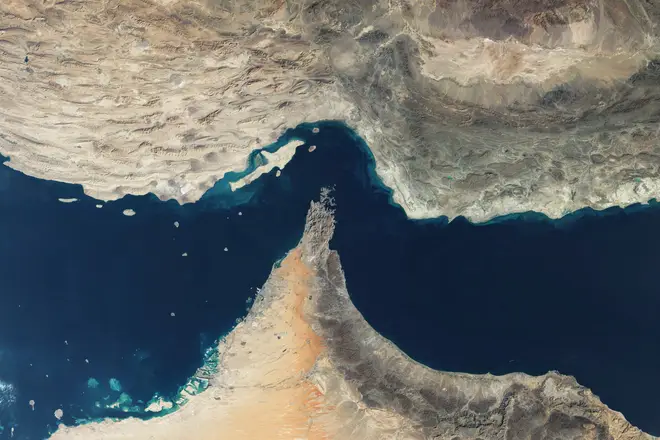
Satellite Imagery Of The Strait Of Hormuz.
Picture:
Getty
David Weeks, director of supply chain risk management at analytics group Moody’s, said: “It’s the perfect storm.
“We have the conflict in the Gulf that caused the Strait of Hormuz to shut down, and India is known as the pharmacy of the world.
“They produce a lot of the generic drugs and APIs (active pharmaceutical ingredients).
“With the geopolitical situation, it’s harder and harder to get those out.”
The Strait of Hormuz has been effectively closed since the US-Israel war on Iran began four weeks ago – upending global oil supplies and sending energy prices soaring.
More than 20 ships have been attacked across the region during the conflict
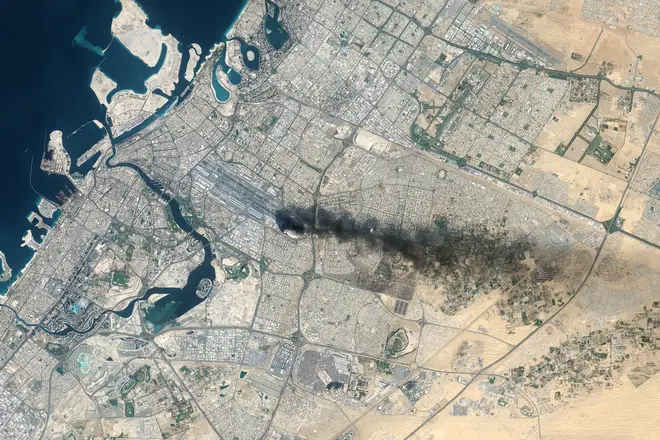
Satellite view of Dubai International Airport after a drone strike ignited a fuel tank fire.
Picture:
Getty
Pharmaceutical firms have also been forced to reroute shipments after disruption at airports in Dubai, Doha and Abu Dhabi. Some are now switching to sea freight, lengthening delivery times.
During the Covid pandemic, Britain and other countries saw shortages of paracetamol and other painkillers as manufacturers in India struggled to meet surging demand.
India produces 60% of the world’s generic medicines and half of US demand.
The UK manufactures about a quarter of its medicines domestically, while around a third are imported from India, with another significant share coming from the EU.
Mr Samuels said the US-Israel war on Iran had doubled air freight costs. “One in five NHS medicines comes in by air, and currently manufacturers are trying to absorb those costs,” he said.
“But they’ve got historically low margins, and the risk is that it makes some medicines loss-making to supply to the NHS.”

Medicines that often rely on air freight include drugs used in clinical trials.
Picture:
Getty
He added that air cargo volumes fell by 80% earlier this month and remain sharply down.
Medicines that often rely on air freight include high-value cancer and infectious disease treatments, advanced cell and gene therapies, biologics requiring cold storage, and drugs used in clinical trials.
A government spokesperson said: “There are currently no reported medicine shortages as a result of conflict in the Middle East. We continue to monitor the situation closely for any impacts on the medical supply chain.
“The department actively monitors emerging threats to supply resilience and have established processes in place to manage disruption across the health and social care sector.”