
Home » Latest Travel News » Thousands Of Passengers Stranded Across Asia Today As Thailand, Japan, Hong Kong, China, Malaysia, And Türkiye Cancel 307 And Delay 2797 Flights, Disrupting Cathay Pacific, AirAsia, Malaysia Airlines, Pegasus Airlines, And Others In Bangkok, Tokyo, Istanbul, And More
Published on
March 30, 2026
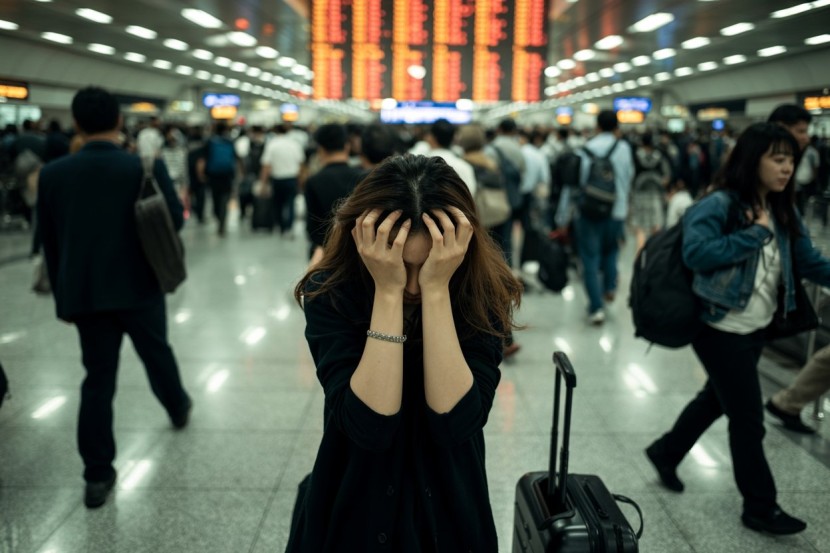
Image generated with Ai
Thousands of passengers grounded across Asia today as a wave of flight disruptions swept across Thailand, Japan, Hong Kong, China, Malaysia, and Türkiye, with 2797 delays and 307 cancellations across Bangkok Suvarnabhumi Airport (261 delays, 3 cancellations), Tokyo International Airport (Haneda) (244 delays, 1 cancellation), Narita International Airport (141 delays, 1 cancellation), Kansai International Airport (92 delays, 2 cancellations), Kuala Lumpur International Airport (450 delays, 3 cancellations), Don Mueang International Airport (155 delays), Guangzhou Baiyun International Airport (763 delays, 15 cancellations), Shanghai Pudong International Airport (307 delays, 13 cancellations), Hong Kong International Airport (257 delays, 3 cancellations), Istanbul Sabiha Gökçen International Airport (60 delays, 250 cancellations), and Antalya Airport (67 delays, 16 cancellations).
The most affected airlines include Pegasus Airlines (262 cancellations, 54 delays), China Southern Airlines (421 delays), AirAsia (191 delays), China Eastern (183 delays, 9 cancellations), Cathay Pacific (123 delays), and Malaysia Airlines (96 delays, 1 cancellation). Other widely recognized carriers such as Japan Airlines, All Nippon Airways, Turkish Airlines, United Airlines, and Thai Airways also reported operational disruptions.
Cities impacted include Bangkok, Tokyo, Osaka, Kuala Lumpur, Guangzhou, Shanghai, Hong Kong, Istanbul, and Antalya. Countries affected include Thailand, Japan, Malaysia, China, Hong Kong (China), and Türkiye.
Updated today: A total of 2797 delays and 307 cancellations were recorded across 11 major airportsGuangzhou recorded the highest delays (763) among all airportsIstanbul Sabiha Gökçen saw the highest cancellations (250)Pegasus Airlines accounted for over 85% of total cancellations globallyChina Southern Airlines recorded the highest delays (421) among all airlinesSoutheast Asian and Japanese airports remained delay-heavy with minimal cancellationsChinese hubs showed mixed disruption with both delays and cancellationsTurkish airports experienced airline-specific disruption concentrated in Pegasus AirlinesMost Affected Asian AirportsGuangzhou Baiyun International Airport
Guangzhou emerged as the most disrupted airport with 763 delays and 15 cancellations, reflecting widespread operational strain across multiple airlines.
Shanghai Pudong International Airport
Shanghai Pudong recorded 307 delays and 13 cancellations, indicating significant multi-airline disruption.
Hong Kong International Airport
Hong Kong saw 257 delays and 3 cancellations, with disruptions largely concentrated in delays rather than cancellations.
Advertisement
Advertisement
Kuala Lumpur International Airport
Kuala Lumpur handled 450 delays and 3 cancellations, driven heavily by AirAsia and Malaysia Airlines operations.
Tokyo International Airport (Haneda)
Haneda recorded 244 delays and 1 cancellation, maintaining a delay-heavy but stable disruption profile.
Advertisement
Advertisement
Bangkok Suvarnabhumi Airport
Bangkok’s main airport saw 261 delays and 3 cancellations, largely affecting regional carriers.
Don Mueang International Airport
Don Mueang reported 155 delays, making it a purely delay-driven disruption hub.
Advertisement
Advertisement
Airlines Most Affected by Asia Flight Cancellations and DelaysPegasus Airlines
Pegasus Airlines experienced the most severe disruption globally, with 262 cancellations and 54 delays, primarily concentrated in Turkish airports.
China Southern Airlines
China Southern recorded 421 delays, the highest among all airlines, driven mainly by operations in Guangzhou and other Chinese hubs.
AirAsia
AirAsia saw 191 delays, largely concentrated at Kuala Lumpur and Bangkok airports, highlighting its high operational exposure.
China Eastern
China Eastern faced 183 delays and 9 cancellations, making it one of the most consistently disrupted airlines across multiple Chinese airports.
Cathay Pacific
Cathay Pacific recorded 123 delays, with the majority occurring at Hong Kong International Airport.
Malaysia Airlines
Malaysia Airlines experienced 96 delays and 1 cancellation, reflecting moderate disruption centered in Kuala Lumpur.
All Nippon Airways
All Nippon Airways reported 91 delays, mainly across Tokyo airports, with minimal cancellations.
Japan Airlines
Japan Airlines recorded 82 delays and 1 cancellation, maintaining a delay-heavy operational profile across Japan.
What Can Impacted Passengers Do?Check real-time flight status before heading to the airportStay in contact with airline customer support channelsArrive early to account for potential delaysKeep essential items in carry-on baggageMonitor airport announcements closelyRebook flights promptly if cancellations occur
Overview of Asia Flight Cancellations
Today’s disruption landscape highlights a complex operational environment across Asia and nearby regions. Major airlines including Pegasus Airlines, China Southern Airlines, AirAsia, China Eastern, Cathay Pacific, Malaysia Airlines, Japan Airlines, and All Nippon Airways were among the most affected.
Airports in Bangkok, Tokyo, Osaka, Kuala Lumpur, Guangzhou, Shanghai, Hong Kong, Istanbul, and Antalya experienced varying levels of disruption. Bangkok and Tokyo hubs showed strong delay absorption, while Guangzhou and Shanghai faced broader system strain with both delays and cancellations. Istanbul and Antalya reflected airline-specific disruption, particularly involving Pegasus Airlines.
Across Thailand, Japan, Malaysia, China, Hong Kong, and Türkiye, the data shows a clear divide between delay-heavy systems and cancellation-heavy disruptions. Cities such as Guangzhou, Shanghai, Hong Kong, Bangkok, Tokyo, and Istanbul appeared repeatedly among the most impacted locations, underlining the scale and geographic spread of today’s aviation disruption.
Source: Different airports and FlightAware
Advertisement
Advertisement
