
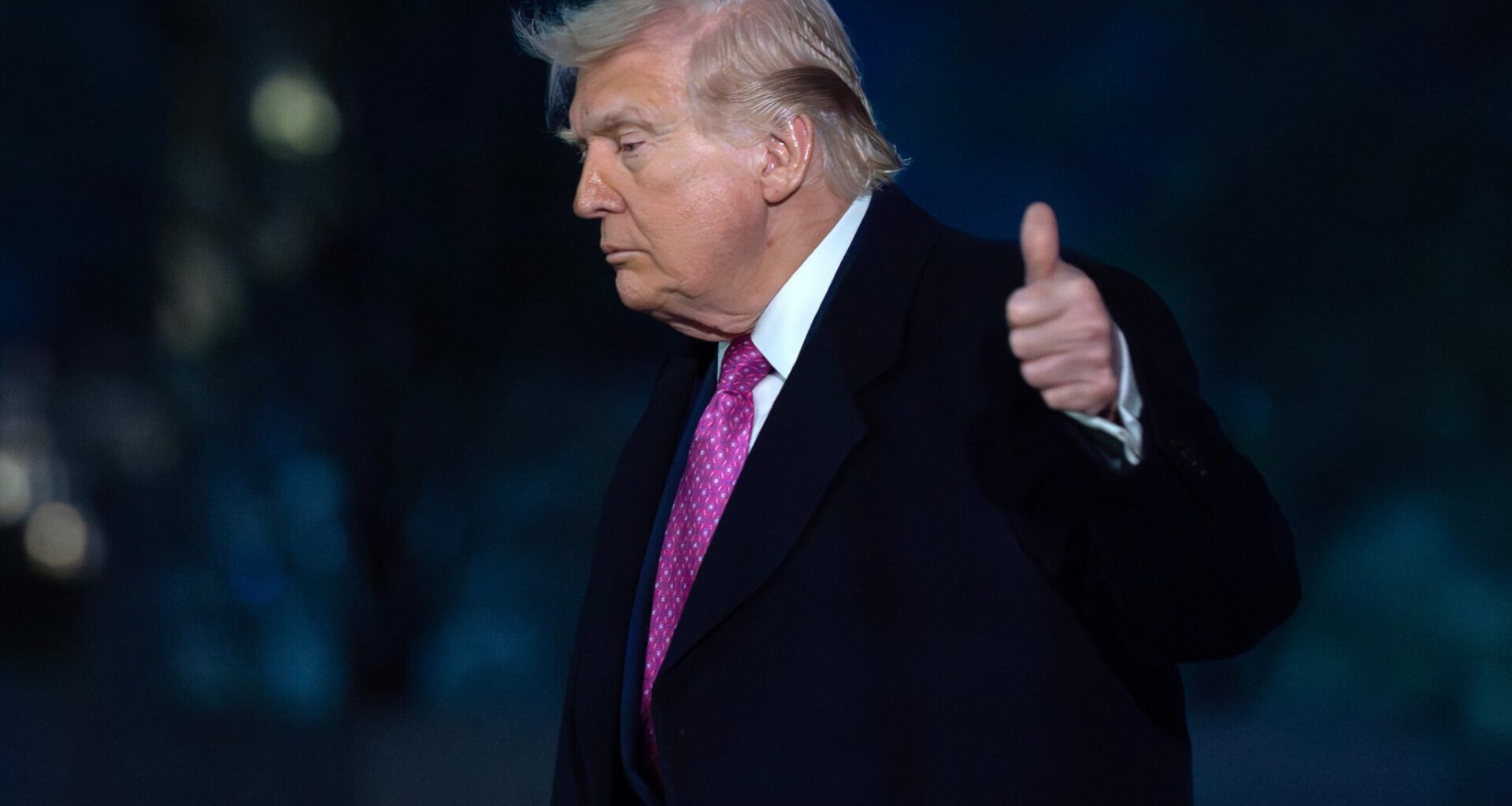
US President Donald Trump reportedly told aides he is willing to end the military campaign against Iran even if the Strait of Hormuz remains largely closed and leave a complex operation to reopen it for a later date.
Trump and his aides had come to the conclusion that a mission to reopen the waterway would extend the length of the mission past his four- to six-week timeline, the Wall Street Journal reported on Monday, citing administration officials.
It added that he had decided to focus on battering Iran’s missiles and navy, before looking to pressure Iran diplomatically to reopen the Strait.
Tehran has largely blocked the vital Strait of Hormuz oil route in retaliation for the US-Israeli attacks, pushing up global energy prices. The US national average retail price of gasoline crossed $4 a gallon for the first time in more than three years on Monday, data from price-tracking service GasBuddy shows, as the US-Israeli war with Iran rages on.
Trump on Monday touted “great progress” in negotiations for a deal to end the war, but warned that if a deal isn’t reached and the Strait of Hormuz isn’t “immediately ‘Open for Business,’” then the US would move ahead with “blowing up and completely obliterating all of their Electric Generating Plants, Oil Wells and Kharg Island (and possibly all desalinization plants!), which we have purposefully not yet ‘touched.’”
Get The Times of Israel’s Daily Edition
by email and never miss our top stories
By signing up, you agree to the terms
Despite Trump’s insistence that a deal would likely be reached, the US has been deploying thousands of troops to the region over the past week in preparation for a potential ground operation.

Ships sail through the Arabian Gulf toward the Strait of Hormuz as the sun sets in the United Arab Emirates, March 23, 2026. (AP Photo)
Reports have suggested that the preparations for a ground operation may be an attempt to pressure Tehran into acquiescing to American terms to end the war.
Further complicating efforts to end the war, he New York Times reported on Monday that the US-Israeli decapitation of Iran’s leadership since the outbreak of the war has hampered Tehran’s ability to make decisions.
The killing of dozens of Iranian leaders also complicates Washington’s efforts to negotiate with the officials in Tehran who remain, The Times reported, adding that Iran’s negotiators may have little knowledge about what their government is willing to concede.
However, the targeting of the leadership has also hampered their ability to coordinate major retaliatory attacks, the report said citing unnamed officials familiar with US and Western intelligence assessments.
American officials told The Times that the assassinations have led to the further empowering of hardliners from the Islamic Revolutionary Guard Corps.
The report came after Trump confirmed that the person the US was engaging with was, in fact, hardline Iranian parliament speaker Mohammad Bagher Ghalibaf. He earlier declared that the US was negotiating with a “new and more reasonable” leadership in Iran.
Ghalibaf has maintained a combative personality through his X account in the war, mocking the Americans and issuing threats. The former Islamic Revolutionary Guard Corps commander has seen his profile rise as senior members of the theocracy have been killed.
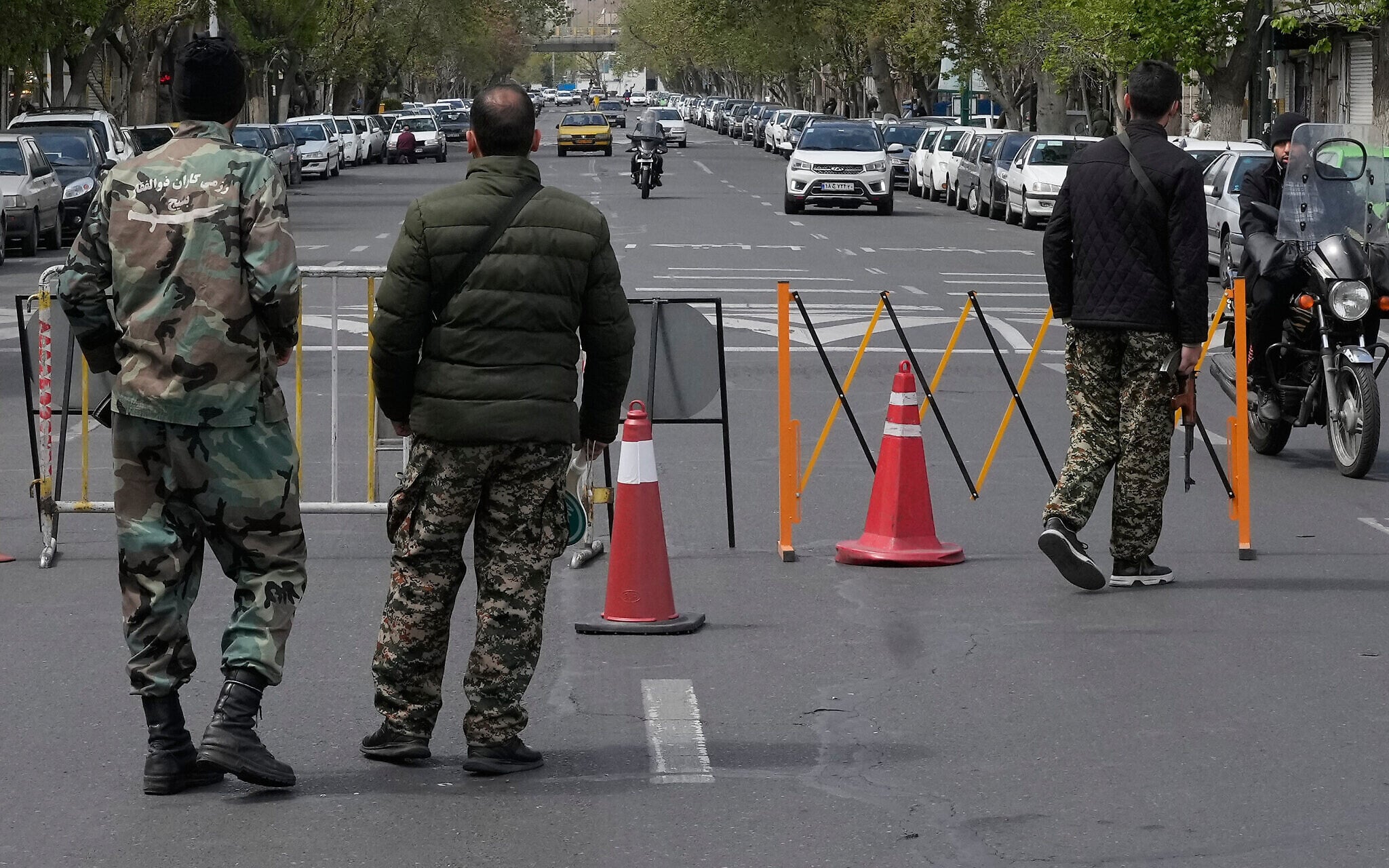
Members of the Basij paramilitary force stand at a checkpoint in Tehran, Iran, March 29, 2026. (AP Photo/Vahid Salemi)
PM: No timeline on when Iran war will end, but over half our missions achieved
Meanwhile, Prime Minister Benjamin Netanyahu said on Monday that the war on Iran has achieved more than half its aims, without putting a timeline on when it would end.
“It’s definitely beyond the halfway point. But I don’t want to put a schedule on it,” Netanyahu told the conservative US broadcaster Newsmax.
He added that he meant the war was more than halfway “in terms of missions, not necessarily in terms of time.”
Netanyahu said the war has achieved goals, including killing “thousands” of members of Iran’s Revolutionary Guards.
Israel and the United States are also “close to finishing [Iran’s] arms industry,” he added.
“Just the whole industrial base — wiping out… entire plants, and the nuclear program itself,” he said.
Netanyahu also voiced confidence that the Islamic Republic would fall.
“I think this regime will collapse internally. But at the moment, what we’re doing is just degrading their military capacity, degrading their missile capacity, degrading their nuclear capacity and also weakening them from the inside,” Netanyahu said.
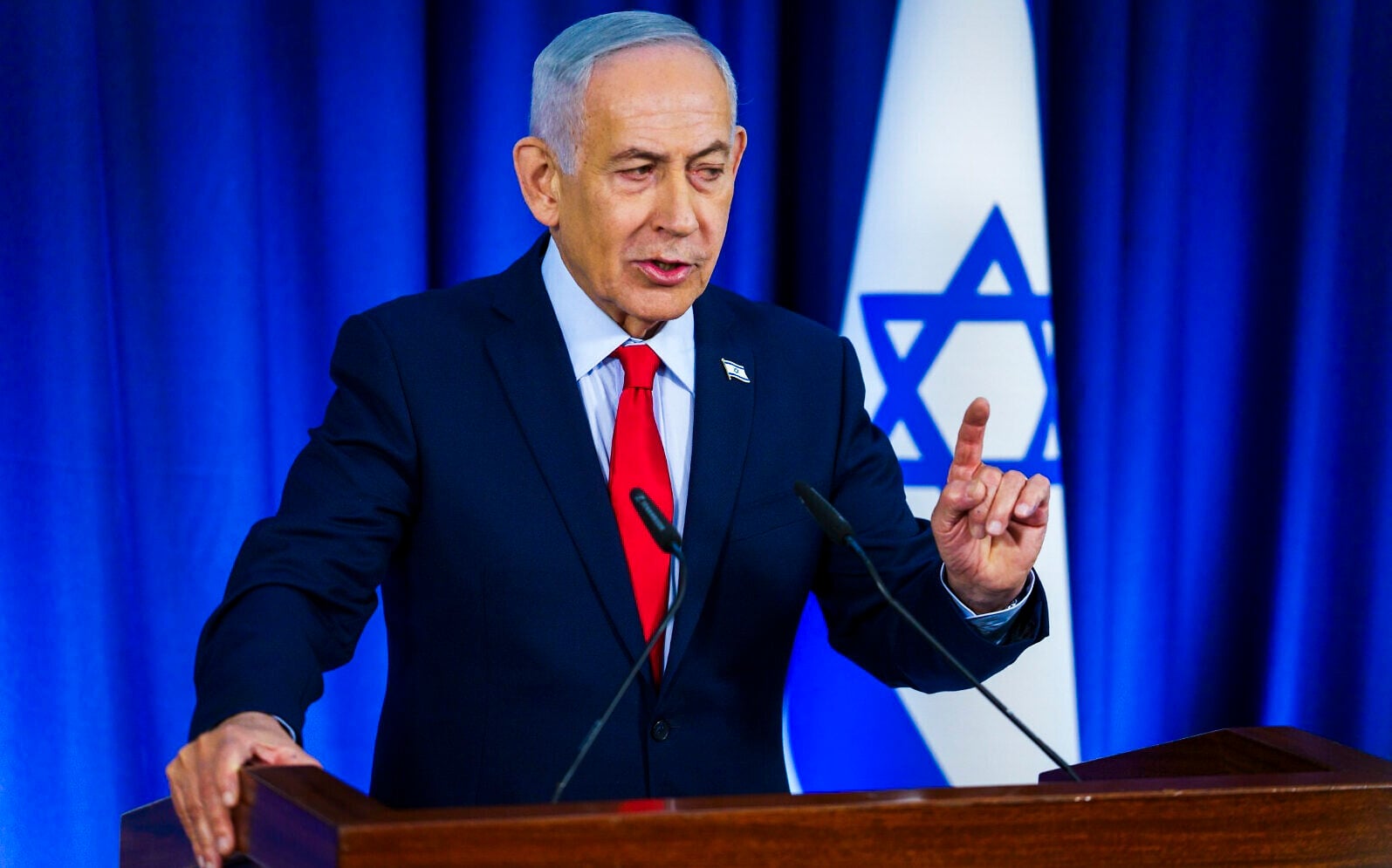
Prime Minister Benjamin Netanyahu speaks during a press conference in Jerusalem, March 19, 2026. (Shalev Shalom/POOL)
Hegseth’s broker looked to buy defense fund before Iran attack — report
Amid the ongoing war, controversy emerged over reports that a broker for US Defense Secretary Pete Hegseth attempted to make a big investment in major defense companies in the weeks leading up to the US-Israeli attack on Iran.
Hegseth’s broker at Morgan Stanley contacted BlackRock in February about making a multimillion-dollar investment in the asset manager’s Defense Industrials Active ETF, shortly before the US launched military action against Tehran, the Financial Times reported, citing three people familiar with the matter.
“This allegation is entirely false and fabricated,” chief Pentagon spokesman Sean Parnell tweeted in response to the story.
You appreciate our wartime journalism

You clearly find our careful reporting of the Iran war valuable, at a time when facts are often distorted and news coverage often lacks context.
Your support is essential to continue our work. We want to continue delivering the professional journalism you value, even as the demands on our newsroom have grown dramatically during this ongoing conflict.
So today, please consider joining our reader support group, The Times of Israel Community. For as little as $6 a month you’ll become our partners while enjoying The Times of Israel AD-FREE, as well as accessing exclusive content available only to Times of Israel Community members.
Thank you,
David Horovitz, Founding Editor of The Times of Israel