
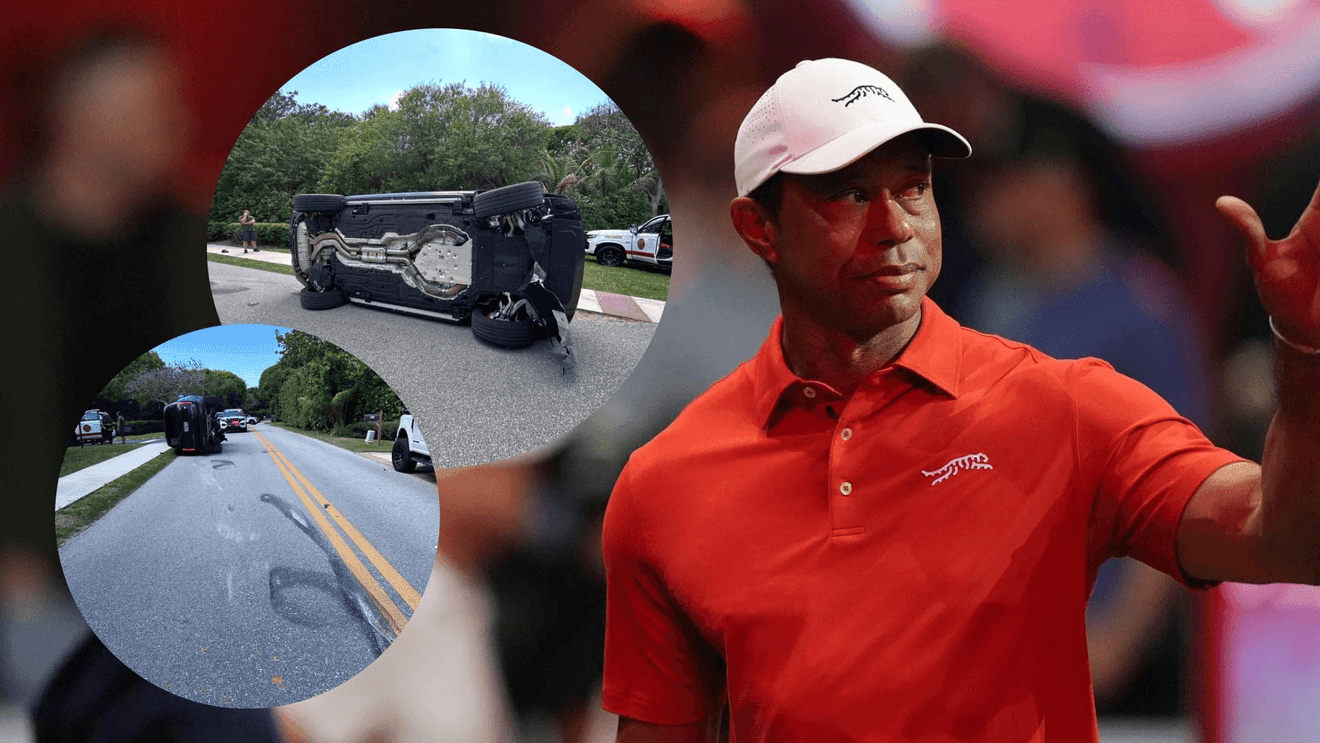
JUPITER ISLAND, Fla. (CBS12) — For more than a decade, Tiger Woods towered over professional golf, redefining the sport with a level of dominance rarely seen in any era.
By the time he reached his early 30s, Woods had accumulated major championships, records, and cultural influence that seemed to place him beyond the normal arc of rise and decline.
Then, in late 2009, the first in a series of highly public setbacks reshaped both his career and his public identity, beginning a prolonged period in which brilliance on the course became inseparable from distress off it. And after his latest crash on Jupiter Island, he’s back in the spotlight.
Nov. 27, 2009: The Crash That Triggered a Public Reckoning
In the early morning hours after Thanksgiving, Woods crashed his SUV into a fire hydrant and a tree outside his home in Windermere, Florida.
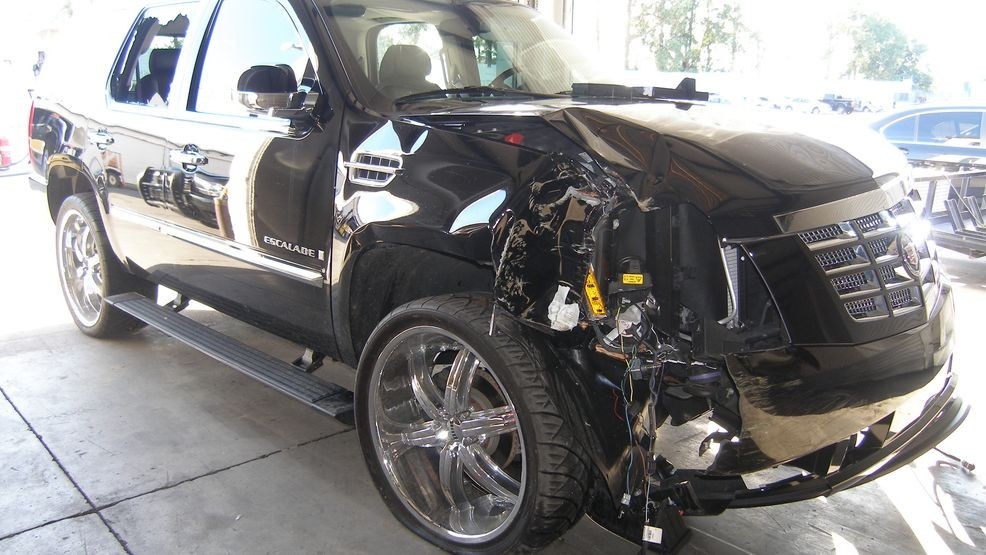
ORLANDO, FL – DECEMBER 02: In this handout photo provided by The Florida Highway Patrol, the vehicle driven by Tiger Woods during his accident is seen on December 2, 2009 in Orlando, Florida. Woods crashed the SUV into the fire hydrant and tree next to his Florida home in the early hours of November 27. FHP charged Woods with careless driving which carries a $164 fine and four points on his driving record. Woods released a statement on his website saying, ‘I have let my family down and I regret those transgressions with all of my heart.’. (Photo by Florida Highway Patrol via Getty Images)
What initially appeared to be a minor traffic accident quickly unraveled into something far more consequential. Within days, revelations of multiple extramarital affairs surfaced, dismantling the carefully cultivated image that had helped fuel Woods’ global appeal.
Endorsement partners severed ties, sponsors reassessed their relationships, and Woods took full responsibility in public statements as scrutiny intensified. The incident marked the first clear rupture between Woods’ private life and his public stature.
December 2009–April 2010: Hiatus From Competitive Golf
As media attention reached a fever pitch, Woods announced an indefinite leave from professional golf to address personal matters.
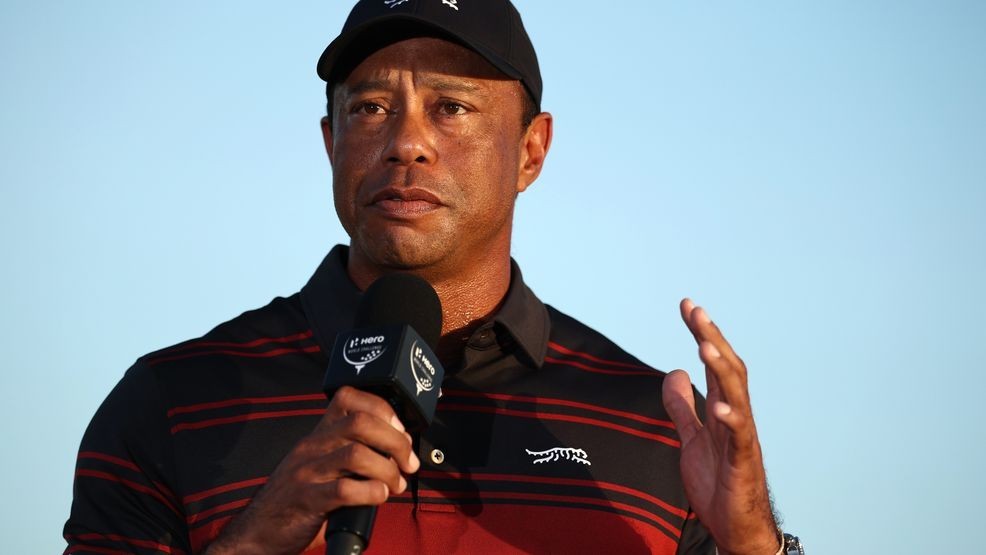
NASSAU, BAHAMAS – DECEMBER 07: Tiger Woods of the United States speaks during the trophy presentation on the 18th green after the final round of the Hero World Challenge 2025 at Albany Golf Course on December 07, 2025 in Nassau, Bahamas. (Photo by Jared C. Tilton/Getty Images)
He entered treatment and largely disappeared from competition, returning only months later at the 2010 Masters. While he remained competitive at times, the interruption marked a turning point. The sustained dominance that had defined his prime years did not fully return, and public perception shifted from inevitability to uncertainty.
Aug. 23, 2010: Divorce Finalized as Career Stability Fades
Woods’ divorce from Elin Nordegren was finalized in August 2010, formally closing one chapter of personal fallout. On the course, however, the years that followed were uneven.
Wins became sporadic, and the sense that Woods could overwhelm tournaments at will slowly eroded. Questions about whether the best version of his career had already passed became more common as his results fluctuated alongside his public reputation.
2014–2016: Injuries and Surgeries Begin to Dominate the Narrative
By the mid-2010s, physical setbacks overtook personal issues as the central obstacle. Woods underwent multiple back surgeries beginning in 2014, sidelining him for long stretches and forcing him to withdraw from tournaments and majors. Each attempted comeback appeared more fragile than the last, and by 2016, Woods had played sparingly, leading many to question whether his career might quietly end not with controversy, but with attrition.
May 29, 2017: DUI Arrest in Jupiter Raises New Concerns
Just as Woods was attempting yet another return from injury, he was arrested in Jupiter, Florida, after police found him asleep behind the wheel of his vehicle on the roadside in the early morning hours.
He was arrested on suspicion of driving under the influence. Authorities later said no alcohol was detected, but toxicology reports showed multiple prescription medications in his system.
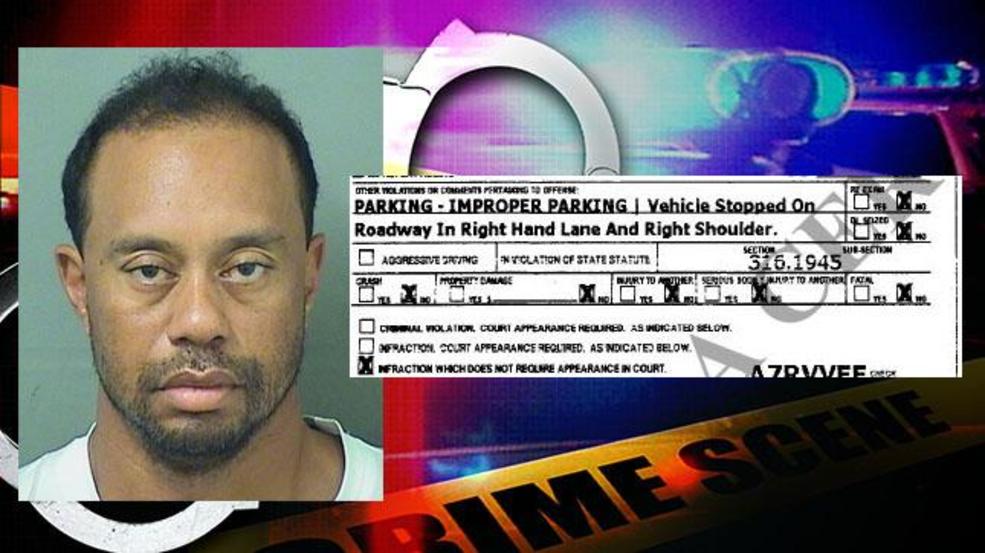
Tiger Woods is due in court in August following his DUI arrest in Jupiter. (Image Courtesy: PBSO)
Woods attributed the incident to an unexpected reaction to prescribed drugs taken while managing pain and sleep issues. He later pleaded guilty to reckless driving and entered a diversion program. The viral spread of his mugshot reinforced perceptions of decline and raised serious questions about his health and decision-making.
April 14, 2019: Masters Victory Completes a Historic Comeback
Against long odds, Woods authored one of the most dramatic reversals in sports history by winning the Masters in 2019, his first major championship in 11 years. The victory at Augusta National reframed much of the previous decade, transforming a narrative of collapse into one of resilience. At age 43, Woods demonstrated that elite competition was still possible, even if sustainability remained uncertain.
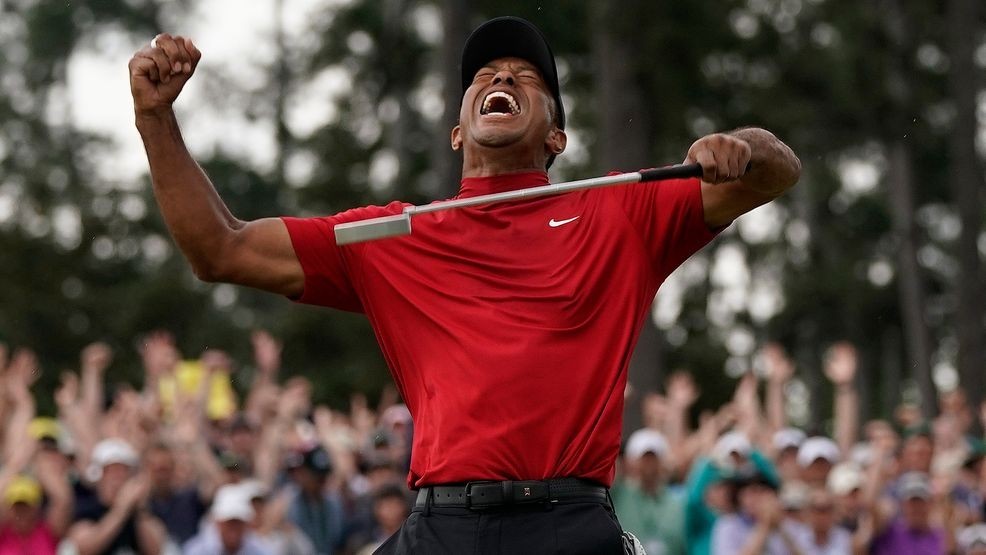
FILE – In this April 14, 2019, file photo, Tiger Woods reacts as he wins the Masters golf tournament at Augusta National in Augusta, Ga. (AP Photo/David J. Phillip, File)
Feb. 23, 2021: California Rollover Crash Threatens Playing Career
That uncertainty deepened in February 2021 when Woods suffered severe leg injuries in a single-vehicle rollover crash in California. He required multiple surgeries and faced the possibility of losing his leg. Investigators found no evidence of impairment, and no charges were filed, but the injuries dramatically limited his ability to compete. Woods acknowledged the severity of the moment, later saying he was fortunate simply to be alive. From that point forward, his PGA Tour appearances became infrequent and carefully managed.
2024–2026: Limited PGA Starts and a Shift Toward TGL
As competitive starts became rarer, Woods’ role in the sport evolved. He emerged as a central figure in TGL, a technology-driven golf league designed to combine team play, arena competition, and digital innovation. While he continued to express a desire to compete in major championships when physically able, TGL represented a recalibration of his presence in professional golf, less centered on weekly tournament play and more focused on long-term influence and innovation.
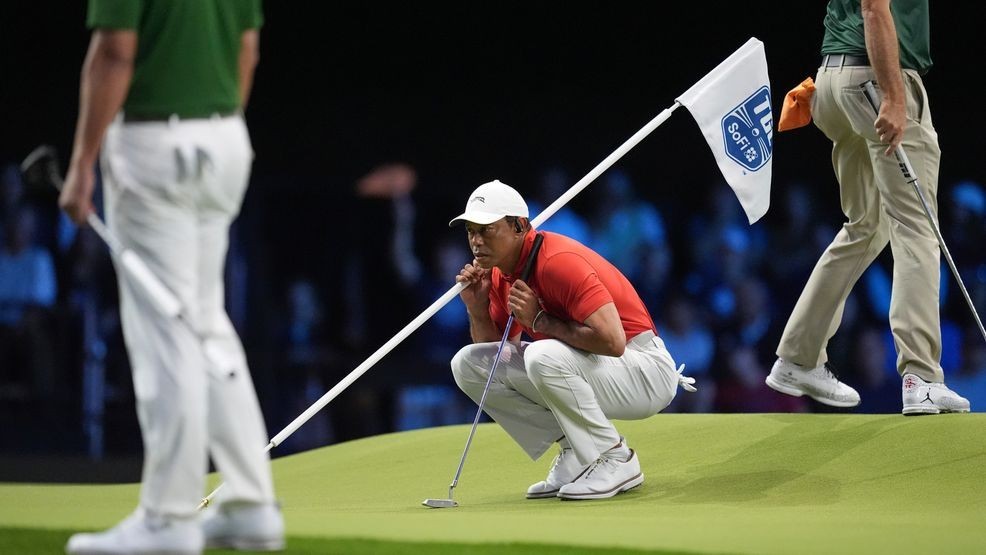
Tiger Woods helps Jupiter Links Golf Club teammate Tom Kim, not pictured, line up a putt during a match of the TMRW Golf League (TGL) against Boston Common Golf, Monday, Jan. 27, 2025, in Palm Beach Gardens, Fla. (AP Photo/Rebecca Blackwell)
March 27, 2026: Rollover Crash and Arrest Renews Public Scrutiny
In March 2026, Woods was again arrested following a rollover crash in South Florida and charged with DUI-related offenses after authorities said he appeared impaired at the scene. Investigators indicated alcohol was not suspected, but the arrest reignited familiar scrutiny and revived longstanding questions about his ability to manage health challenges away from the course.
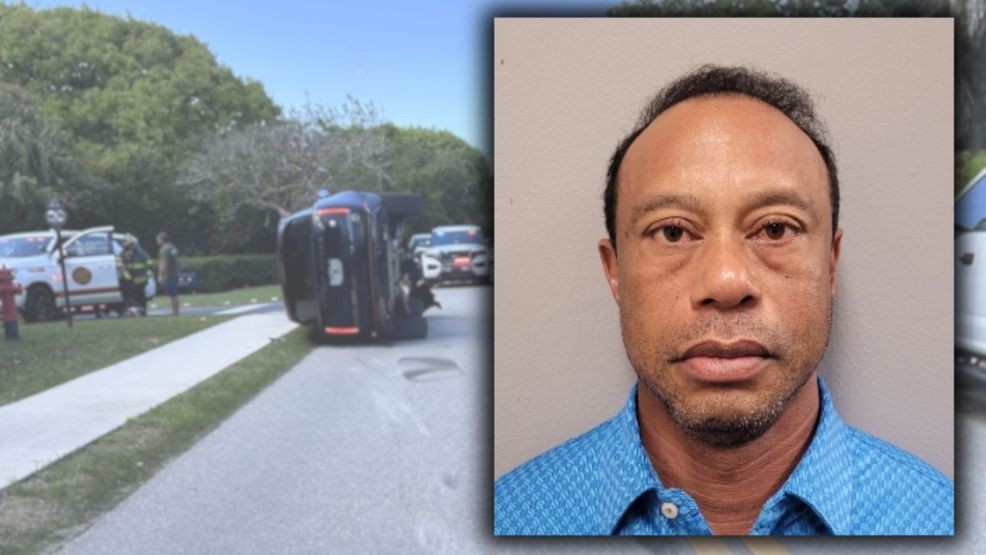
March 27, 2026 – Professional golfer Tiger Woods was arrested on suspicion of a DUI following a two-vehicle crash involving a pickup truck and a Land Rover on Jupiter Island on Friday. During a news conference, Sheriff John Budenseik said that a little before 2 p.m., the Jupiter Island Police Department received reports of a rollover crash near 281 South Beach Road. Upon arrival, law enforcement found a pickup truck pulling a pressure cleaner trailer and a Land Rover driven by Tiger Woods rolled over on its driver’s side. (WPEC)
The legal process remains ongoing with a possibility of jail time, but the incident underscored how closely Woods’ personal struggles continue to intersect with his public identity.
A Legacy Still in Motion
Tiger Woods’ career no longer fits neatly into a story of uninterrupted greatness. Instead, it is defined by extremes: unparalleled dominance, profound personal missteps, physical hardship, and intermittent redemption. The timeline of his public setbacks does not erase his historic achievements, but it does complicate them. For context, Woods’ journey stands as a reminder that even the most dominant figures in sports remain vulnerable—to injury, to personal failure, and to the enduring weight of life lived under constant scrutiny.