
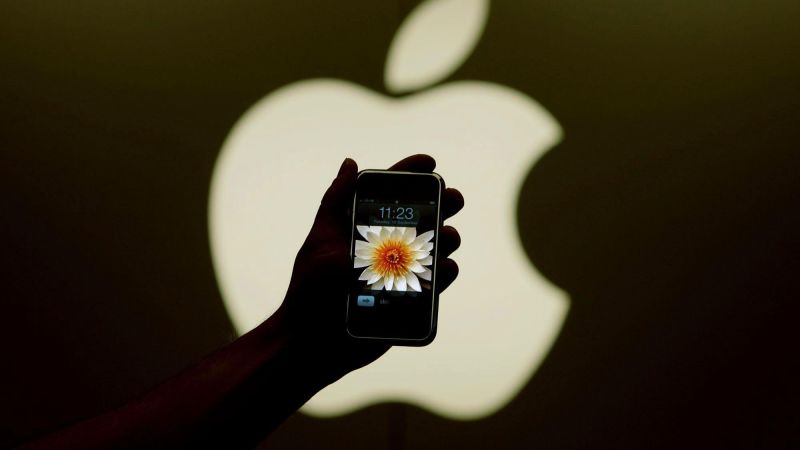
Apple had never built anything so complex. But it was at a crossroads.
“We were like, people are only going to carry one device. They’re going to have a cell phone with music, or they’re going to have an Apple product with music and communications,” said Tony Fadell, the former Apple executive who co-created the iPod and helped lead the iPhone’s early development. “And it was like, ‘Okay, what are we going to make?’”
Fadell and other Apple executives watched as Motorola and Samsung released new cellphones with built-in MP3 players. They questioned whether the iPod’s days were numbered.
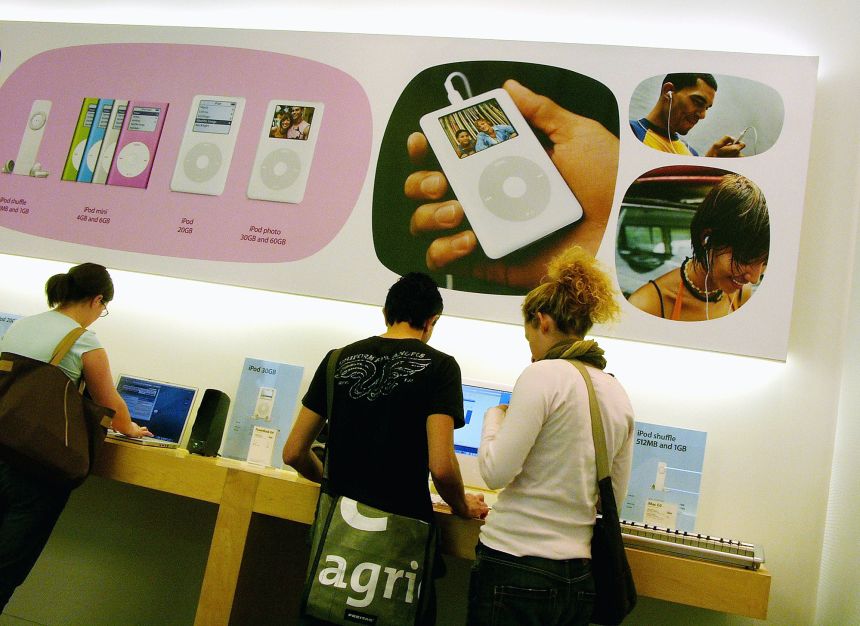
The iPod was Apple’s biggest product at the time. By April 2004, the iPod was outselling the Mac and growing by more than 900% from the year before.
So Apple got to work making its biggest success obsolete. To this day – the company’s 50th anniversary – Apple has never made a more consequential decision.
Apple had never made a product as complicated as the iPhone, which meant figuring out how to make components work together in ways they hadn’t before, Fadell said.
Rubén Caballero, Apple’s vice president of engineering from 2005 until 2019, recalls working long nights and weekends in the roughly two and a half years leading up to the first iPhone’s launch.
“I slept, many times, under my desk,” he said.
Among the biggest uncertainties was the interface. While touch screens existed long before the iPhone, Apple refined the technology and built software that worked smoothly enough to convince consumers it was worth ditching physical buttons. That took hundreds of people within Apple laboring over technical details like the screen’s lamination and moisture rejection, according to a former Apple engineering leader.
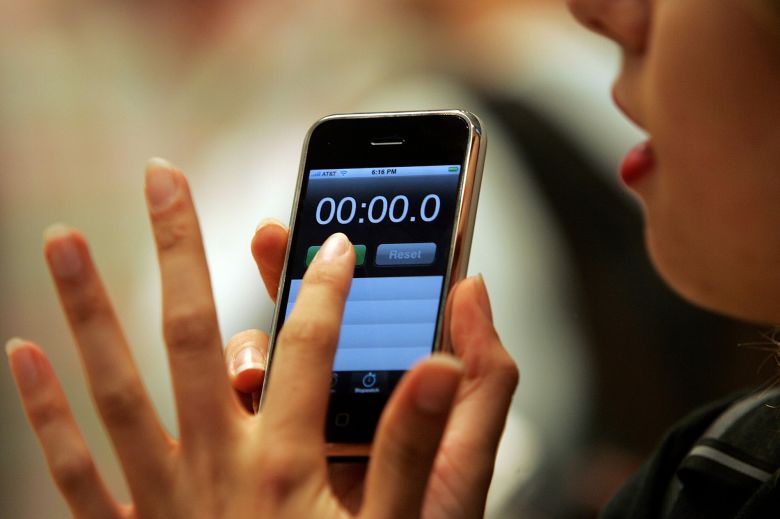
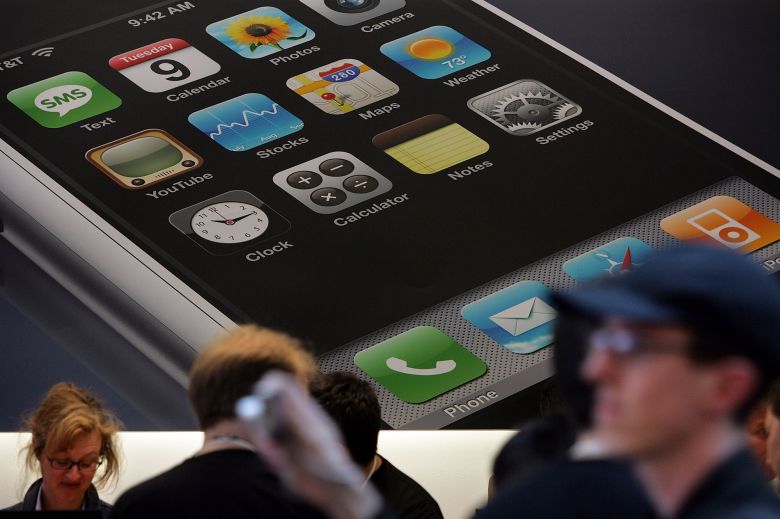
The first iteration looked like an iPod that could make phone calls, according to Fadell, Caballero and Andy Grignon, a former Apple senior manager who worked on the first iPhone. It even had the iPod’s click wheel.
“So we tried to make iPod plus phones, and those were failures,” said Fadell. “Because the click wheel wouldn’t allow us to text, wouldn’t allow us to dial a phone number.”
But hardware was just one side of the story.
“Every app had to be rewritten from scratch,” said Grignon. “You had now introduced a new way to interact with these apps with your fingers. Nothing was stable from the ground up, and so when it crashed, you’re like, ‘What, how?’”
The iPod’s success kickstarted Apple’s shift into portable consumer electronics in the early 2000s. Before the iPod, much of the company’s product lineup consisted of laptops and desktops.
That transition required Apple to essentially start from scratch, working with new suppliers and manufacturers while building new teams. The company simply didn’t have the technology to build a device like the iPod, recalls Fadell.
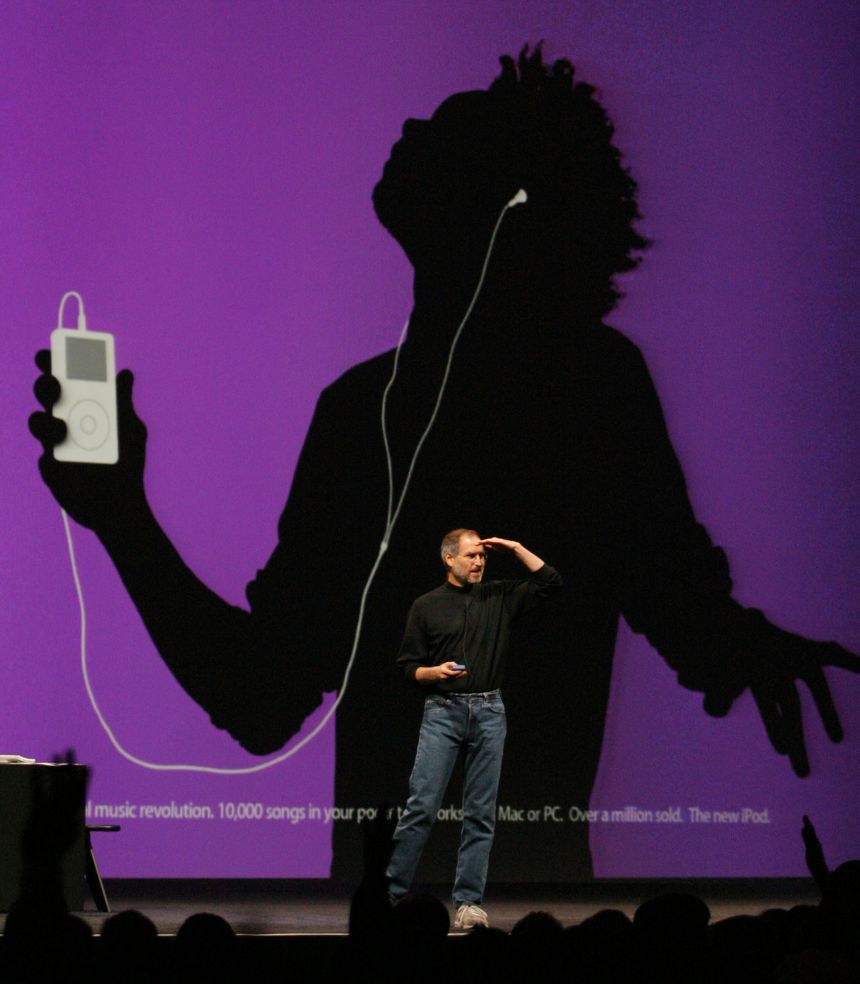
The iPod’s success taught Apple a thing or two about staying ahead of the competition – a vital lesson in the highly competitive smartphone race ahead.
Fadell said he pushed for a new iPod launch in time for Christmas every year , which helped set the tone for the iPhone’s launch cycle.
The former senior member of Apple’s engineering team described the “relentless grind” of pushing out iPods.
The popularity of devices like the T-Mobile Sidekick and BlackBerry 5810 in the early 2000s signaled that consumers wanted their phones to do more than make calls, text and snap photos. They wanted to take their online lives with them.
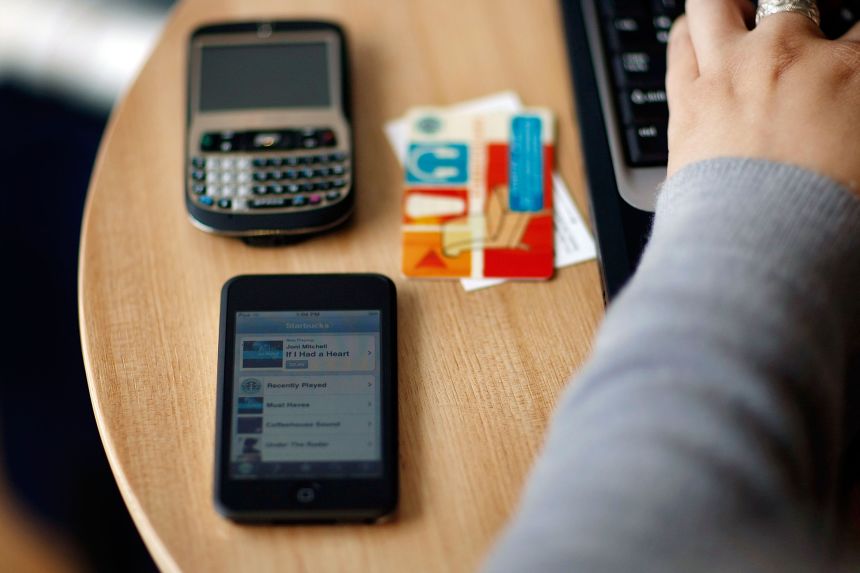
But entering the phone business was a daunting task back then, even for Apple. Nokia and Motorola ruled the market. Carriers held tight control over marketing and distribution. And at $500, the first iPhone was significantly more expensive than your average phone.
“If you talk to pretty much anybody, you’ll find that there’s a common theme of: ‘Did you know the phone was going to be as big of a deal as it is?’ And the answer is none of us did,” said Grignon, who said the phone was expected to be a “higher-tier luxury product.”
The former senior engineering manager described those within Apple as being “pretty surprised” by the market’s reaction to the first model.
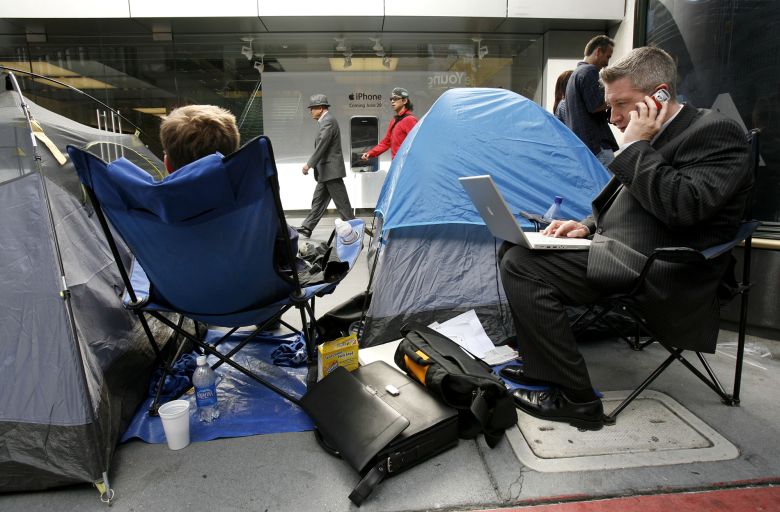
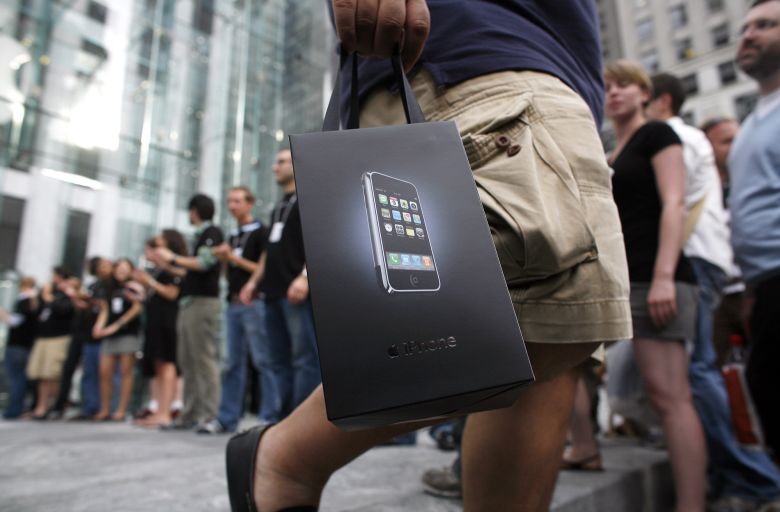
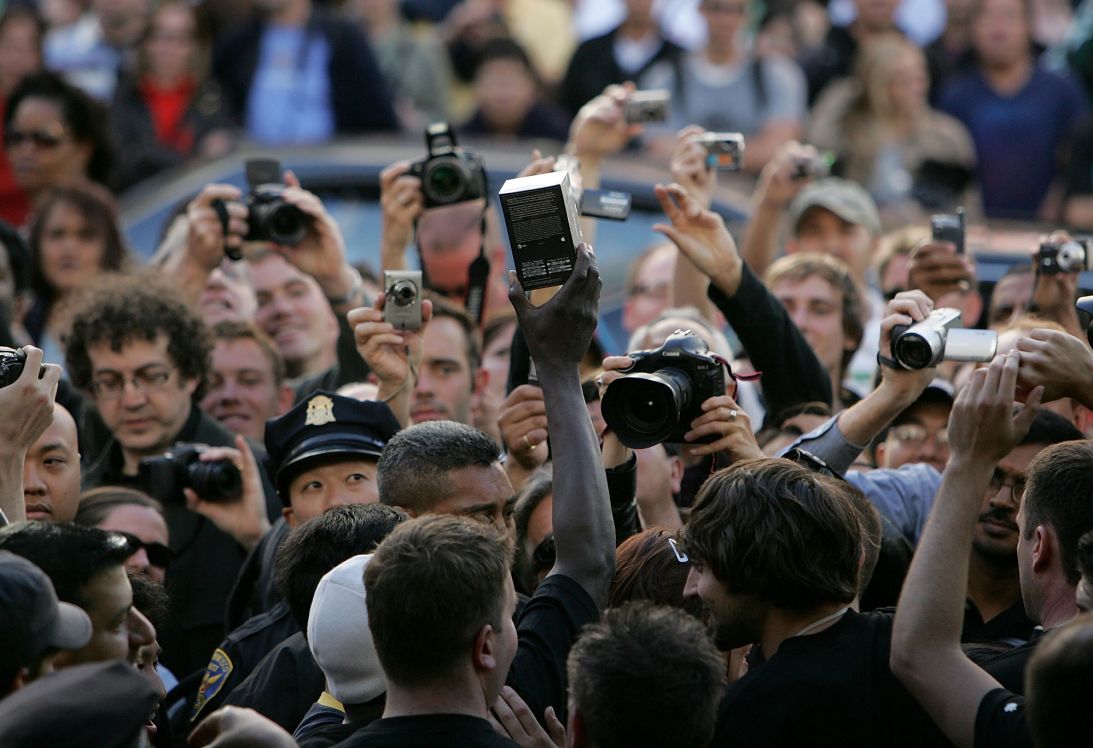
Today, the iPhone is among the world’s most popular smartphones, and there are more than 2.5 billion Apple devices in use globally. It’s fundamentally reshaped culture, as CNN’s Bill Weir explores in “50 Years of Apple,” a special report for The Whole Story with Anderson Cooper premiering on April 4.
Even Grignon is surprised at how ubiquitous the iPhone has become.
“My son, right now he’s about to graduate high school, and he cannot get through his morning routine without his phone,” he said.
That success has spawned an entire ecosystem of products like the Apple Watch and AirPods, all hinging on the iPhone’s popularity. It’s the device that will likely define Apple’s legacy in the long term, says Caballero.
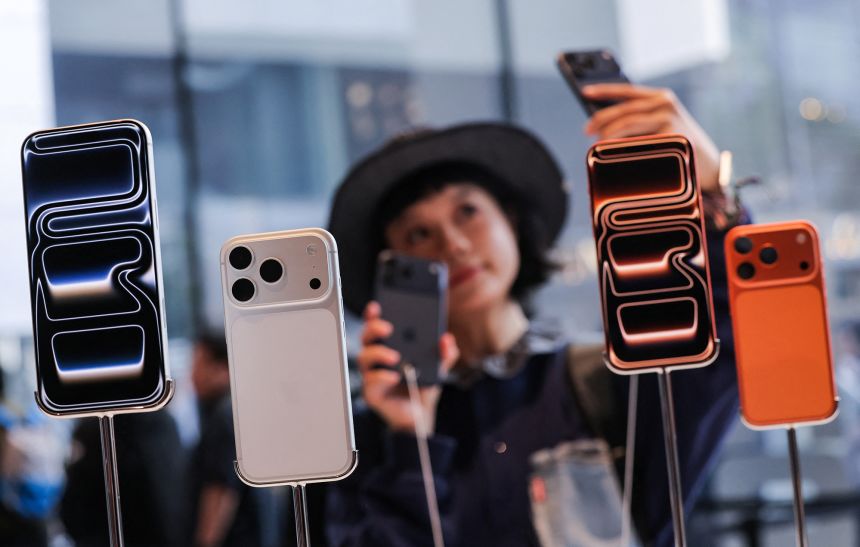
“It’s that moment in history that people remember,” he said.
The fact that the iPhone hasn’t substantially changed over its nearly 20-year existence is proof of its success, says Fadell.
But he also believes the industry is in another “existential moment” because of AI, and Apple’s future could depend on how it adapts. Apple has been perceived to be behind companies like Google and OpenAI – which it’s struck partnerships with – in AI.
“Apple has to think differently than it did (over the last) 10 to 15 years,” Fadell said. “It has to think about revolutionizing again.”