
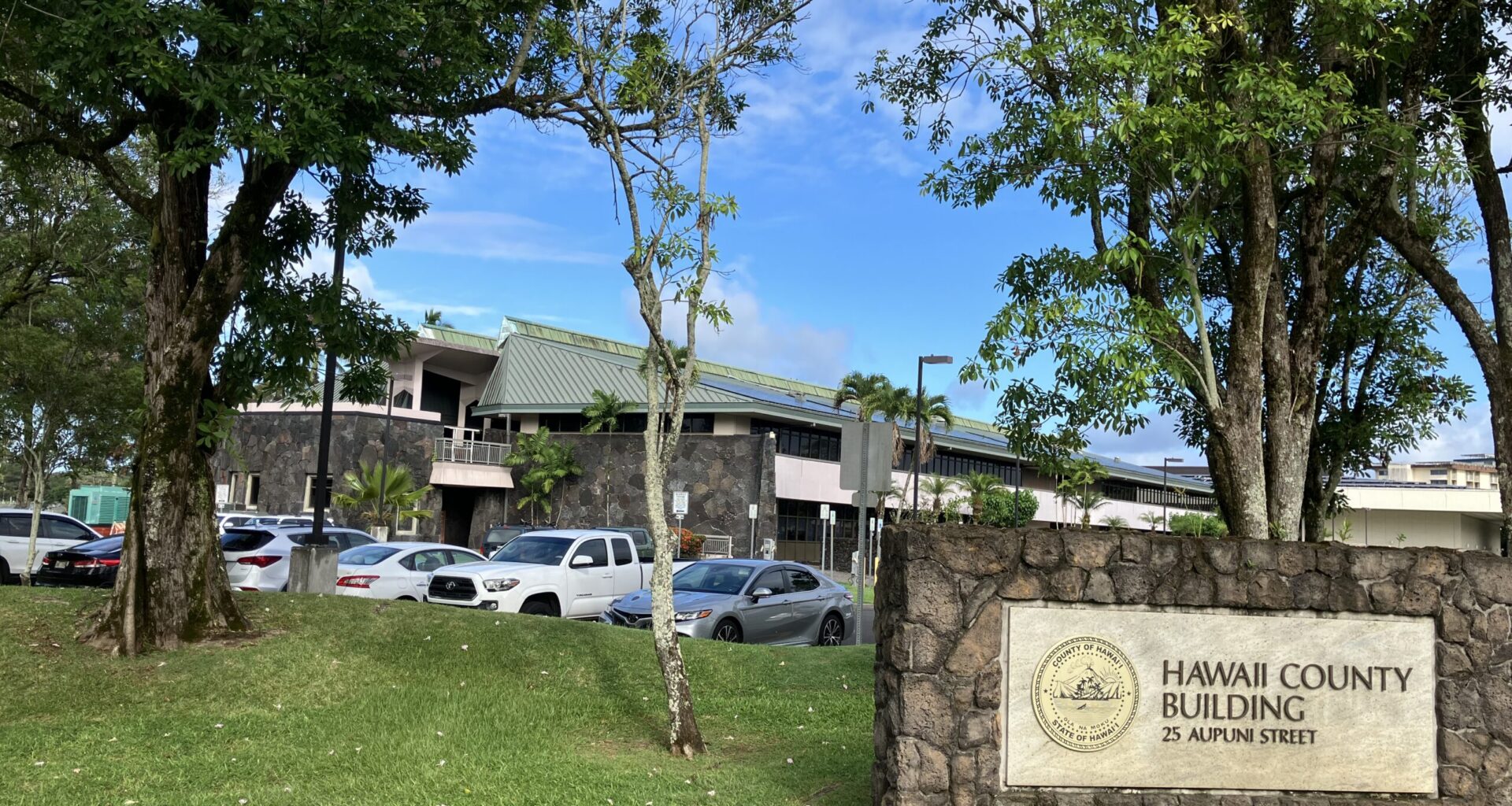
The Hawaiʻi County watchdog for government ethics has been on life support for years, and there’s no sign of help on the way.
The Board of Ethics has canceled at least six of its regular monthly meetings since 2024 due to a lack of quorum, including one in February. At least one member was missing from every meeting in 2025, and three of the board’s seven seats are currently empty. Four members — who are appointed by the mayor and confirmed by the County Council — must be present to hold a meeting.
Managing to meet is just part of the challenge. The volunteer board lacks a paid staff or independent executive director like some of the other counties have to help sift through all the complaints, hear potential violations and give advice to county employees on whether certain actions violate the Code of Ethics. The board also evaluates hundreds of financial disclosures from county employees, including elected officials and department heads, to ensure there aren’t conflicts of interest.
“There’s a lack of trust in the system, there’s a lack of feeling like the government is actually made to work for you, and thus a lack of participation,” Common Cause Hawaiʻi State Director Camron Hurt said.
 The Hawai‘i County Board of Ethics canceled its February meeting due to lack of a quorum. (Screenshot)
The county could find the money to fund the board, Hurt added, and is preventing it from effectively doing its job by not prioritizing more resources for it.
Over the past year, the board has given opinions on a variety of issues, many of which took months to produce. Council member Holeka Inaba, for instance, filed a petition for advice on whether the council had to report free food they receive during meetings with the Kohala Coast Resort Association as a gift. Four months later, the board found the council would be required to report it as a gift if the value exceeded $100.
The Hawai’i Police Department has sought an informal advisory opinion concerning whether a county employee’s participation in a part-time assignment in which an immediate family member is a supervisor would violate the Code of Ethics. In March, Kaycie Saiki, an administrative assistant in the mayor’s office, asked for an informal advisory opinion on whether her outside employment operating a food product business was a violation.
The board also gave opinions on concerns over conflict of interests and whether government employees could continue working outside of the count — some took a month, others several.
Current and former board members did not respond to multiple requests for comment.
Filling The Seats
The county has received four applications in the last year for the Board of Ethics. One led to a nomination. Mayor Kimo Alameda said the county is actively soliciting members, largely through social media.
It’s been a challenge not just for the ethics board, but across the county. Hawai‘i County’s two planning commissions had to cancel more than a third of their regular meetings last year after failing to have the minimum number of members present, resulting in monthslong delays for some projects.
The mayor recently nominated Robert Yagi to the Board of Ethics. If he’s confirmed by the Hawaiʻi County Council, the board will still have two empty seats. The board’s next meeting is April 10.
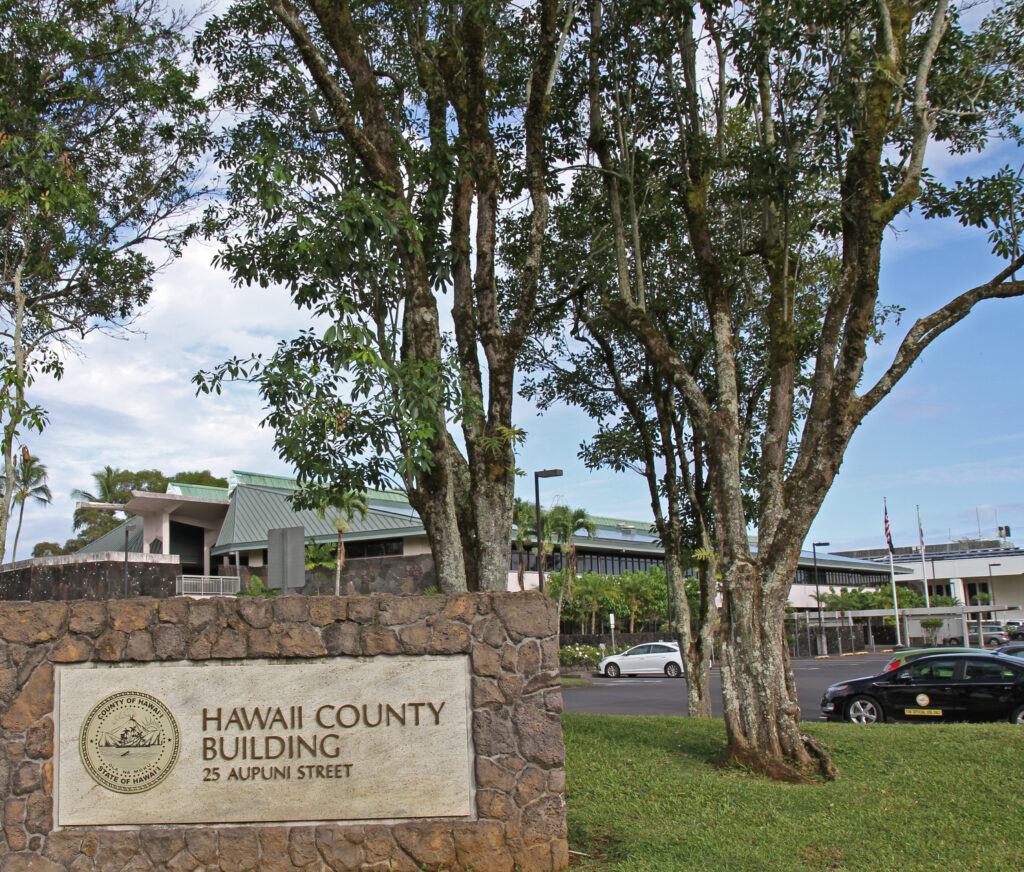 The Hawaiʻi County Board of Ethics has struggled to hold its regular monthly meetings due to lack of quorum. (Tim Wright/Civil Beat/2026)
Some residents have shared concerns the county is holding out on appointments to find someone who would be loyal to the mayor. Alameda denied those claims.
“I just appoint the individual who’s best able to do the job,” he said. “I don’t care if you’re black, white, green, purple, or if you live on the east side, or you live on Mars, it doesn’t matter to me. I’m all about just getting it done.”
Having a full and functioning board is critical, Hurt said. Without a body to ensure the county is acting ethically, he said, people at best make mistakes that they’re unaware are unethical. At worst, employees could game the system and take advantage of it for their own gain.
Even when the board is full, concerns about whether it’s effective in ensuring the county is following its own ethics rules persist.
Paid Staff Could Help
Paid staff would strengthen government oversight, Hurt said, but it’s a non-starter in the current administration. Alameda said the county doesn’t have the money to fund the board and doesn’t need to.
Hawaiʻi County budgeted $8,470 in 2025 for its Board of Ethics. It spent $920. For 2026 the proposed budget for the board is $9,270, or .001% of its proposed $966 million operating budget.
“I think any state, county, local jurisdiction, all the way up to the federal, that is not investing in ethics, is not truly interested in ethics,” Hurt said.
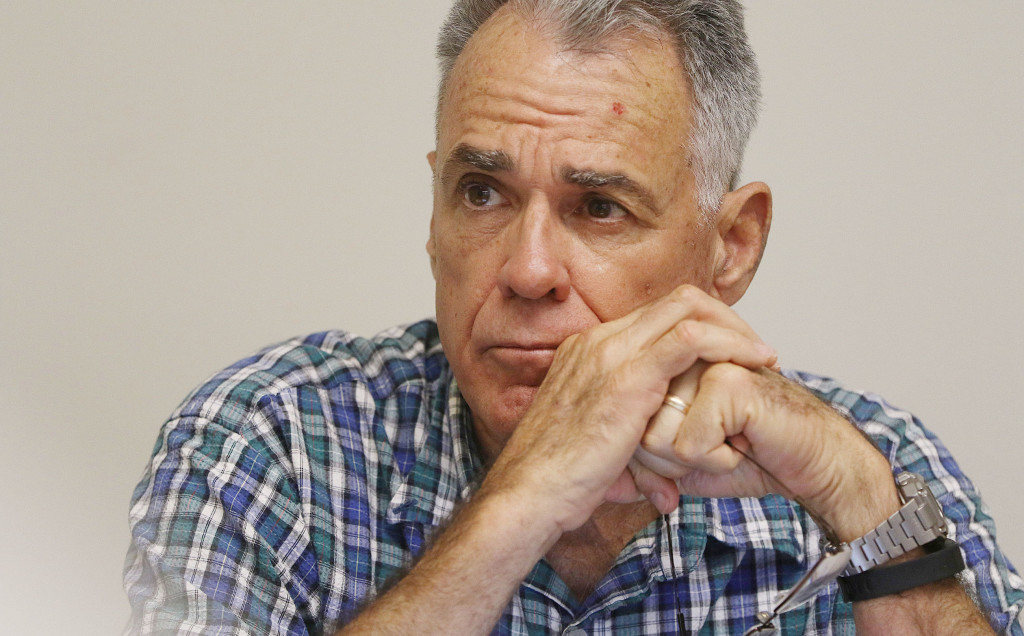 Maui Board of Ethics member Michael Lilly says the extra resources provided to the Maui Board of Ethics have been a game-changer. (Cory Lum/Civil Beat/2016)
The state has pushed for counties to beef up their ethics boards. The Legislature passed two resolutions in the last three years urging counties to fund their ethics bodies and model it after the state’s commission.
The state found that county ethics boards and commissions lacked the resources to meet their obligations and further efforts were necessary to restore trust in county governments, according to the resolutions.
In 2024, Maui County voters passed a charter amendment to get paid staff for its ethics board. Maui Ethics Board Vice Chair Michael Lilly says that move has cleared up its agenda and it’s been a night and day difference.
“We’re becoming more responsive, more relevant, more transparent and more effective than ever before,” he said. “And it frees up the ethics board to think more strategically, at a higher level, to look to the future.”
The Hawaiʻi County Board of Ethics has been trying since 2024 to revise its rules of practice and procedure. It created a permitted interaction group in November 2024 but it dissolved in October 2025 after two members resigned and the group no longer had a quorum to continue meeting. The board is now considering whether to form a new group or try another route.
Before they had full-time staff, Maui’s board spent much of its time going through county employee financial disclosures and giving advice to county employees, Lilly said. Now, the paid staff does that work for them.
The advice the director, Lauren Akitake, now gives used to be more formal. If a county employee had a question about whether their behavior violated the ethics code they’d have to file a petition and wait for the board to give an informal opinion. In Hawai‘i County that process takes months.
It used to be the same for Maui, Lilly said. But now Akitake and her staff can give informal ethics advice by email or phone. That change has also encouraged employees to ask more questions, Lilly says, and Akitake has advised more people in a year than the board did in a decade.
With more time on its agenda the Maui board can discuss new rules for lobbying, for instance. Lilly said the board is considering new nepotism and gift rules for the county and is in the process of creating an ethics training program for employees.
“In the three years that I’ve been on the board, we’ve never had a substantive discussion like that for an hour on any major issue. We just didn’t have the time,” he said.
Maui’s volunteer Board of Ethics now has three paid employees, including Akitake, and a budget for 2026 of $258,044 that includes salaries, operations and equipment. That comes out of the county’s overall budget of $1.56 billion, so roughly 0.01%.

Sign up for our FREE morning newsletter and face each day more informed.
Sign Up
Sorry. That’s an invalid e-mail.
Thanks! We’ll send you a confirmation e-mail shortly.