
New Hampshire has received an infusion of over $200 million in federal funds meant to help improve access to rural health.
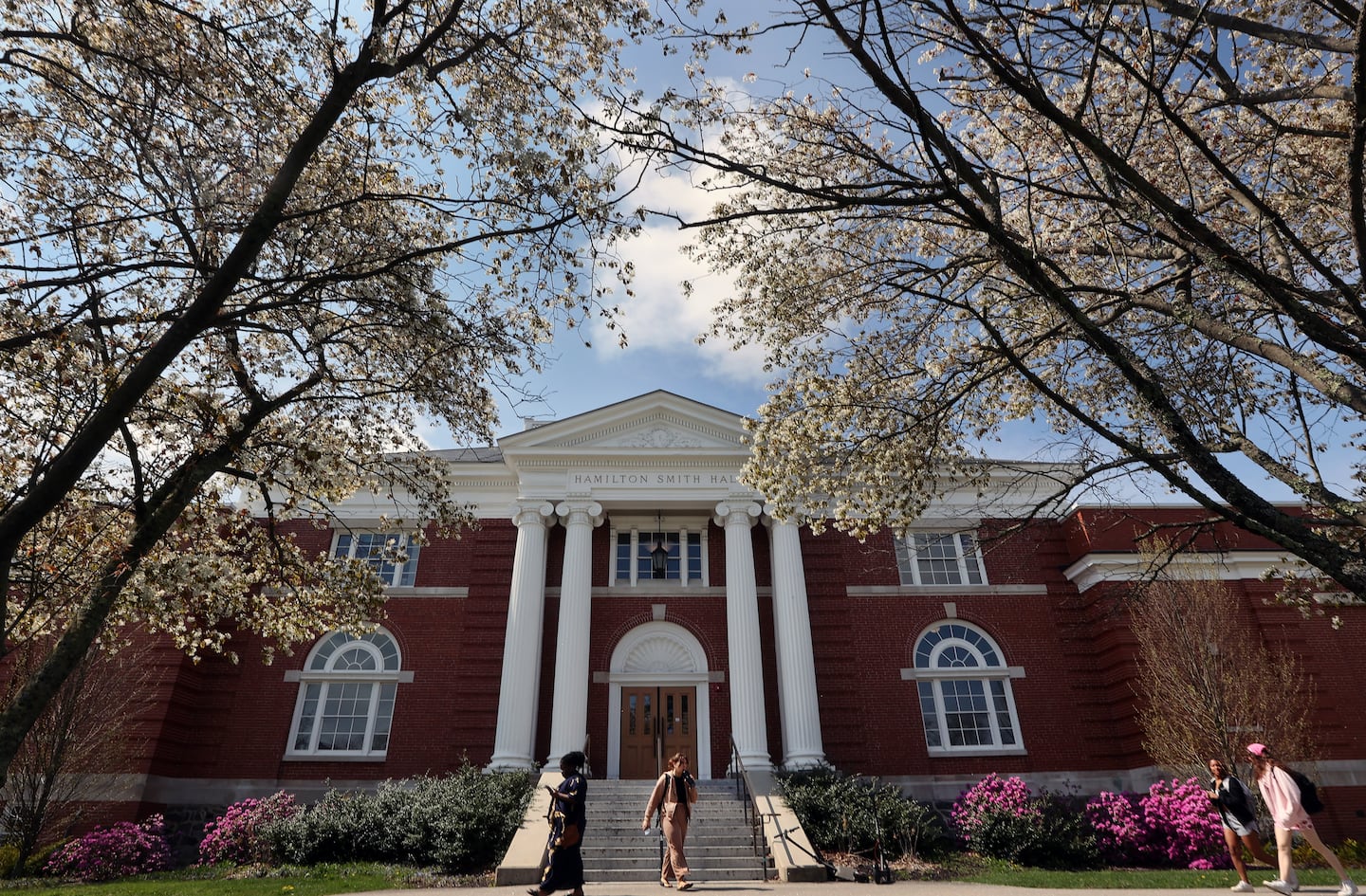
In March, the state approved a plan for spending some of those federal funds, including $15.7 million for the University of New Hampshire, the state’s flagship public university. The funding is aimed at expanding access to health care training, clinical apprenticeships, career and technical education, and more.
So what changes will the funding bring?
Kirsten Corazzini is dean of the College of Health and Human Services and a professor of nursing at UNH. She’s also the project lead for the university system’s Rural Health Transformation Program grant.
A major health care issue facing New Hampshire is workforce shortages. Part of the university’s role is working with other public and private higher education institutions to train more students to enter the workforce.
Get N.H. Morning Report
A weekday newsletter delivering the N.H. news you need to know right to your inbox.
Corazzini said that means they need to address roadblocks in clinical learning that have prevented more people from graduating into needed health care roles. Students need hands-on experience, but there are caps on how many placements are available in nursing homes or hospitals, for example.
“If you talk to educators about what are some of the most critical bottlenecks in addressing the nursing shortage, they will say, ‘Well, we just don’t have the clinical placements,’” Corazzini said.
One solution enabled by the new grant money is called “clinical simulation,” Corazzini said. The idea is to provide students with similar learning opportunities outside of a live clinical setting.
Corazzini said this could take many forms, like having students work with standardized actors trained to play the role of patients, utilizing virtual reality headsets, or simulating clinical settings with high-tech robotic mannequins.
“In all cases, you’re using that technology to simulate that clinical space and learning,” she said, pointing to studies that have shown clinical simulation can be an effective substitute to traditional clinical placements.
It can also guarantee all students graduate with experience in uncommon but high-risk situations they might not have seen in a clinical placement.
“This is an opportunity to bring our communities access to cutting edge clinical learning and help our young people see and envision for themselves really spectacular futures right here in their communities,” Corazzini said.
This story appears in Globe NH | Morning Report, a free email newsletter focused on New Hampshire, including great coverage from the Boston Globe and links to interesting articles elsewhere. Sign up here.
Amanda Gokee can be reached at amanda.gokee@globe.com. Follow her @amanda_gokee.