
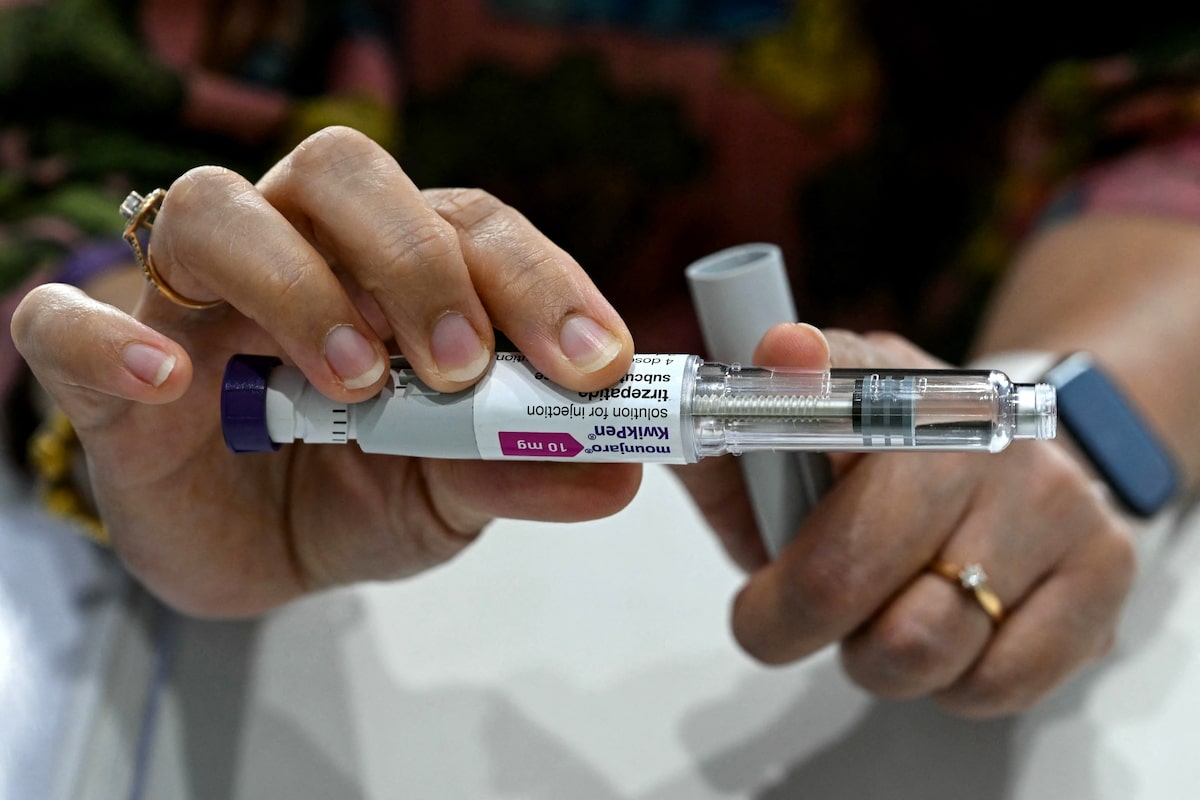
Obesity doctor and consultant Swati Pradhan explains the Mounjaro GLP-1 self-injectable device at her clinic in Mumbai. A deluge of weight-loss drugs is set to transform the global fight against obesity as India prepares to unleash low-cost generic versions.INDRANIL MUKHERJEE/AFP/Getty Images
The wave of generic, locally made GLP-1 drugs that has flooded India within days of the patent lapse on Novo Nordisk’s Ozempic and Wegovy has sparked a price war and left regulators scrambling to contain misuse of the diabetes and weight-loss medications.
Industry estimates suggest that more than 50 low-cost versions are set to be rolled out in the coming weeks. Several are already available in retail pharmacies at prices 60 per cent to 90 per cent lower than those of international brands, prompting Novo Nordisk to cut prices of Ozempic and Wegovy in India by 36 per cent to 48 per cent this week.
But the sudden availability of so many cheap generics has raised concerns about malpractice and misuse of the drugs.
Generic Ozempic makes debut in India – ahead of Canada, where it became legal months ago
Manufacturers have been barred from direct-to-consumer advertising, including surrogate and influencer-led promotion, although anti-obesity media campaigns have surfaced.
The Drugs Controller General of India, along with state controllers, has stepped up surveillance of the unauthorized sale and promotion of GLP-1 drugs through retail pharmacies, online platforms, wholesalers and wellness clinics, warning that non-compliance will result in the cancellation of licences, fines and legal action.
GLP-1 drugs in India can only be prescribed by endocrinologists, internal medicine specialists and cardiologists and cannot be purchased over the counter, a government advisory released last week said.
In Canada, patents expired in January for Ozempic and Wegovy, making generic medications legal, however, Health Canada has yet to approve any generic versions.
During visits to multiple pharmacies in New Delhi this week, The Globe and Mail found that retailers were willing to sell generic versions of the drugs without a prescription, some even with a 15 per cent discount.
Doctors are cautioning against such gaps in enforcement.
“Wider availability of GLP-1 drugs at a lower cost raises the risk of misuse. It becomes even more important for practitioners to be careful about who should and should not be prescribed these medications,” said Naval Vikram, a diabetologist and professor in the department of medicine of the All India Institute of Medical Sciences in New Delhi.
“The cost has come down significantly, from around 8,000 rupees [$120] a month to 2,000 rupees [$30] or lesser. With these barriers lowered, the drugs are now accessible to a much larger group of patients, including those from lower-income groups.
“From about 20 a month in my clinic, I expect the number of patients using these medicines to double,” Dr. Vikram said.
Even as weight-loss drugs gain popularity worldwide, India’s burden of disease − it has one of the highest rates of diabetes in the world − and capacity for low-cost drug manufacturing, especially generics, puts it in a unique position.
An advertisement for pharmaceutical company Eli Lilly in Gurugram, India.BHAWIKA CHHABRA/Reuters
A country still grappling with undernutrition is now experiencing a sharp rise in obesity alongside economic growth, owing to carb-heavy diets, a shift toward processed foods, sedentary lifestyles and environmental factors. According to the National Family Health Survey, 24 per cent of Indian women and 23 per cent of Indian men are overweight or obese − more than 180 million people.
Where does the rise of GLP-1s leave the body positivity movement?
The anti-obesity market in India is currently valued at US$165-million and is expected to reach US$880-million by 2030, according to research from Pharmarack, a health tech and insights network of leading pharmaceutical companies.
It’s too early to compare the efficacy of newer generics with international brands, but if prescribed correctly under specialist care, these drugs could significantly reduce India’s overall disease burden, doctors said.
Weight-loss drugs have been a niche market, driven by cosmetic considerations.
“Most of my patients have diabetes or obesity, and in these groups, many are likely to benefit. However, there is also a growing tendency for people to use these drugs for cosmetic purposes − for instance, someone wanting to lose weight quickly before a wedding. That should be discouraged. It’s important to emphasize that while these drugs are effective for weight loss, lifestyle changes such as diet and exercise remain the cornerstone of treatment in our setting,” Dr. Vikram said.
There are growing fears that younger Indians may be particularly vulnerable to using these drugs for aesthetic purposes and as a quick fix. Regulation of these drugs, therefore, remains critical, said Anilkumar J. Nayak, president of the Indian Medical Association.
The health care body is stepping up pressure on the government for tighter checks.
“These medicines are important and can improve health … but there have been been reports about rampant misuse over the last year by cosmetologists, physiotherapists, dermatologists, general clinicians and even Ayurveda and other non-modern medicine practitioners. For the general public, one important point is that these are not ‘miracle injections,’ ” Dr. Nayak said.
“It is a duty of the government to curb indiscriminate use and safeguard patient safety.”