
Prescriptions for propranolol have surged over the past decade, sparking fears the ‘quick-fix’ drug is burying deeper mental health issues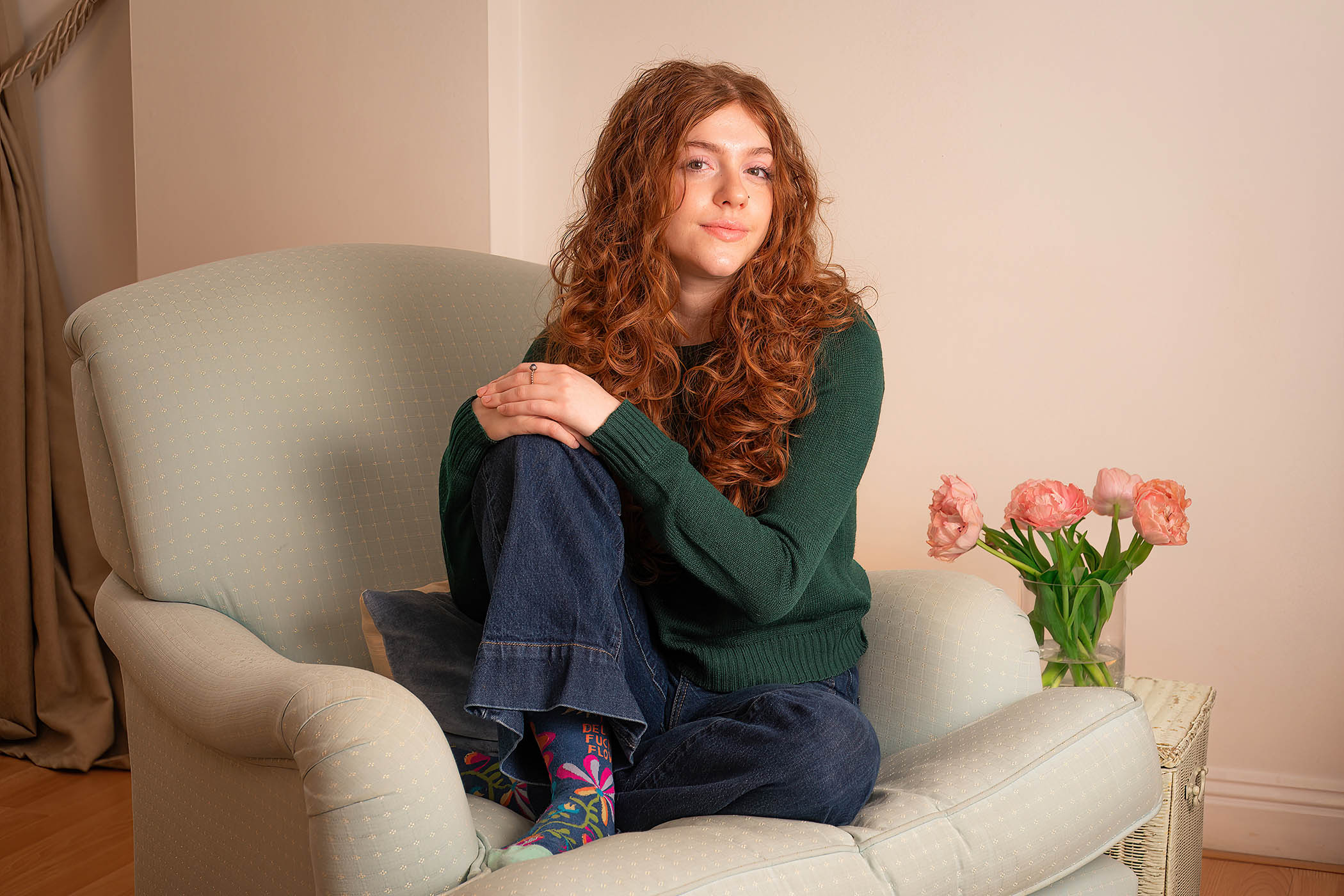
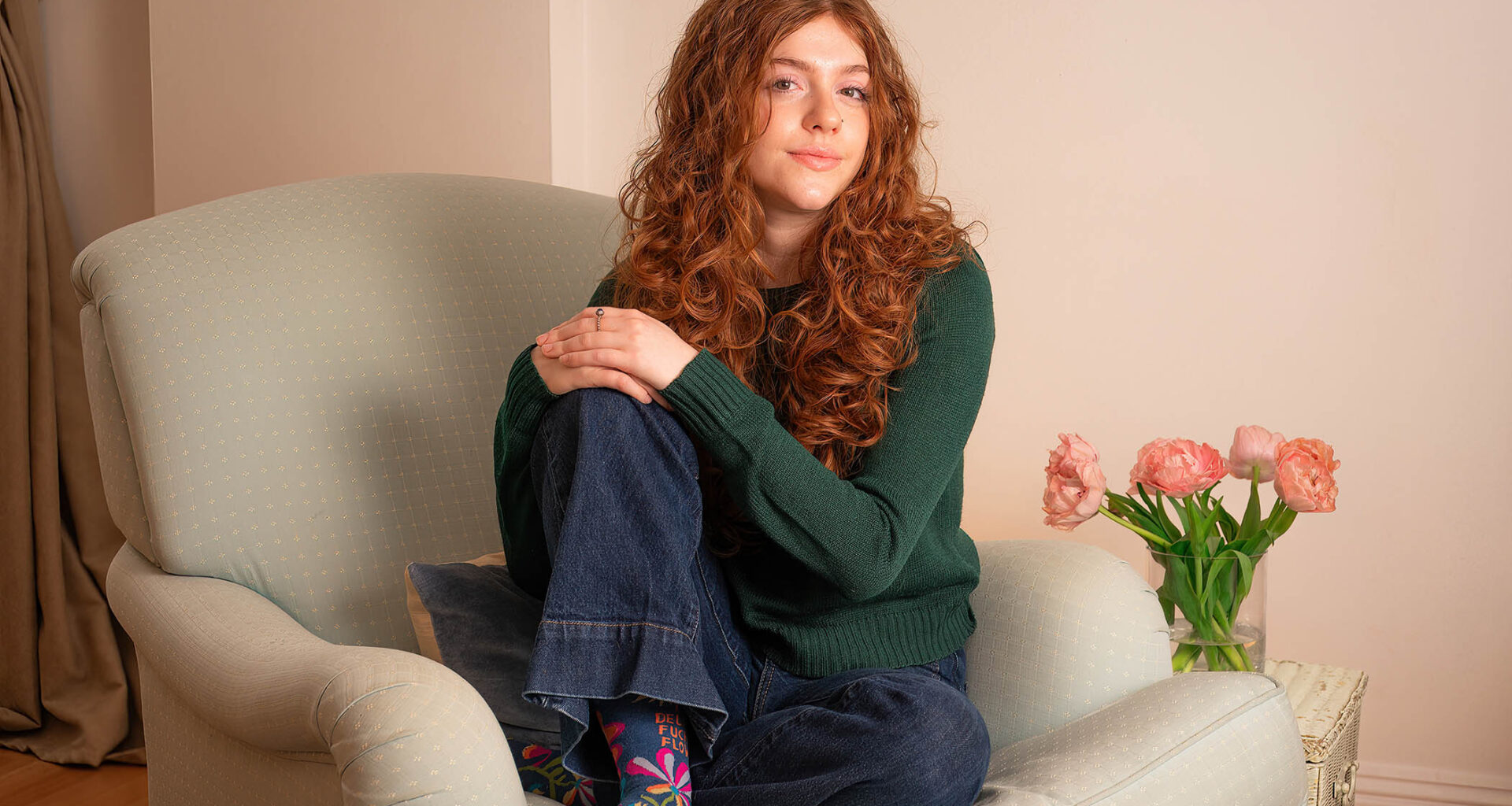
Victoria Taylor started taking beta blockers after being diagnosed with depression aged 13

Marine Saint
Hannah SchullerData Reporter and Researcher
Share
Charlotte Purvis was panicking in her hotel room. It was the morning of a family wedding, and familiar anxiety had begun to wash over the 18-year-old. The thought of a crowded event made her heart race – her hands went clammy and she felt as if she were going to be sick. But Purvis had a solution: a small pink pill. A common beta blocker called propranolol.
“I was freaking out,” she remembers now. “I was convinced I needed it to get me through the day.” Five years on, Purvis takes the pill three times a day. It has eased her nerves before big events – exams, job interviews, public speaking – and made life feel possible on days when even going into school or university felt daunting.
Purvis is far from alone. According to NHS England data obtained by The Observer through a freedom of information request, propranolol prescriptions have increased by 37.6% over the past decade. The biggest increase is in prescriptions for girls and teenagers between 12 and 17 years old, which have risen by 92.3% – up from 618,813 prescriptions in 2015 to more than 1.1m in 2025. The second highest increase in use – at 81.7% – is among women aged 18 to 23. But doctors have warned the safety of the drug has been overestimated and that there is a risk that patients deal with the symptoms, rather than the root causes, of their anxiety. Some young women, such as Purvis, are concerned they have become reliant on the drug. “It’s almost addictive because you’re not feeling the symptoms,” she says. “Taking that away is a relief.”
Traditionally used for older patients with heart conditions, propranolol has been administered off-label to reduce physical responses to anxiety – high heart rate, sweating, trembling, nausea – since the 1960s. But its reputation as a quick fix has rocketed in recent years. The US media personality Khloé Kardashian says she takes it to deal with paparazzi. Prue Leith, the former host of the Great British Bake Off, says she uses it to combat stage fright. “Take that beta blocker, girl,” quipped the actor Rachel Sennott during an interview at last year’s Oscars.
It can take effect within an hour, and is an easily accessible alternative to NHS mental healthcare, for which waiting lists are long, because it can be prescribed by a GP. It also can feel less intimidating and lower-risk than common antidepressants, such as sertraline or citalopram, which – while recommended by doctors as a preferable option for the long-term treatment of anxiety – act by altering brain neurochemistry and can take weeks to work.
The increasing popularity of beta blockers among young women and girls points to a generation that has grown up with the pressures of social media and an epidemic of gender-based violence, as well as the isolating effects of Covid.
An NHS survey reported that by 2024, one in four young people had symptoms consistent with a probable mental health condition, and up to 20% – a record high – were referred to NHS mental health services. The proportion of these conditions was higher in women than men in all age ranges, and studies show women are more likely to medicate than men. The FoI data also shows that in the past decade more women than men have been prescribed propranolol.
The ‘magic pill’ reduced my panic attacks to one a month. But when I first took it, I stood up and passed outThe ‘magic pill’ reduced my panic attacks to one a month. But when I first took it, I stood up and passed out
Victoria Taylor, who has been taking propranolol
Victoria Taylor, pictured above, who was diagnosed with depression aged 13, started taking propranolol at university when her anxiety began to spike. A friend told her to ask her doctor for beta blockers, and she started taking them the same evening.
Taylor saw the benefits of the “magic pill” almost immediately. “I was in a cycle of lurching from one panic attack to the next all day, every day, and it reduced to one a month,” she says. But she was given no guidance for how and when to use the drug, or what side-effects she might experience. When she first started taking propranolol, “I stood up and passed out”, Taylor says. It can cause dizziness because it lowers blood pressure and reduces oxygen flow to the brain. It can also cause low blood sugar, poor sleep and migraines.
Like Purvis, she now wonders whether she has become reliant on propranolol and questions the ease with which young women can be medicated. “It’s quite worrying that people can just go: ‘I’m having a panic attack all the time,’” she says. “But is it a panic attack or just a normal reaction to the world being very scary?”
NewslettersChoose the newsletters you want to receive
Clear, calm analysis on the stories driving the day’s news.
The very best of our journalism, reviews and ideas – curated each day.
Puzzles people and the stories behind them – trends, histories, insights and brain teasers all in one place.
For information about how The Observer protects your data, read our Privacy Policy
“It shouldn’t be seen as an easy fix,” says Dr Siobhan Gee, a consultant pharmacist for psychiatric liaison at South London and the Maudsley NHS Foundation Trust. “The safety of the drug is overestimated. There needs to be some form of robust and documented risk assessment of the risk of overdose.” While propranolol is helpful for managing symptoms in a crisis, she urges patients to look to antidepressants or talking therapy as a first-line treatment.
There is a “quite polarising” debate over whether propranolol is actually effective as a treatment for anxiety, says Dr Charlotte Archer, an academic at Bristol Medical School. While there is boundless anecdotal evidence that it is helpful, there remains a lack of clinical data – and National Institute for Health and Care Excellence (Nice) guidelines do not recommend it as a treatment for anxiety. At high dosages it remains a continuing area of risk for the Medicines and Healthcare products Regulatory Agency (MHRA). Prescription alerts – safety notifications issued to healthcare professionals – highlight the drug’s “potential under-recognised risk of harm”.
An alert from 2020, as well as coroners’ reports from 2023 and 2024, highlighted the risk of toxicity at overdose, but experts say these have fallen from public attention.
“It’s not a bad drug,” says Prof Kathryn Abel, director of the Centre for Women’s Mental Health at the University of Manchester. “The problem is the vast increase in presentation of young people help-seeking. We should not just medicalise [them].”
Purvis says: “I think they’re using the tablet essentially to get rid of young girls from the mental health system.” She still uses propranolol daily, albeit a smaller dose than when she was a teenager, but she has reservations about its increasing cultural visibility. “I think it sets you up for being anxious for a really long time,” she says. “It stopped me getting the help I needed earlier. What you need to do is fight [anxiety] head-on.”
Taking beta blockers led Purvis to delay starting therapy and seeking out the root cause of her mental health problems, she says – and she fears other young women might be replicating the cycle.
When prescribed by a GP at regulated doses, beta blockers have an important role to play in alleviating anxiety symptoms, says Abel. However, she adds, “we should be careful about medicalising young people, and about prescribing any drugs long term from adolescence as we lack adequate safety information in this population”.
The risk is that this quick fix becomes a sticking plaster for young people and the NHS alike, both of which are grappling with rising mental health diagnoses without long-term solutions.
Photograph by Sonja Horsman