
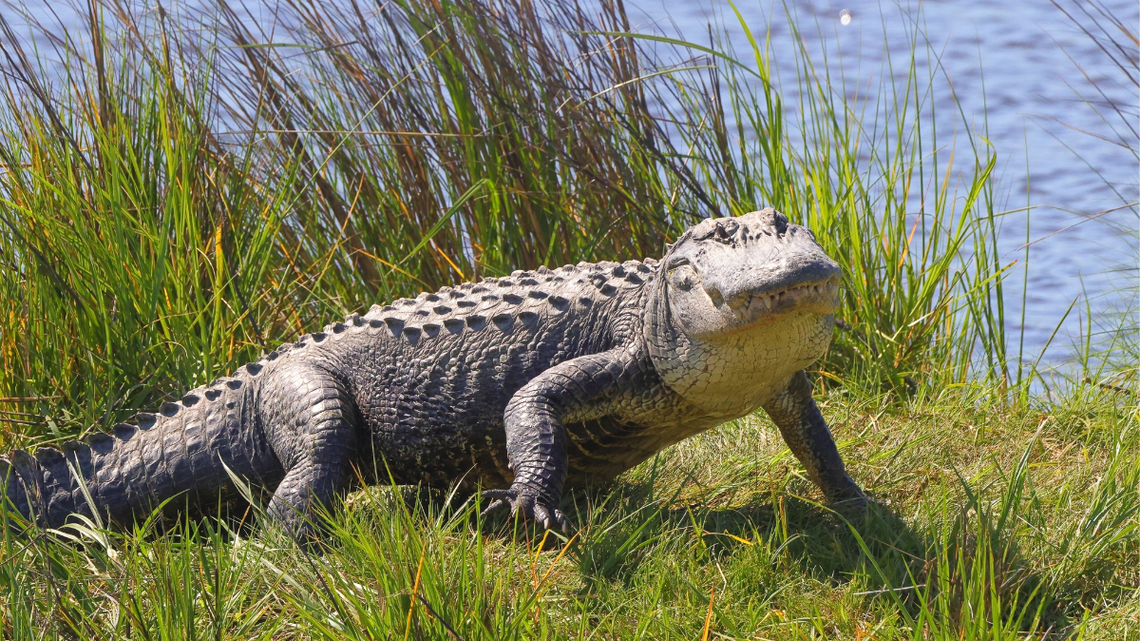
Coming across an alligator in the Lowcountry isn’t a daily occurrence for most people, but it can and does happen.
And while these toothy, prehistoric creatures are just a part of life in the area, it can still be difficult to determine what you should do to stay safe in this situation.
No matter if you’re on the golf course, enjoying your backyard scenery or taking a neighborhood stroll, these reptiles can be found just about anywhere throughout the Lowcountry — such as in Sun City during this attack last year.
Here are some safety tips and tricks to keep in mind as alligators make their way out and about.
Why are more alligators out now?
According to the SCDNR, April is the official start of mating season for alligators, which means both adults and juveniles will be seen moving around.
Alligators reach sexual maturity when they are between 6 and 8 feet long. They begin courting in early April and breed in late May through early June.
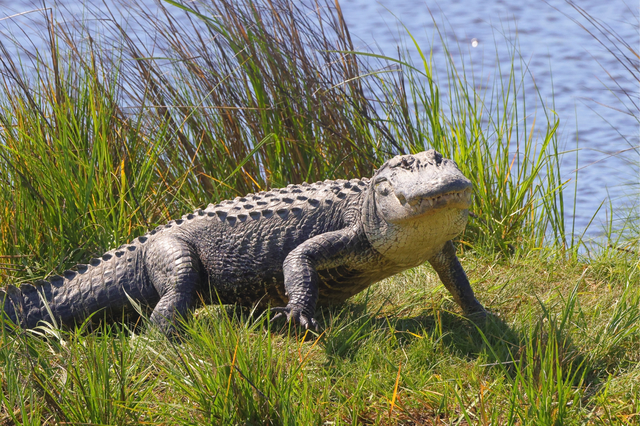 An image of an alligator. Image via Shutterstock / Wirestock Creators What is a safe distance?
The SCDNR says that a safe distance from alligators is often situational, but a good rule of thumb is to stay at least 10 feet away from any edge of water during the spring, whether you see an alligator or not.
“Always pay attention to your surroundings; alligators are very still and can easily blend in with nature,” said Shannon Matzke, marine educator and public program coordinator for the University of Georgia Marine Extension and Georgia Sea Grant.
If you do see an alligator, make sure to stay alert and do not to approach it.
What should I do if an alligator approaches me?
Alligators are most dangerous in the water or at the shallow edges.
While they do make travels over land, it is typically only in search of a new habitat, mates or prey.
If an alligator begins to move toward you on land, here are some tips from the University of Georgia Marine Extension and Georgia Sea Grant, which studies alligators in the Southeast coastal and swamp areas:
Don’t provoke it and remain calmBack away slowlyFind higher groundMake loud noisesWhat if I’m alone?
If you are alone and encounter an alligator coming toward you, continue to back away slowly and make loud noises to scare it off.
Alligators are usually not aggressive toward humans, according to the SCDNR. While unprovoked attacks by alligators are rare, unusual behavior does occur.
The SCDNR reports that most alligator attacks are non-fatal, although one-third of incidents involved repeated bites, major injury or death, with serious and repeated attacks normally made by alligators greater than 8 feet long.
What to do if you’re attacked or witness an attack
Alligators clamp down with powerful jaws, then twist and roll. If an alligator bites your arm, the SCDNR recommends trying to grab the alligator and roll with it to reduce tearing of the arm.
Strike the nose of the alligator hard and often, and try to gouge the eyes. If at all possible, do not allow the alligator to pull you into the water.
If you are a bystander, aim to strike the alligator in the recommended areas if possible, call 9-1-1 and contact the SCDNR to report a nuisance alligator. The phone number to contact for nuisance alligators in Beaufort County is: (803) 625-3569.
How do alligators hunt?
The SCDNR says that alligators do not hunt on land. They are ambush predators and use camouflage to stay hidden or submerged in the water to quietly approach prey.
When an alligator is on land, they are generally basking in the sun to warm their body temperature. When on land, they feel exposed and at risk and may be more likely to act defensively if approached, according to the SCDNR.
Do alligators chase humans?
“Humans are not typically prey for alligators,” Matzke said. “We’re kind of an intimidating creature; we’ve got legs and arms that they don’t want to mess with.”
According to the SCDNR, alligators also do not chase people. Since alligators feel more vulnerable on land, the two most likely scenarios for an alligator moving toward you are: you are either between the alligator and the water (where it feels safest) or you are too close and the alligator is trying to scare you away.
To scare away humans, alligators will open their mouths, hiss and move forward about a foot or two if they feel particularly threatened. In this case, follow the same safety tips of moving away from the alligator and the water.
Other safety tips
Do not feed alligators; it is illegal and encourages alligators to overcome their natural shyness of humans, resulting in more possible injuries.
Don’t throw fish scraps into the water or feed other wildlife in areas where alligators live.Don’t allow small children or pets to play by themselves in or around water.Keep all pets on leashes and near you if you are near water areas.Avoid bodies of water during mating season and swim only during daylight hours in designated swimming areas.Why alligators are important to the environment
Alligators are an important part of South Carolina’s natural history, as well as an integral component of many wetland ecosystems.
“There are species of alligators today that are some of the last relatives of dinosaurs,” said Matzke. “They help to control populations of other animals and protect important wildlife throughout the coastal ecosystem, so while they might look scary, it’s important to have them around.”
This story was originally published April 9, 2026 at 6:00 AM.

The Island Packet
Anna Claire Miller is a former journalist for the Island Packet