
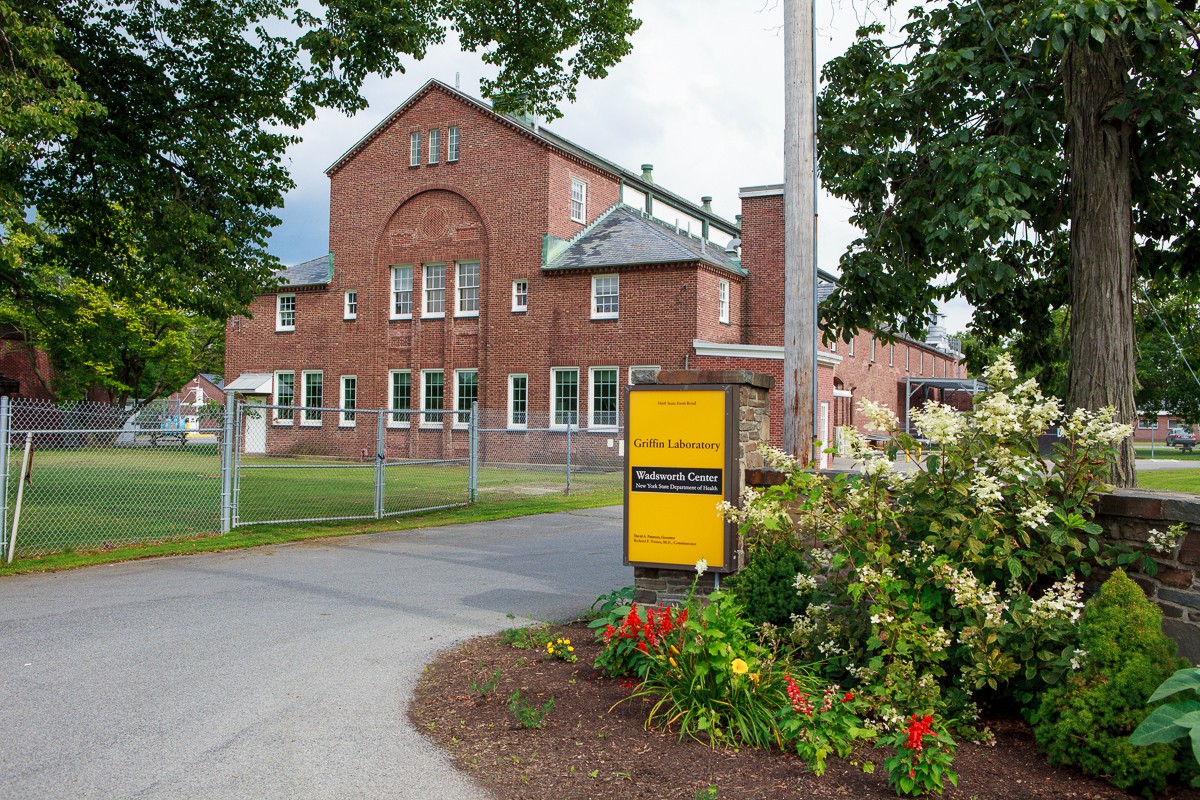
ALBANY — Officials with the state Department of Health’s Wadsworth Center say they can step in to help other states after the Centers for Disease Control and Prevention suddenly paused some specialized laboratory testing services, including for rabies and other infectious diseases.
The Trump administration has proposed significant reductions to the CDC’s budget in its latest request to Congress, and has also sought to rescind or reallocate public health funding that Congress previously approved, including $600 million for prevention programs for HIV and other sexually transmitted diseases.
The New York Times reported last week that the CDC pause affects select laboratory testing capacity, including for rabies and mpox (formerly known as monkeypox). Dozens of specialized tests have been paused or are under review, according to information cited in that report, though some may resume. The CDC provides testing for certain pathogens to assist state and local public health laboratories that cannot conduct them.
The CDC website lists 31 tests under the heading “Currently Unavailable Test Orders” that are “offline,” and have been paused or discontinued as of April 6.
Leonard Peruski, director of the Wadsworth Center in Albany, told the Times Union that the lab, with the support of Gov. Kathy Hochul and state Health Department Commissioner Dr. James McDonald, “has stepped in to assist with laboratory testing for a range of viruses including influenza, pox and rabies.”
He added: “New York state continues to be at the forefront of disease surveillance and testing which is vital to effectively respond to public health threats.”
The CDC didn’t immediately respond to a request for comment when contacted by the Times Union, but a spokesman for Health and Human Services, the federal agency that oversees the CDC, told the New York Times that some of the testing it previously performed could resume “in the coming weeks.”
Public health experts say interruptions in testing can be concerning because laboratory surveillance is a key component of early detection and outbreak response, even for rare diseases like rabies in humans and mpox.
Kyle Casteel, a spokesperson for the Vermont Department of Health, said Vermont does test for rabies in animals, but not humans.
“I am told that only New York and California public health labs otherwise do human testing,” Casteel said. “If we needed to test human samples — which is extremely rare — we would send them to Wadsworth.”