
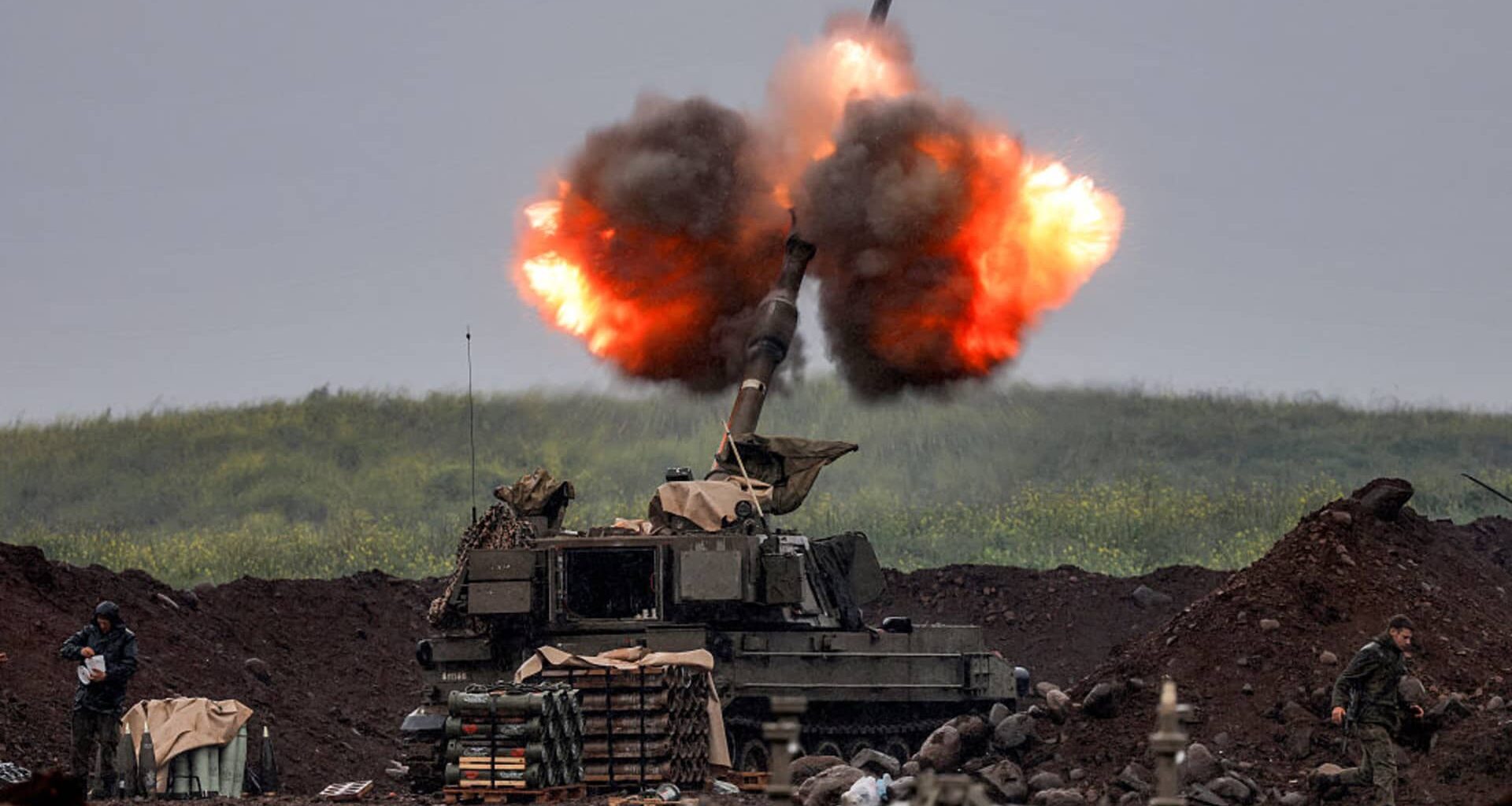
An Israeli self-propelled howitzer artillery gun fires rounds towards southern Lebanon from a position in the upper Galilee in northern Israel near the border on March 20, 2026.
Jalaa Marey | Afp | Getty Images
U.S. President Donald Trump on Wednesday announced that talks between Israel and Lebanon will begin Thursday, offering few details on the planned negotiations.
In a Truth Social post published just before midnight, Trump said he was “trying to get a little breathing room between Israel and Lebanon.”
“It has been a long time since the two leaders have spoken, like 34 years,” he added. Trump did not specify who would attend or where the talks would take place.
The announcement followed a trilateral meeting between U.S., Israeli and Lebanese officials on Tuesday, the first major high-level engagement between Israel and Lebanon since 1993. The three sides agreed to hold “productive discussions on steps toward launching direct negotiations between Israel and Lebanon.”
During the meeting, the U.S. called for talks to go beyond a 2024 agreement and work toward a comprehensive peace deal, adding that any agreement to cease hostilities must be reached between the two governments, brokered by the U.S., and not through separate channels.
In November 2024, Israel and Lebanese militant group Hezbollah agreed to a ceasefire after a yearlong conflict between the Jewish state and the Iranian proxy. That conflict was triggered after the Palestinian militant group Hamas launched a terror attack on Israel on Oct. 7, 2023.
The 2024 ceasefire later unraveled when Hezbollah fired into Israel in March, dragging Lebanon into the Iran War, shortly after the U.S. and Israel attacked Iran on Feb. 28, killing its Supreme Leader Ayatollah Ali Khamenei.
Read more U.S.-Iran war newsVance expects U.S. negotiations with Iran on war will be ‘positive’White House warned staff against making Iran war bets on prediction marketsTrump says Iran ‘better stop’ if it’s charging oil tankers to transit Hormuz straitHormuz strait oil traffic way down after ceasefire; Hassett says even one tanker is bigIran war has been an enormous financial windfall for Russia: former IEA oil headNATO’s Rutte told allies Trump wants Hormuz commitments within days, diplomats sayBritain to call for toll-free Strait of Hormuz, Lebanon to be part of ceasefireRep. Ritchie Torres calls for probe into trades ahead of March pause in Iran strikeTrump Iran ceasefire updates: Strait of Hormuz toll confusion remainsU.S. has violated ceasefire agreement, Iran parliamentary speaker saysTrump threatens tariffs of 50% on nations supplying weapons to IranSpanish PM says fire starters don’t deserve applause as he welcomes Iran ceasefireTrump, Iran agree to two-week ceasefire, plan to open Strait of HormuzTrump faces calls for removal over threats to wipe out ‘whole civilization’ in IranPakistan seeks 2-week pause after Trump warns ‘whole civilization will die’ if no dealU.S.-Iran war ‘tax’ begins to hit American businesses and consumersIndia makes first Iranian oil purchase in seven yearsU.S. fighter jet shot down in Iran, one crew member rescued: MS NOWDefense startups eye Iran war windfall as U.S., Gulf states turn to techTrump threatens to destroy Iranian infrastructureTrump speech paints grim picture for oil — over 600M barrels at riskArmy chief of staff fired by Hegseth, sources sayIran and Oman drafting protocol to ‘monitor’ Hormuz Strait traffic: IRNAIran demands guaranteed ceasefire to end war permanently: ReutersAnalysis: Trump’s Iran speech ignores the risks of a return to the 1970sIran’s war propaganda homes in on Trump with Lego memesTrump Iran speech: War is nearly over, vows ‘extremely hard’ hits comingTrump says Iran wants ceasefire, U.S. wants Hormuz Strait open firstMore from CNBC Politics
In the weeks since, Tel Aviv launched multiple strikes against Iranian proxy Hezbollah — which has a stronghold in southern Lebanon.
Israel has since expanded its strikes beyond southern Lebanon to the capital, Beirut, displacing more than a million people.
The Qatar News Agency, citing the Lebanese health ministry, said that the death toll in the country stood at 2,164, with 7,061 wounded as of April 15.
The parallel campaign by Israel in neighboring Lebanon — alongside its strikes in Iran — had been a sticking point in peace negotiations between Washington and Tehran.
The speaker of Iran‘s parliament warned last Friday that negotiations to end the war cannot begin unless Israel halts attacks on Lebanon and unless the U.S. releases Tehran’s frozen assets.
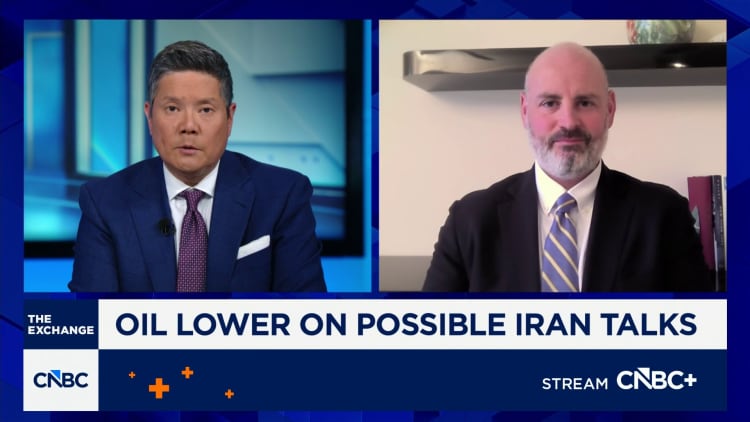
The negotiations, held in the Pakistani capital of Islamabad, ended without the two sides reaching a deal, although Trump told the New York Post that fresh U.S.-Iran talks in Islamabad “could be happening over the next two days.”
On April 7, the U.S. and Iran agreed to a two-week ceasefire, though it was unclear whether it applied to Lebanon. Israeli Prime Minister Benjamin Netanyahu later said Israel would negotiate with Lebanon “as soon as possible.”
However, key differences remain between the two sides.
Israel had said it wants Lebanon to disarm all non-state terror groups and dismantle all terror infrastructure in Lebanon, including Hezbollah. However, Beirut has called for the full implementation of the 2024 agreement, under which Israel would withdraw from Lebanon’s territory.