
The extension would cost the government between 10 billion rand ($609 million) and 12 billion rand, said Gina Schoeman, Citi’s country economist, speaking in Johannesburg on Thursday.
“We can see a staggered reduction of the fuel price levy for at least another month, if not another two,” Schoeman said, adding that the measure remains feasible given prudent spending, an expected windfall from mining revenues, and the National Treasury’s ability to draw on contingency reserves, Reuters reported.
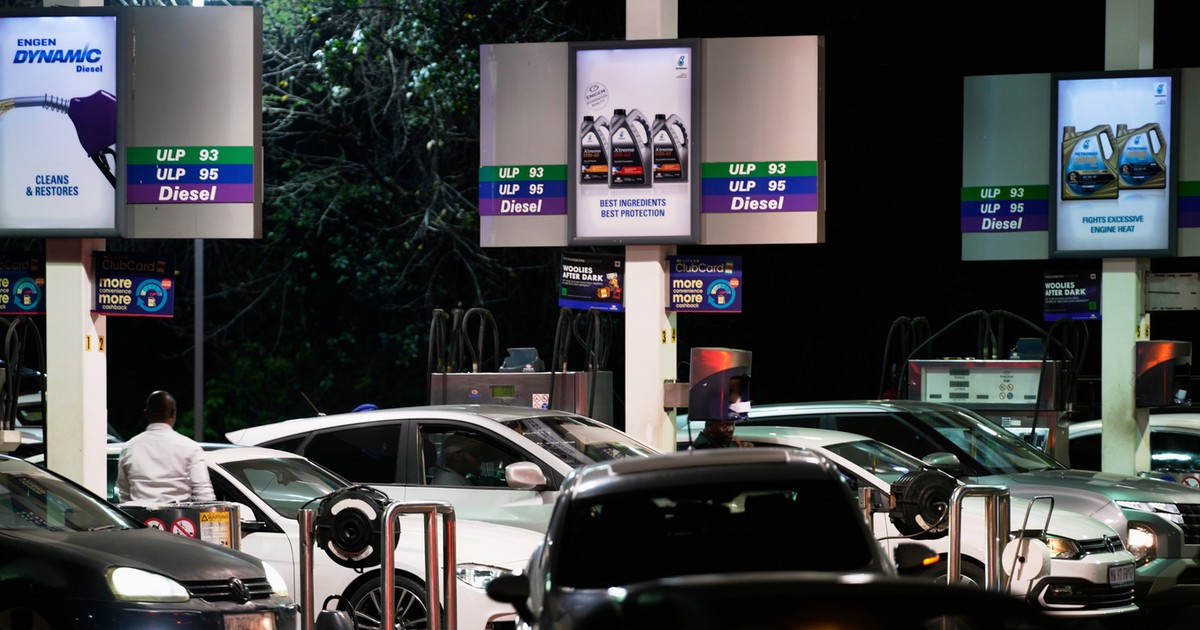
Business Insider Africa reported that Africa’s most industrialised country is grappling with mounting pressure on its fuel system, as over 140 petrol stations struggle to meet demand ahead of record price hikes in April.
South Africa’s Finance Minister Enoch Godongwana has already joined counterparts in other oil-importing African economies, including Zambia and Kenya, in rolling out relief measures after crude prices surged following disruptions linked to tensions in the Strait of Hormuz amid the US-Israel conflict with Iran.
The minister recently cut the fuel levy by 3 rand per litre for both petrol and diesel. Oil prices have risen by nearly a third since the conflict began on February 28.
Fiscal cost and inflation risks
The Treasury estimates it will forgo about 6 billion rand in revenue due to the intervention, with the shortfall expected to be absorbed within the 2026 fiscal framework. Officials are also preparing additional measures to cushion households against rising living costs.
South Africa has also reportedly approached Dangote Petroleum Refinery and Petrochemicals and other suppliers as it seeks to secure more stable fuel imports amid the oil price spike.
According to people familiar with the discussions, South Africa is pursuing a standard 12-month supply contract with Nigeria, although officials have not publicly confirmed the talks.
The oil price surge is expected to add further inflationary pressure. Consumer inflation stood at 3% in February, within the South African Reserve Bank’s target range, but is projected to peak at 4.3% in April.
Recent data shows fuel prices are already reflecting an under-recovery of as much as 2.80 rand per litre for petrol and 8.53 rand for diesel.