
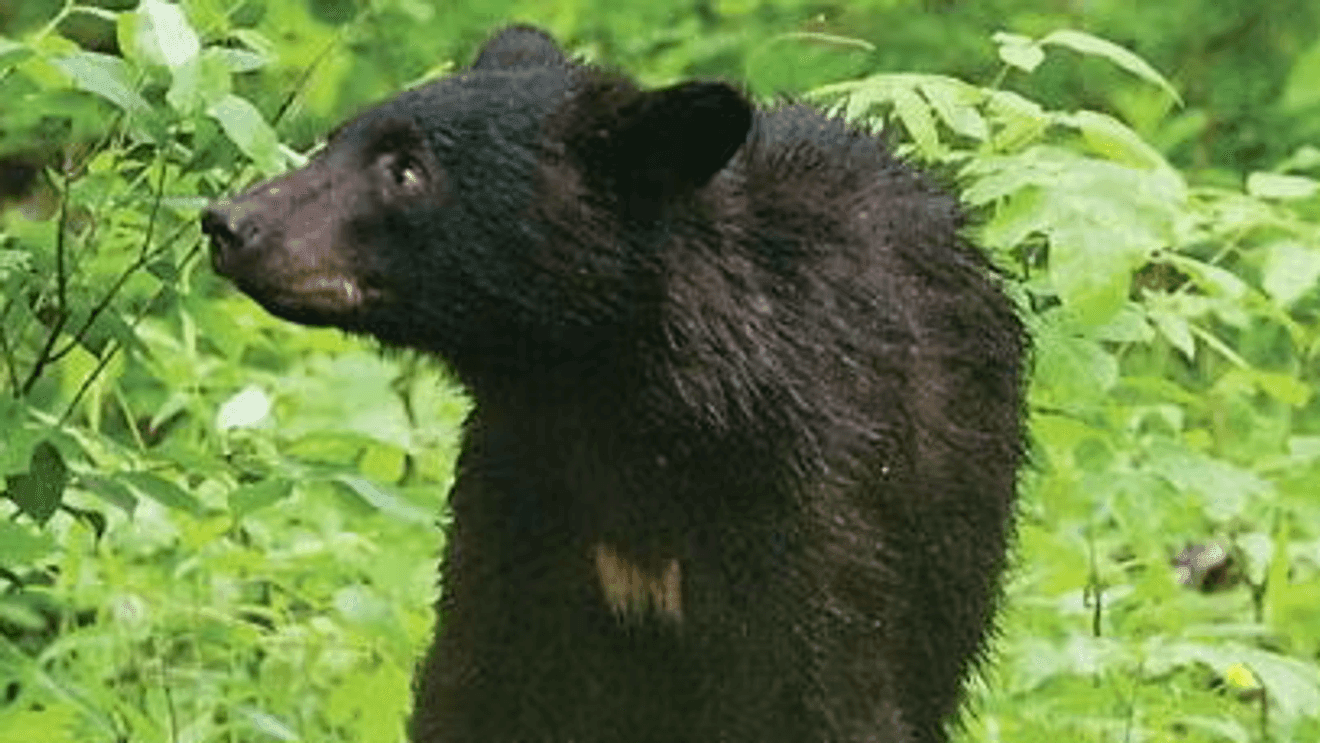
As spring arrives and bears emerge from their dens across the country, Missouri’s native black bears are becoming more active and sightings are increasing.
“Here in Missouri, we have just black bears,” said Nate Bowersock, the Black Bear and Furbearer Biologist with the Missouri Department of Conservation. Despite the name, he said, not all of Missouri’s black bears are black. “We’re pretty fortunate that our black bears aren’t just black we see blonde bears, brown, cinnamon or reddish brown,” Bowersock said.
Wildlife experts say spring bear activity is largely driven by the search for food. “This is the time of year they’re starting to eat green vegetation to start putting weight back on from the hibernation season,” Bowersock said.
In Missouri, bears don’t always fully hibernate. Warmer winters and available food can keep them moving year-round. With the state’s bear population now estimated at more than 1,000, sightings are becoming more common, but that is not a cause for concern. “Bears really don’t want to have much to do with people most cases when people see a bear, they’re usually seeing the back end running away,” Bowersock said.
Experts say preventing conflicts starts at home because bears are drawn to easy meals such as trash, pet food, livestock feed and bird feed, etc. “It’s important to store those things properly so bears don’t get into them that’s where we start having conflict,” Bowersock said.
If someone encounters a bear, Bowersock advised people to keep their distance. “Enjoy the sighting, but definitely keep your space,” he said. Experts say giving bears distance helps prevent problems for both people and wildlife.
Conservationists also point to the role black bears play in Missouri’s ecosystem. “They’re a great indicator species of forest health they help with nutrient recycling and they’re really good seed dispersers,” Bowersock said. From spreading seeds to cleaning up the forest floor, bears help keep ecosystems balanced.
Their comeback in Missouri is described as a conservation success story — once nearly gone, now steadily growing.
Conservation officials encourage anyone who spots a bear to report it to the Missouri Department of Conservation to help track activity across the state.
More information on Black Bears and how to report them in Missouri can be found here, and info on the National Bearwise Program can be found here.