
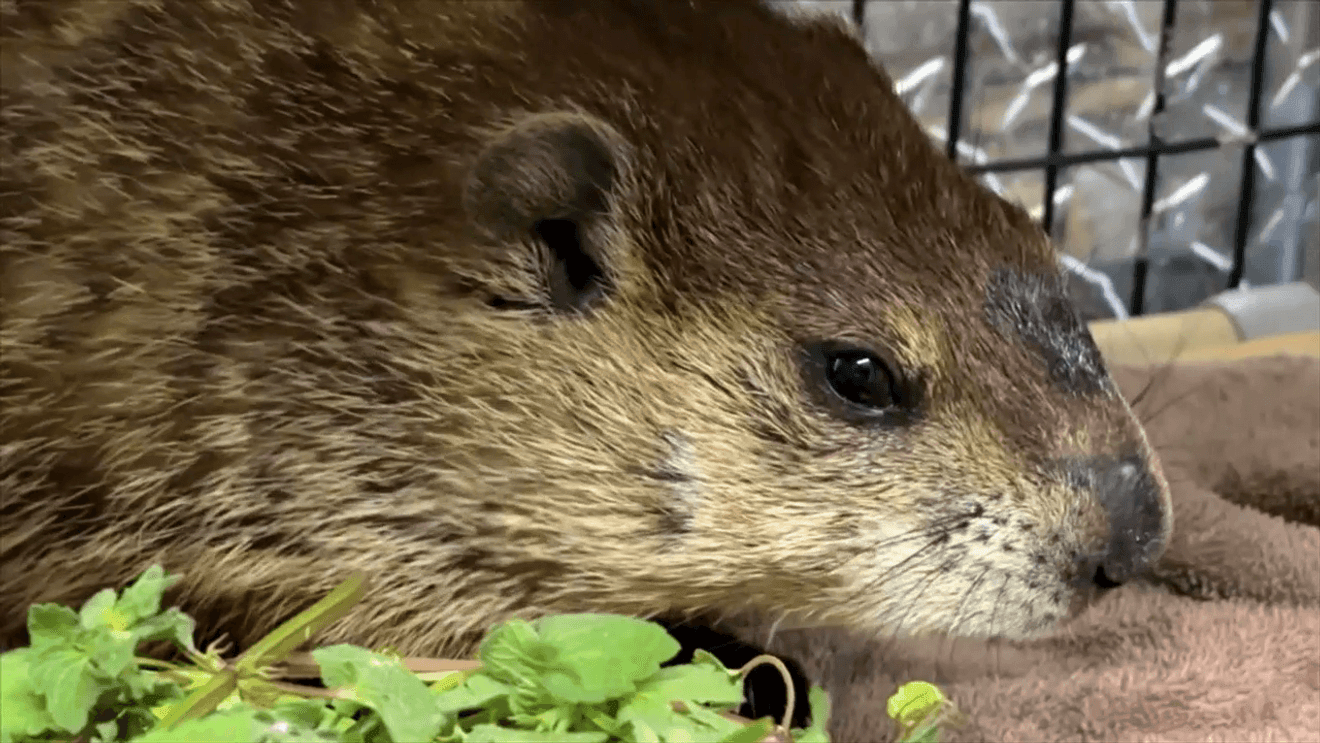
CANDLER, N.C. (WLOS) — The executive director of a local wildlife rehabilitation center says right now they’re seeing a much greater animal intake than they did this time last year, suspecting it’s because of the warmer weather and ongoing drought.
“We’re running about a hundred arrivals more this year in mammals than we saw this time last year,” said Savannah Trantham, the Executive Director of the Appalachian Wildlife Refuge.
USDA DECLARES 82 NC COUNTIES NATURAL DISASTER AREAS AS DROUGHT BLANKETS THE STATE
Trantham says they’re seeing more arrivals this year because wildlife is trying to find water.
“We’re seeing a lot more of those cases where, because wildlife is moving, trying to find water. They’re coming in contact with a lot more people,” Trantham said.
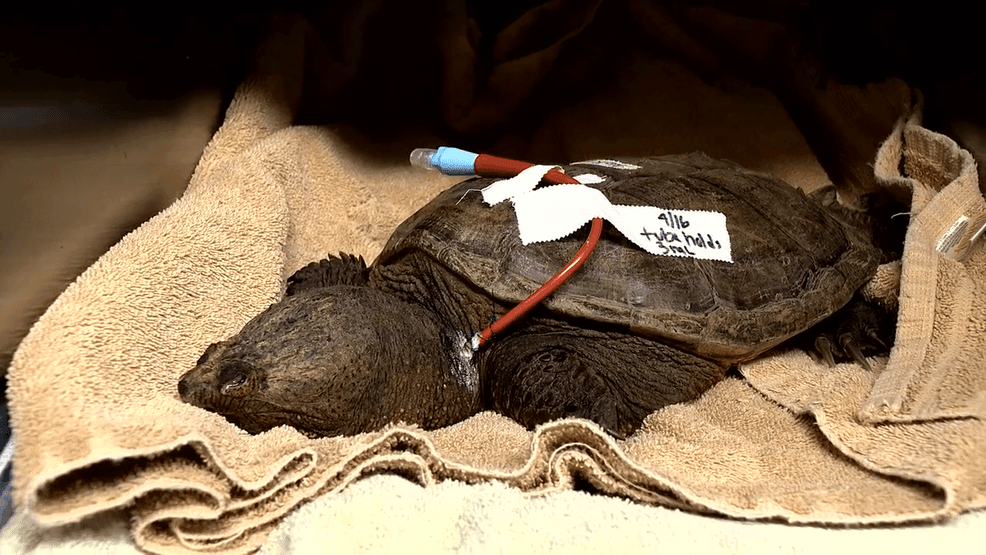
APRIL 17, 2026 – The executive director of a local wildlife rehabilitation center says right now they’re seeing a much greater animal intake than they did this time last year, suspecting it’s because of the warmer weather and ongoing drought. (Photo: WLOS Staff)
Not only does the drought force animals to travel farther for water sources, but lower stream levels mean fish are more vulnerable, something Josh Kelly with MountainTrue says is beneficial to predators.
“If the drought persists, we’re going to see declines in fish and wildlife populations. It’s just like in your garden. You can’t grow as much of a crop. You can’t have as much food if there’s a drought. And it’s the same out in nature,” Kelly said.
SEVERE DROUGHT COVERS 100% OF WESTERN NORTH CAROLINA, UPSTATE
But Kelly says that fires in general tend to be good for wildlife habitat and a lot of our native ecosystems.
“A lot of species benefit from the more open conditions that fires create in forests. They benefit from the fresh flush of new growth after a fire. And then there’s a lot of native plants that get more abundant with fire and decline in the absence of it,” Kelly said.