
NORTHAMPTON – Early last year, Dr. William Cutler felt a wave of anxiety sweep through the clinical corridors of the VA Medical Center in Northampton.
One by one, Cutler learned that long-trusted colleagues — psychologists, pharmacists, and primary care physicians — were considering leaving the sprawling medical complex in Western Massachusetts, overwhelmed by a steady stream of increasingly burdensome work directives from Washington.
Then, finally, it was his turn. After spending 17 years as an internal medicine doctor and chronic pain specialist at the VA, Cutler retired last April. His breaking point came with a blunt mandate from Elon Musk’s Department of Government Efficiency, or DOGE: Either document five accomplishments he made each week, or risk losing his job.
“It was incredibly chaotic,” Cutler said of his final weeks at the VA. “People feared for their jobs and their patients.”
After Donald Trump returned to office last year, his administration vowed to expand health care for millions of veterans while cutting costs and trimming thousands of nonessential staff.
 The American flag and POW MIA flag flew at Northampton VA Medical Center in Leeds.Finn Gomez for the Boston Globe
The goal, said Veterans Affairs Secretary Doug Collins, was to turn the massive, 390,000-employee agency from “a bureaucratic organization to a service organization,” focused squarely on veterans.
“I need more good doctors. I need more good nurses. I need more good people who are taking care of people on the front line,” Collins said in March 2025, while on a visit to a VA medical center in North Carolina.
But a year later, those assurances ring hollow among many Massachusetts veterans who rely on the Veterans Health Administration — the nation’s largest integrated health system.
Last year, the VA shed 48,000 staff, the largest one-year decline in staffing in the agency’s history.
In Massachusetts alone, 855 workers left the Veterans Health Administration in 2025, according to a Globe analysis of federal data. Only 591 people were hired over the same period, resulting in a net loss of 264 full-time positions statewide.
Those who departed included scores of front-line clinicians, among them 130 nurses, 71 psychologists, and 41 medical support assistants who help with scheduling appointments, the Globe analysis found.
Data from the first two months of 2026 show 113 employees left the Massachusetts VA and 114 were hired.
Those mark a sharp departure from previous years. Under the Biden administration, the VA health system added tens of thousands of staff to keep pace with a dramatic expansion of VA benefits and eligibility and to address long-standing staffing shortages. Over the course of 2024, 667 full-time employees left the Veterans Health Administration in Massachusetts, but the agency added 694 employees — a net gain.
Although last year’s staff departures represent a small percentage of the VA’s overall workforce — less than 4 percent of the 7,300 employees in Massachusetts — they are notable for an agency that has long been strained by worker shortages.
Every year since 2014, administrators at VA medical centers have reported severe shortages of nurses and doctors. Last year, each of the 139 VA medical centers in the country reported a shortage of workers. And reports of severe shortages for specific job positions — especially nurses and psychologists — spiked 50 percent from the previous year, according to the VA Office of Inspector General, the agency’s watchdog arm.
The VA also suffered a loss in expertise that will have lasting consequences for years to come, warn veterans advocates and public health experts. In Massachusetts, full-time employees who left the VA last year had an average of 10 years on the job, corresponding to an estimated total loss of more than 8,000 years of collective experience.
Those hired to replace them tended to be much younger with far less experience. The VA in Massachusetts lost 156 staff members last year with more than 20 years of experience each and hired just three with similar levels, federal data show.
In more than two dozen interviews, veterans from Greater Boston to the hill towns of Western Massachusetts said it has become increasingly difficult to access treatment
In many cases, veterans say, their waits for one-on-one mental health therapy have grown so long that they have no choice but to seek care outside the VA system through a program known as community care. Clinicians in that outside network typically have less experience treating service-related health problems and less knowledge about their individual medical histories than VA staff.
While leaders of the VA promised to shield front-line medical workers from job cuts, hundreds chose to leave anyway. Many have cited workplace stress and disagreement with new administration policies as reasons for leaving.
A recent national survey of VA employees suggests that employee morale has fallen to unprecedented lows: Only 31 percent said they would recommend the agency as a good place to work, and just 10 percent said the organization’s leaders maintain high standards of integrity. Fifty-seven percent said they had become less engaged in their work compared to the previous year, according to the nonpartisan Partnership for Public Service, which conducted the survey in November and December.
“The [survey] numbers point to shockingly poor morale,” said Kayla Williams, an Army veteran and former national assistant secretary of public and intergovernmental affairs at the VA.
The staff losses also come at a crucial time for the Veterans Health Administration, which provides care to at least 9 million veterans nationally. The bipartisan 2022 PACT Act dramatically expanded health care and disability benefits for veterans exposed to toxic hazards such as burn pits — large, open-air trash fires that were standard at US military bases in desert wars after Sept. 11, 2001. At the same time, the launch of Operation Epic Fury in Iran is threatening to create new pressure on the health system, with more than 380 American soldiers already wounded, according to US Central Command.
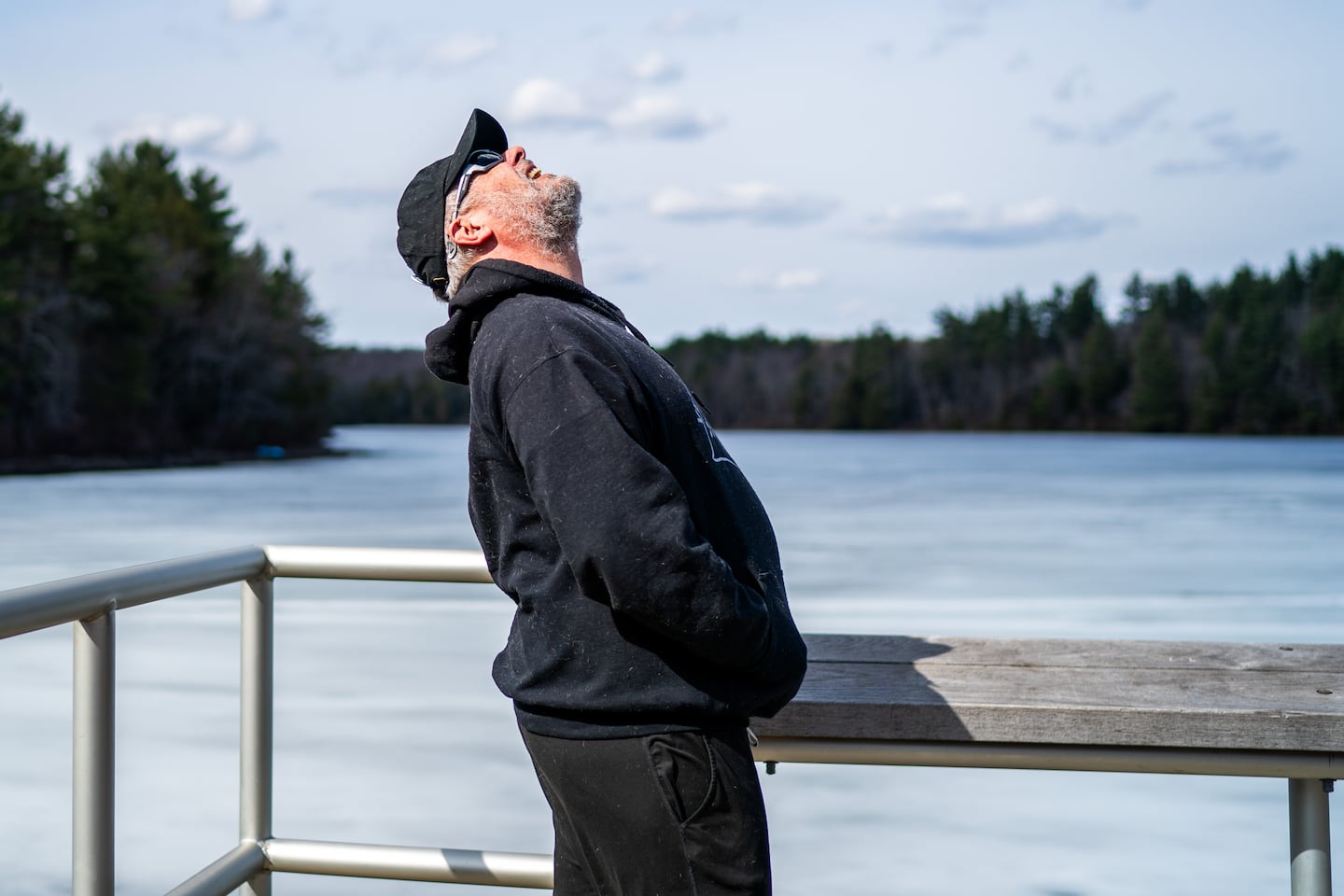 Eric Wasileski looked up as a plane passed. An essential part of his job in the Navy was identifying aircraft. Finn Gomez for the Boston Globe
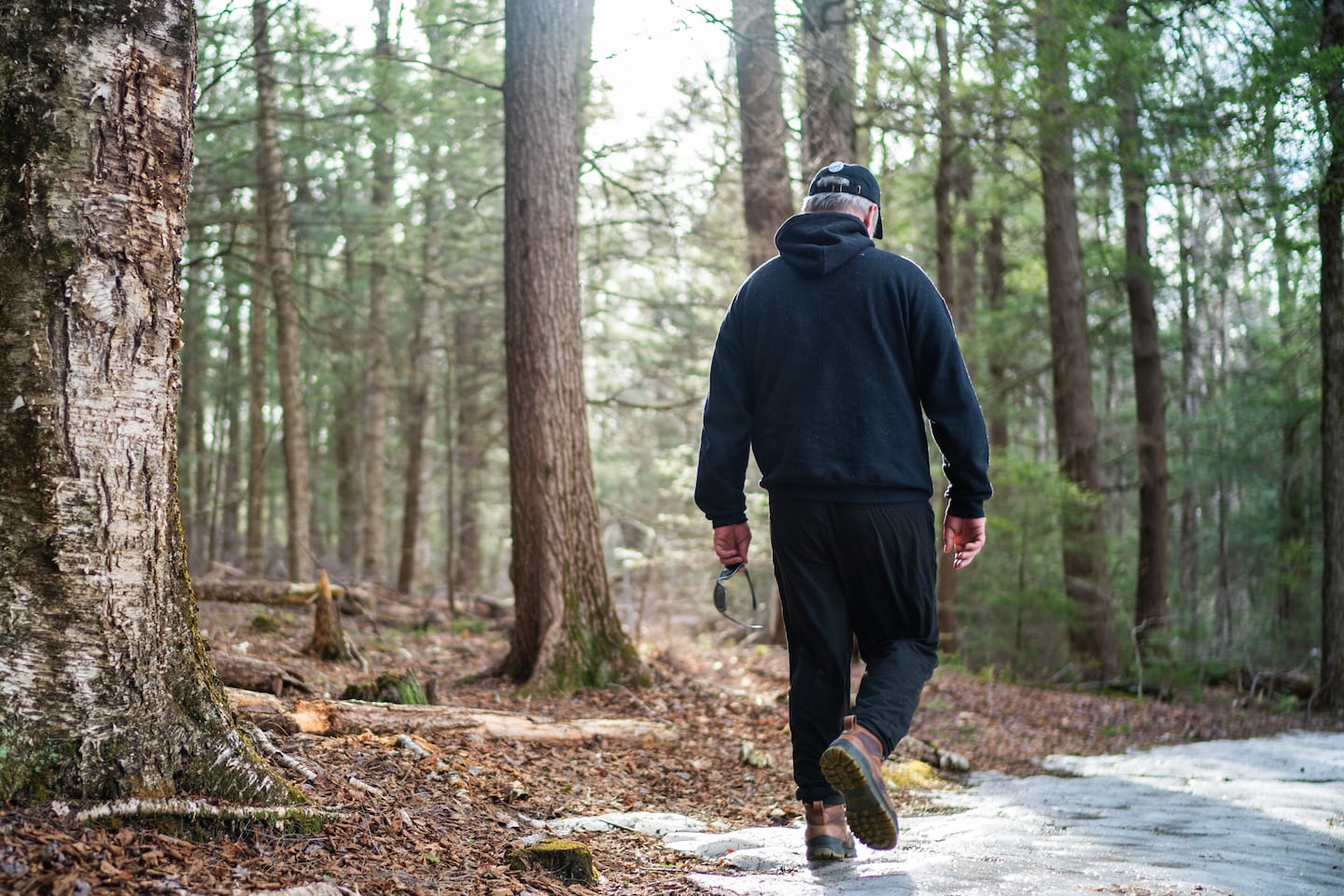
“You look at what is happening in the Middle East and can’t help but wonder, what kind of care awaits our wounded soldiers when they come home?” said Eric Wasileski, 53, a Navy veteran from Pittsfield who served in Operation Desert Storm in Iraq. “We are engaged in a war that will certainly create more veterans, yet we have fewer and fewer people here to care for them.”
The VA declined a request to interview state or national officials familiar with the VA system and its four medical centers in Massachusetts. In an email, VA spokesperson Peter Kasperowicz said the allegations that access to treatment has worsened are based “on hearsay.” He accused the Globe of withholding specific details about the individuals making the allegations “so it could more easily tell the biased story it wants to tell.”
Kasperowicz said the average wait time for a primary care appointment held steady nationwide in the last fiscal year at 7.9 days, while waits for mental health care dropped from 4.2 to 3.6 days. He also disputed claims that the VA is steering veterans into community care outside the VA system, citing data showing the agency is treating more patients than ever. In Massachusetts, VA facilities completed nearly 550,000 direct care appointments in the last fiscal year — a 3.3 percent increase from the year before, he said.
Another agency spokesperson cited data showing the VA has opened 34 VA health care facilities around the country since Trump took office, and in 2026 alone, more than 100,000 new veterans have signed up for VA health care.
Meanwhile, the agency continues to recruit for hundreds of open positions across the state, Kasperowicz added.
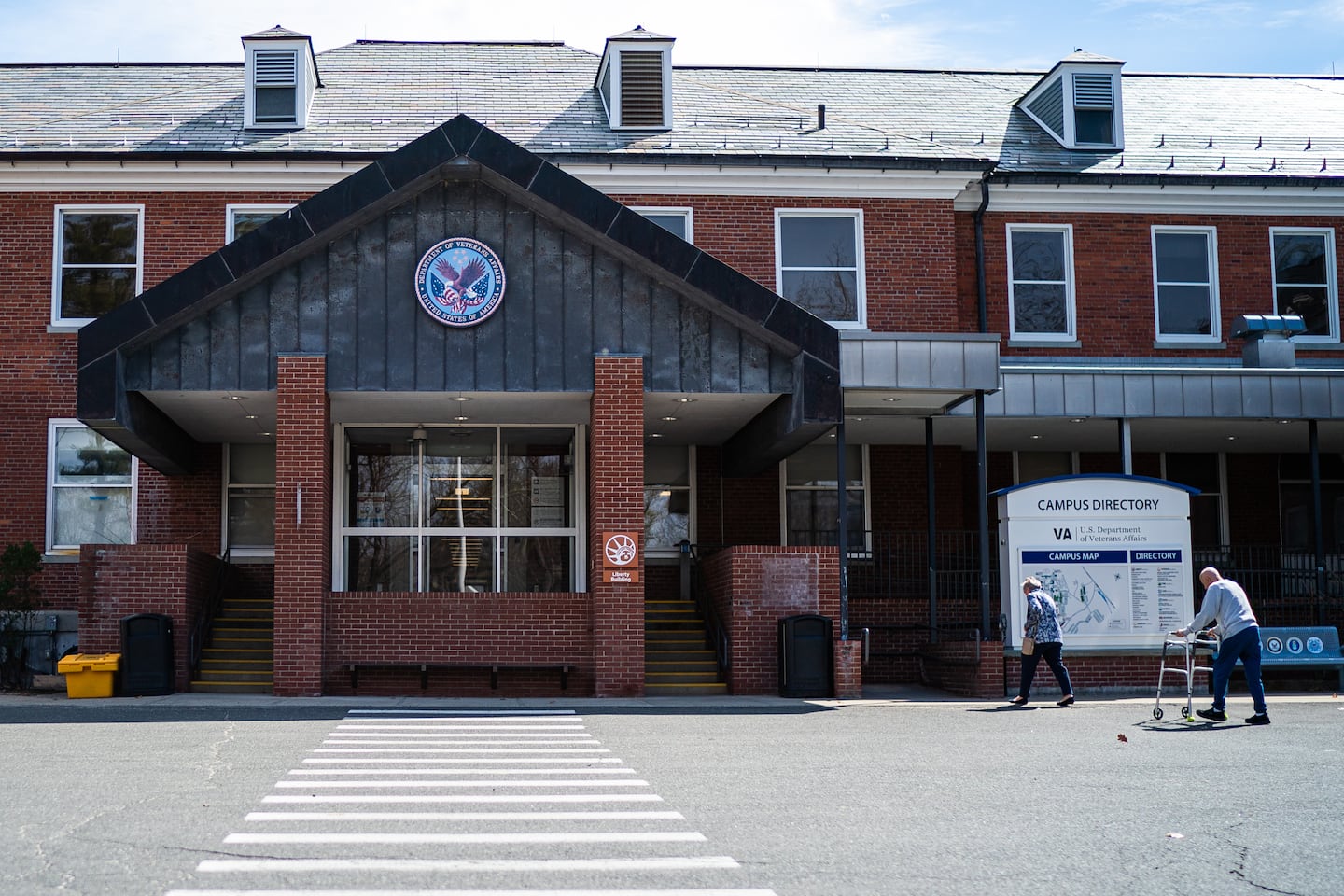 People entered the Liberty Building at Northampton VA Medical Center in Leeds. The building is home to “sick call,” which resembles an urgent care for veterans.Finn Gomez for the Boston Globe
“VA’s success isn’t measured by how many people it employs,” he said in the email. “It’s measured by how well the department serves veterans, and the truth is that VA is working much better under President Trump than it did under President Biden.”
Representative Richard Neal, a Democrat from Springfield, calls the VA’s position “subterfuge.”
”This administration is trying to claim that all is normal when they’re not backfilling [vacant positions] like they used to,” he said. “It violates the promise we made to veterans that we would take care of them if they took care of us.”
Veterans and workers at VA facilities in Massachusetts say the effects of the staff departures have rippled across the Commonwealth, with rural areas experiencing a disproportionately greater impact.
The VA Medical Center in Northampton, which serves a broad swath of Western and Central Massachusetts, has been hit particularly hard by staff departures. In interview after interview, clinicians who work at the center described crushing workloads as a result of staffing shortages; veterans experiencing post-traumatic stress disorder and other mental health conditions reported months-long waits for one-on-one therapy appointments.
Perched on a hillside near the Berkshires, the medical center has long served as a lifeline for veterans coping with combat-related trauma and other illnesses.
It opened 102 years ago as the nation’s first neuropsychiatric hospital for veterans, serving soldiers returning from World War I with what was then called “shell shock.” Over time, it grew into a full-service medical campus with a 44-bed nursing care unit and more than 100 beds for veterans struggling with behavioral health and substance use problems. Today, it also provides same-day care through a walk-in clinic known as “sick call,” where veterans can seek treatment for a range of ailments, from the flu to sprained ankles.
Many veterans and VA employees here affectionately refer to the cluster of brick buildings simply as “The Hill.”
“This is a beloved institution for a lot of people in Western Massachusetts,” said David Whiteley, a former Army helicopter pilot who worked as a chaplain at the Northampton VA for 30 years. “A lot of cutting-edge treatment for PTSD came out of this facility.”
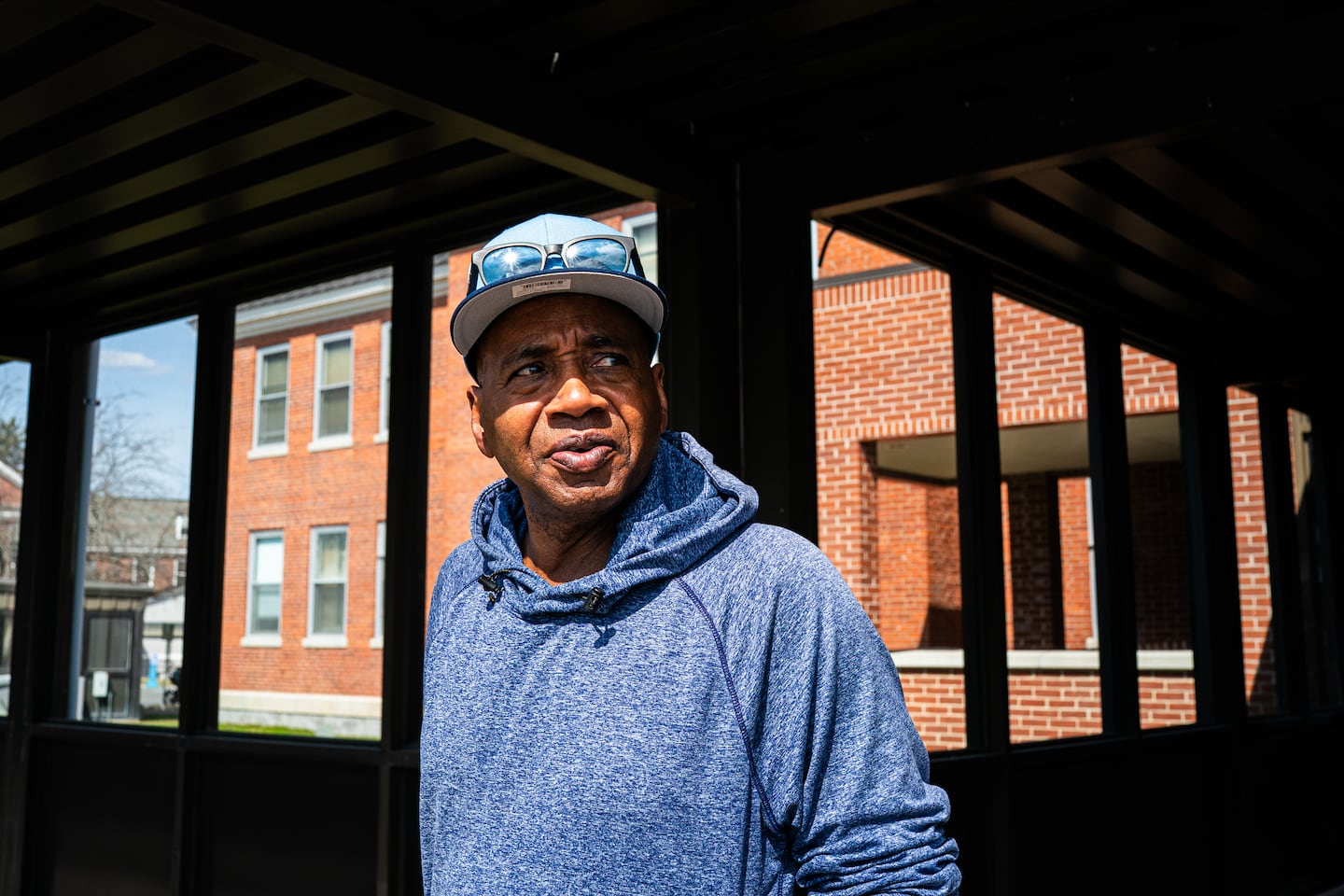 Vietnam veteran Lidon Chevannes, 74, waited for fellow vets joining him for a mental health discussion at Northampton VA Medical Center.Finn Gomez for the Boston Globe
Lidon Chevannes, 74, an Army veteran of the Vietnam War who lives in Easthampton, chairs a volunteer committee that meets monthly with leaders at the Northampton VA to recommend improvements at the facility and relay patients’ concerns. Over the past year, he said, two issues have surfaced repeatedly: a steady loss of staff and growing complaints about long waits for mental health therapy, driving more veterans to seek care outside the VA.
“This place is at a breaking point,” said Chevannes, as he walked to a group therapy session on the Northampton campus on a sunny afternoon in March. “A lot of our best medical professionals don’t want to work for the VA anymore, and I don’t understand why there’s not more alarm.”
In March of 2025, when the Trump administration threatened to cut 80,000 jobs from the VA, several community members began gathering each Monday at the base of “The Hill,” speaking out in defense of the center. Since then, the weekly rallies have grown larger and more organized. Earlier this month, on the Monday after Easter, nearly 60 veterans and others lined the VA’s entrance with hand-painted signs, chanting “Save Our VA!” as passing motorists honked in support.
The ranks of those attending the rallies has swelled with veterans who say they are struggling to get appointments.
Among them is John Paradis, a retired Air Force lieutenant colonel who served in Iraq and Afghanistan and struggles with PTSD. In late January of this year, Paradis began a search for mental health therapy after his longtime psychologist at the Northampton VA abruptly left the agency, citing an unbearable workload, Paradis said.
The VA offered Paradis a stark choice: He could wait eight to 10 months to get an initial appointment with a new VA psychologist or go through community care.
Paradis felt abandoned. “Our country said it would help us when we came home, that we wouldn’t have to go through all these hoops and hurdles,” he said. “This felt like a betrayal.”
A few years ago, when Paradis was struggling with a severe bout of depression, his longtime VA psychologist helped him recover through a program known as prolonged exposure therapy, in which patients recount traumatic events in vivid detail. “She rescued me from a very dark place,” Paradis saidof the VA psychologist. Now Paradis doubted that he could find a therapist outside the VA with the same level of expertise or one who could relate to his military experience.
At the same time, the 62-year-old veteran could not imagine waiting up to 10 months to see a therapist, so he reluctantly agreed to seek care outside the VA. Even then, it took two months of persistent phone calls before he secured a virtual appointment with a therapist at a private clinic, through the community care network.
In 2018, complaints of long wait times at the VA prompted Congress to pass the MISSION Act, which enshrines the right of veterans to seek care outside the VA through private providers. Since then, the portion of the Veterans Health Administration budget that pays for community care has increased dramatically, according to the Congressional Budget Office. It’s projected to reach about $34 billion in the current fiscal year, up 50 percent from 2025 funding levels and more than three times the cost of a decade ago.
“They say [community care] is your choice, but it’s not really a choice if your only other option is to wait an unbearably long time” to see a specialist at the VA, Paradis said. “The VA psychologists really understand what it means to serve and all the challenges that go with it.”
Rhonda Pastori, 66, an Air Force veteran from Sheffield who struggles with PTSD and anxiety, said she was also presented with a difficult choice. Early this year, she was told it would be months before she could see a psychologist at the Northampton VA due to staffing shortages. As an alternative, Pastori was told she could skip the long wait and attend group therapy sessions with other local veterans.
Pastori, who has been hospitalized multiple times at the Northampton VA for suicidal ideation and PTSD, decided to give group therapy a try — though she called it “less than ideal.”
“It’s a disappointment because I’m not really comfortable discussing my childhood trauma and PTSD in a group,” she said, “but I’m not going to say no to therapy.”
Pressure to seek care outside the VA is not limited to veterans in Western Massachusetts.
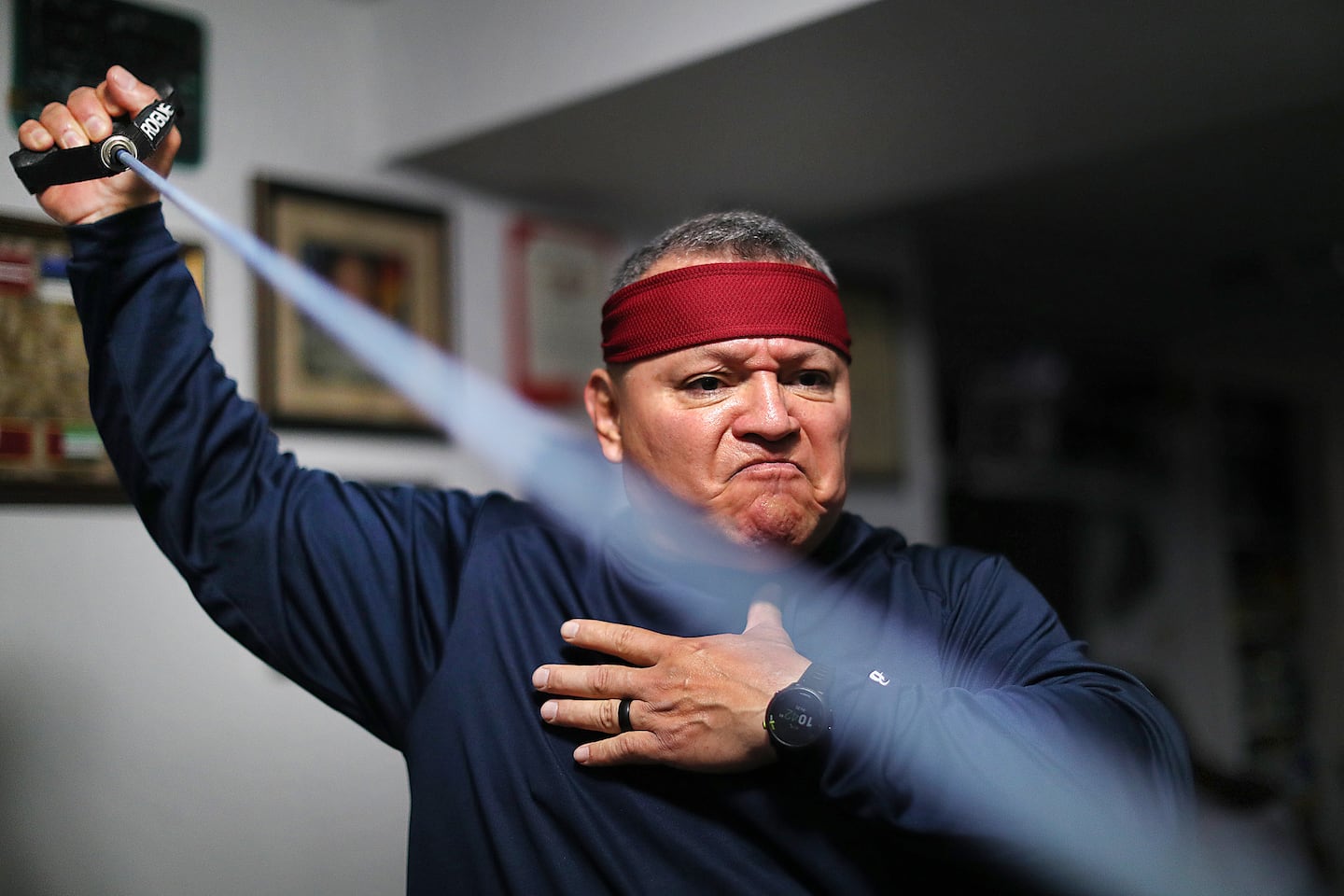 Marine Corps veteran Al Tenorio, 60, worked out in his basement gym. During his 30-year military career, he served in Afghanistan and Iraq and suffers PTSD and other mental and physical conditions.John Tlumacki/Globe Staff
Al Tenorio, 60, a retired Marine Corps master gunnery sergeant who lives in Roslindale, said the VA Medical Center in Jamaica Plain recently sought to refer him to a private provider for back surgery. He has recurring back and neck pain stemming from years carrying heavy gear and from a 2007 incident in Iraq, when he fell on his head in a Humvee during a training exercise. Tenorio said he was told it would be a much longer wait if he wanted to get the surgery in the VA system.
“It feels like the VA is trying to push us outside the system, which wasn’t part of the contract when I devoted 30 years of my life to the military,” Tenorio said.
As for Dr. Cutler, he made one final gesture of defiance before retiring last spring from the Northampton center. When DOGE asked him to list five accomplishments at work, he replied with a pointed email, noting all the hours that employees had spent in town halls and Q&A sessions discussing DOGE-related emails.
He ended the message by writing, “I also cared for US veterans of our armed forces who suffer from chronic pain, but I doubt you would find that bit to be very interesting.”
Cutler said he never even received a response from DOGE. He strongly doubts anyone at the VA had time to read his message.
Chris Serres can be reached at chris.serres@globe.com. Follow him @ChrisSerres. Yoohyun Jung can be reached at y.jung@globe.com.