
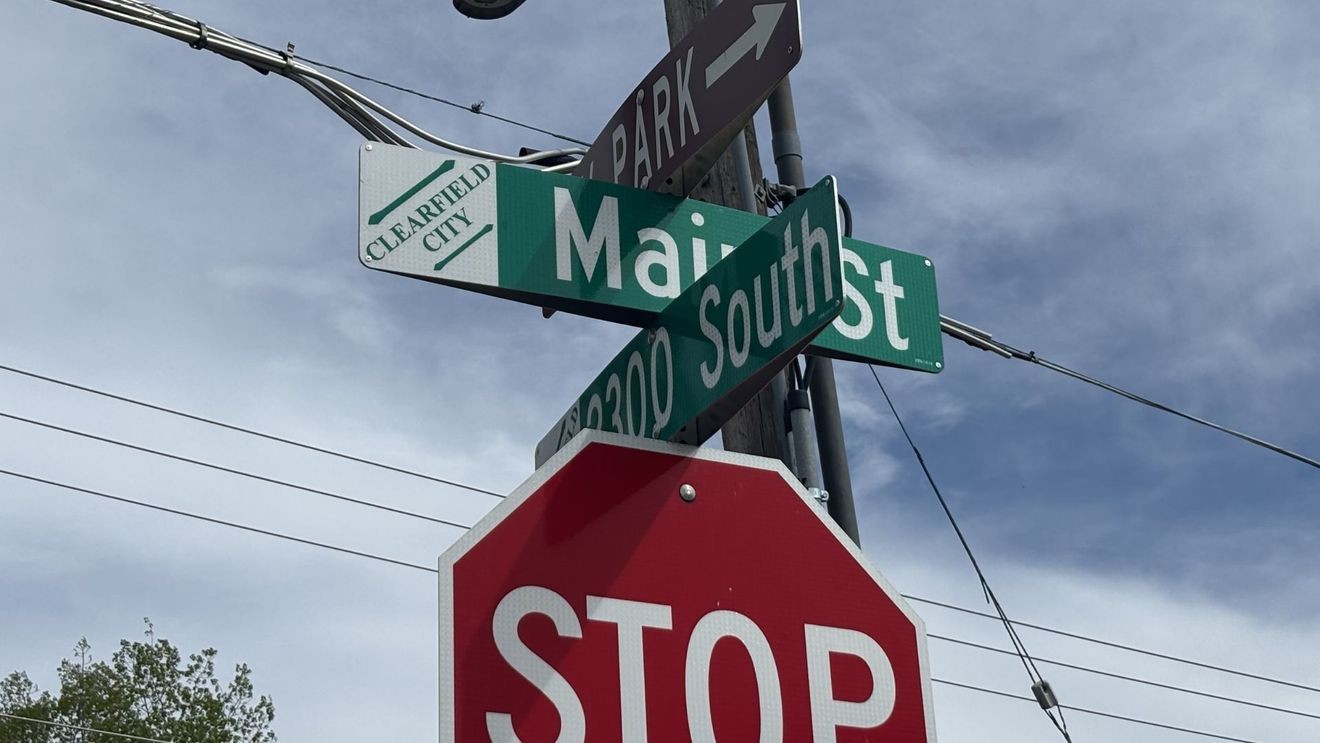
CLEARFIELD, Utah (KUTV) — Some homeowners affected by the sewage backup believe the City of Clearfield should pay for the cleanup.
In a statement, the city said it checks and cleans sewer mains on a rotating basis, and the area between 2300 and 2400 S on Main Street had been serviced eight months ago.
The Boyers sold their house on Main Street two weeks ago and were planning on moving out this weekend before the sewage backup on Monday derailed their plans.
“We got a couple of guys come through the door yesterday and told us that they had had a flood from a sewer backing up, and they were checking all the houses on this street,” Bob Boyer said. “Sure enough, there’s water there in the bathroom and in the utility room and in one of the bedrooms.”
MORE | Massive sewage blockage backs up into five homes in Clearfield
The city said the blockage was caused by a “fatberg,” a clog of fat or grease from people improperly flushing it down drains. However, Boyer didn’t buy the city’s explanation and said they’re not taking responsibility for the incident.
“That’s really kind of hearsay more than anything else,” he said. “They have no way of knowing who did it or how much it was or if it wasn’t even the grease that did it.”
Boyer said the city is not helping them pay for the cleanup. He said his insurance should cover it, but they still have to pay the deductible, and they worry about other households on the block.
“A lot of them are spending a lot more money than we are to have ours fixed, and they had nothing to do with it. It’s just not fair,” Boyer said.
2News asked the city whether it is responsible for reimbursing homeowners for the damage if it happened on the city line.
The city responded, saying they didn’t have information on whose responsibility it was to pay because the cause was still being determined. They said they don’t control what homes and businesses flush, saying, “If someone frequently dumps grease down the drain, it can cause a blockage in the city’s sewer main that affects the homes and businesses hooked into that sewer main.”
Boyer said he’s disappointed with the city’s response.
“Making everybody pay thousands and thousands of dollars for repair and then blame it on the house without any proof. That’s just the way for the city to back out,” he said.
2News sent these questions to the city:
Did the sewage blockage — the “fatberg” — happen on the city line? If so, is the city fully responsible for reimbursing homeowners for the damage?If not, why are homeowners responsible for contacting their own insurance for the basement cleanup?What is the responsibility of the homeowner when it comes to sewer lines? One homeowner spoke with me about the lateral lines and needing special insurance for them. Can you tell me anything about this?Is the city doing anything to mitigate a blockage like this from happening again? Is there anything that can be done?Is there any way for the city to monitor the sewer lines to check for blockages or areas of concern to stop this from happening beforehand?Is there a timeline for when these affected homeowners may see a resolution to this?
They responded with the following statement:
“The city maintains and manages all sewer main lines. Homeowners manage their sewer lateral line that connects the house to the main sewer system.
The sewer lateral is the pipe that connects all toilets, floor drains, bathtub drains, sink disposals, etc. down to the city’s main sewer system. Anything a person flushes or washes down a drain goes through the home’s sewer lateral and into the city’s sewer system. This is why it is so important residents and businesses do not flush or pour anything down the drain that shouldn’t be. Some insurance plans cover sewer lateral issues and others do not. Homeowners should check with their insurance providers to make sure their water lateral and sewer lateral are covered. If they are not, there are other insurance agencies that specifically cover these, like HomeServe or Service Line Warranties of America.
The sewer backup was caused by a grease blockage located in the city’s sewer system. How it occurred is still being determined. The city does not control what gets flushed down toilets, sinks, or drains in homes and businesses. If someone frequently dumps grease down the drain, it can cause a blockage in the city’s sewer main that affects the homes and businesses hooked into that sewer main.
The city cleans and checks all sewer mains on a rotating basis. This specific one was serviced within the last eight months. The best thing to do to keep incidents like this from happening is for residents and businesses to prevent grease blockages by never pouring grease down sink drains or toilets. They should throw away grease in a container with a lid, scrape food into the trash, wipe grease from dishes prior to washing, use strainers in sinks to catch food scraps, and minimize use of the garbage disposal.
Residents have been advised to contact their homeowner’s insurance to coordinate cleaning up their basements. Clearfield City has sent the impacted homes information about its sewer cleanup assistance program.”
_____