
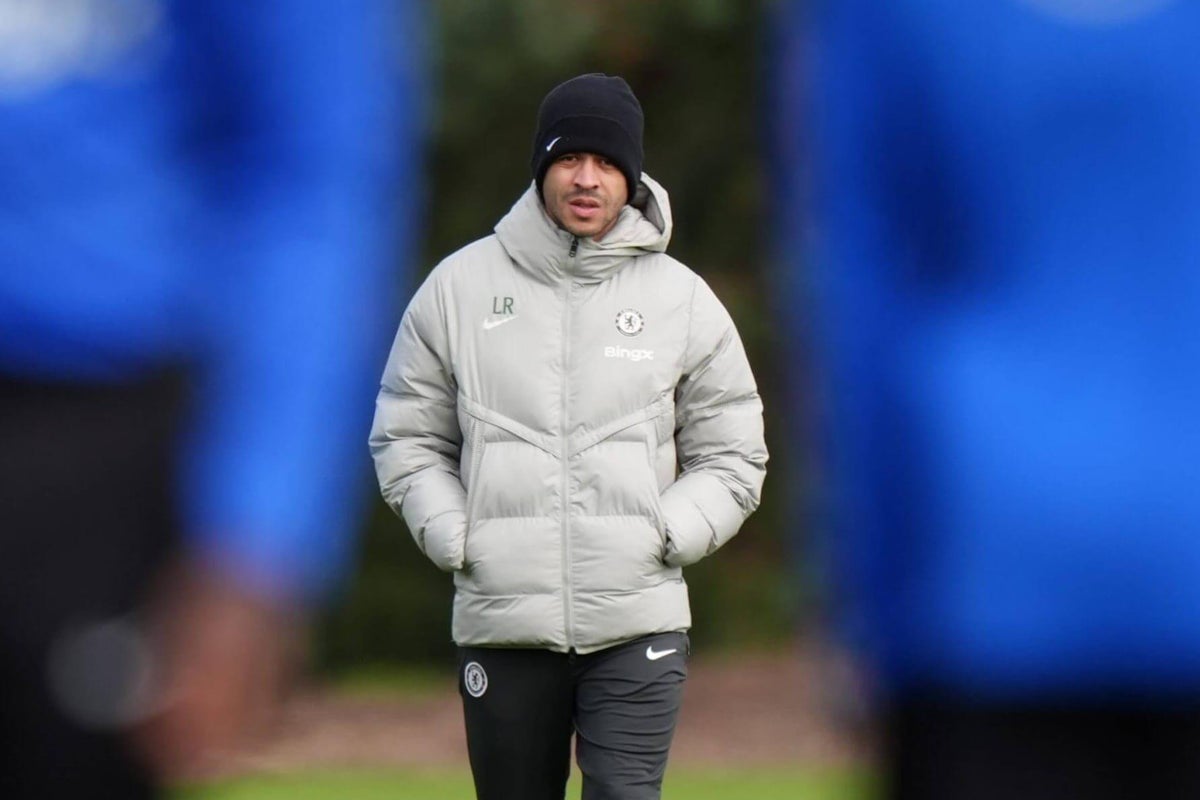
The most telling moment of Liam Rosenior’s final press conference as Chelsea head coach on Tuesday was his candid response when asked if his team’s dire showing in a 3-0 defeat against Brighton and Hove Albion demonstrated a disconnect between him and his players.
“Judging off that performance, it looks that way,” Rosenior admitted. “I won’t lie. That was unacceptable.
“I don’t feel there’s a disconnect between me and the players. We work very closely with them in training, in individual meetings, in team meetings. We are giving everything to the players. There is a lack of spirit, a lack of belief that can create that perspective. I can’t argue with that at the moment because the run we’re on is unacceptable and that performance definitely was as well.”
Despite his eventual denial, the fact that Rosenior so readily engaged with the premise of the question was an acknowledgement of a situation that Chelsea swiftly — and reluctantly, given the high regard in which he is still held by the hierarchy — concluded was untenable.
Chelsea have not looked like a team imbued with belief in their head coach for several weeks. They have been sliding since Filip Jorgensen passed the ball straight to Bradley Barcola in the 74th minute of the Champions League tie at Paris Saint-Germain last month. In the aftermath of another humbling by Brighton — the club’s fifth successive league defeat without scoring a goal — Rosenior gave the impression of a coach who had run out of ideas.
That should not come as any great surprise. Rosenior is a raw, young coach whose resume coming into Chelsea consisted of an interim spell at Derby County, 18 months at Hull City and a similar time in charge of BlueCo sister club Strasbourg. He enjoyed a good professional playing career but could never be described as elite: his only winner’s medal is the 2003 Football League Trophy with Bristol City.
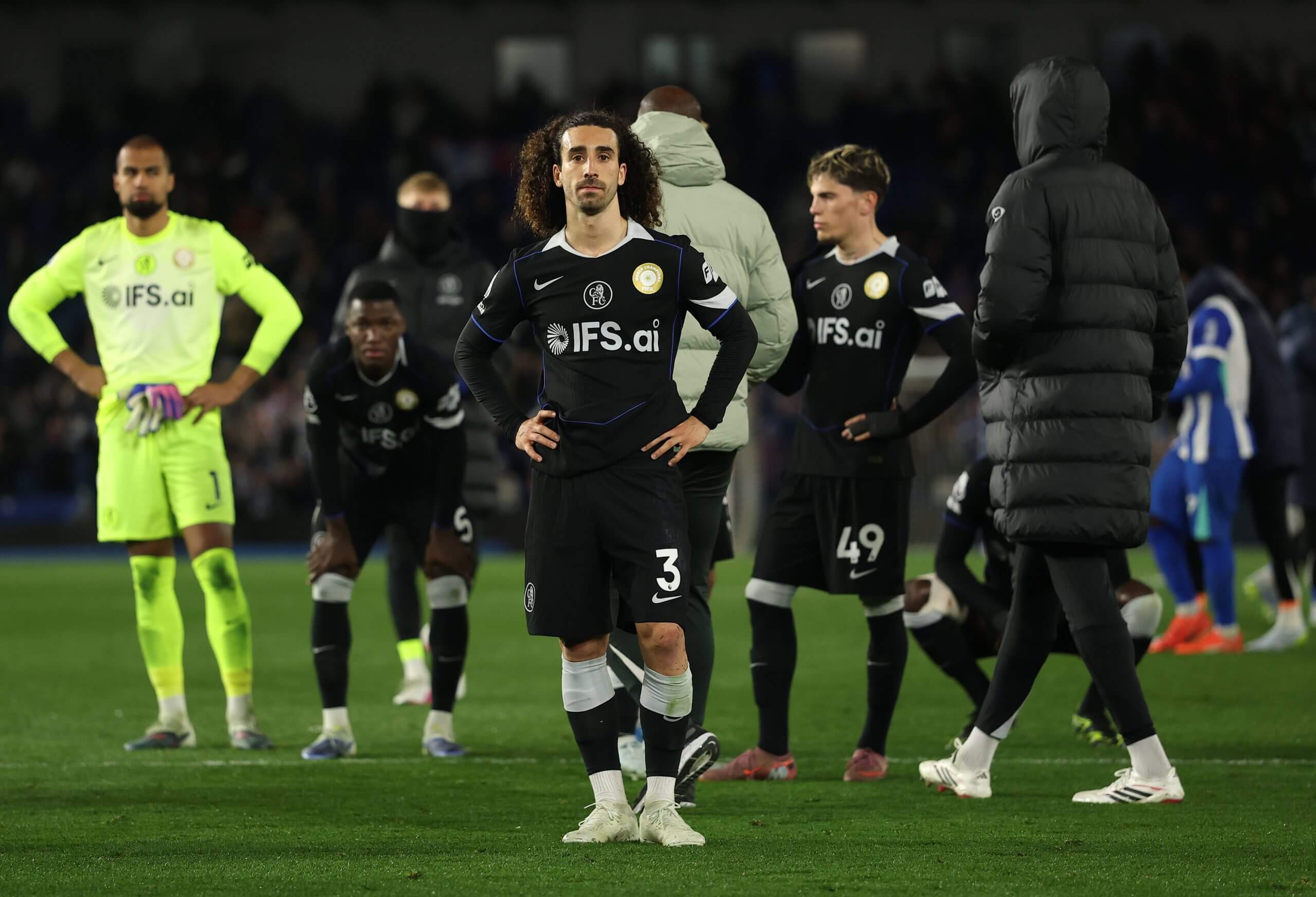
Chelsea’s players face the ire of their fans at Brighton (Warren Little/Getty Images)
Nothing in Rosenior’s footballing past could have prepared him for the scale and the scrutiny of this challenge. He is, by all accounts, an intelligent man and a coach with modern, progressive tactical ideas, and he has exhibited the boldness to deploy them in high-stakes matches at Chelsea. He has also brushed off the external mockery and thrown himself completely into the job, but the quality of the plan is meaningless if you lack the capability to get the people under your management to buy into it.
The problem that doomed Rosenior was baked into his appointment: he had no basis to command authority at a club of Chelsea’s stature. Most coaches who arrive at this level can point to a track record of success in the dugout; even a relatively inexperienced figure like Enzo Maresca came armed with a promotion from the Championship with Leicester City and the unique glow of a Pep Guardiola apprenticeship at Manchester City.
Failing that, others can generally count upon an elite playing career to garner instant respect. This was why Frank Lampard was able to immediately assert himself at Chelsea in the summer of 2019 and why Michael Carrick has had no problem uniting a dispirited dressing room at Manchester United.
Rosenior had neither. The only basis for his authority at Chelsea was the fact that he had been hired (twice) by BlueCo. That foundation weakened following Champions League elimination at the hands of PSG with Enzo Fernandez and Marc Cucurella both going public to question the decision-making of the ownership and sporting leadership. It was always going to crumble in the face of dire performances and flatlining results.
Being viewed as “Mr BlueCo” was never going to endear Rosenior to Chelsea supporters, either. His name was sung after victories in the early weeks, but his proximity to a deeply unpopular ownership and sporting leadership was always going to erode goodwill quickly once results turned. The chants that assailed him from the away end at the Amex Stadium on Tuesday felt irrevocable.
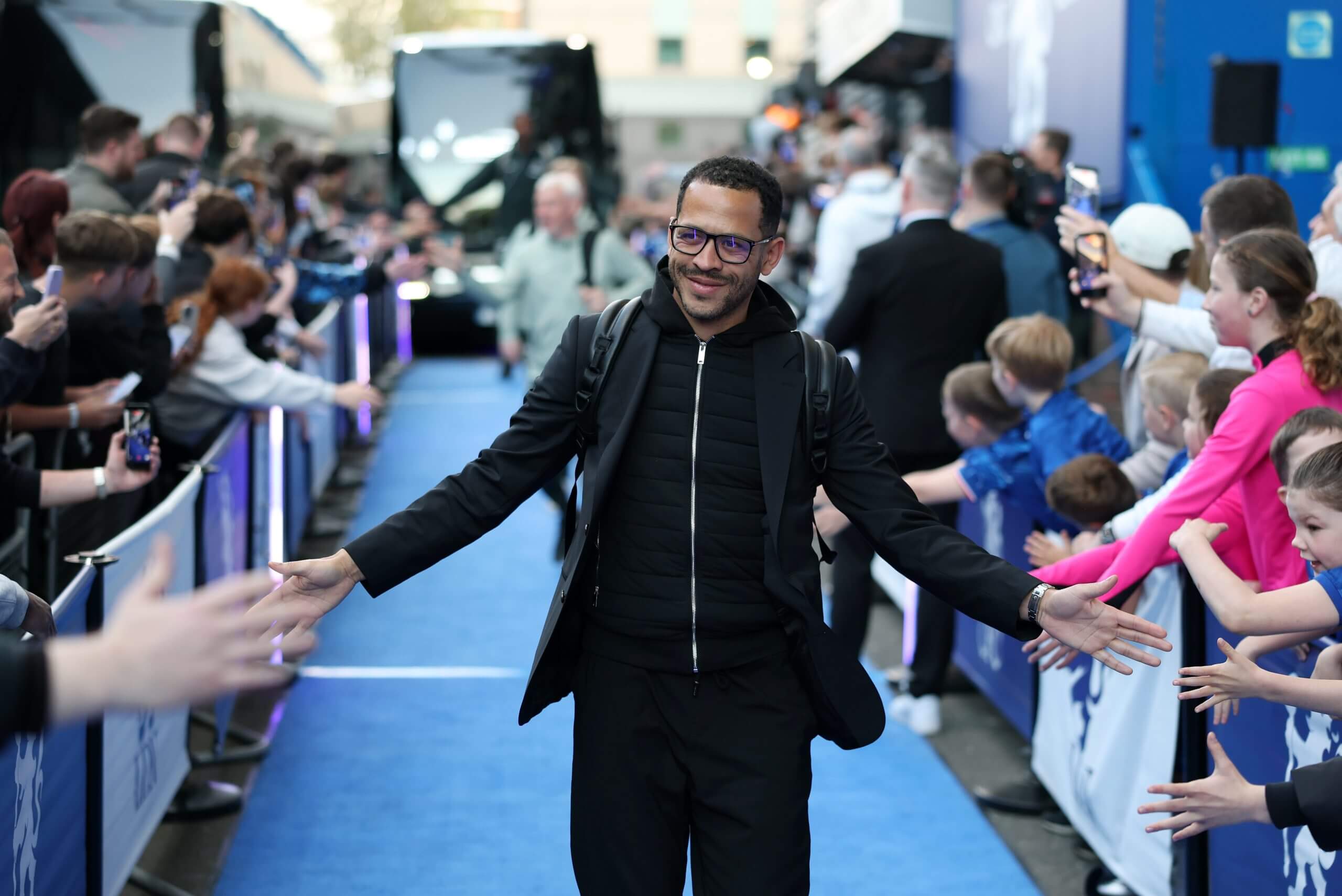
Some Chelsea fans warmed to Rosenior, but attitudes turned quickly (Justin Setterfield/Getty Images)
None of this is a particular criticism of Rosenior, who could not realistically turn down the Chelsea job. Once he had taken it, he did his best to convey the required charisma, to carry himself like an elite coach despite his lack of tangible credentials. But if this was never particularly convincing to outside observers, it was always going to be a stretch to expect a dressing room of high-profile footballers to give him the benefit of the doubt.
The responsibility for putting Rosenior in this ultimately impossible position rests squarely with BlueCo and Chelsea’s sporting leadership.
Last week, co-owner Behdad Eghbali said 18 months of seeing Rosenior up close at Strasbourg meant Chelsea “knew what we were getting”. How could the hierarchy not have foreseen how this would play out? The notion that a six-and-a-half-year contract could ever bestow him with the authority that experience and achievement could not seemed unconvincing at the time, and appears utterly ridiculous now.
Maresca departing at the turn of the year was not the plan, and forced BlueCo into an unenviable spot. A packed January schedule afforded no time for the kind of exhaustive coach search that can be undertaken in the summer, and within that difficult context, Rosenior was viewed as something of a continuity hire.
But that theory did not hold up to closer examination. Rosenior could not count upon the trust Maresca had earned by leading these Chelsea players to a top-four finish and two trophies last season. His tactical outlook is also markedly different, and the attempted transition of this team to a more energetic and radical man-to-man approach out of possession precipitated a sharp degradation in defensive structure and a rush of increasingly farcical goals conceded.
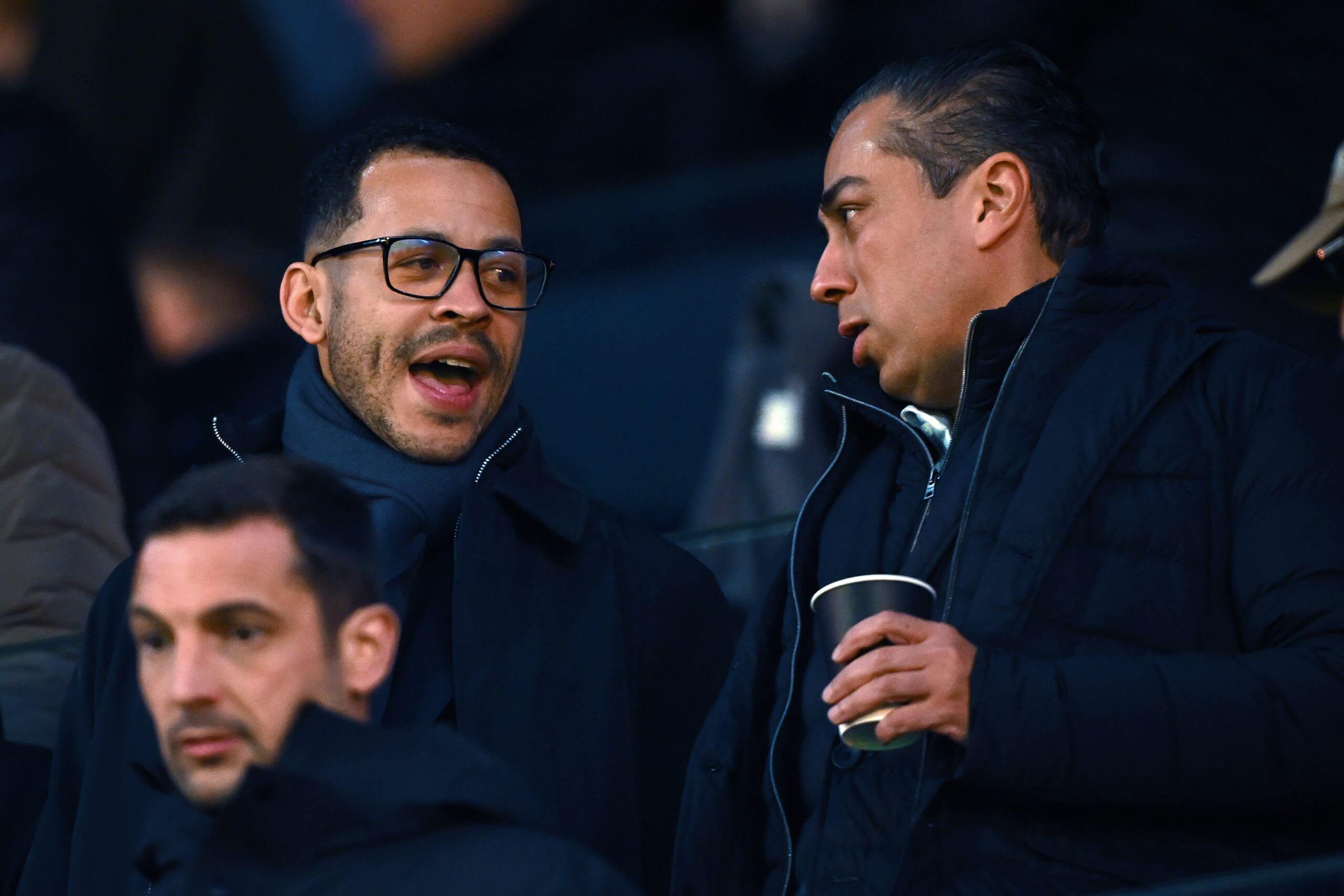
Rosenior alongside Behdad Eghbali, the Chelsea co-owner (Mike Hewitt/Getty Images)
BlueCo’s bet on Rosenior’s potential may simply be early rather than wrong. He has plenty of time to prove himself as a top-level coach elsewhere, and it would be a huge shame if this wretched Chelsea experience deters him or makes potential future employers wary. He has shown enough in his career to suggest that, at the right club, he could perhaps build a reputation and CV worthy of another opportunity like this one.
But ultimately, this came down to BlueCo betting on BlueCo against the entire conventional wisdom of elite football, and the reality that time and credibility at this unforgiving level only ever extend so far when results are poor. That lesson should have been learned with the failure of Graham Potter in Year One of this project. The fact that a similar storyline has played out in Year Four is less than encouraging, given how many big decisions Chelsea’s powerbrokers are facing.
Another summer of change is coming at Stamford Bridge, as Chelsea search for their fifth permanent head coach in four years of BlueCo ownership. If this hierarchy want to address their own worsening credibility problem with angry supporters and disaffected players, they need to make sure the figure they hire is one that everyone can believe in.