
TORONTO (Apr 23) — Another huge advantage is the enhanced experience. Many emulators offer features that the original hardware simply couldn’t provide. Think upscaled graphics, allowing you to play games in higher resolutions than the original DS screen. Some emulators even support save states, meaning you can save your progress at any point and pick up right where you left off, which is a lifesaver in those long RPGs or challenging platformers. You can also fast-forward through slower parts of games, or customize the controls to suit your preferences. Plus, let’s not forget the environmental benefit. You are saving your battery because you don’t need to carry the original hardware that uses the battery a lot more than emulators. This saves you from buying batteries or charging the console.
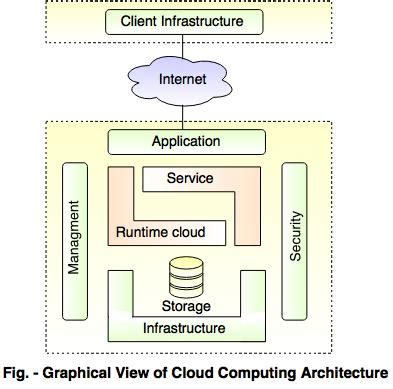
Understanding Breaking Down Cloud Computing Architecture This Week: An Overview
Finally, emulators can be a great way to preserve gaming history. Many older games are difficult to find or expensive to purchase. Emulators provide a way to experience these games that might otherwise be lost to time. Plus, it’s super cool to be able to play these games with people all over the world. There’s a strong community around retro gaming, and emulators help to keep these games alive. So, whether you are a long-time fan or a newcomer wanting to explore some classics, emulating Nintendo DS games on your iPhone is a fantastic way to do it. It combines convenience, enhanced features, and a love for gaming heritage, all in one neat package. Sounds pretty awesome, right?
See also: New Study Reveals Cloud Computing Architecture — And What Comes Next and the Impact of Heard
Okay, before you can start playing those awesome Nintendo DS games on your iPhone you’ll need to do a little bit of prep work to get your iPhone ready. The process is pretty straightforward, and I will guide you through all the necessary steps. First things first, you’ll need to make sure your iPhone is compatible. Generally speaking, any iPhone with a recent iOS version will be able to handle emulators. Check the App Store or the emulator’s official website for specific compatibility requirements. The older your iPhone is, the more likely you are to run into some performance issues, but even older models can usually handle these games pretty well.
Next, you will need to download an emulator from a trusted source. Because Apple’s App Store can be a bit restrictive with emulators, you might need to look outside of it, though some emulators are available there. When downloading from third-party sources, make sure you do your research and download from reputable websites to avoid any security risks. Once you have chosen your emulator, download and install it on your iPhone. You may need to trust the developer’s profile in your iPhone’s settings if you are installing from outside the App Store. Now, you need to find the game files, also known as ROMs. You can find these by searching online, and make sure that you are downloading ROMs of games that you own legally or are no longer available for purchase. Downloading ROMs of games you don’t own may be illegal depending on your location.
Once you have your ROMs, you’ll need to transfer them to your iPhone. Some emulators let you browse your files directly, while others require you to use file-sharing services like Dropbox or Google Drive. Make sure to consult the emulator’s instructions for the best way to add games. Now that you’ve got everything set up, open the emulator, select your game from the list, and start playing! If you are having trouble, check out the emulator’s documentation or search online for troubleshooting tips. Also, be aware of the emulator settings, as you can optimize them for the best gaming experience. This could involve adjusting the graphics settings, controls, or sound to match your preferences. Make sure to experiment with these settings to find what works best for you and your iPhone. By following these steps, you will be well on your way to playing your favorite Nintendo DS games on your iPhone.
In-Depth Analysis of Breaking Down Cloud Computing Architecture This Week
Alright, let’s dive into some of the best Nintendo DS emulators for iPhone out there. Choosing the right emulator can really make or break your gaming experience, so it’s super important to find one that fits your needs. Here are a few top contenders to get you started. First up, we have NDS4iOS. This is a popular choice among iPhone users, mainly because it’s super easy to set up and use. It has a user-friendly interface that makes navigating through your game library a breeze. While it might not have all the bells and whistles of some more advanced emulators, NDS4iOS provides a solid performance with most games, and it’s a great option if you’re looking for simplicity.
Next, let’s talk about iNDS. This emulator is known for its excellent compatibility and performance. It’s based on the popular DeSmuME emulator, meaning it benefits from the hard work of some of the best developers in the emulation scene. iNDS generally offers smooth gameplay and supports a wide range of Nintendo DS games. Plus, it has features such as save states and controller customization. It does require you to download from outside of the App Store, so make sure you follow the installation instructions carefully. You may need a computer or a cloud storage service like Dropbox to transfer the ROM files.
Another good choice is RetroArch. Now, RetroArch is not just a Nintendo DS emulator; it’s a multi-system emulator that supports a ton of different consoles, including the Nintendo DS. It’s a bit more advanced than the other emulators, with a complex interface, but it offers a ton of customization options and features. If you are familiar with emulation and want a lot of control over your experience, RetroArch is a great choice. You may need to download cores for different consoles, but once you set it up, you can play games from several platforms, all in one place. RetroArch is also known for its continuous updates and support from the emulation community. The versatility of RetroArch makes it a powerful option for gamers who love a wide range of retro titles. So, depending on your preferences, these emulators offer something for everyone. Whether you prioritize ease of use, compatibility, or advanced features, you will surely find a perfect one. It’s all about finding what works best for you and your gaming style.
So you’ve downloaded an emulator and are ready to play, but things aren’t running quite as smoothly as you’d hoped? No worries, let’s go over some common issues with Nintendo DS emulators for iPhone and how to fix them. A frequent issue is performance problems. If your games are running slowly, lagging, or freezing, this could be because your iPhone is struggling to keep up. First, try closing any other apps running in the background. Reducing the graphics settings in the emulator’s settings can also help to improve performance. Additionally, ensure your iPhone has enough storage space available.
What’s Next for Breaking Down Cloud Computing Architecture This Week?
Another common problem is issues with ROM files. Make sure your ROM files are correctly downloaded and are the correct file format, typically .nds. If the emulator can’t read your ROM files, the game won’t load. Double-check that you have transferred the files correctly to the emulator’s designated folder. Another issue can be that the games crash or freeze. This can happen due to compatibility issues or bugs in the emulator. Try updating your emulator to the latest version. If the problem persists, try using a different emulator. Sometimes, a specific game will have issues on one emulator but will run fine on another.
Also, keep in mind that the controls might be unresponsive or not working correctly. Most emulators allow you to customize the controls, so you can map them to the virtual buttons on the screen or connect a Bluetooth controller for a more traditional gaming experience. Go to the emulator’s settings to configure the controls. Finally, you might face some issues with audio. The audio might be glitching, distorted, or not working at all. Again, start by checking the emulator’s settings to ensure the sound is enabled and the volume is up. Some emulators have special audio settings that you can try to improve the quality. Sometimes, the issue is with your iPhone’s system settings. Make sure your iPhone isn’t on silent mode and the volume is up. If you try these steps, you should be able to resolve any common problems and get back to playing your favorite games. If you’re still stuck, check the emulator’s online forums or the community for more specific solutions.
Let’s talk about the legal and ethical sides of using Nintendo DS emulators on your iPhone. It is essential to be aware of the rules when emulating. Downloading and playing ROMs can be a legal grey area, and it’s super important to understand the laws and ethics involved. In most places, it is legal to emulate games that you own a physical copy of. This is because you are using the ROM for the purpose of preserving the game. However, downloading ROMs of games you don’t own is generally considered copyright infringement. This is because you are distributing or using a copy of the game without permission from the copyright holder.
So, if you want to play a game, you should own it. The legality of using emulators and ROMs also depends on your location, so check your local laws to find out the specific rules in your area. You can usually find the information on the copyright laws and fair use policies. When it comes to ethics, it’s also a good idea to consider the impact of your actions. If you download ROMs of games that you don’t own, you are essentially stealing from the developers and publishers who created the game. This can discourage them from creating new games and supporting the existing ones. Another ethical consideration is the preservation of gaming history. Some people argue that downloading ROMs is okay because it helps preserve games that might otherwise be lost. However, it’s also important to support the creators and publishers by purchasing the games if they are still available. So, when emulating Nintendo DS games, play by the rules. Be respectful of the rights of the copyright holders and developers. By being aware of the legal and ethical sides of emulation, you can make sure your gaming experience is fun and responsible.
Alright, guys, there you have it! You’re now equipped with the knowledge to play Nintendo DS games on your iPhone like a pro. We’ve gone over the benefits of emulation, the steps to get set up, the top emulators, how to troubleshoot any issues, and the legal and ethical sides of things. Playing these games on your iPhone is a fantastic way to relive the nostalgia and keep these classic titles alive. Remember to always download emulators and ROMs from trusted sources and to respect copyright laws. Happy gaming, and enjoy revisiting those amazing Nintendo DS adventures on your iPhone!
Hey there, travel enthusiasts! Are you dreaming of a Jamaican escape? Specifically, have you been eyeing the vibrant shores of Montego Bay? Well, you’re in for a treat! This article is your ultimate guide to unlocking the secrets of a Montego Bay day pass at all-inclusive resorts. We’re talking about a day of luxury, fun, and relaxation without the commitment of an overnight stay. Sounds amazing, right? Let’s dive into how you can experience the best of Montego Bay without breaking the bank or sacrificing your precious vacation time. Get ready to explore the options, understand the benefits, and make your Jamaican getaway unforgettable. Trust me; this is one adventure you won’t want to miss! We’ll cover everything from what a day pass actually is to how to choose the perfect resort for your needs. We’ll also explore the common amenities offered, tips for booking, and address some of the frequently asked questions. So, grab your virtual sunscreen, and let’s get started on planning your perfect day in paradise. Montego Bay day passes are a fantastic way to enjoy the all-inclusive experience without the full cost of a stay.