Kelli Harding began her career as a physician working in an emergency room, helping patients navigate both physical and mental health issues.
“As a young doctor, I was really interested in why it was that some patients defy disease,” she says. In her search to understand it, she came across a 1980 study called “Social Environment as a Factor in Diet-Induced Atherosclerosis,” which found that affection helped many of the adverse effects of an unhealthy diet in rabbits disappear.
That led Harding to the world of public health, and the realization “that so much of our health is determined from outside the hospital,” she says. Specifically, she found that compassion, kindness and human connection were critical. She ultimately released her book, “The Rabbit Effect,” in 2019.
Harding defines kindness as an act of generosity expecting nothing in return. When it comes to our communities and the people in our lives, “it’s kind of up to each of us to contribute to that on a daily basis,” she says. Here’s how.
‘Paying attention to someone else is probably one of the biggest gifts you can give’
In terms of how you can enact kindness yourself, it can be as simple as being present with the people in your life, whether that’s family, roommates, friends or a significant other.
“Paying attention to someone else is probably one of the biggest gifts you can give anyone,” she says. When you’re talking to someone, put your phone away and completely out of sight, she says. Even having it on the table can be a distraction.
Depending on your comfort level and relationship, a hug can go a long way, too. “Kind, welcome touch can do things like boost your immune system and lower your blood pressure and make you feel good,” she says.
‘Greening neighborhoods reduces rates of depression’
When it comes to your broader community, like your neighborhood, don’t underestimate the small gestures.
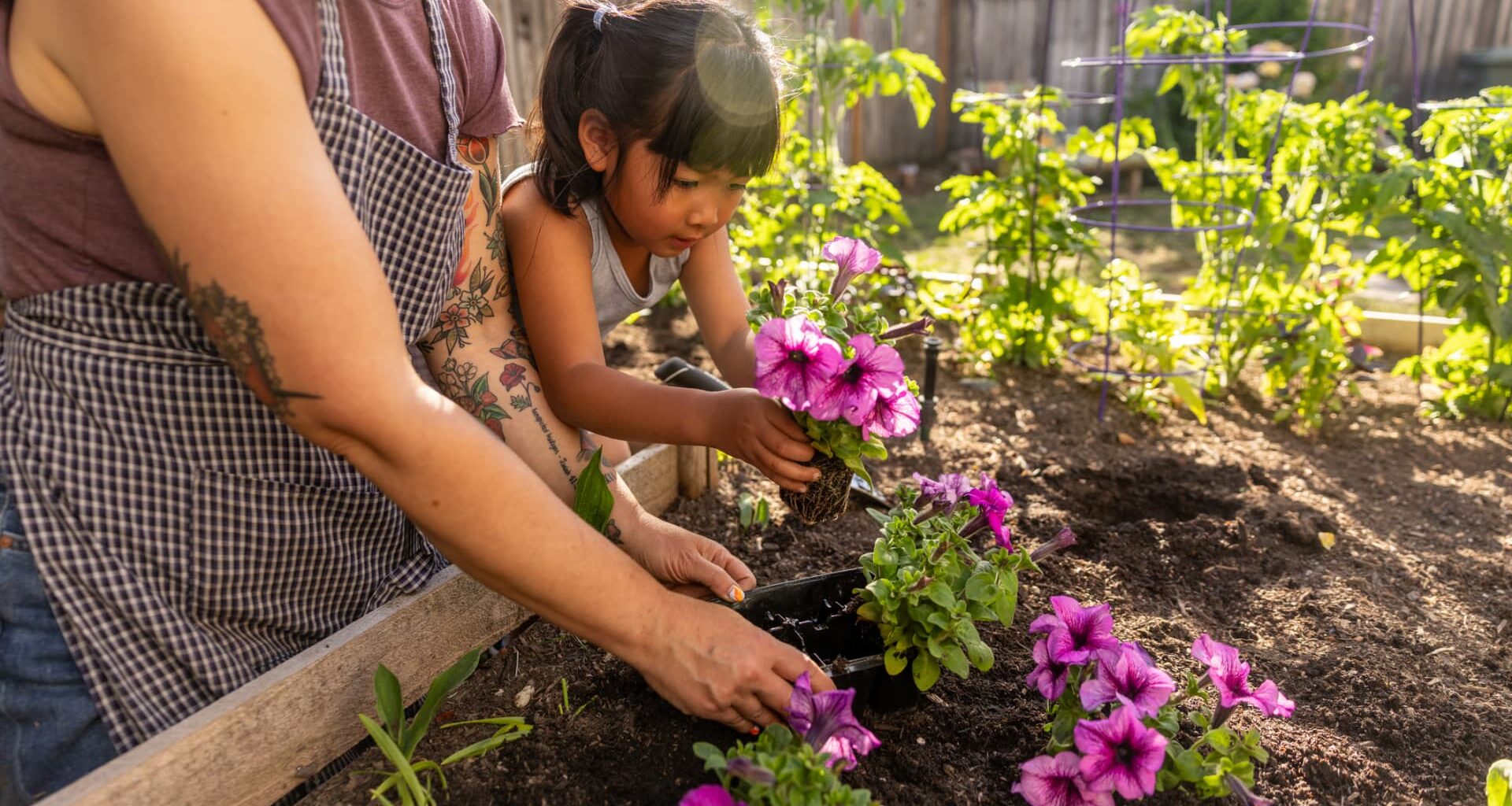
Something as simple as making eye contact and waving hello can be beneficial and create a bit more social connection, she says. And initiatives that beautify the neighborhood, like planting trees and flowers, can make a huge difference.
“There are studies that show that greening neighborhoods reduces rates of depression, reduces gun violence [and] reduces violence,” she says.
The bottom line is “how we show up to the world actually matters,” says Harding, “not just for our own health, but for the health of others.”
Want to get ahead at work? Then you need to learn how to make effective small talk. In CNBC’s new online course, How To Talk To People At Work, expert instructors share practical strategies to help you use everyday conversations to gain visibility, build meaningful relationships and accelerate your career growth. Sign up today! Use coupon code EARLYBIRD for 20% off. Offer valid from April 20, 2026 to May 4, 2026. Terms apply.
Take control of your money with CNBC Select
CNBC Select is editorially independent and may earn a commission from affiliate partners on links.