
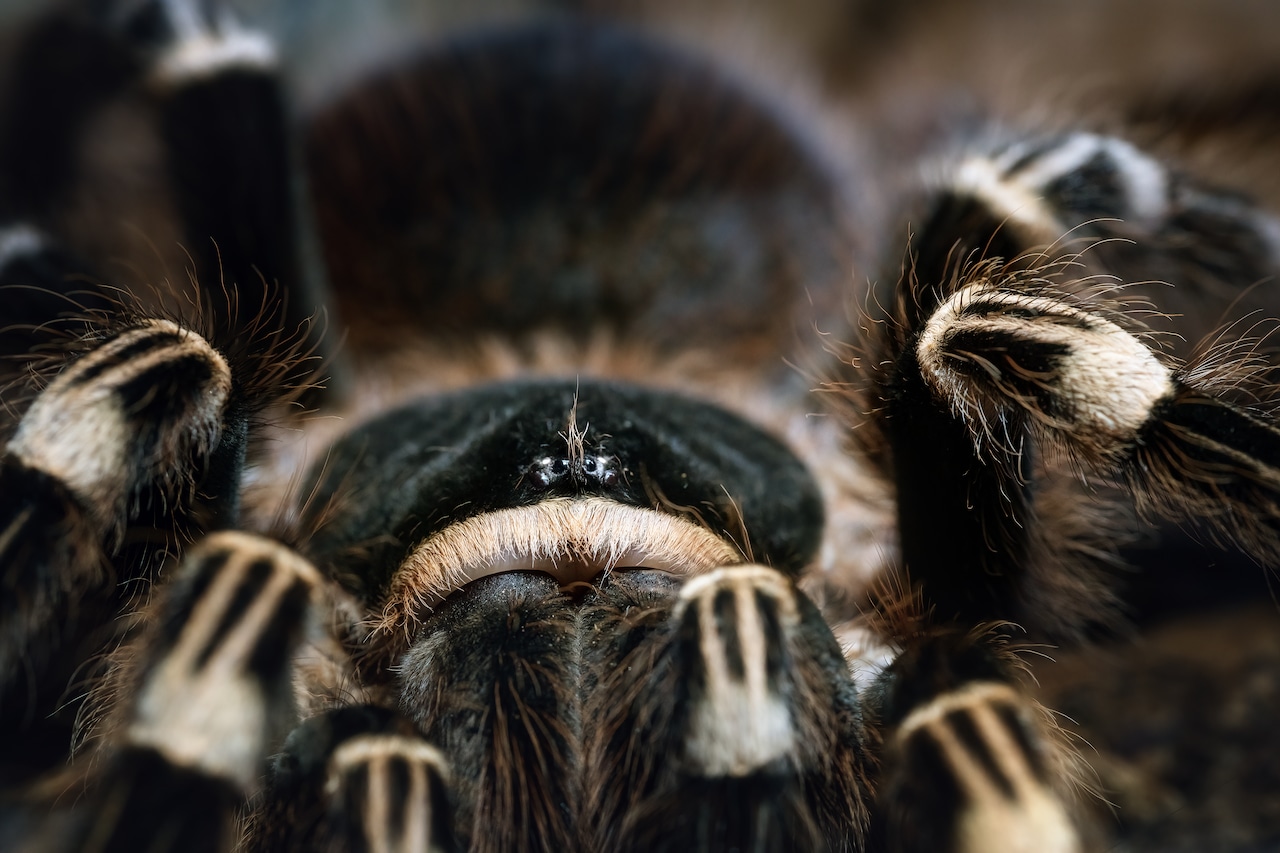
Apologies ahead of time for setting off your arachnophobia.
“Hordes” of tarantulas are purportedly getting ready to emerge in certain areas of the United States relatively soon.
According to USA Today, Pennsylvanians can rest easy, as tens of thousands of the hairy arachnids will be crawling out of their burrows in the Southwest and West, specifically California, Colorado, Kansas, New Mexico and Texas.
“If you’re lucky enough you can sometimes see them in hordes crossing the roads at certain times of the year,” explained senior environmental scientist with California State Parks, Dan McCamish.
As for why “lucky” people will get to see the tarantulas during this particular time of the year, the answer is that their mating season is night. Tarantula mating time will occur in the fall — so, September through November — mostly like when the first rain of the season, as “they really respond to the late summer warm and the increase in moisture,” McCamish states.
The San Diego Zoo Wildlife Alliance describes the tarantula as the world’s biggest spiders that reside in warm areas like rainforests or deserts.
“Once mature, a male tarantula abandons his burrow to seek a female by following the scent she leaves,” the zoo website reads. “The pair performs a courtship dance and then, if the male is deemed suitable, they mate.”
But before you, reader, get nervous about running into them in these areas, just know that the eight-legged creatures will be going about finding love when the sun goes down.
“As with most things that live in the desert in the summer, they’re general nocturnal,” McCamish said. “So unless you’re out in the middle of the night, which I don’t recommend for safety purposes, you likely won’t see them.”
Still, in the even you’ll be in any of the aforementioned states — whether as a resident or just someone on a trip — USA Today emphasizes that you should leave any tarantula you might see well alone. McCamish confirms there aren’t any tarantulas native to the U.S. that pose a serious threat to humans, and the best way to get them away from you is to poke them with a stick.
“Just give it a light ‘boop’ on the base of its abdomen and generally they’ll move in that direction,” McCamish advises.
If you purchase a product or register for an account through a link on our site, we may receive compensation. By using this site, you consent to our User Agreement and agree that your clicks, interactions, and personal information may be collected, recorded, and/or stored by us and social media and other third-party partners in accordance with our Privacy Policy.