
While everyone has different needs and wants when it comes to what a smartwatch will offer, there are a few non-negotiables. It needs to fit and look nice. It should be intuitive, both to manipulate the screen and use the companion app. Data tracking of fitness, health, and wellness needs to be accurate. And of course, you want good battery life. Consider that this wearable will be on you 24/7. Who wants to have to recharge a smartwatch in the middle of the day? And while even some of the best smartwatches need to be recharged at least nightly, the best smartwatches for battery life last well beyond just a single day.
These wearables are ideal for active individuals who do a lot of tracking and use their watch for apps, mobile payments, and more. Some even have battery saver modes that will keep you going with limited features until you get to the charger so you aren’t left staring at a black screen. They’re also great for travelers: imagine being able to go away for a weekend, even a week, and not have to bring your smartwatch charger with you!
I’ve tested dozens of Android watches across brands and not surprisingly, the ones that last longer between charges stand out for this reason in a big way. Here’s a round-up of the best ones.
Best overall
(Image credit: Michael Hicks / Android Central)
Best overall
Specifications
Battery life: 40 days / “Unlimited” with solar; Up to 24 days (AMOLED)
GPS battery: 60 / 145 hours with solar
Display: 1.1-inch (176 x 176) two-window MIP; 1.3-inch AMOLED 416×416 resolution
Smarts: LED flashlight, NFC, Body Battery, workout recs, recovery time, basic notifications
Sensors: Altimeter, compass, accelerometer, gyroscope, Elevate v4 HRM, SpO2
Weight: 58g (Solar) ; 59g (AMOLED)
Reasons to buy+
Excellent battery life, no solar panel required
+
Eye-sparing AMOLED upgrade
+
Typical Garmin GPS/ HR accuracy
+
Military-grade ruggedness & backup flashlight
+
Faster than Instinct 2 with new data
+
Surprisingly comfortable for size
Reasons to avoid-
Non-touch display, bulk, and buttons will turn off casual users
–
Very few smarts and last-gen sensors compared to Venu, Fenix
–
No offline maps in an adventure watch
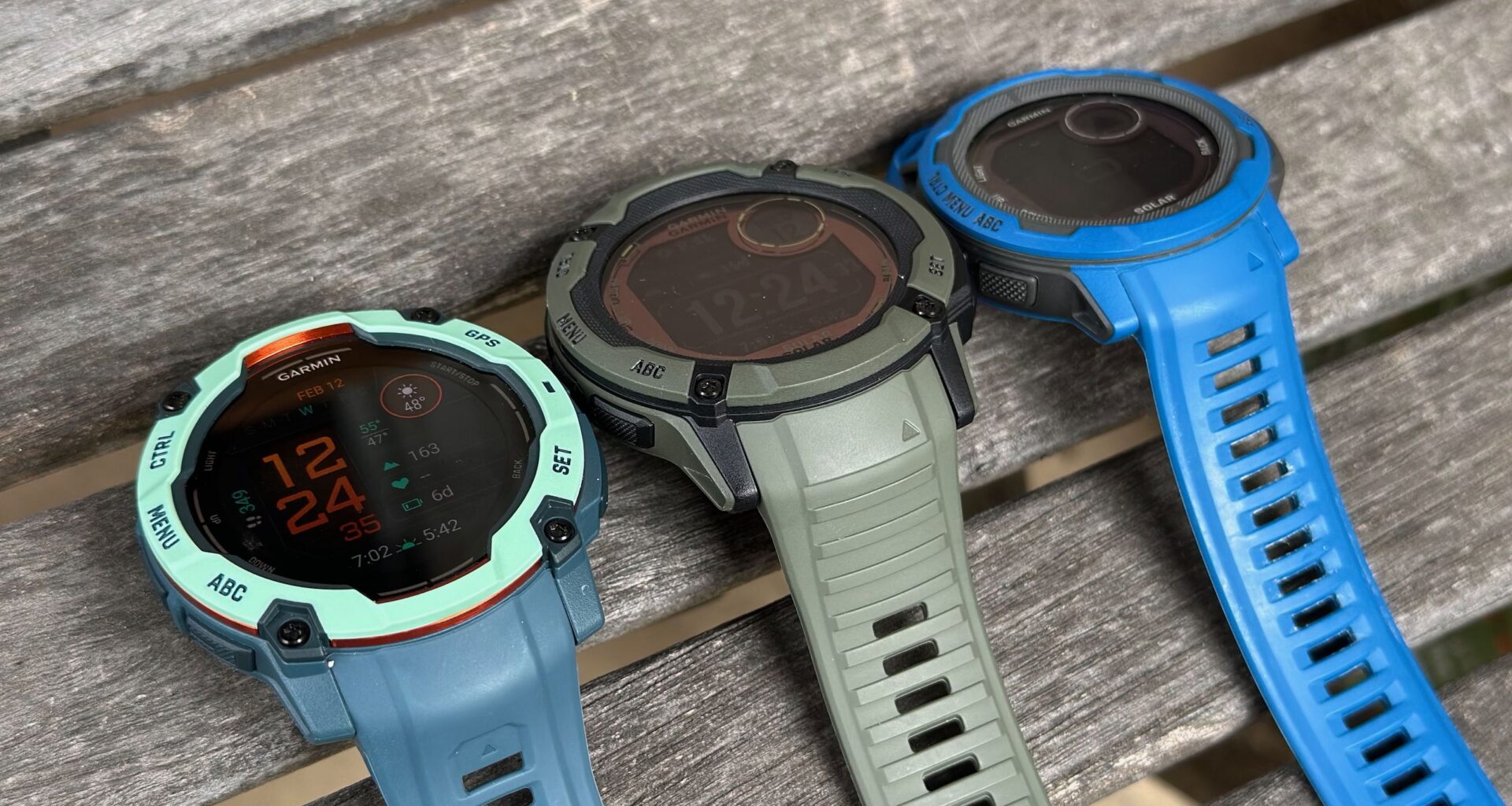
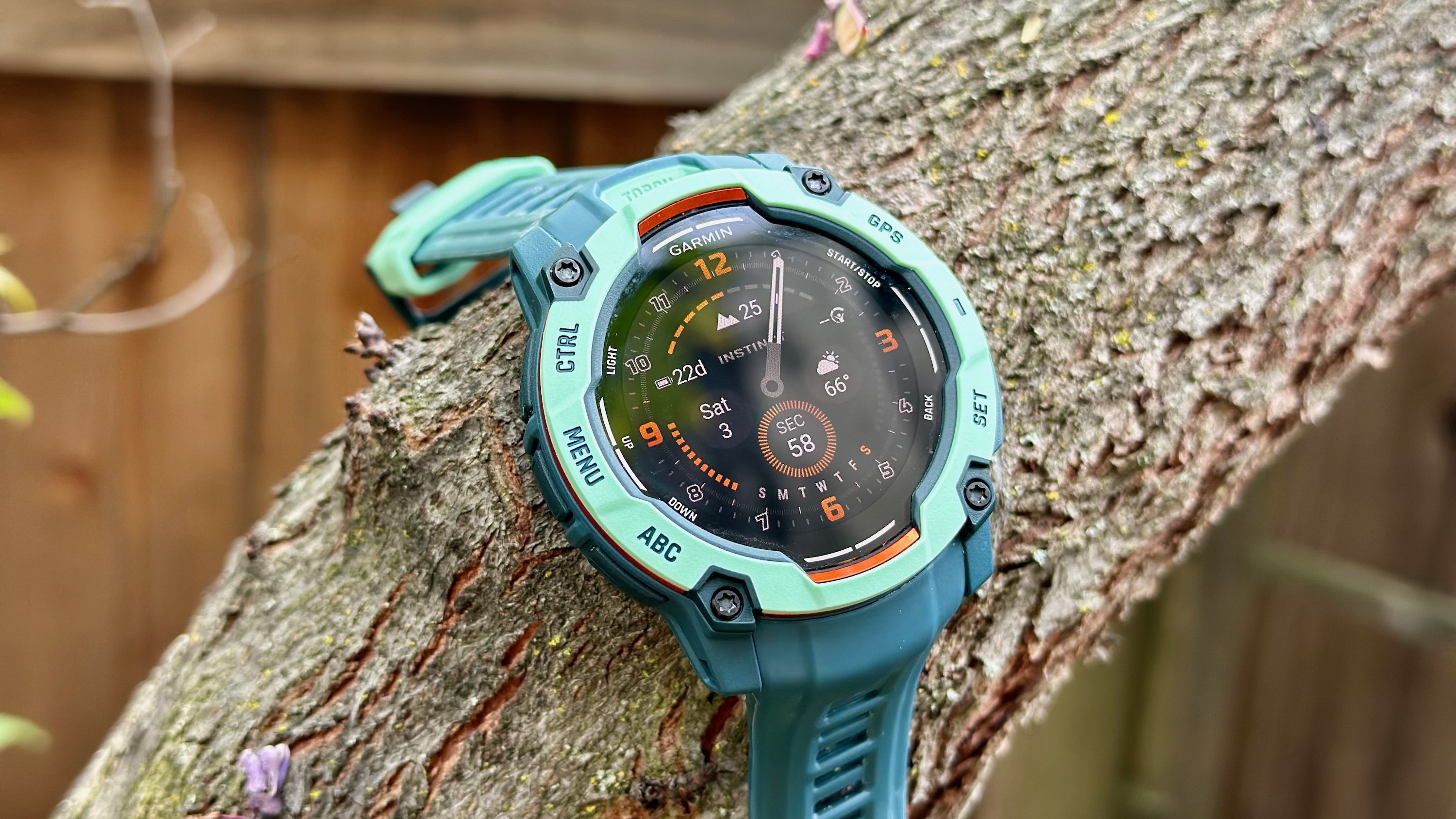
Our previous top pick, the Instinct 2X Solar, finally has a worthy successor in the form of the Garmin Instinct 3. It comes in two variants — the Garmin Instinct 3 Solar and the Garmin Instinct 3 AMOLED. The latter still has a non-touch display but you get a sharper and more vivid screen similar to a regular smartwatch.
The Garmin Instinct 3 Solar uses a better solar panel compared to the Instinct 2X, thereby giving you better battery life. As long as you can find a decent light source, you can keep using the watch indefinitely without needing to charge it. It also looks more stylish and is lighter than the 2X.
The Garmin Instinct 3 AMOLED lacks the solar panel but it can still offer 18-24 days of battery life, which is equally impressive. It’s a chunky little thing with slightly sluggish performance with every button press. This is not the watch for casual users. It’s also a bit more expensive than the Solar variant. However, if you’re serious about tracking your runs accurately, you won’t find a better option than this.
Swipe to scroll horizontallyGarmin Instinct 3 scorecard
Attribute
Quick look
Score
Battery life
Not “unlimited” like the solar version but still very good
★★★★☆
Display
Very readable outdoors, bright and sharp AMOLED panel
★★★★☆
Design
Ruggedness and cool outdoorsy feel
★★★★☆
Price
Expensive compared to the Solar variant
★★★☆☆
Software
Excellent for fitness tools, but missing mainstream smarts like offline maps, music, Bluetooth calling
★★☆☆☆
Health
Excellent accuracy for standard metrics and all-day SpO2 data, but no ECG or skin temp
★★★☆☆
Fitness
Will absolutely help you improve as an athlete, with no subscription required
★★★★☆
Best Wear OS
(Image credit: Nicholas Sutrich / Android Central)
Best for Wear OS
Specifications
Battery life: 72–120 hours
Display: 1.5-inch (466×466) LTPO AMOLED
Smarts: Wear OS apps, NFC, Google Assistant, actionable notifications
Sensors: HR, SpO2, accelerometer, barometer, gyroscope
Weight: 81g
Reasons to buy+
Dual-engine architecture handles background tasks and apps separately
+
Offers full Google app suite via Wear OS
+
Colorful DC-dimmed display
+
Strong dual-band GPS performance
+
Epic 4-6 day battery life
Reasons to avoid-
No female health tracking
–
No ECG in North America
–
No LTE option
–
Only 2 OS updates
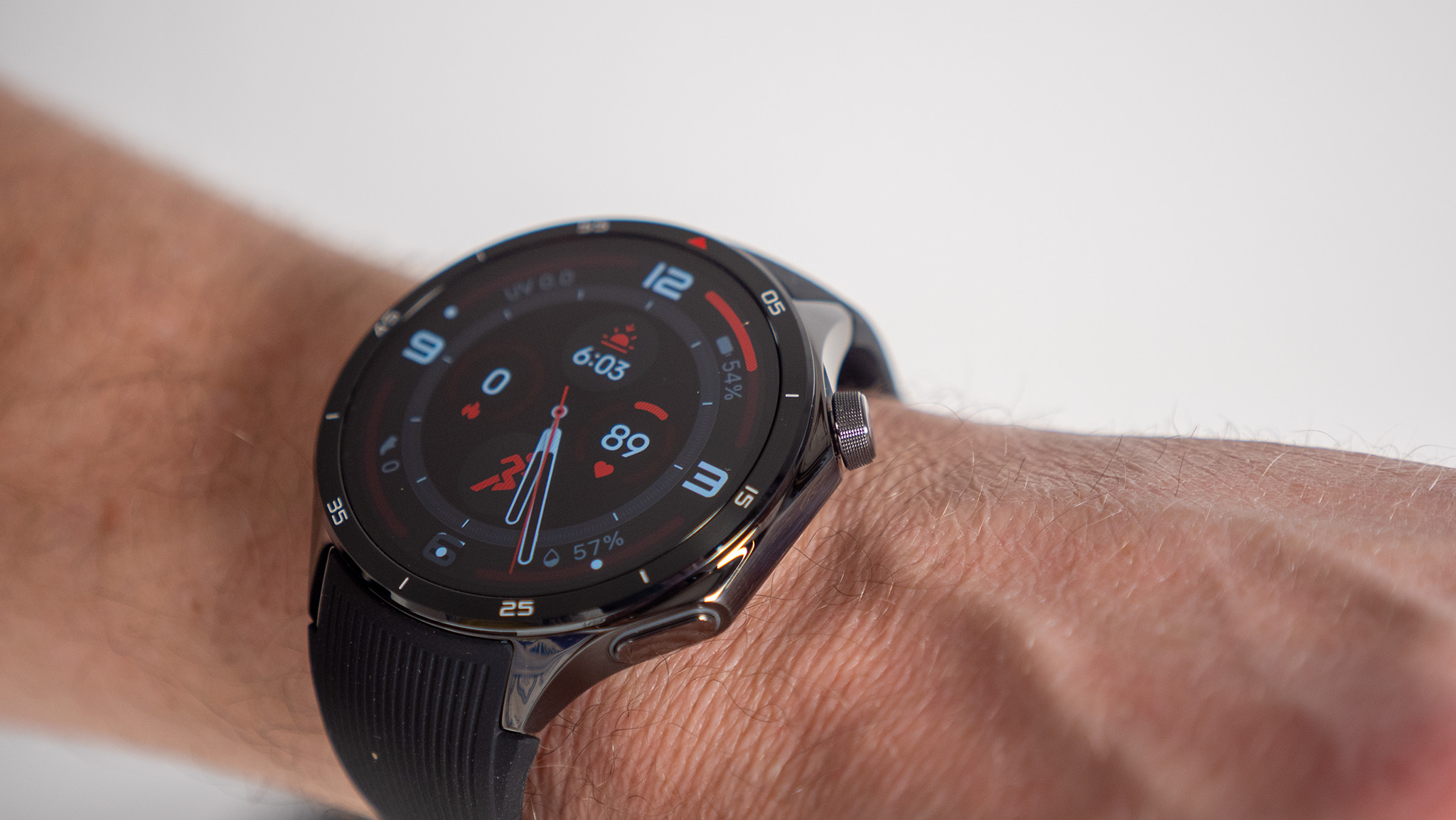
While you’ll get about 48 hours from a typical Samsung Galaxy or Google Pixel watch, the OnePlus Watch 3 blows this out of the water with 72 to 120 hours, or 3-5 days. This does depend on your settings and how much you use apps. Nonetheless, it’s an excellent, practical option if you need proper smarts with long battery life.
The smartwatch lasts longer thanks to the Wear OS Hybrid Interface, which assigns background tasks like health tracking and notification to the low-powered coprocessor to save battery life. Every Wear OS watch has this tech, but OnePlus uses its own RTOS for these tasks and is more efficient for whatever reason. According to our OnePlus Watch 3 reviewer, he regularly got 4 days of use even with the AOD on, sleep tracking all night, and logging an hour workout per day.
A Power Saver mode also extends the battery life to 16 days, four more days than the previous generation but still long-lasting OnePlus Watch 2. Our reviewer notes that he did not experience any of the heart rate sensor or occasional notification issues with Power Saver mode in the OnePlus Watch that he did with the OnePlus Watch 2, suggesting you also get improved health tracking.
However, since using Power Saver mode turns off most of the smarts that make the Watch 3 worth picking over a fitness watch—from the Wear OS apps and Google Assistant to health tracking—you will probably only use it when you really have to, like to get through a night out. What matters more is its faster VOOC charging, which tops off the massive 631mAh battery at lightning speed. Our reviewer said he got to 75% in just 20 minutes, up to full in another 20.
You can also consider the OnePlus Watch 2R variant of the previous-gen model, which has the same hardware, battery, and software but a lighter, less rugged design. Any of the three models could have taken this slot.
Swipe to scroll horizontallyOnePlus Watch 3 scorecard
Attribute
Quick look
Score
Battery life
Consistently long-lasting thanks to hybrid OS
★★★★☆
Display
Large and high-res, average brightness, no smaller size option
★★★★☆
Design
MIL-STD-810H and attractive design, wish it had a smaller size option
★★★☆☆
Price
Excellent price for what it offers
★★★★☆
Software
Wear OS with promised software support, Google Assistant, third-party apps
★★★★☆
Health
Missing some essentials, but an improvement from the Watch 2
★★★★☆
Fitness
Accurate dual-band GPS, but lacking on training tools and metrics
★★★☆☆
Best budget
(Image credit: Michael Hicks / Android Central)
3. Amazfit Bip 6
Best budget
Specifications
Battery life: 14 (Typical use) to 26 days (Battery Saver)
GPS: Built-in
Display: 1.97-inch (390×450) AMOLED display
Smarts: 140+ Sport modes, Cycle Tracker, PAI score, basic notifications
Sensors: HR, SpO2, accelerometer, geomagnetic
Weight: 27.9g
Reasons to buy+
Very affordable
+
Good location tracking
+
Long battery life
+
Light and comfortable
+
Large AMOLED display
Reasons to avoid-
Active 2 is available for just $15 more
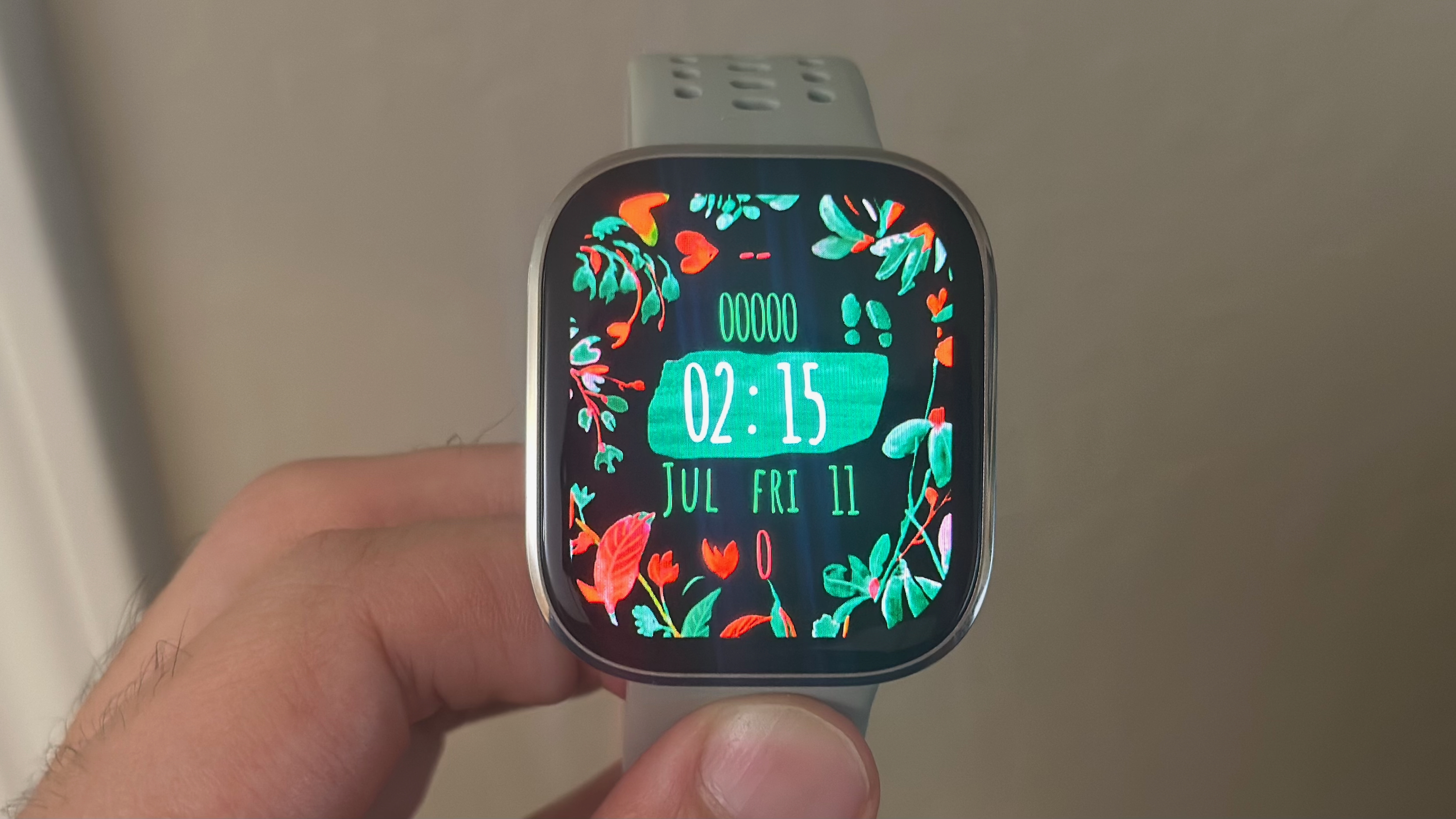
Fitness trackers are pseudo-smartwatches, and some are worth including because they are designed to look like smartwatches with some advanced features. Plus, they last one or two weeks per charge and cost significantly less than true smartwatches. For those looking for the best budget option, something like the Amazfit Bip 6 is exactly what you want.
The Amazfit Bip 6 has a fully customizable watch face that lets you edit its information. You can also also visit the app for more watch face options. The watch shows data for your active minutes, standing time, and steps. It’ll also show your stress levels, and you can do handy things like control your music from the watch screen.
Despite being so cheap, the Bip 6 has fitness insights you’d typically only find on fancier watches like VO2 Max, training load/effect, and recovery time. You even get a large and bright AMOLED display, built-in mic and speaker for calls, 5ATM water resistance, built-in GPS, over 140 sport modes, and the same HR, SpO2, and stress measurements as pricier Amazfit watches.
What’s most incredible is that it can last for up to two weeks per charge, despite offering all this tracking. While this is drastically reduced to six days with heavy use, even if you go by reviewers and users who claim it realistically lasts closer to four days, that’s still pretty impressive for a smartwatch-like tracker. There’s even a battery saver mode that extends it to up to 26 days.
Alternatives: We haven’t reviewed the Xiaomi Smart Band 9, but it has a 1.62-inch AMOLED, a Vitality points system similar to PAI, and up to 21 days of battery life, all for about the same price.
Swipe to scroll horizontallyAmazfit Bip 6 scorecard
Attribute
Quick look
Score
Battery life
Impressive longevity in a compact device
★★★★☆
Display
Surprisingly bright
★★★★☆
Design
Not especially attractive or rugged, pretty basic
★★☆☆☆
Price
Can’t be much cheaper, but doesn’t feel excessively cheap
★★★★★
Software
Plenty of tracking modes and built-in GPS
★★★★☆
Health
Gives you data on the essentials
★★★☆☆
Fitness
More than 140 sport modes like indoor and outdoor activities
★★★☆☆
Best hybrid
(Image credit: Michael Hicks / Android Central)
Best hybrid
Specifications
Battery life: 30 days
GPS: Connected GPS only
Display: 0.63-inch (282 PPI) grayscale OLED
Smarts: Activity / sleep tracking, basic notifications
Sensors: HR, SpO2, ECG, 24/7 skin temp, accelerometer, altimeter
Weight: 74g
Reasons to buy+
Excellent battery life
+
All the health sensors you need
+
Stylish hybrid design
+
Unique 24/7 skin temperature sensor
+
FDA-approved ECG readings
Reasons to avoid-
Petite grayscale display can’t show much
–
Missing contactless payments, built-in GPS, and calling
–
Some reports require Withings+ sub
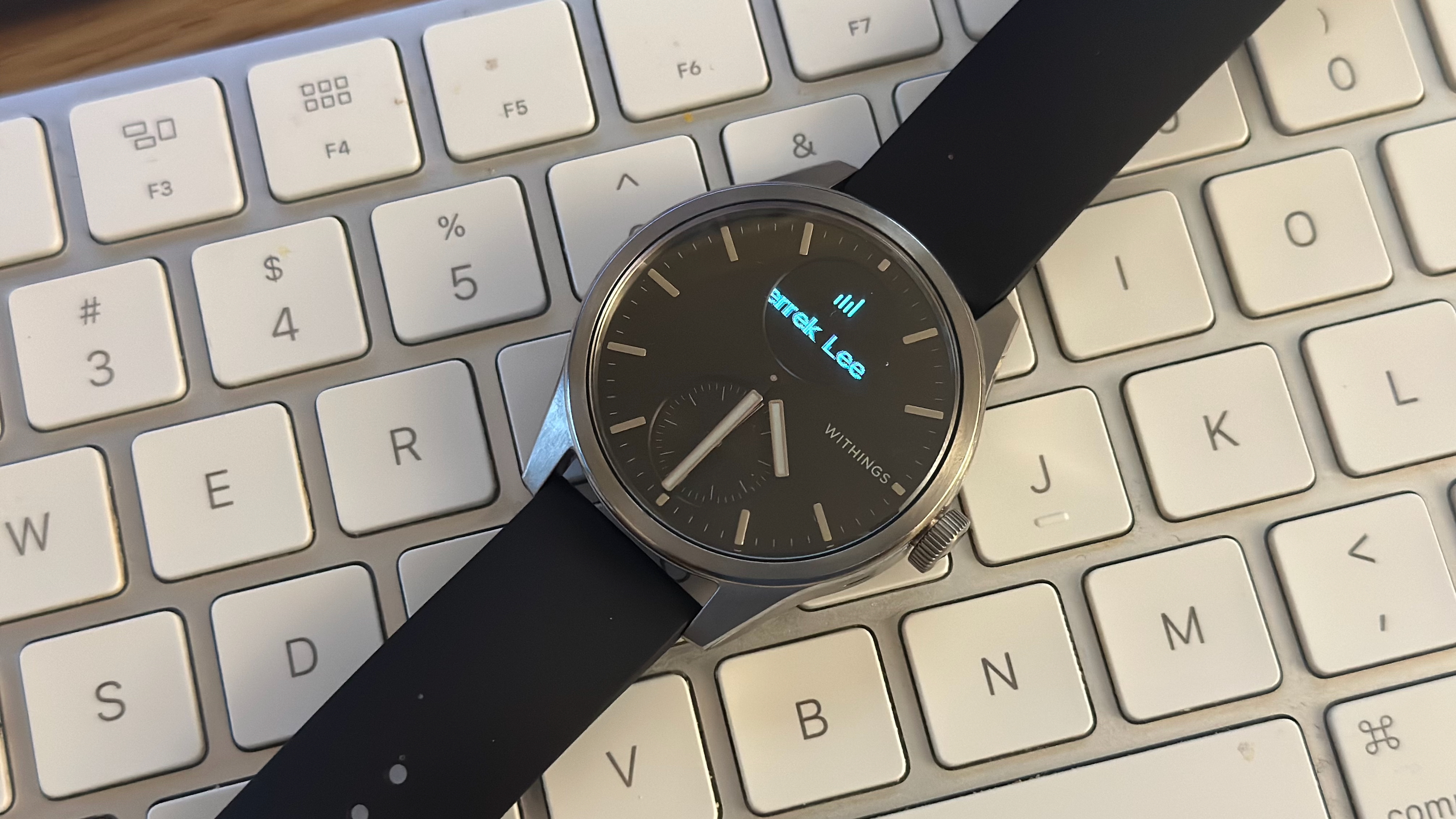
I reviewed the Withings ScanWatch 2 earlier this year, which barely uses any battery per day, tracks a ton of health data, and keeps things simple, using its tiny OLED display portion to show a little information at a time.
To put it bluntly, many of the best smartwatches for battery life are ugly; they’re basic squircles or thick plastic behemoths. The ScanWatch 2 isn’t what you’d call light, but it has a stainless steel chassis and traditional watch hands have a classic charm. It blends in as a more classic watch and seamlessly integrates into your daily routine.
Withings released a refreshed 2025 variant with 35 days of battery life, vs. 30 days on the previous model. You’ll get data on your heart rate, heart rhythm, blood oxygen, breathing rate, sleep quality, and skin temperature, with FDA-approved precision for its active ECG readings for AFib. Several of our other recommended options track the same data, but only the ScanWatch 2 has 24/7 skin temperature data for health insights.
You may not hit 35 days precisely if you regularly work out (because of the always-active display) or enable every health tracking tool like blood oxygen. I got at least two to three weeks per charge with daily workout tracking. I love that even when the battery is at 0 percent, you’ll still get some sleep and basic step tracking for a time until you finally make your way over to the charger.
Alternative: The Garmin Instinct Crossover has a classic fitness watch look with hands that move to the 3-9 spots to make room for notifications, and it lasts 28 days (or 70 if you pay for solar) per charge. We have plenty of thick, data-packed watches on this list, so I figured Withings offered better variety.
Swipe to scroll horizontallyWithings ScanWatch 2 scorecard
Attribute
Quick look
Score
Battery life
Good efficiency for a hybrid watch
★★★★☆
Display
Barely counts as a display, but it clearly displays notifications and apps
★★☆☆☆
Design
People will love the Classic steel aesthetic and crown
★★★★★
Price
About average compared to mainstream smartwatches; you may want the monthly sub
★★★☆☆
Software
Doesn’t really have any; it’s a hybrid!
★☆☆☆☆
Health
All of the accurate health data you could want, pairs with your smart scale
★★★★★
Fitness
No built-in GPS, has some basic sport modes and Withings+ workouts
★★☆☆☆
Best premium

(Image credit: Michael Hicks / Android Central)
Best premium
Specifications
Battery life: 72 hours
GPS battery: 13–16 hours
Display: 1.5-inch (480×480) AMOLED, 3,000 nits
Smarts: Wear OS apps, Google Assistant / Bixby, NFC, Galaxy AI (Energy Score, Sleep Coach), actionable notifications
Sensors: Optical HR, ECG, BIA, SpO2, accelerometer, barometer, gyroscope, light, temperature
Weight: 94g (Marine band)
Reasons to buy+
Unique, MIL-STD-810H-level design
+
Excellent GPS accuracy and solid HR accuracy
+
Brighter display than most watches
+
LTE antenna included
+
Fast, efficient Exynos performance
+
2025 model has 64GB storage
Reasons to avoid-
Heavy titanium design with no crown or buttons
–
New multi-color LEDs don’t do much of anything yet
–
Painfully pricey without a trade-in deal
Although the OnePlus Watch 3 has the battery life you crave, it may not have the polished software you want. Google may develop first-party Wear OS, but Samsung’s One UI Watch spinoff is the most popular Android watch option. Samsung promises four years of software version updates, adding new tricks yearly. The Galaxy Watch Ultra is the better device, with three to four days of battery life, military-grade ruggedness, and software perks.
I’ve reviewed the Galaxy Watch Ultra and am impressed by its speedy performance. The smartwatch’s 3nm Exynos CPU is more efficient than most watch chips and loads apps in a snap without burning the battery. It also has the upside of dual-band GPS and heart rate data, which did impressively well in my fitness testing.
The Galaxy Watch Ultra battery didn’t impress me at launch, but it was because of some initial software issues that were draining the battery. Since Samsung fixed the problem, the watch consistently lasts three days with AOD active, barely using any battery during sleep tracking or when idle on my wrist. It’s not a perfect device, but it certainly feels like a flagship watch. You’ll value the 3,000-nit display (only matched by the Apple Watch Ultra 2), the voice assistant commands, and the third button for quick fitness app shortcuts.
Note that Samsung introduced a 2025 version the Samsung Galaxy Ultra with a few minor upgrades. This includes a new Titanium Blue finish option along with double the storage for music and apps at 64GB, and One UI out of the box, which adds features like antioxidant index, Running Coach, Bedtime Guidance, Vascular Load, and built-in Gemini access. But all of these OS features are available with the Samsung Galaxy Watch Ultra (2024) as well with the update.
Alternative: The Apple Watch Ultra 3 is an obvious alternative for iOS users, as Samsung borrowed heavily from it when designing its own Ultra. Still, that watch will barely last two days, giving Samsung the edge. For Android users, I’ll point back to the OnePlus Watch 3. For either if you’re a serious runner, consider the new Amazfit Cheetah 2 Pro, which boasts up to 17 days battery life, though only 29 hours when using continuous GPS.
Swipe to scroll horizontallySamsung Galaxy Watch Ultra scorecard
Attribute
Quick look
Score
Battery life
Longer-lasting than most mainstream watches
★★★★☆
Display
Large, vivid, and smooth display; only comes in one size
★★★★☆
Design
Durable and stylish, though heavy and lacks buttons/crown of other picks
★★★★☆
Price
Look for a trade-in deal, as this is quite expensive
★★☆☆☆
Software
Four years of Wear OS, Google Assistant, third-party apps
★★★★★
Health
Highly respected Samsung Health metrics with no subscription
★★★★☆
Fitness
Comparable GPS and HR accuracy to Garmin watch in tests; may be uncomfortable for sleep tracking; no training plans
★★★☆☆
Best longevity

(Image credit: Brady Snyder / Android Central)
6. Garmin Enduro 3
Best longevity
Specifications
Battery life: 36 / 90 days with solar
GPS battery: 120 / 320 hours with solar
Display: 1.4-inch (280×280) MIP
Smarts: LED flashlight, NFC, Topo maps and courses, suggested running/ strength workouts, recovery time, basic notifications
Sensors: HR, SpO2, ECG, skin temp, accelerometer, altimeter, compass, gyroscope
Weight: 63g
Reasons to buy+
Insane battery life with fast solar recharge
+
Built-in flashlight
+
Surprisingly lightweight for its size
+
HR, HRV, ECG, SpO2, and skin temp
+
In-depth map and navigation tools
Reasons to avoid-
Price will give you sticker shock
–
Choose Fenix 8 Solar for a more premium design
–
Limited smarts
If you care solely about raw battery numbers, then the Garmin Enduro 3 is your watch. It can last an outrageous three months per charge with daily solar recharges or just as long indoors in battery-saver mode. You might “only” get a few months if you regularly use dual-band GPS tracking, but it’s still in a distinct league from any other watch.
While I technically haven’t tested the Garmin Enduro 3 yet, I’m testing the Fenix 8, which launched simultaneously and has most of the same software. Both are flagship Garmin models that share most of the exact software perks.
It has built-in TopoActive maps for exploring national parks, with NextFork telling you what trailheads are ahead and a new “dynamic round trip routing” tool to choose the correct trail look to be home at a specific time, all visible mid-hike on your wrist. You can even subscribe to fancier Outdoor+ maps for satellite imagery. It’s still a MIP display, so it saves on battery and looks fantastic in direct sunlight (where it’ll recharge energy as you trek).
With the Enduro, you get all of the perks of the high-end Garmin Forerunner 965, but with 90 dual-band GPS hours instead of 19. You also get unique sports insights for activities like golf, back-country skiing, surfing, and cycling that many won’t need, but some will really benefit from. Of course, all its “smarts” are fitness-related; you won’t get an assistant, calling, or third-party apps.
Alternative: The Enduro 3 is costly, so look for older generations of Enduro or Fenix that might lose a month or two of battery but still last plenty long for most. The Fenix 8 Solar comes in more sizes, has a built-in mic & speaker, and looks more stylish. If you’re looking for a long-lived MIP option from another brand besides Garmin, I’ll point again toward COROS.
Swipe to scroll horizontallyGarmin Enduro 3 scorecard
Attribute
Quick look
Score
Battery life
Top-class for standard and solar battery
★★★★★
Display
If you don’t mind MIP, this gives you all the space you need
★★★★☆
Design
Comfortable weight, titanium bezel, useful buttons
★★★★☆
Price
Only accessible to well-off athletes
★☆☆☆☆
Software
Missing some of the Fenix 8’s tricks
★★☆☆☆
Health
Accurate and in-depth data like Body Battery and ECG readings
★★★★☆
Fitness
All of the training tools you could ever want
★★★★★
Honorable mentions
I recommended alternatives throughout this guide because battery life is just one consideration when choosing a smartwatch. Some might do better for battery but worse in other areas. So, along with the picks above, I’m including a few alternate selections I’ve personally tested and wholeheartedly recommend.
Best cheap running watch
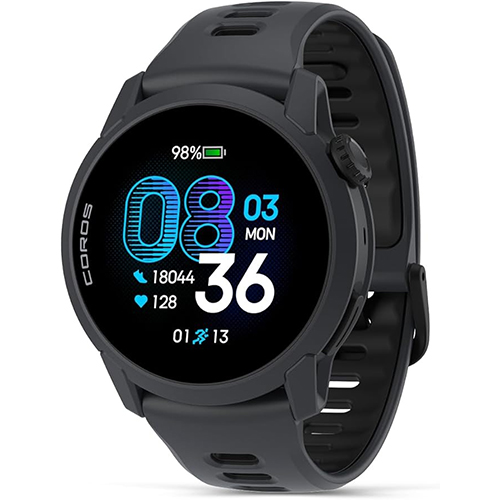
One of the best running watches, the COROS PACE 4 lasts 19 days with continuous heart and stress readings, and the 2.5D AMOLED display makes it a joy to use. It has advanced EvoLab training metrics and, at 32g, weighs about a third of what many of our top picks weigh, making it highly comfortable.
No solar required for power
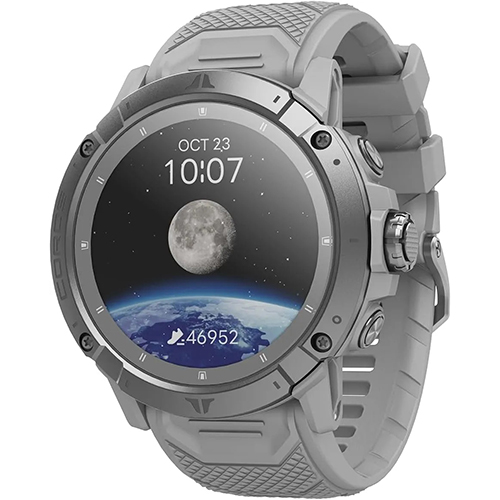
This heavy, expensive watch doesn’t have the hook of solar recharging, but on its own merits, it’ll last 36 days with HR and HRV checks, or up to 118 hours of GPS tracking. You’ll rarely find any smartwatch hitting those numbers. This watch is designed with serious climbers or skiiers in mind, people who need a rugged watch that won’t quit across long excursions.
Up to 10 days
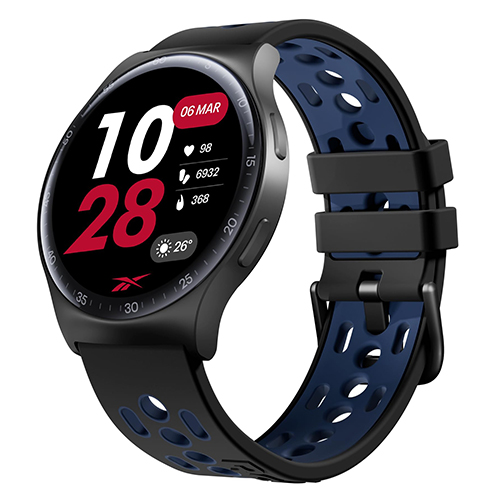
In real-world scenarios, even with the always-on display, the Reebok Pulse lasts for about a week per charge, which is pretty impressive. While it isn’t as reliable as others for things like sleep tracking and caloric burn, it’s a decent smartwatch for entry users at a fab price. But the best part? You’ll only need to charge it 4-5 times per month.
Entry-level runners
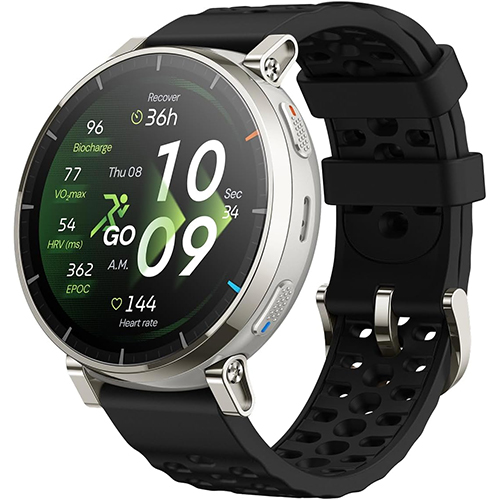
For those just getting started on their running journeys, the Amazfit Active 3 Premium will give you a solid up to 12 days battery life with regular use, 7 even with heavy activity. While GPS will impact battery life, the six-satellite positioning, offline maps access, and integration with third-party apps make it a good option.
Comparing battery life across brands
Our guide is focused on the best smartwatches for battery life, which means focusing on other aspects besides longevity. If you’re mainly interested in finding specific data on battery life, and want more options than what we’ve tested for ourselves, the tables below will give you the data you need.
First, we’ll break down the longest-lasting MIP and AMOLED watches and split them into their own tables. Many runners prefer the longevity of MIP tech, while others prefer the visual upgrade of AMOLED and don’t mind losing some battery life for it.
Our tables focus on each brand or subbrand’s best battery watch options rather than listing dozens of options.
Swipe to scroll horizontallyBest MIP fitness watches for battery life
Watch
Daily battery / with solar
GPS / with solar
Dual-band GPS / with solar
COROS APEX 2 Pro
24 days
66 hours
24 hours
COROS PACE 3
17 days
38 hours
15 hours
COROS VERTIX 2S
40 days
118 hours
43 hours
Garmin Enduro 3
36 / 90 days
120 / 320 hours
60 / 90 hours
Garmin fenix 8 51mm Solar
30 / 48 days
95 / 149 hours
52 / 65 hours
Garmin Forerunner 955 Solar
15 / 20 days
42 / 49 hours
20 / 22 hours
Garmin Instinct 2X Solar
40 days / “Unlimited”
60 / 145 hours
27 / 36 hours
Polar Pacer Pro
7 days
35 hours
N/A
Swipe to scroll horizontallyBest AMOLED fitness watches for battery life
Brand
Daily battery life
GPS battery life
Dual-band GPS
Fitbit Sense 2
6 days
5 hours
N/A
Garmin fenix 8 51mm AMOLED
29 days
84 hours
62 hours
Garmin Forerunner 965
23 days
31 hours
19 hours
Garmin Venu 3
14 days
26 hours
N/A
Garmin Vivoactive 5
11 days
21 hours
N/A
Polar Vantage V3
10 days
Unknown
43 hours
Suunto Race
16 days
65 hours
50 hours
Xiaomi Smart Band 8 Pro
14 days
Unknown
Unknown
We’re also listing out mainstream watches that we’ve specifically tested or reviewed and can recommend on their own merits unrelated to battery life. You can decide what battery life number is good enough for your needs!
Swipe to scroll horizontallyWear OS and WatchOS battery life
Watch name
Daily battery life
Power Saver
GPS battery life
Apple Watch S series
18 hours
36 hours
7 hours
Apple Watch Ultra 2
36 hours
72 hours
12 hours
Samsung Galaxy Watch 7
40-48 hours
~72 hours
Unknown
Google Pixel Watch 3 45mm
48 hours
~72 hours
~10 hours
Samsung Galaxy Watch Ultra
72 hours
100 hours
13 hours
OnePlus Watch 3
72 hours
16 days
Unknown
Mobvoi TicWatch Pro 5 Enduro
90 hours
45 days
Unknown
FAQHow do I charge my smartwatch?
As with most Android devices, your smartwatch should come with a charging cable and instructions on how to use it. Some watches have a USB port built directly into the device but most support wireless charging. To charge your smartwatch, grab the charger that came with the device and connect one end to the watch while plugging the other end into a wall outlet. Connect the smartwatch by lining up the sensors: some click into place, some magnetically connect. The smartwatch display should then show the device’s current charging status to confirm that it’s working.
Are smartwatches safe?
Smartwatches are widely considered safe for most healthy people to use, and they can actually contribute to better overall health through features such as heart rate monitoring, fall detection, and sleep tracking.
Although the benefits are largely thought to outweigh the risks, smartwatches are known to emit small amounts of EMF (electromagnetic field) radiation, just like smartphones and other wireless devices. Most mainstream smartwatch manufacturers design their wearables with the strictest safety standards in mind, but if you’d like to reduce your exposure to EMF radiation, consider taking off your smartwatch at certain points throughout the day, or turn on airplane mode when the device isn’t in use.
Are smartwatches waterproof?
Although most smartwatches aren’t technically “waterproof”, the vast majority of Android wearables on the market are designed to be water-resistant. This means that most models can withstand some moisture from rainfall or the occasional splashes of water, while others may be resistant enough to be used in a swimming pool.
When picking out a smartwatch, be sure to check the product’s water-resistance rating. These generally appear as ATM (Atmospheres) ratings or IP (ingress protection) ratings. A watch with a 5 ATM rating can be using in a swimming pool, for instance, while a device with IPX8 protection can be submerged in water for a limited time. Note, however, that all water-resistant rating reference freshwater sources, so don’t use them in saltwater like the ocean.
How long do smartwatch batteries last?
It depends entirely on the smartwatch you choose. Many of the most popular devices will last one to seven days, while some battery life beasts can harness the power of the sun to last indefinitely. Needless to say, purchasing one of the watches above will ensure that you’re getting plenty of bang for the buck when it comes to battery life.
Why is my smartwatch battery draining so fast?
If the battery life on your smartwatch is draining too quickly, it’s probably due to some suboptimal settings or apps running in the background. To optimize battery life, try reducing the screen brightness or disabling some background apps that you may not need. You can also adjust some of the automatic features to meet your daily needs. Most folks don’t need their watch to do continuous GPS tracking while they’re at home, for instance.
Many smartwatches also come with a “wake-on-wave” feature that activates the watch screen every time you move your wrist. This can be turned off to save battery life. You can also make your watch more battery-efficient by updating the operating system and any apps on your device.
Are smartwatch batteries replaceable?
Most smartwatches do have replaceable batteries, but you’ll generally need to pay a professional to do the work for you, and it usually isn’t cheap. This prohibitive cost leads many shoppers to simply buy a new smartwatch rather than replace the old battery. If you’re interested in replacing the battery yourself, you’ll need to invest in the right tools and find the right instructional DIY guides online.
How to chooseWhat smartwatch should I get?
Why you can trust Android Central
Our expert reviewers spend hours testing and comparing products and services so you can choose the best for you. Find out more about how we test.
When deciding on the best smartwatches for battery life, your first consideration should be this: MIP or AMOLED? More fitness watch brands are transitioning to AMOLED its brighter, more efficient, less likely to burn in than in the past, and to compete with mainstream watches. But the old guard still prefers MIP, which is lower-res and looks worse indoors but is much more readable outdoors in most conditions. I prefer AMOLED, even if it means shorter battery life; you’ll have to decide if you agree or disagree.
If you choose MIP, decide if a solar panel is necessary. The Garmin Instinct 3 Solar or Enduro 3 might sound appealing, but if you don’t get frequent, direct sunlight for the watch to pick up on, you won’t actually have “unlimited” battery. And if you work out daily with dual-band GPS tracking, the watch won’t be able to refill its battery quickly enough. You may choose a watch that skips the pretense and lasts a long time on its own merits.
If you choose AMOLED, the next decision is obvious: do you want a smartwatch or fitness watch? Among the best Android smartwatches, most Wear OS models last no longer than four days, whereas even short-lived Fitbit watches last six days, and Garmins last a couple of weeks. Do you want to lose functionality in exchange for battery peace of mind?
I can’t answer those questions for you, but hopefully, I’ve given you enough information to decide. I hope the information helps you select a watch you’ll love and be happy with for years to come.
Round up of today’s best deals